
Welcome to Modern Agriculture!

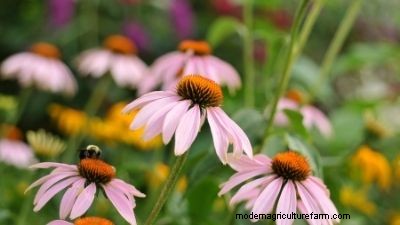
Before the leaves cover everything and the ground freezes solid enough to break your spade is a good time to move perennials. Some overgrown monsters may need to move to the compost pile while others just may need a change of address in your yard.
Most perennials can be moved and transplanted without much trouble, says Jerry Goodspeed, Utah State University Extension horticulturist. Transplant perennials when the weather is cool, even a little rainy, if possible. Early spring and fall care are best times for transplanting. Then the weather is cooler and the plants are not using as much water.
“However, don’t move or transplant perennials while they are in bloom,” he says. “As a general rule, wait a few weeks after they bloom before moving. If a plant blossoms in the fall, transplant in the spring.”
Anytime a plant is dug up it suffers some root loss, he cautions. This reduces the ability of the plant to take up water and cool itself. When moved in hot weather, its damaged root system is unable to supply enough water to cool the plant. It can literally burn up.
When digging perennials remove the tops, Goodspeed suggests. This can be done by cutting them, waiting until after the tops have died back, or transplanting them before growth starts in the spring. This reduces the draw on the roots, allowing them to use their energy to grow and establish themselves rather than putting effort into supplying water.
Most perennials can be moved by simply digging a large shovelful of soil and roots with the plant and placing it in the new location, he says. While relocating perennials, remember this is also a good time to divide those that are overgrown. If the plant has outgrown its area, remove half the plant, leaving the other part to fill in the area.
Once perennials have been moved to a new location, water thoroughly, Goodspeed says. They probably need a little extra water the first couple of weeks, but be careful not to drown them. Check the soil around the plants every other day or so. Water when the top two to three inches of soil becomes dry. This can be determined by digging into the soil and feeling it with your fingers.
“Apply about three to four inches of mulch around perennials when transplanting in the fall,” he adds. “This helps hold the moisture and keeps the ground warmer, promoting root growth well into the late fall. Transplant three to four weeks before the ground freezes. Allow time for the roots to establish and not be heaved out during winters freezing and thawing weather.
“Also allow the plants to become established before fertilizing. If they have been moved in the fall, fertilize the next spring. If transplanted in the spring, wait two or three months before fertilizing,” Goodspeed says.
“Do not be afraid to move the perennials in your flower beds,” he says. “Moving one or two plants can change the whole design of the landscape. This may allow a few of those hidden plants to be seen once again.”
For more information, contact your local USU County Extension office.
Dennis Hinkamp
Before the leaves cover everything and the ground freezes solid enough to break your spade is a good time to move perennials. Some overgrown monsters may need to move to the compost pile while others just may need a change of address in your yard. Most pe
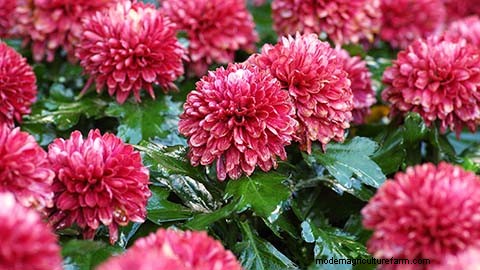
The plants are easy to grow and can be grown throughout the United States. Even without care, they usually produce flowers. However, neglected mums may have weak branches, yellowish leaves, and only a few small flowers.
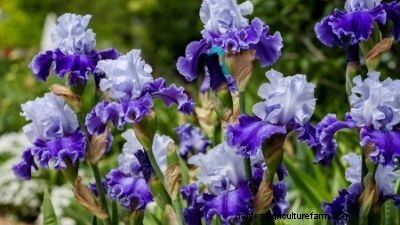
Garden irises are hardy, long-lived perennials that need a minimum of care. They are an established “backbone” of home gardens because they bloom when few other plants do—after spring-flowering bulbs and before peonies, delphinium and phlox.
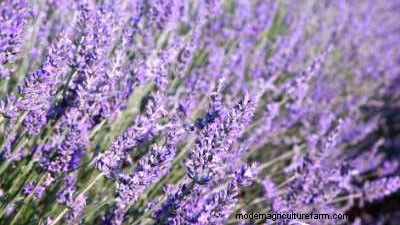
English Lavender (Lavandula angustifolias) thrives in full sun, well-drained soil with a pH of 6.5-7.5. Grow in full sun. Climates suitable for lavender range from zones 5 to 10 on the USDA hardiness scale. It does not perform well in wet or water-logged
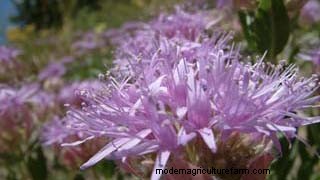
This mound-forming perennial is typically seen in higher elevations in the interior West. The lavender or rose-purple flowers are attractive to insects, especially bees and butterflies. This plant is easy to establish and maintain in Intermountain West la
PreviousNext


