Welcome to Modern Agriculture!

Lion’s mane are unusual-looking mushrooms that are receiving lots of attention for their culinary versatility and medicinal benefits.
If you’ve come across fresh lion’s mane mushrooms at your local store or market, you may be keen to try them but wondering what’s the best way to cook them.
Read on to learn more about lion’s mane, why they’re so popular, what they taste like, how to prepare them and how to cook lion’s mane mushrooms with quick and easy recipes.
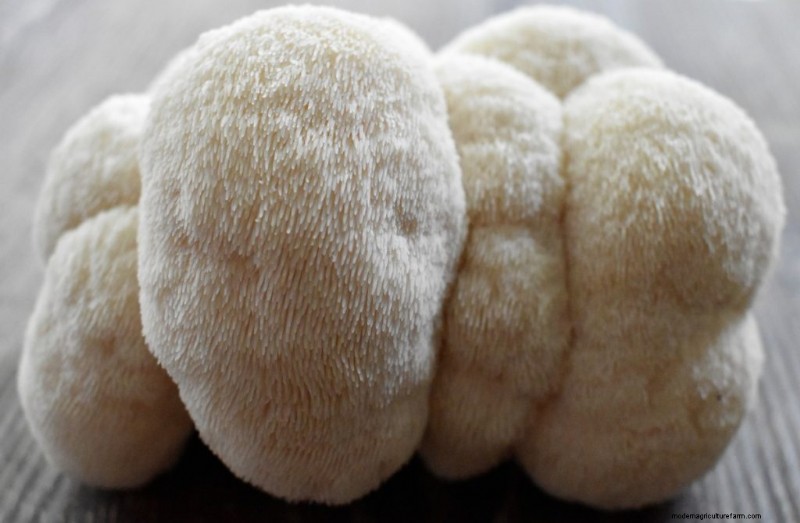
Lion’s mane mushrooms are large pom pom-like medicinal mushrooms that are both delicious and good for your health.
They have a rather unique appearance with shaggy-looking teeth that cascade downwards as they grow, giving them their name.
They may look like pom poms from the outside, but inside, they have an internal structure similar to cauliflower, with branches extending from a single base.
Lion’s mane mushrooms are sought after by chefs for their subtle seafood-like flavor and meaty texture but are also used by many in powder form for their potent health benefits.
Lion’s mane is excellent for cooking, and its unique flavor profile and tender, meaty texture make it an extremely versatile mushroom with various culinary applications.
It’s popular with vegetarians as a steak replacement, delicious when sauteed with garlic and butter or tossed into stir-fries and makes a great gourmet burger topping.
Although you can eat lion’s mane mushrooms raw, it’s better to eat them cooked, as this unlocks their true potential.
Raw lion’s mane mushrooms can be tough and fibrous with a slightly bitter taste, but cooking softens their texture and mellows their flavor.
It also breaks down the chitin in their cell walls, making it easier for humans to digest and access their bioactive compounds.
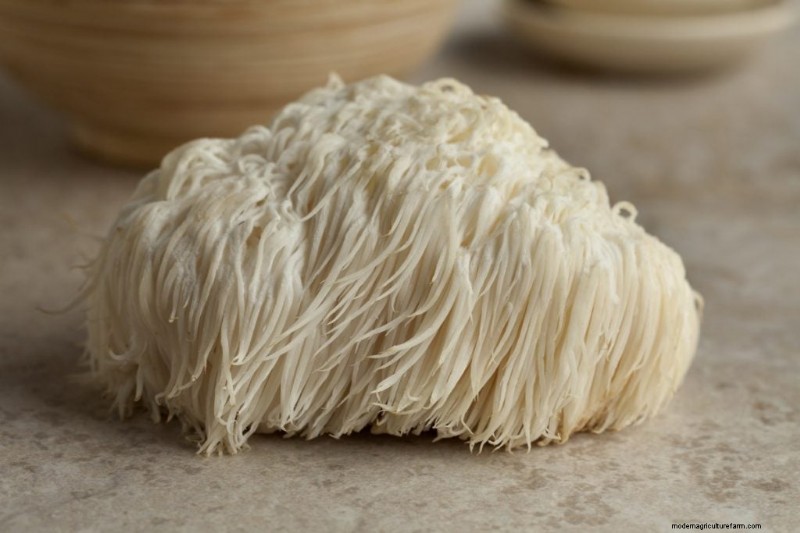
You can roast these versatile mushrooms whole, slice and sear them to make delicious steaks or shred them for vegetarian crab cakes.
And these are not the only ways to cook them; the options are almost endless.
Here are some popular ways you can cook lion’s mane mushrooms:
The key to perfectly cooked, crispy sauteed lion’s mane every time is to first dry fry your lion’s mane for a minute or two to drive off excess water, then add oil or butter to brown them.
Try this recipe from Wicked Kitchen to make meaty BBQ lion’s mane steaks.
This recipe from Urbanspore makes crunchy lion’s mane mushroom nuggets that you can whip up quickly with a handful of ingredients.
Here is a quick and easy lion’s mane stir fry recipe from Goats and Greens.
You can roast lion’s mane whole or cut them into bite-sized chunks, toss them with olive oil and seasoning, and roast for 15 to 20 minutes alone or with vegetables.
Try this quick and easy lion’s mane mushroom soup recipe for a flavorful, filling soup.
How long it takes to cook lion’s mane mushrooms will depend on the size of the pieces you’re cooking, the cooking method and how soft you want them.
Whichever cooking method you choose, you’ll want to ensure that they’re well cooked all the way through to break down the chitin and release the beneficial nutrients.
Yes, you can overcook lion’s mane mushrooms, and although they’ll still be edible, you will not make the most of their flavor and texture.
If you overcook lion’s mane while sauteing or pan-frying them, you’ll get very crispy mushrooms but may overwhelm their subtle, delicate flavors.
And overcooking lion’s mane may also ruin their texture, making them rubbery or mushy if you’re boiling them.
One of the best things about mushrooms, including lion’s mane, is how quick and easy it is to prepare a delicious meal, snack or appetizer.
Here are three of our favorite quick and easy lion’s mane mushroom recipes:
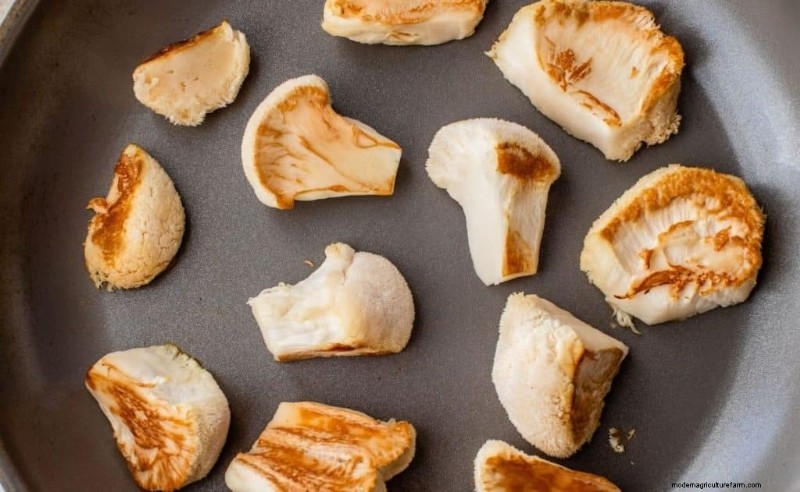 https://cleananddelicious.com/lions-mane-mushroom-recipe/
This recipe only uses four ingredients to create delicious, versatile melt-in-the-mouth lion’s mane mushrooms that you can enjoy as is or in other dishes.
The quantities below make four portions.
 https://www.tablefortwoblog.com/creamy-lions-mane-mushroom-pasta/
This 30-minute pasta dish is a delicious combination of textures and flavors with lion’s manes’ delicate earthy flavors, a silky, creamy sauce and al dente pasta.
The quantities below make four large portions, and you can halve all the ingredients if there are two of you.
 https://www.mushroomcouncil.com/recipes/lions-mane-mushroom-crab-cakes/
These delicious and healthy lion’s mane patties or cakes taste remarkably similar to traditional Maryland-style crab cakes and can be air-fried, pan-fried or baked.
The quantities below make four lion’s mane crab cakes.
Lion’s mane mushrooms have mild, subtle flavors with a hint of sweetness and a tender, meaty and slightly stringy texture that many people feel resembles crab or lobster meat.
Cooking accentuates their flavor, but to fully enjoy their unique umami taste, it’s best to cook them with minimal ingredients. Because, like other mushrooms, lion’s mane will take on the flavor of any sauces you cook them in.
As research uncovers the potent health benefits of lion’s mane, they are growing in popularity, and most people have heard of them and the cognitive health benefits they offer.
They contain bioactive substances called erinacines and hericenones, which studies have shown can improve cognitive abilities by initiating the growth and regeneration of nerves.
Lion’s mane are adaptogenic mushrooms as they help to stabilize body functions and regulate and support the immune system.
Other studies show that lion’s mane mushrooms have anti-inflammatory properties that may reduce inflammation and aid digestion.
To help you learn more about the astonishing health benefits of lion’s mane mushrooms and how to access them, we put together an informative video for you.
Learn more about the health benefits of lion’s mane mushrooms
You can store fresh Lion’s mane mushrooms for up to 7 days in a paper bag or similar breathable container on a shelf in your refrigerator. But remember to keep them away from moisture and strong-smelling foods, as they’ll absorb them both.
Also, don’t clean, slice or chop your lion’s mane mushrooms until you are ready to use them, as this will reduce their lifespan.
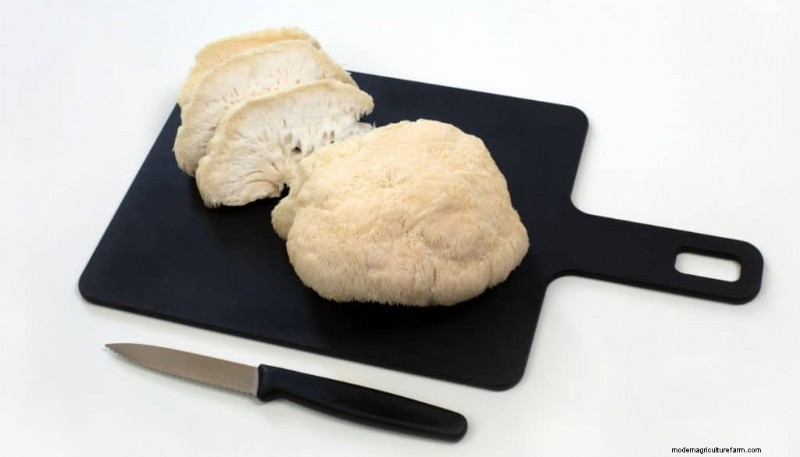
The first step in preparing lion’s mane mushrooms is to clean them and trim off any discolored or damaged spots.
When you’re happy they are clean, you can slice, tear, shred or chop them depending on how you plan on using them.
When cleaning lion’s mane mushrooms, it’s best to avoid rinsing them if possible, as they’re exceptionally absorbent. Instead, wipe them with a damp cloth or paper towel or use a soft brush to remove dust or debris between their teeth.
There are several ways to access the health benefits of lion’s mane mushrooms, including eating fresh lion’s mane in your favorite dishes.
For those who don’t have access to an ongoing supply of fresh lion’s mane, there are other ways to consume them daily.
One of the best ways to access their health benefits is to take 1 to 2 ml daily of a lion’s mane tincture made using double extraction.
These tinctures use both alcohol and hot water methods to extract all the beneficial compounds found in lion’s mane mushrooms.
Lion’s mane mushroom powder is another popular option that you’ll find loose or in capsules. Take care when buying lion’s mane powder though, as there are two different types.
The first type of powder consists of dried lion’s mane mushrooms ground into a powder. This powder is perfect for culinary applications and offers the same health benefits as eating fresh lion’s mane.
The second type consists of freeze-dried lion’s mane extract ground into a powder. This powder contains more of the lion’s mane mushrooms’ beneficial compounds and is better for medicinal applications.
There are also several new products on the market that contain lion’s mane powder, including coffee, hot chocolate and energy bars. But, you’ll need to check their labels to see exactly how much lion’s mane you’re getting.

Due to the increase in popularity of lion’s mane mushrooms, you’ll sometimes find fresh lion’s mane at grocery stores, specialty stores or farmers markets.
And, if you’re fortunate enough to have a local mushroom farmer in your area who’s growing lion’s mane, it may be possible to arrange a weekly delivery of fresh lion’s mane.
But the best way to ensure an ongoing supply of fresh lion’s mane is to grow your own at home, and they’re one of the easiest mushroom species to grow.
There are several ways you can grow lion’s mane mushrooms at home both indoors and outdoors on logs.
But, if you’re new to mushroom growing, we recommend starting with a lion’s mane mushroom grow kit or substrate block and moving on to other methods once you have some experience.
Our guide to growing lion’s mane mushrooms will take you through the process step by step, or you can watch the video below to learn how to grow lion’s mane mushrooms at home.
Learn how to grow your own lion’s mane mushrooms.
We hope the recipes in this article have inspired you to try lion’s mane mushrooms for yourself and experience their subtle flavors and tender, meaty texture.
If you’re not fortunate enough to be able to buy or forage for fresh lion’s mane mushrooms, consider growing your own at home. It’s not as complicated as you may think.
Visit our Mushroom Growing Hub or try one of our mushroom cultivation courses to learn how to grow mushrooms on a small scale using simple methods and minimal equipment.