
Welcome to Modern Agriculture!

As the growing season fades, the urge to grow crops doesn’t go away. It sits inside us all, smoldering until the spring sunshine arrives again. Don’t let that passion die! In the meantime, feed it by growing herbs indoors.
Indoor herbs are essential for home cooks who want flavorful meals. Herbs, whether dry or fresh, impart flavor without the need for added salt. Cilantro makes a fresh salad pop, while parsley is crucial in pasta sauce.
No matter how you cook or what you prefer to eat, these low-light herbs are ideal for fall growing indoors. They’re great for making tea, meals, and desserts. Grab some pots, potting soil, and herbs, and get ready for planting!
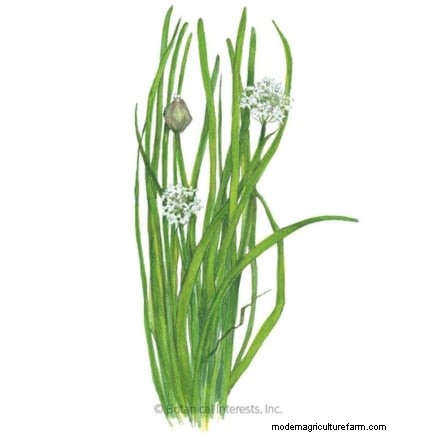
Garlic Chives
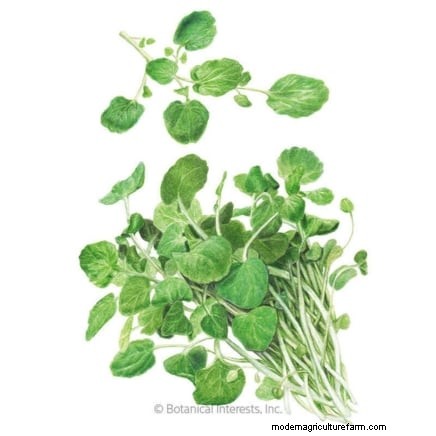
Watercress
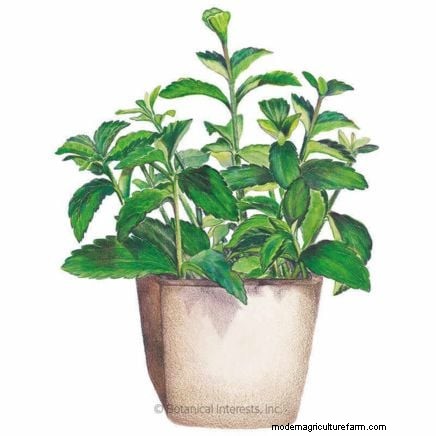
Candy Stevia
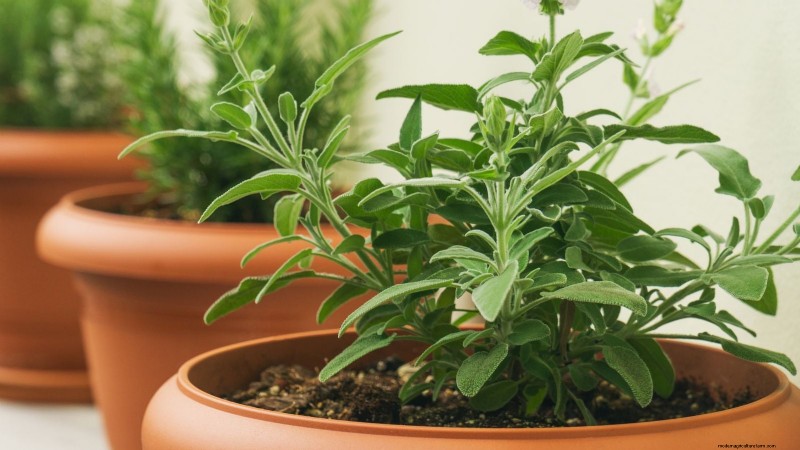 All plants need some sunlight to grow effectively.
Though these fall herbs tolerate low light, they do need sunlight to grow. Place them near a window in the kitchen, or add grow lights above them to boost the brightness. Watch how they grow. If they’re leggy and weak, consider adding light to the area.
A leggy herb is still edible. For annuals like cilantro, legginess is less of an issue than it is for perennial herbs. Simply snip the long herb, use it, and plant new seeds.
When growing perennials like chives or mint, you may want to consider adding a grow light if the plants are in the dark. Hook a light up to a timer so it turns on and off automatically. Then, you won’t have to worry about the lighting.
So, which fall herbs tolerate low light indoors? These 11 do! They’re perfect for fall and winter kitchens, as they’re essential in many recipes. Grow your favorites, or try a new herb to see how it tastes.
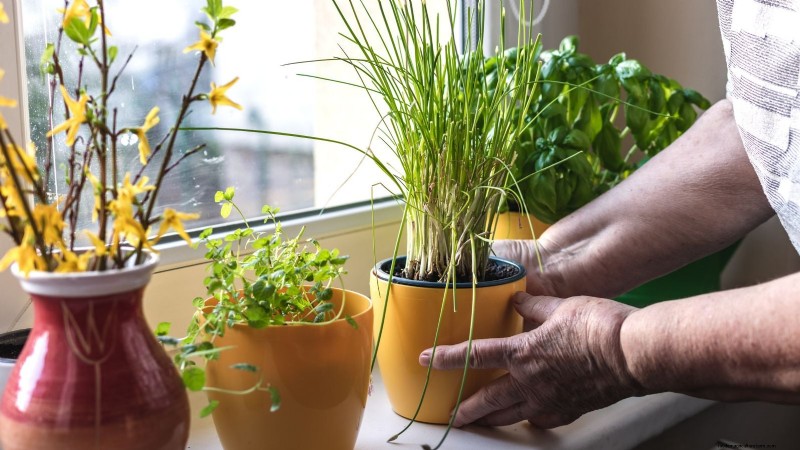 Compact plants are ideal for windowsills.
Chives are perennial relatives of onions with a mild, honey-rich flavor that’s delectable in fresh dishes. They grow in clumps, forming many green onion leaves from a central base. In spring, round lavender flowers emerge from upright stalks.
Indoors, chives may resemble green onions. The leaves will be thin and cylindrical. The more light the plant receives, the more leaves it will grow.
Plant chives in a pot with fresh, free-draining potting soil. Fertilize sparingly, if at all, during the winter months, and watch for soggy soil (it’ll kill the plants). Water occasionally, and check the dirt first before watering.
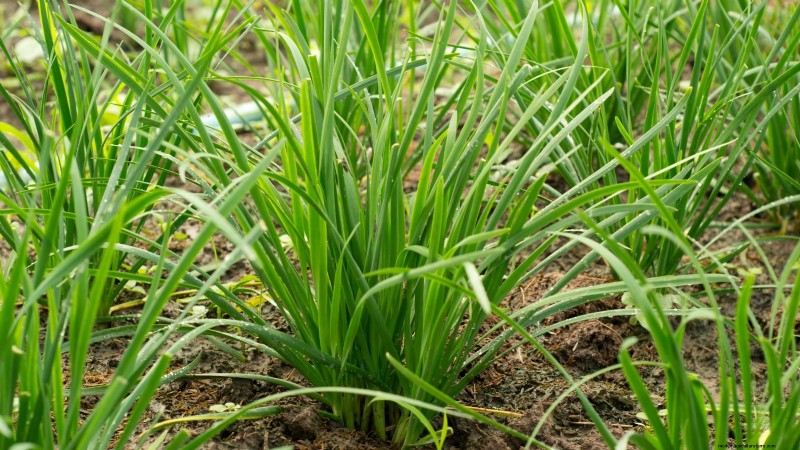 Similar to regular chives, but with a garlic kick.
Garlic chives are like normal chives, except for their garlic-like flavor. The leaves have a mild onion-garlic taste with hints of honey. The flowers are white, not purple, and they’re edible like the leaves.
Indoors, garlic chives tolerate low light for a few weeks. They may need grow lights in December and January when the days are short. For best results, move the pots as close to the sunniest window in your kitchen as possible.
To harvest, snip the outer leaves when you need them. They’ll grow more foliage after you snip the outer portions. Keep harvesting them to encourage consistent growth.
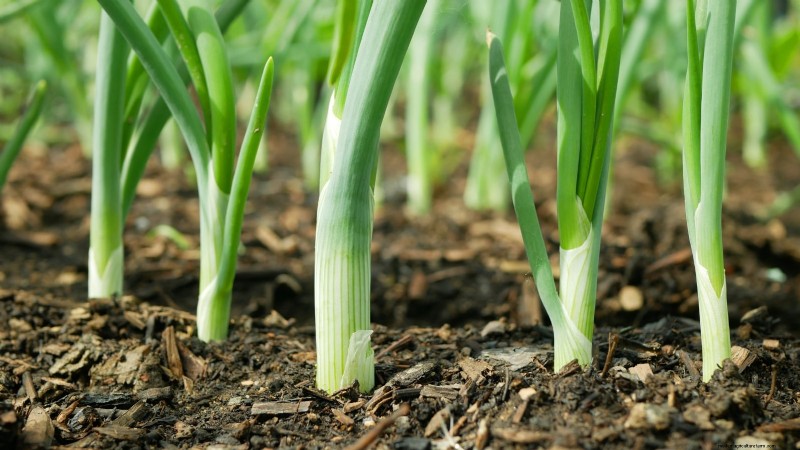 After trimming, stems will regrow as long as roots are healthy.
Scallions, or green onions, are different than bulbing onions. They form green leaves, but their lower white portion doesn’t grow a bulb like the bulbing types. They’re easy to grow because of this, making them exceptional low-light herbs for fall or winter kitchens.
Scallions thrive in small pots, and they grow in water after harvesting! Simply pull up a scallion, rinse its roots, and set it in a glass of water with the roots submerged. New growth will sprout, and you can snip it as you need it.
Though they’ll live for a while in water, scallions perform their best in soil. Use water as a short-term strategy to grow picked and store-bought onions. Then, in spring, plant the regrowing roots outdoors to encourage fresh growth for harvesting.
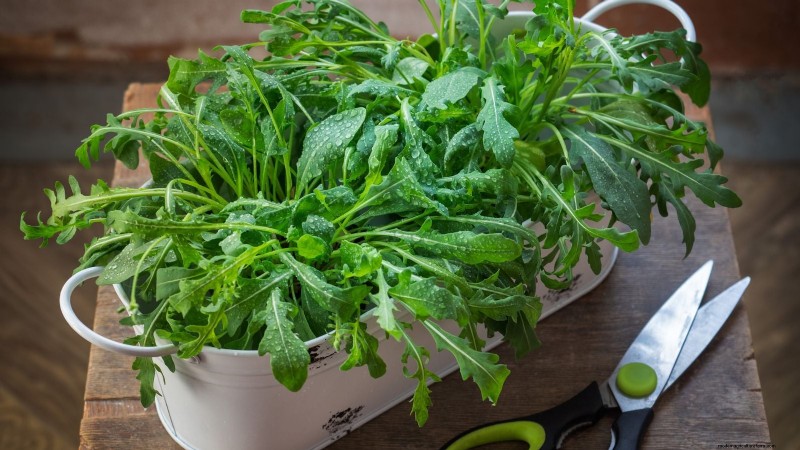 Harvest often to keep plants bushy.
Annual arugula needs lots of sunlight to perform its best! So, why is it on this list? Well, in partial shade, annual arugula will still produce a sizable harvest. You may use the small leaves and seedlings as baby greens.
Quick to sprout, annual arugula is great for container growing in indoor kitchens. Sow seeds continuously in a small pot for microgreens, and harvest the seedlings when they sprout true leaves. The spicy, pungent flavor lends well to salads, cooked greens, and sandwiches.
Or, consider sowing a pot full of arugula. Pick the outer leaves, and chop the stalks if they grow leggy or sparse. Add more seeds as needed to fill the pot with herbs throughout the fall and winter.
 Tall stems stretch toward the nearest light source.
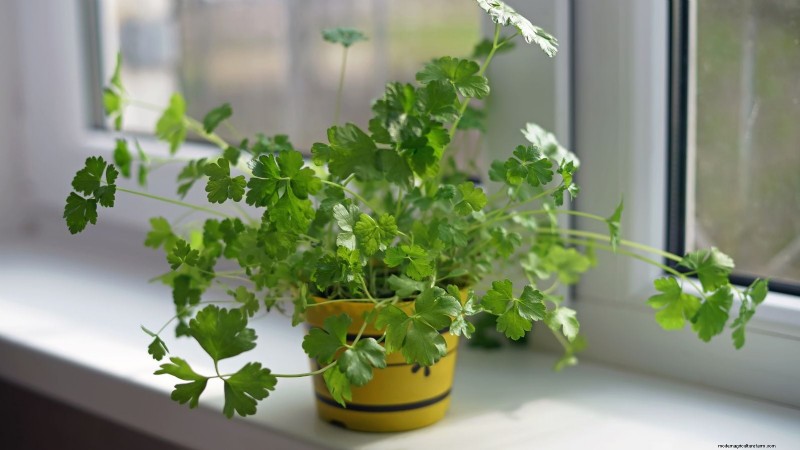
This herb naturalizes itself in my garden, where it reseeds itself and grows wild. It’s frost-tolerant, drought-tolerant, and an ideal low-light herb for fall indoor gardening.
Parsley is a biennial herb, meaning it produces leafy growth in its first year and flowers and seeds in its second year. Indoors, treat parsley as an annual.
Sow seeds, let them sprout, and harvest the seedlings. When you harvest all the herbs, sow more seeds for fresh parsley throughout the fall and winter.
 An overlooked herb with impressive flavor.
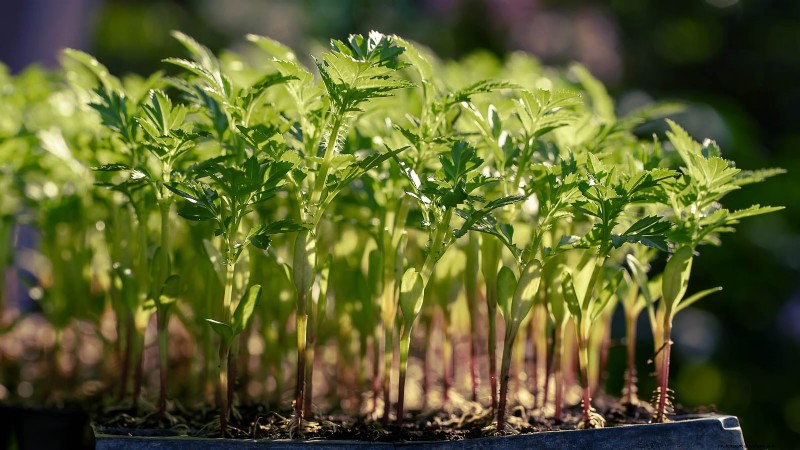
Chervil resembles parsley or cilantro in appearance. It hides a licorice, anise-like flavor in its leaves. If you crush them, you’ll know instantly that they’re different from the other two herbs. The aroma resembles that of crushed fennel.
Chervil is a biennial, though it grows best as an annual with your other indoor herbs. Plant it, harvest it, and sow more seeds when you need fresh leaves.
Use chervil in desserts, candies, and prepared dishes. The licorice flavor is mild, and it blends in nicely with tomato juice or meat dishes. This herb is essential in French cuisine.
 Water often to keep the soil lightly moist.
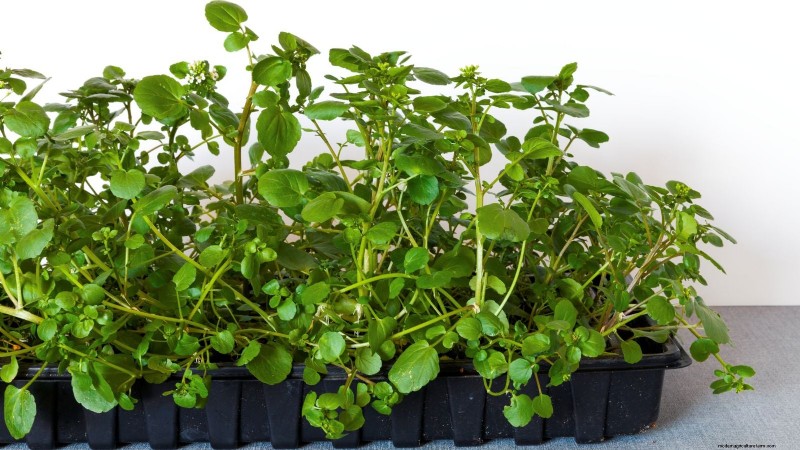
Watercress is vigorous, perky, and crunchy. It’s an herb with a spicy kick, and it’s a longtime favorite in tea-time finger sandwiches. It’s short and perennial, making it an excellent herb for small containers and planters.
Watercress will thrive in your kitchen with bright indirect light. Set it near the window, or place it where light reflects in your kitchen.
This herb appreciates consistent moisture. It’ll regrow after harvesting if you keep its soil moist. If the plants die out in the container, simply sow more seeds for new seedlings.
 Dry leaves by hanging them in bunches upside down.
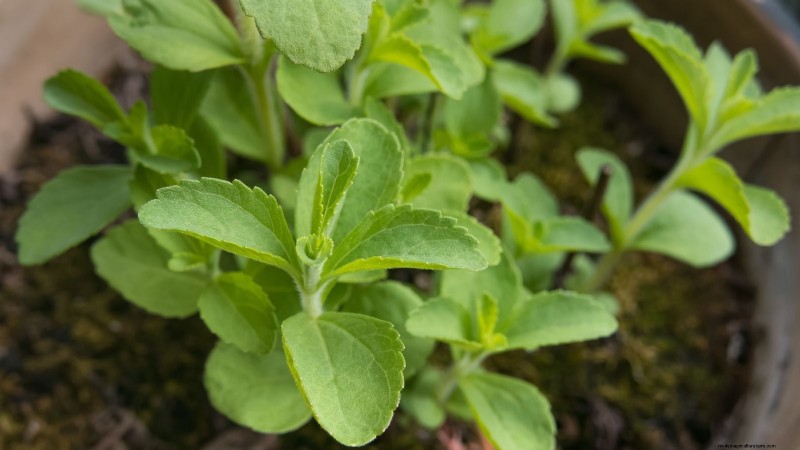
Don’t buy stevia packets. Grow the herb instead! This plant, also called candyleaf, is a frost-tender perennial that grows sugary-sweet leaves. Use them fresh in meals, or dry them for teas, smoothies, and desserts.
I like to dry bushels of stevia during the summer for year-round use. Then, in the fall, I’ll bring my potted stevia plants back inside. They’re perfect for kitchens, though they’ll grow well anywhere there’s light.
Because of the lower light levels in winter, stevia may grow slowly and leggy from fall until spring. Trim it to keep it bushy, and increase the light with grow lights for more significant harvests.
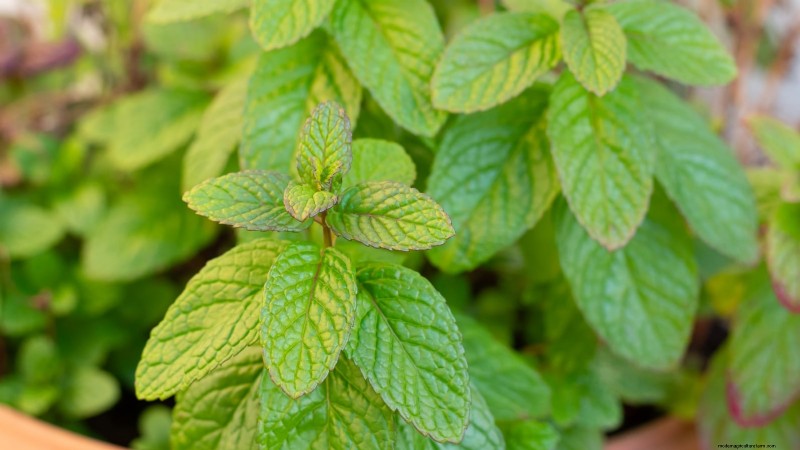 Use the leaves to make your own teas.
At first, spearmint was a struggle for me to use. Aside from mojitos, mint juleps, and teas, what could you use it in? It was a joy to discover spearmint works well in a variety of desserts and meals.
Chop some spearmint into tabbouleh with parsley for a minty, herbal dish. Or, steep the spearmint into syrups and jellies. Use syrups in coffees and teas, and jellies for crackers and charcuterie boards.
This fall herb grows well in low-light kitchens, and containers are perfect for limiting its unruly spread. Outdoors in beds, mint grows wild and invades nearby crops. Keep it under control in a pot on your kitchen counter.
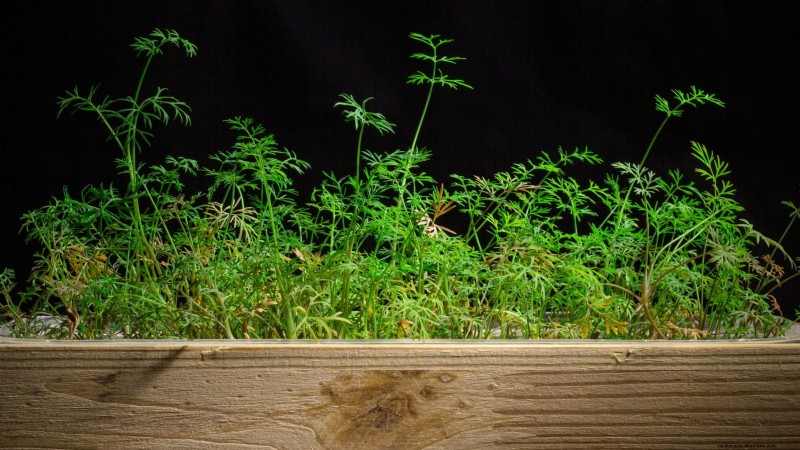 This tough plant can handle low light conditions well.
Fennel loves the cool weather. It may survive outdoors in the winter, but it also makes a good container plant for a season or two in indoor kitchens. It won’t form a bulb in low light, but it will grow ferny, feathery foliage for garnishing and flavoring.
Fennel has a flavor similar to chervil and licorice. It’s pungent and aromatic, and it’s beautiful in presentation. Use the leaves to garnish cheese plates or fresh tomatoes.
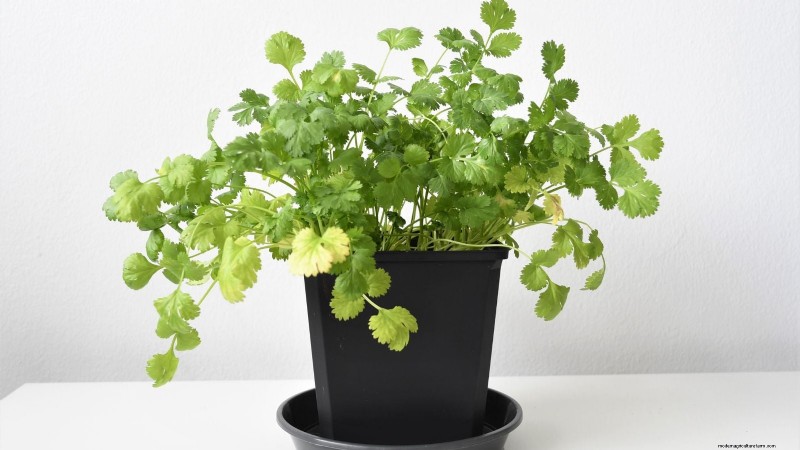 Choose a deep pot to accommodate the root system.
Cilantro’s annual nature makes it perfect for winter kitchens. It grows aromatic, flavorful leaves, then it bolts to flower and produce seeds. Trim it continuously while it grows with your other indoor herbs to prevent it from bolting.
If the plants do begin to bolt, simply harvest them and plant new seeds. Cilantro is quick to sprout, and it grows well when you sow it thickly. Plant many seeds in a pot for dense, lush growth.
They’re likely suffering from too much water or not enough light. Put your finger in the soil to see how wet it is before watering. If water isn’t the issue, you know it’s the light levels.
Many potting soils come with fertilizer inside them. Additionally, the fall and winter seasons aren’t the best times to fertilize. Fertilize old perennial herbs sparingly, using a well-balanced organic fertilizer. Avoid fertilizing annuals unless the soil is poor and nutrient-deficient.
All plants live outdoors. That’s where they originated from! Though they prefer the outdoors, many herbs tolerate indoor growing conditions for a while.


