Welcome to Modern Agriculture!

Few things make me happier than picking fresh strawberries from the garden. The more healthy fruits I grow, the better.
Strawberries are easy to grow and maintain. They’re also very easy to propagate. And with a few easy steps, you’ll propagate so many plants that you’ll never have to buy them again. The secret is in the runners.
It’s easy to grow multiple strawberries for free, just like Jacques does in this video. All you need are a few healthy strawberries, nutritious potting soil, and a few containers. Let’s dive into the steps below to propagate abundant strawberry plants for free.

Espoma Garden-tone Organic Plant Food (4 lbs.)

Buy at Epic Gardening
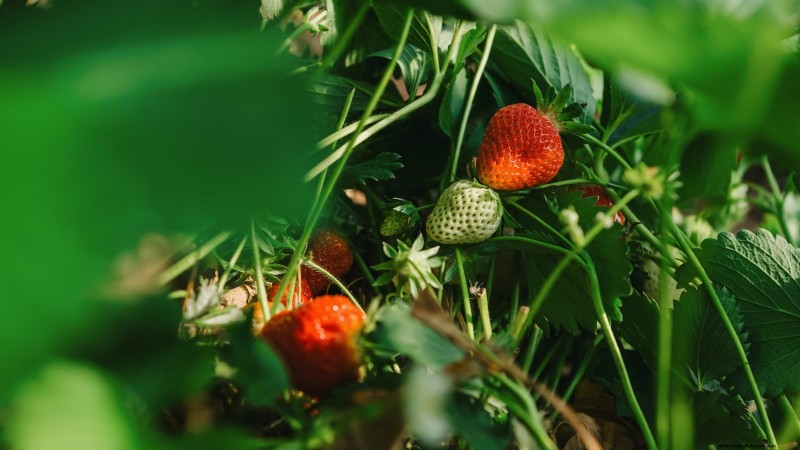 Look for healthy, disease-free plants with vibrant green leaves spilling over their containers.
You’ll have everything you need if you’re growing healthy strawberries in your garden or greenhouse. If not, find a friend or fellow gardener and ask to use theirs. All you’ll need are a few clippings. You won’t harm them at all.
Look for lots of healthy, disease-free growth. If the strawberries are bright green and flowing out of their containers, you’re all set!
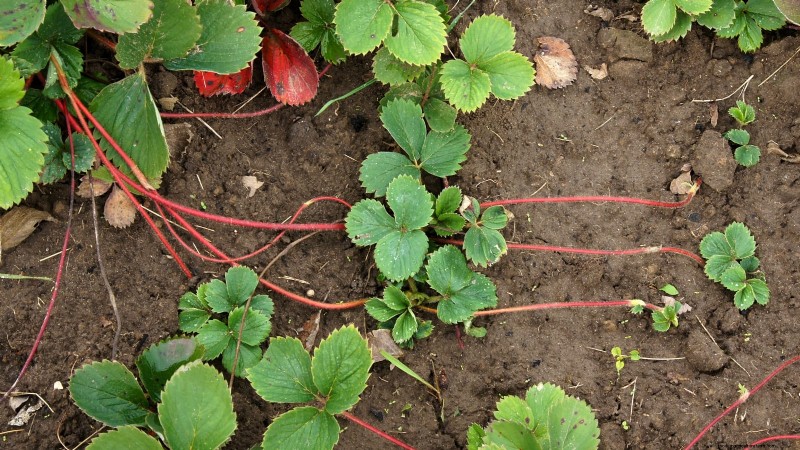 Multiply them by finding healthy runners connected to the mother plant by stolons.
Strawberries are like irises, spider plants, and peppermint because they grow what we call runners. These are horizontal stems, called stolons, that grow from the mother plant. As they grow outward, they produce new nodes, leaves, and roots that ‘run’ away from the main plant.
In the wild, runners spread horizontally and create matted ground cover. If left to their natural devices, strawberries will grow multiple offshoots to ensure their survival in the wild.
To multiply your strawberries for free, find as many healthy runners as you can. They’ll be connected to the mother plant by the stolon. It works like an umbilical cord, providing nutrients and water to the runners until they establish themselves in new soil.
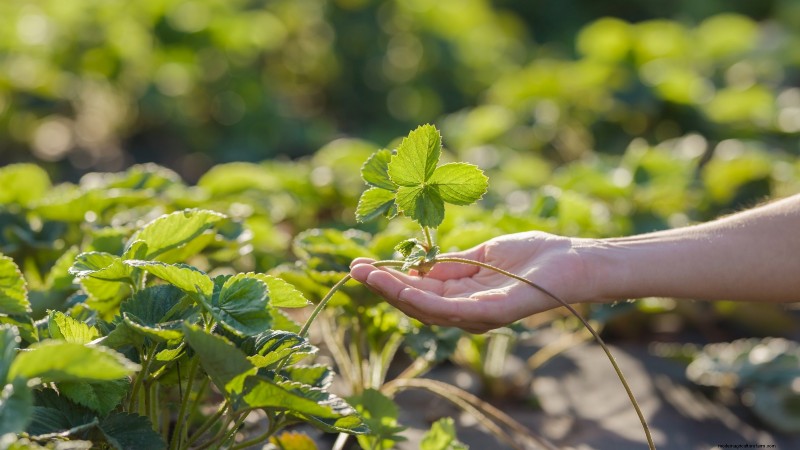 Select disease-free stolons with strong white roots forming at the crown’s base.
Once you find the individuals you want to propagate, give them a quick look over. Check for disease-free leaves and healthy root systems that are starting to form. The roots will look like clusters of white fibers at the bottom of the crown. Some will even have fruit on their tiny stems.
If you find offshoots with little foliage, unhealthy roots, or infestations, leave them be. These shoots will give you too many problems and will probably not produce much fruit.
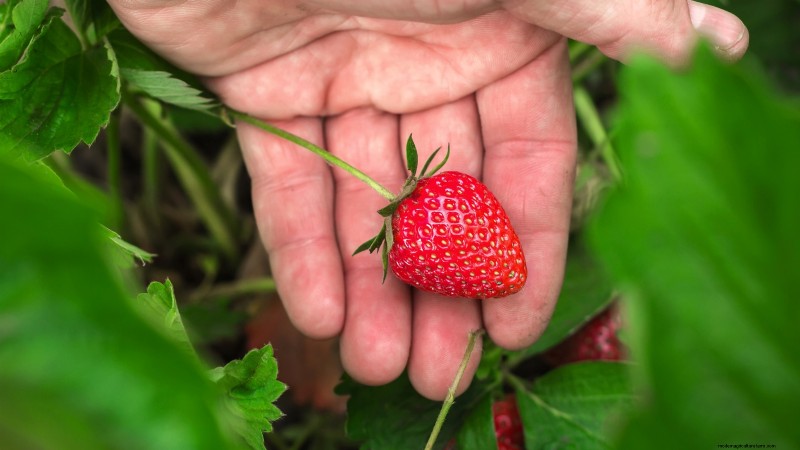 Use disinfected clippers to remove any fruit from selected runners before planting.
Once you find healthy and disease-free runners, take disinfected clippers or pruners and remove the fruit. Clip them cleanly at the stems.
The fruit will take energy away from the young offshoots. Don’t worry, your new plants will produce much more tasty berries once they get established in their new home.
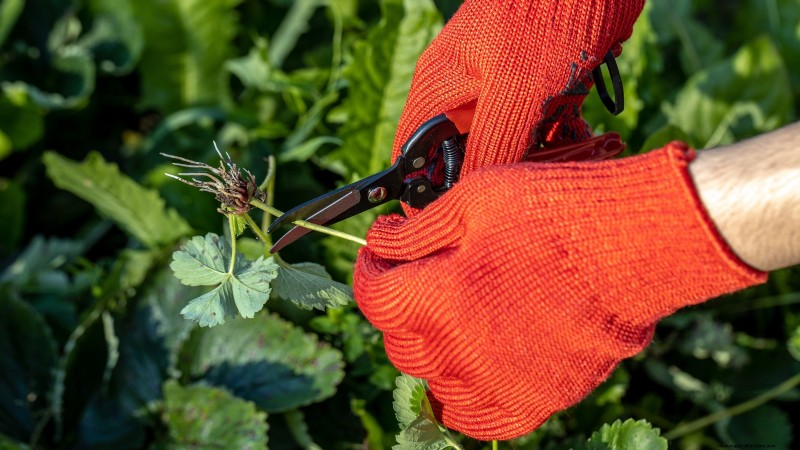 Snip stolons cleanly to separate new specimens from the mother without harming them.
After trimming the fruit off, take your clean pruners and snip the stolons connecting them to the mother plants. Doing so won’t harm them. In nature, the stolons will eventually rot away and disconnect once the new strawberries start growing in the soil.
Remove the tiny offshoots that are developing roots and leave the ones that look too small and immature. If you clip them away too soon, they may not have the energy to propagate.
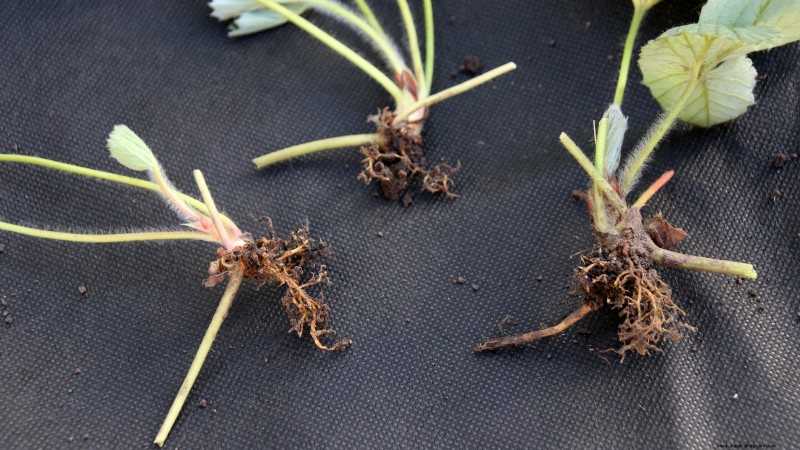 Collect and inspect all of them, ensuring they are pest-free before planting.
Collect all the healthy fruits you can from the mother plants. Do a final check to see if any of them are carrying any obvious diseases or pests. If they look healthy and disease-free, they’re ready for planting.
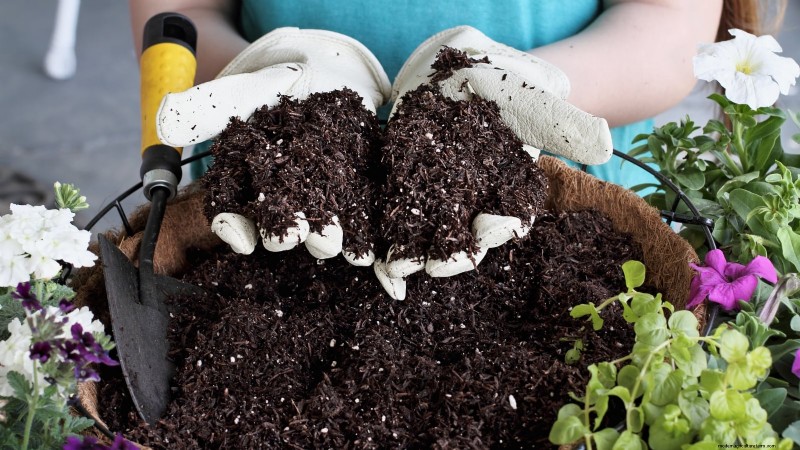 Use well-drained soil with compost, sand, and organic matter for optimal growth.
Prepare your trays, containers, or beds for planting. You can use any type of container for these herbaceous perennials. They don’t need much room to grow. If you’re planting in beds, form mounds to help with drainage.
Fill your container with well-drained potting soil. Strawberries grow best in soil that’s between 5.5 and 7.0 pH. Add plenty of compost, sand, and even sawdust. Any organic potting soil will work perfectly.
Level off the soil and moisten the soil before planting. Make sure the soil is moist but not soggy.
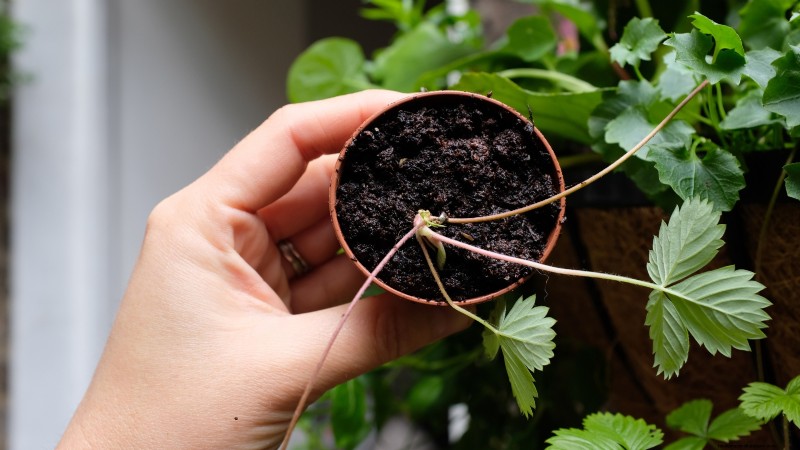 Gently plant them, keeping their crowns exposed and roots covered.
Make a small hole in the soil with your finger and gently place your tiny strawberries inside, with their roots down. Keep the top section of the crown exposed so only the roots are in the soil.
Pat the soil down gently around the crown. Don’t push too hard. You just want to cover the roots and base of the plant. Double-check that the soil surrounding them is moist. Give them a light misting after planting.
If you’re planting them in beds, space them a little over a foot apart. This depends on which varieties you’re growing.
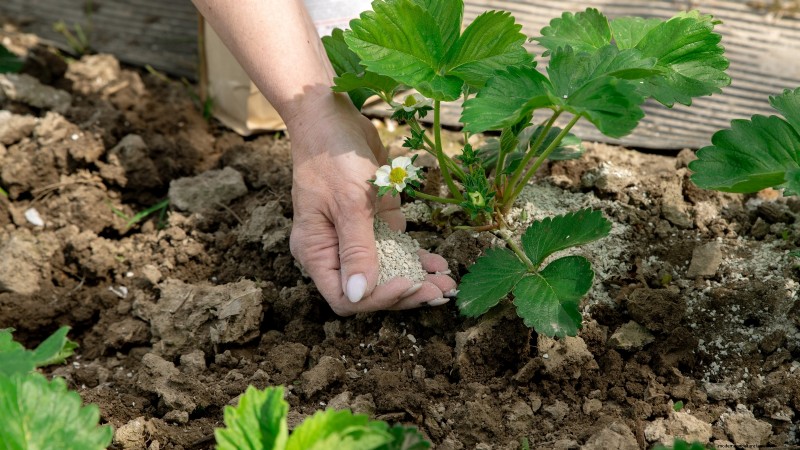 Feed with compost or organic fertilizer, then water to encourage strong growth.
Strawberries need a lot of nutrients to produce abundant fruit. Without enough energy, their fruit will lack flavor, and harvests will be low.
After planting, add organic fertilizer to the soil. Make sure you don’t add a concentrated amount. Keep it from touching the plant.
Compost, organic kelp fertilizer, and all-purpose organic fertilizer work well. Water them after feeding and your plants should have the energy they need to put on new growth and blooms.
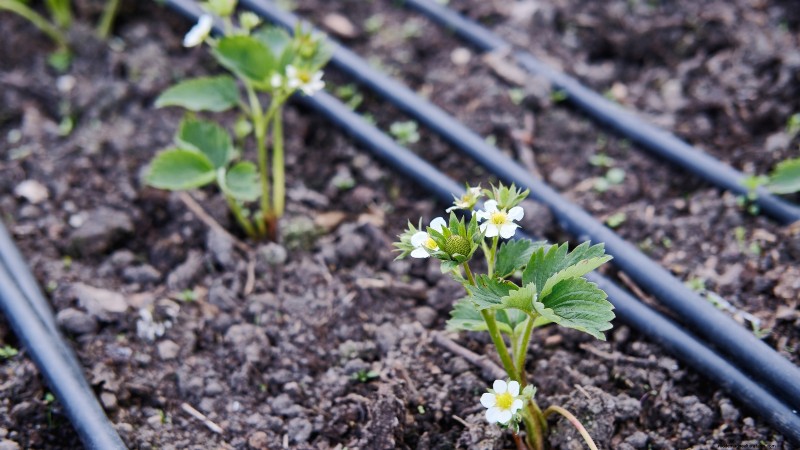 Water young plants frequently, using drip irrigation to maintain consistent moisture.
After planting your new strawberries, give them plenty of water. Try using a simple drip irrigation setup to water them continuously.
As they grow, these little perennials will need water to produce an abundance of fruit. Once your new strawberries establish their roots in the soil, you can cut back on watering a little.
To help keep the soil moist, add a layer of straw or other organic mulch around the crowns. Besides keeping the soil from drying out, it will save water over time.
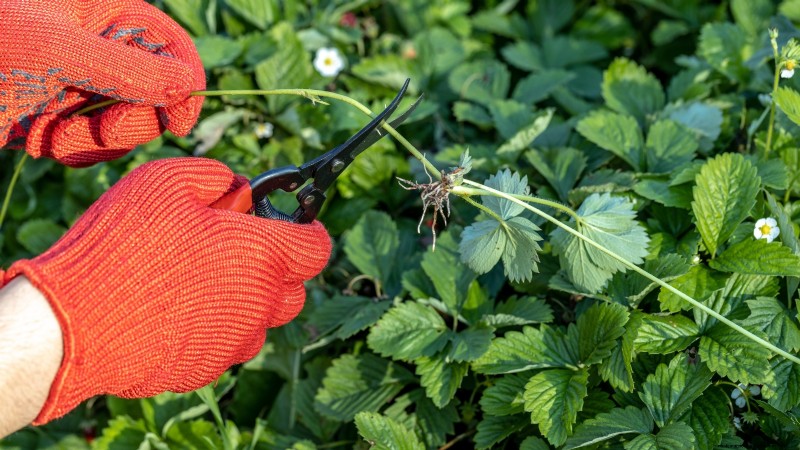 Clip new stolons once their roots develop to propagate more plants.
Now that your young offshoots are thriving, look for new runners to clip off and regrow. Throughout the growing season, your strawberries will send out multiple runners. Clip them off when you see root systems develop at the bottom.
If the young strawberries start growing in new soil, clip off their stolons. If you’re growing your strawberries in vertical containers, you can get new individuals in every pocket just by letting the stolons take root.
Clipping runners is like pruning your plants. It encourages them to use energy towards producing fruit and foliage instead of new offshoots. The more you remove, the better.
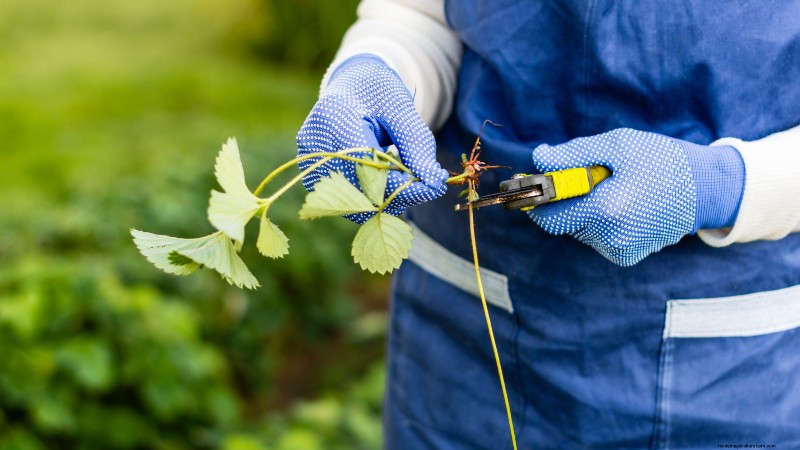 Repeat this process throughout the season to expand your harvest.
As you can see, you can repeat this process and multiply your plants. You’ll have more fruit than you know what to do with!
Keep your plants healthy, and collect your fruits. If you can’t eat all of them, try preserving them as jams or preserves. Give them away to friends, or try selling them at a local farmers market. The possibilities are endless, and you’ll never buy strawberries again!
As you can see, multiplying your strawberry plants for free is easy. All you need to do is trim the healthy runners and plant them in good, well-drained soil. Your plants will produce even more offshoots that you can multiply.
Strawberries are perennials that will come back the next season. As they grow, try giving the young runners away to friends and fellow gardeners. Get creative and plant them around your yard and garden. Try growing multiple varieties for the ultimate harvest.