Welcome to Modern Agriculture!

Onions and garlic are the base of every meal in my home so I love having them around all year long. Growing vegetables in the home garden, especially these culinary staples, is economical, rewarding, and fun.
Depending on your region and when your soil can be worked, direct seeding onions may not be a realistic option. So should you start them from seed or purchase sets? How onions are propagated doesn’t affect the final outcome as much as you might think.
Let’s get into the different ways you can start onions and which way is better.
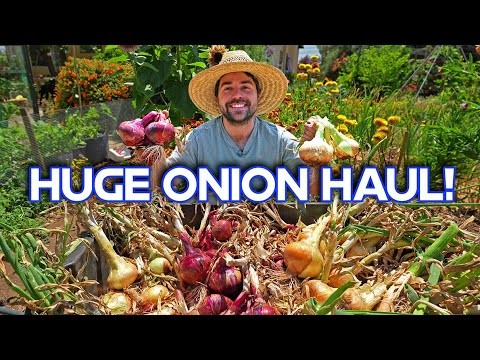
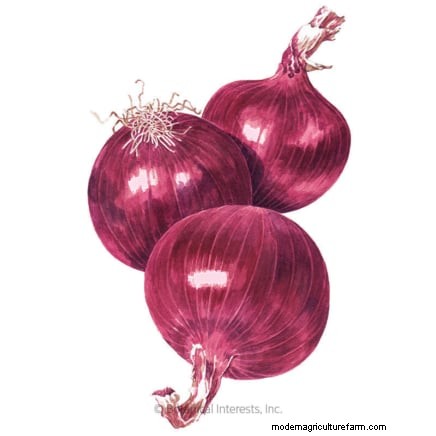
Cabernet Bulb Onion Seeds
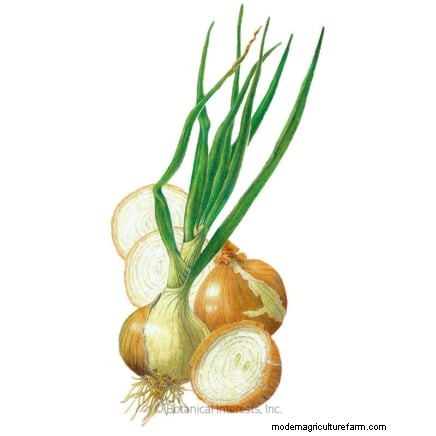
Walla Walla Bulb Onion Seeds
Tokyo Long White Bunching Onions
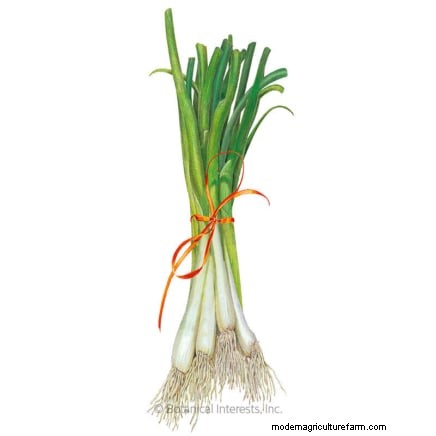
Tokyo Long White Bunching/Scallion Onion Seeds
The best way to grow onions is a personal preference based on the following:
While starting onions from seed may seem intimidating, they’re easy and beginner-friendly. Gardeners who don’t have an indoor setup may direct sow onions in their garden, but since onions take a long time to grow to full size, transplanting sets may be the best plan, especially for northern growers where direct sowing isn’t practical.
Let’s get into the nuances of starting onions from seed versus purchasing and transplanting sets.
How you get your onions in the ground is a personal preference. I’ll discuss different types of onions, briefly touch on how to start them from seed, and what to look for if you purchase sets from a gardening retailer. First, let’s discuss the different types of onions and how to choose the right one for you.
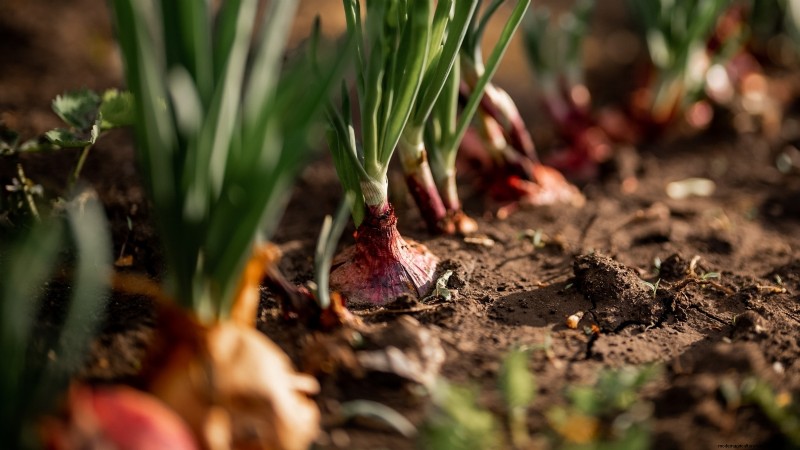 Neglecting to consider the appropriate onion type can lead to problems.
Depending on what zone you grow in, different types of onions will perform better.
Not considering the type of onion may result in tiny bulbs, premature bolting, or no bulb at all.
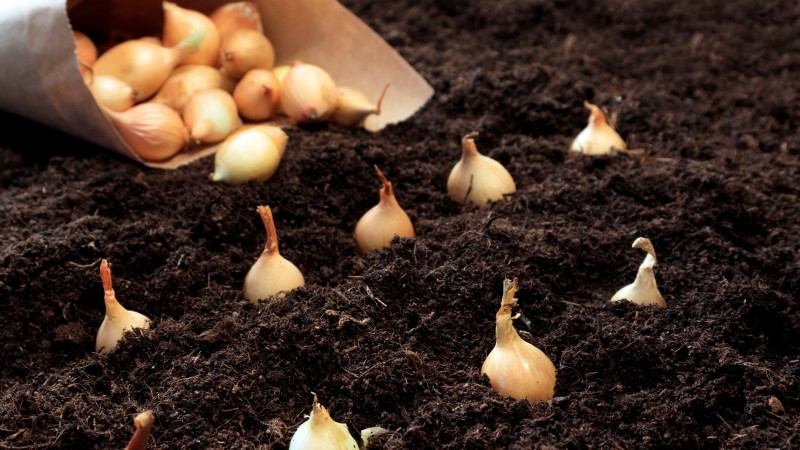 Ensure airflow around onions to deter gnats and algae.
If you have ample indoor seed-starting space, starting crops from seed is a fun gardening activity that’s good for your mental health. Not only does soil contain beneficial microbes that may lead to lower levels of stress and anxiety, but studies show the act of gardening and being outside also has health benefits.
Sow onion seeds in January or February, about 10-12 weeks before your last expected spring frost. Heat mats set to 65-70°F (18-21°C) will help them germinate quickly and evenly. Keep trays watered well, but don’t allow them to become soggy. Once you see germination in most of your cells, remove them from the heat mats if used and put them under artificial light or direct sunlight in a greenhouse.
Pro tip: Fans are your friend. Creating airflow around your onions will prevent gnats from hanging around and algae from forming on the soil surface. Onions are in these cells for quite a while, so this is crucial. Also, sow more densely than recommended in your trays and separate them at transplant for even more onions.
As the onions grow, they’ll be thin and wispy. About four to five weeks before I plan to transplant my onions, I give them a haircut by taking clean, sharp shears and cutting them down to about ⅓ of the height. This forces energy into the root and bulks up the stalks of the onion as they regrow.
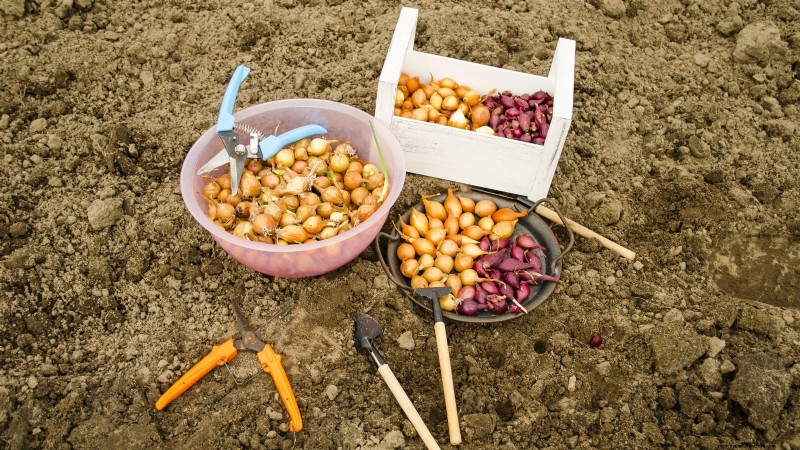 Harden off onion sets before planting in the garden.
Maybe you don’t have an indoor seed-starting area, or perhaps you grow in zone 3 or 4, and it’s too late to start bulbing onions from seed. Enter onion sets.
Onion sets can be found at local nurseries, or farm stands in the spring and summer, usually offered in four or six-packs. They’ll have been started indoors by seed 10-12 weeks before the area’s last frost, grown indoors for most of that time, and then hardened off before being offered for sale. When purchasing, consider how many onions you want to have on hand throughout the winter and buy accordingly.
Allow the onion sets to settle into your garden’s environment by hardening them off for at least a few days before transplanting. Below, I’ve included a short list of things to consider before purchasing.
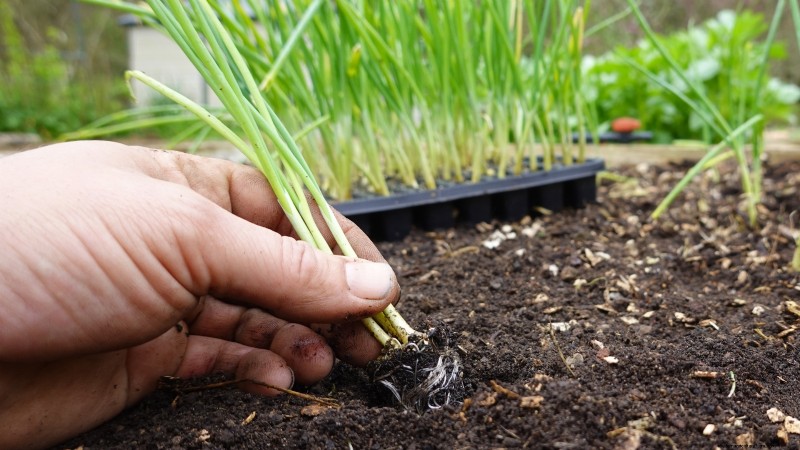 Plant onions in rows with proper spacing.
When onions bulk back up after their haircut, and they’ve been properly hardened off, it’s time to get them in the ground. If you’re interplanting, plug them where you see fit in a hole 1 to 1 ½ inches deep. Squeeze them into place to secure good soil-to-root contact. Depending on the size, you may plant them in groups of two to four spaced at 12-15 inches or individually at 3-4 inches.
If you are planting them in rows, create a furrow or dibble holes at your desired spacing and plug in your transplants. The soil should be well-draining, high in organic matter, and pH between 6.0 and 6.8. Onions should receive full sun. Since onions have shallow roots, consistent and deep watering is important. Soak them with drip irrigation one inch per week if no rainfall has occurred.
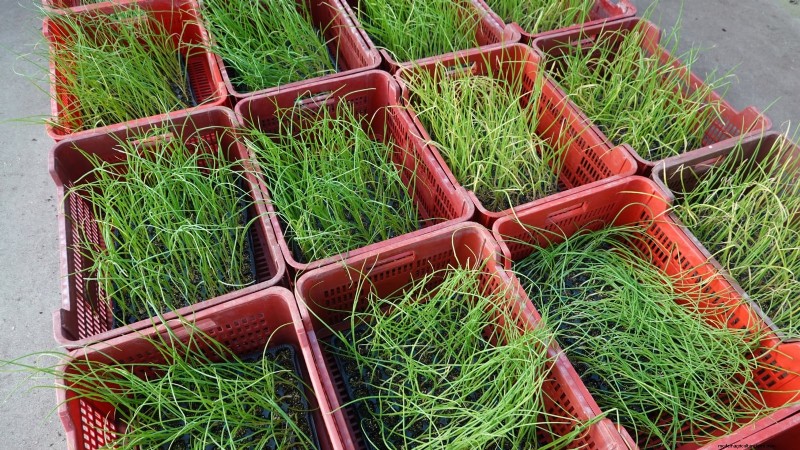 Buy from reputable sources to avoid risks
Research the growing habits of any retailer you plan to purchase from. If you grow organically, only bring in transplants that have been grown the same way.
If you aren’t sure, steer clear. Only purchase from reputable sources.
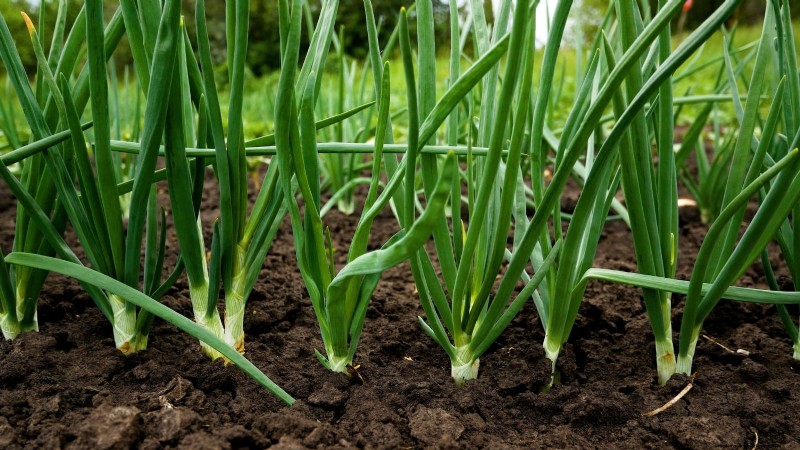 Scallions are resistant to pests and diseases but mature much faster.
If bulbing onions aren’t your thing or you didn’t start them early enough in the season, try growing scallions! I squeeze these guys in between my full-size kale, head lettuce, and alongside my snap pea fence, and anywhere else I can; companion planting at its finest.
Their strong fragrance may deter rodents and pests. Like bulbing onions, scallions have very few pests and diseases, but they take much less time. Start them from seed and pop them in all season long to enjoy this delicious add-in, no matter your zone.
Pro tip: Dehydrate chopped-up green onions and add them to soups, stews, and stir-fries all winter.
While you may think the how of deciding how to start your onions is the most important when in fact, it’s the what. No matter how onions are propagated, so long as they’re healthy and are planted in well-draining, fertile soil with lots of sunshine, they’ll succeed.
Select varieties that are known to perform well in your area and that you enjoy eating. Happy gardening!