Welcome to Modern Agriculture!

If you are just entering the wild world of gardening – or venturing into starting your own seeds for the first time – start with herbs! Some herbs are easier to grow from cuttings rather than seeds, like rosemary and lavender, which is why you don’t see these herb staples on my list. The aim here is to provide you with herbs that are easy to grow from seed, which means:
Herbs are what I call “generous plants”. Since you’re using just the leaves of the herb, they let you harvest from them again and again. In fact, the act of harvesting actually prevents pests, deters disease, and encourages more leaf production.
Note: We are not medical professionals. Always consult with your doctor before consuming herbs for medicinal use, and be sure to confirm correct identification of any herbs you consume.
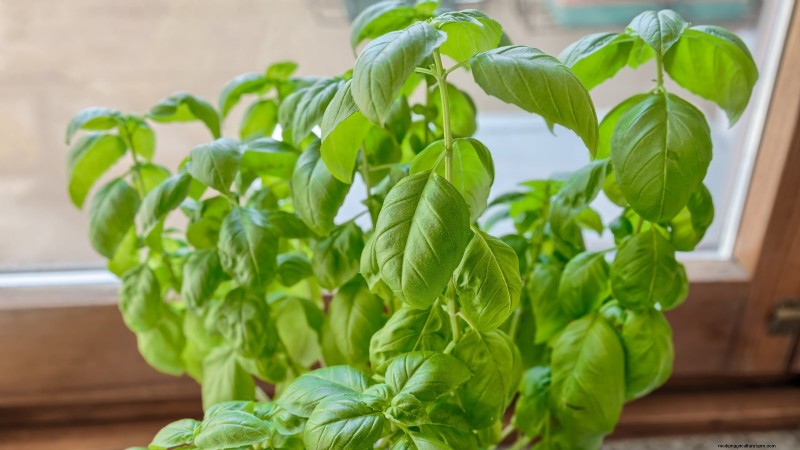 Genovese basil offers larger leaves and robust flavor when flowers are pinched.
Basil has several cultivars, with ‘Sweet basil’ being the most commonly found in grocery stores. A favorite for cooking is ‘Genovese basil’. I find it the most flavorful, with a slight peppery taste and stronger aromatics. It also has larger leaves and is incredibly prolific if you keep pinching the flowers and harvesting the leaves.
If you’re building out your tea garden, Tulsi (Holy) basil is a powerhouse herb grown for centuries in India and used in Ayurvedic practices. It has a more bitter taste than other cultivars of basil, which makes for a great cup of tea! Pollinators also love the flowers and the sweet smell they provide.
Start basil seeds indoors 6-8 weeks before the last frost. Transplant seedlings outdoors once the danger of frost has passed. Basil loves well-drained soil and consistent watering. Pinch off flowers to encourage leaf growth. Harvest regularly.
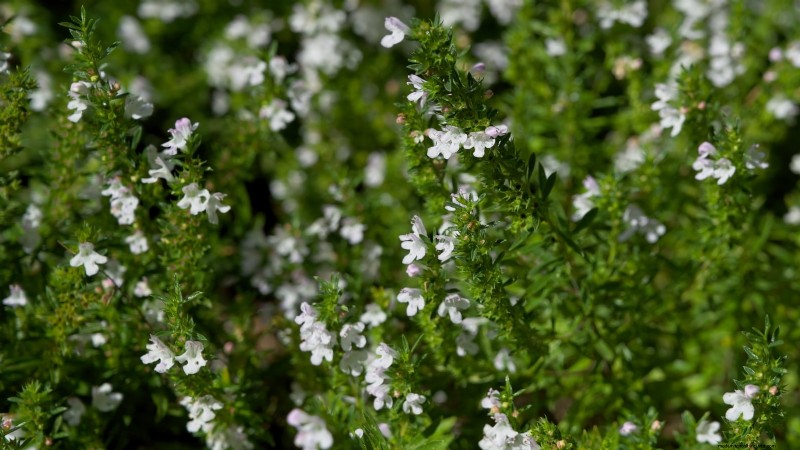 These are favored in European cuisine and believed to aid digestion.
Savory is underrated in the United States. This versatile herb elevates a myriad of dishes with its delicate flavor. Summer savory is an annual herb that is believed to stimulate digestion while adding a burst of flavor to poultry dishes, as well as stews and soups with a slightly sweet, peppery flavor.
Winter savory has a more robust, peppery flavor that is beloved in European cuisine, particularly in meat dishes. It is also used dry in sachets, potpourris, and herbal remedies.
Direct sow seeds in the garden after the last frost, spacing seeds (or seedlings) 8-12 inches apart. Choose a well-draining soil with a neutral to slightly alkaline pH. Water regularly, especially during drier periods, ensuring the soil is consistently moist but not waterlogged.
Summer savory is an annual herb, so pinch back the tips to encourage the plant to bush up. Harvest the leaves just before the plant flowers for the optimal flavor. To have a continuous harvest, sow seeds every 3-4 weeks.
Start your seeds indoors 6-8 weeks before the last frost, or you can direct sow in the early spring or late summer. As with summer savory, be consistent with watering in well-draining soil with a slightly alkaline pH. Winter savory is a hardy perennial and is low-maintenance. Prune lightly to maintain shape.
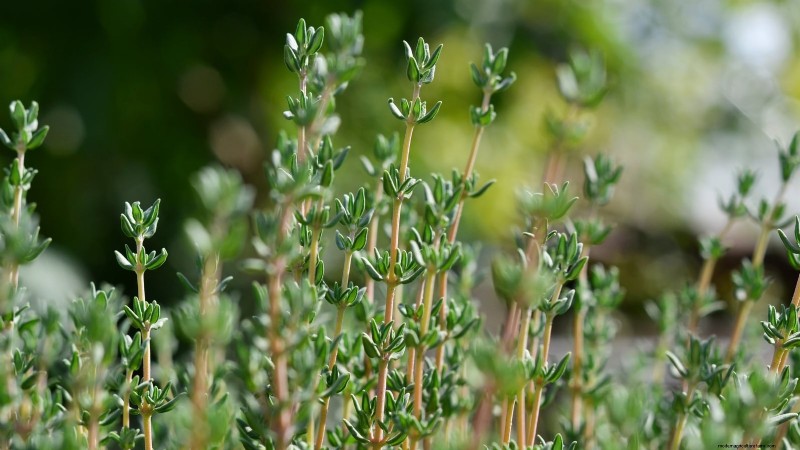 English thyme and its various cultivars are versatile herbs that enhance many popular dishes.
In the kitchen, English thyme is the most commonly found and imparts a savory and earthy flavor. There are, however, many other thyme cultivars. ‘Lavender’, ‘lemon’, and ‘lime’ thyme are just a few with varying flavor profiles worth growing for the scent alone.

Thyme pairs beautifully with a range of dishes, from roasted meats and vegetables to stews and soups. The aromatic oils are also a popular choice for infusions and herbal teas, offering a soothing and aromatic beverage with potential health benefits.
Thyme thrives in various climates and is usually an evergreen (in zones 5-9). Seeds can be sown indoors or directly in the garden. Choose a well-draining soil mix and keep it consistently moist until germination. Once established, thyme is drought tolerant.
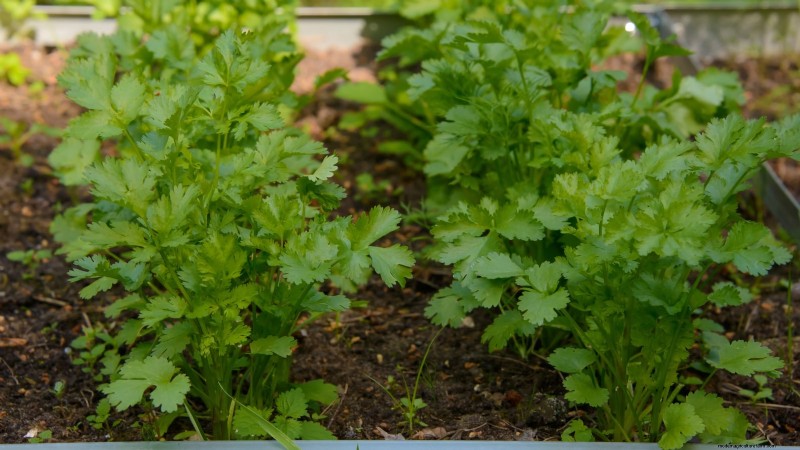 Genetic variations in olfactory receptors can make cilantro taste soapy to certain individuals.
Cilantro, also known as coriander leaves, has a fresh, citrusy taste. However, some don’t love the flavor due to genetics: some individuals have a variation in a group of olfactory-receptor genes that make the taste of cilantro perceived as soapy! For the rest of us, fortunately, we get to enjoy this herb in salsas and sprinkled in a variety of dishes.
Cilantro seeds can be directly sowed in the garden after the last frost or sown in flats six weeks before the last frost. Provide well-draining soil and consistent moisture, and harvest those leaves regularly to prevent bolting.
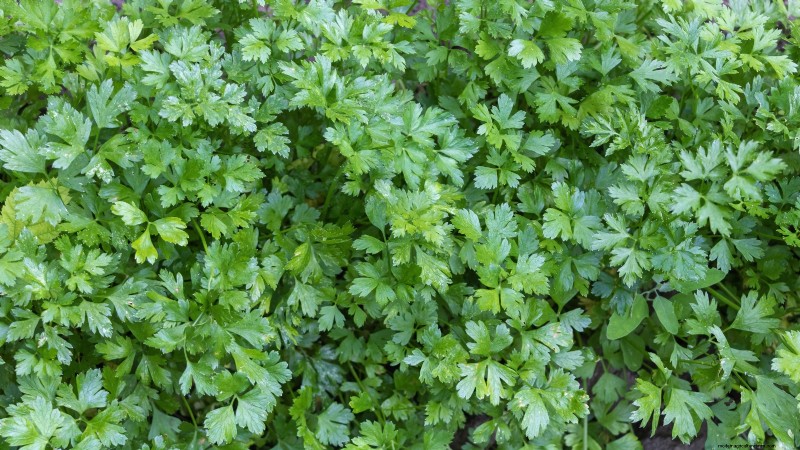 This herb offers versatile culinary and nutritional benefits beyond garnishing.
Parsley is often relegated to garnish status, but the use of it extends far beyond this role. It has a bright, fresh flavor, and adds crisp notes to salads, soups, and sauces (like chimichurri!). It’s rich in vitamins K,C, and A. Use it in teas and infusions, offering a nutrient-packed beverage.
Soak parsley seeds overnight and then plant them in rich, moist soil. Water regularly and mulch to retain moisture. Harvest outer leaves to encourage continuous growth.
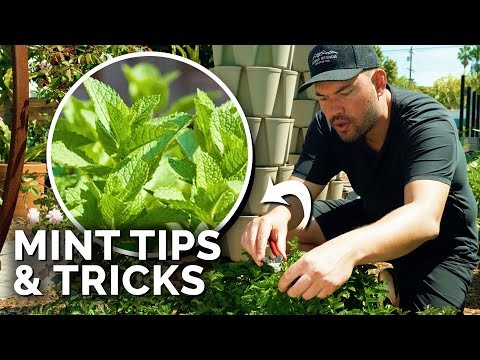
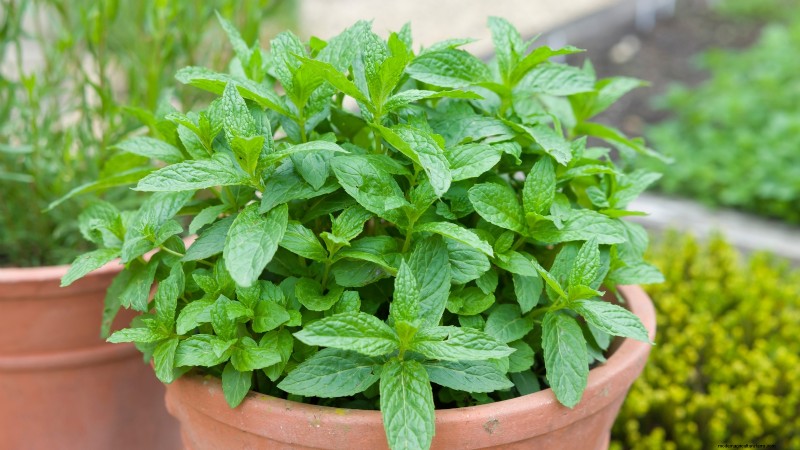 Highly versatile mint adds a burst of flavor to various dishes and drinks.
Mint is a global favorite for its versatility and delightful flavor profile. From mint-infused teas, marinades, and desserts – you’re going to get a burst of flavor with mint. Beyond the kitchen, mint’s essential oils are useful for their soothing properties, from digestion to headaches.
There are many cultivars of mint, and they are incredibly fun to work with to achieve different flavor profiles. I love ‘Moroccon’, ‘Strawberry’, and ‘Swiss Ricola’ to use for tea and infusing into simple syrup. Harvesting mint to dry for later use is incredibly easy, and once you start using it, you’ll want it all year long!
Mint is a vigorous grower, so it’s best to contain it in pots to prevent it from spreading. However, some have been successful in reigning it in. Provide rich, moist soil and water consistently. Pinch back often to achieve bushiness. Press seeds into soil indoors 6-8 weeks before your last frost date and keep evenly moist.
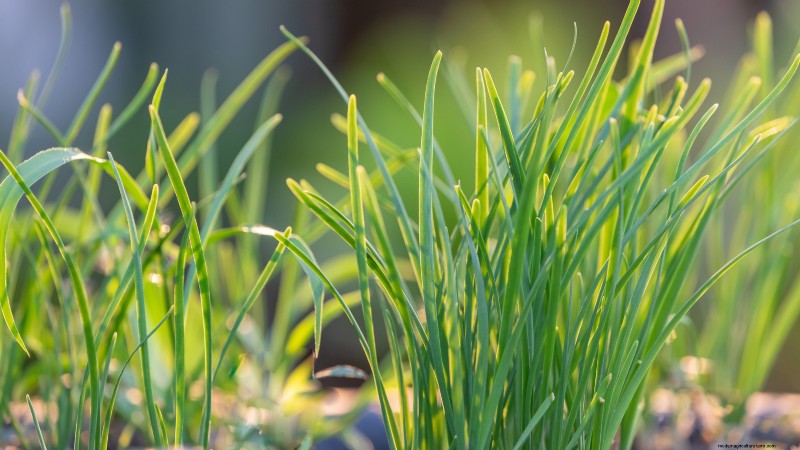 Infuse purple chive blossoms in vinegar for delicious dressings and marinades.
A subtler alternative to their larger Allium relatives, chives offer a milder alternative. There is a ‘Common’ and ‘Garlic’ variety with their own distinct flavors. The milder ‘Common’ cultivar enhances salads, dips, and omelets – though I truly love infusing those beautiful purple blossoms in vinegar for dressings and marinades.
Start indoors 6-8 weeks before your last frost date. You can also sow seeds directly in the garden in early spring in well-draining soil. Trim the leaves often, and new growth will be produced throughout the season.
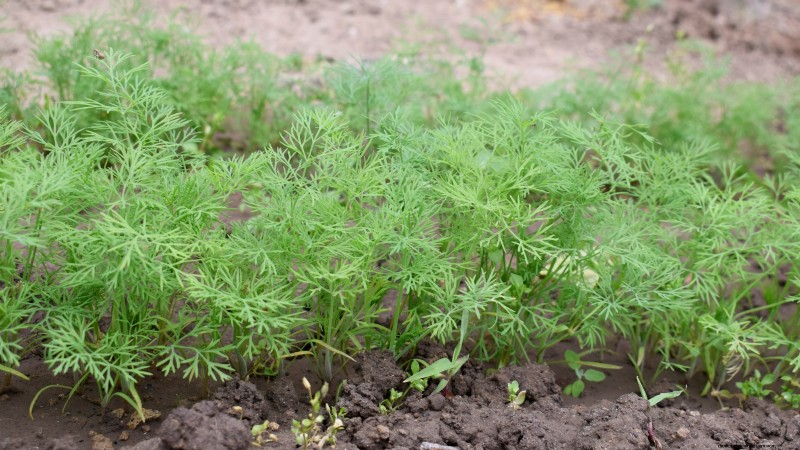 Leaves and seeds of dill herb enhance salads and seafood dishes.
Best known as a companion to pickles, dill leaves, and seeds offer a refreshing addition to salads, dressings, and seafood dishes. The word “dill” derives from the Norse word “dilla”, meaning to soothe, reflecting the herb’s historical use in calming digestive ailments and colicky infants.
You can directly sow dill seeds in the garden in late spring. Choose a location with well-draining soil, watering regularly. You’ll need to provide support for the tall fronds and long stems. You can harvest the leaves and seeds for culinary use.
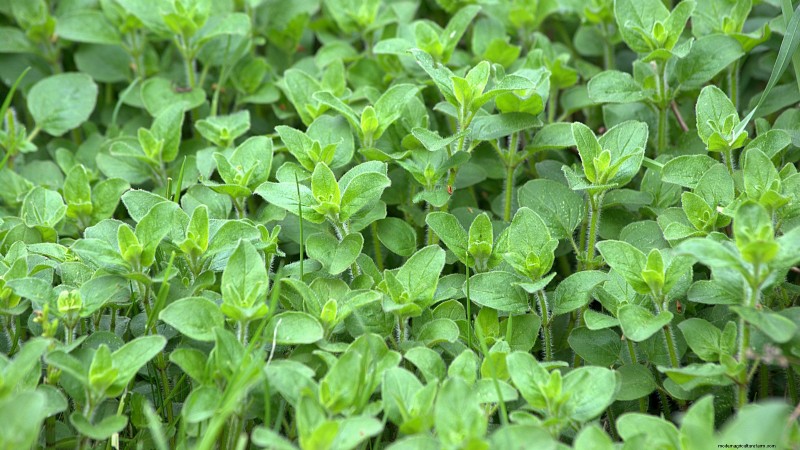 The ‘Hot and Spicy’ variety of oregano enhances the culinary experience with its intense flavor.
Aromatic with a slightly bitter taste, oregano enhances dishes from pizzas and sauces to salads and salsas. You can use oregano both fresh and dried, with the dried form often more potent in flavor.
There are several cultivars – ‘Hot and Spicy’ is one of my favorites to add an extra punch to culinary adventures. Oregano also has potential health benefits due to its antimicrobial properties and being high in antioxidants.
Start your seeds indoors 6-10 weeks before your last frost. Use a seed starting tray and barely cover the seeds. Use a heat mat to keep the soil warm to speed up germination. Once you’re ready to plant out in the garden, provide well-draining soil and water regularly until established. Prune to shape and encourage branching.
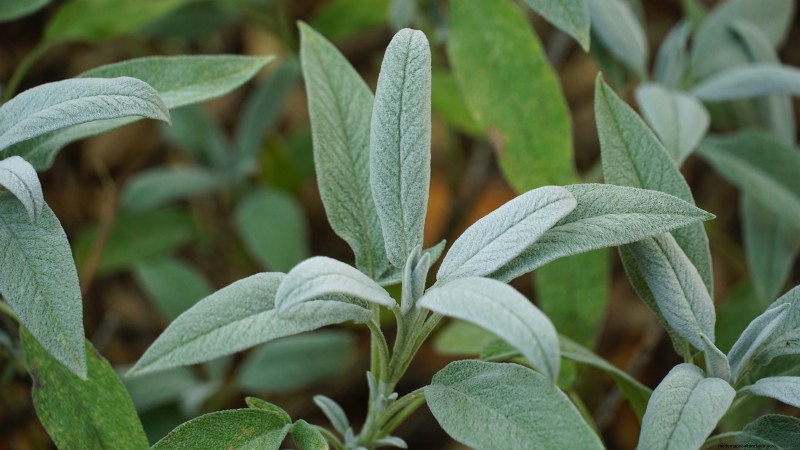 This herb enhances rich and savory dishes like poultry and stuffing.
Sage is one of those revered herbs with a history rooted in both ancient wisdom and culinary excellence that has long held a place in diverse cultures. Its scientific name, Salvia, derives from the Latin word “salvere,” meaning to save or heal, underscoring its historical association with medicinal properties.
In the kitchen, sage pairs well with rich and savory dishes, adding depth to poultry, pork, and stuffing.
Sow seeds indoors 6-8 weeks before the last frost. Sage benefits from an early start indoors to ensure robust seedlings when it’s time to transplant. Keep the soil consistently moist but not waterlogged – using a spray bottle for a more gentle watering helps to avoid disturbing the seeds. Transplant outdoors when the threat of frost has passed.
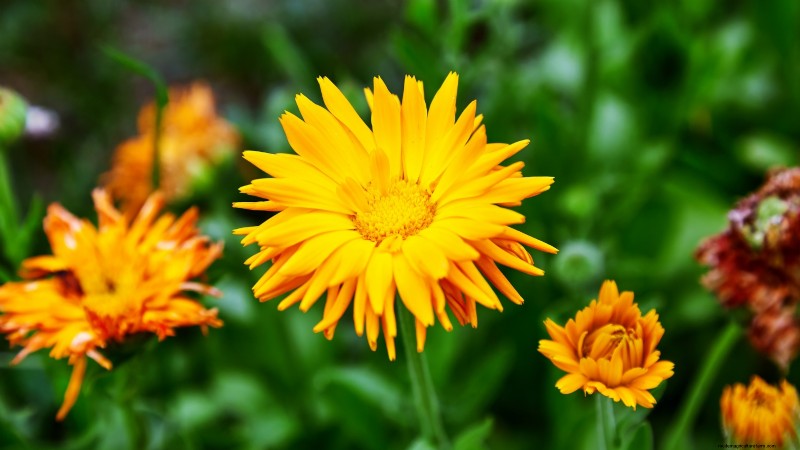 This serves as an effective repellent against pests like asparagus beetles.
Calendula has vibrant, daisy-like flowers. It’s beloved for its ornamental appeal, as well as its historical use in herbal remedies and culinary applications. Pollinators love it, too. You can find calendula in a handful of colors, from pale yellows to peach to deep orange (‘Resina Calendula’) (and best for herbal use).
Calendula is amazing at repelling asparagus beetles, nematodes, and tomato hornworms. Plant these beauties around your asparagus, beans, broccoli, Brussels sprouts, carrots, cucumbers, potatoes, pumpkins, and tomatoes.
Calendula seeds are some of the coolest around – like c-shaped little worms! You can plant them directly once you are past your last first date. You can start them indoors 4-6 weeks prior to your last frost date.
Growing anything from seed can seem daunting, but the herb seeds listed here germinate well, grow strong, and will provide you with many seasons worth of culinary and herbal delight. Plus, there are so many uses and cultivars of these herbs that you will never bore of them. Happy gardening!


