
Welcome to Modern Agriculture!

Beans are nitrogen-fixing plants that absorb nitrogen from the air and store it in the soil through nodules on their root systems. Growing beans is a simple way to enrich your garden soil and support the plants growing nearby. With the right companion plants for beans, you can enjoy a far more bountiful harvest.
Companion planting is a helpful nature-based strategy that supports healthier growth when the right species grow together. Some plants do not thrive side by side, while others work in harmony and offer each other valuable benefits.
Below, you will find companion plants that make the most of the legume’s nitrogen-fixing roots while giving something back to your bean crop.
Alaska Variegated Nasturtium

Alaska Variegated Nasturtium Seeds
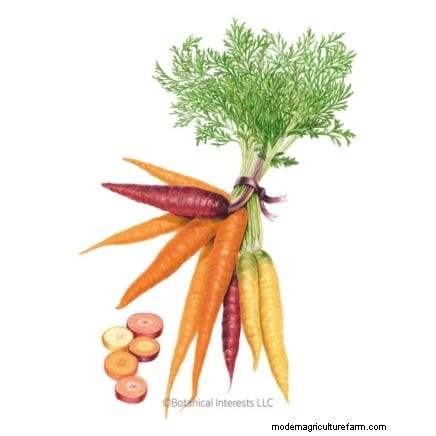
Carnival Blend Carrot Seeds
Benary’s Giant Blend Zinnia
Benary’s Giant Blend Zinnia Seeds
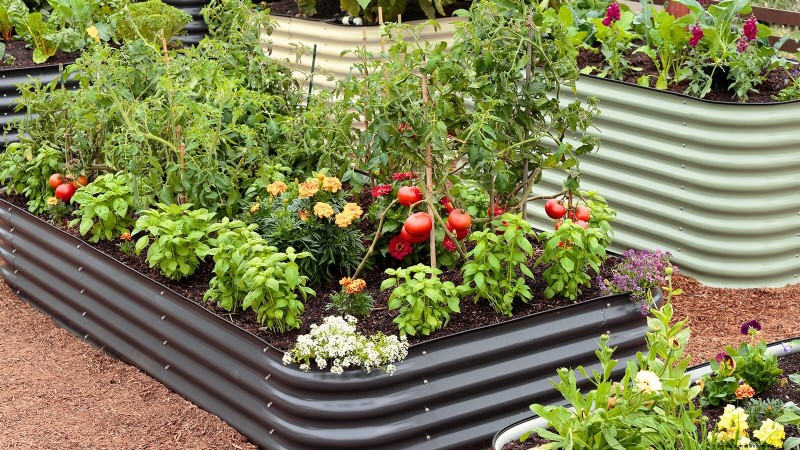 Intercropping is a system that allows plants to work together.
Companion planting allows plants to work together to maximize their success. Modern backyard gardening often separates plants into types. You might have a bed for tomatoes, a bed for beans, and a bed for flowers. It looks organized, but it is not always efficient.
When beans, tomatoes, and flowers grow together in one bed, the beans give the tomatoes and flowers a nitrogen boost, the flowers attract pollinators, and the tomatoes provide shade for the beans and flowers. Each plant supports the others, and you will likely see a bigger harvest as a result.
It is important to research what each plant brings to the garden before planting them in a shared bed. Some may attract pests that harm others, and a plant that prefers plenty of water will not pair well with one that thrives in dry soil.

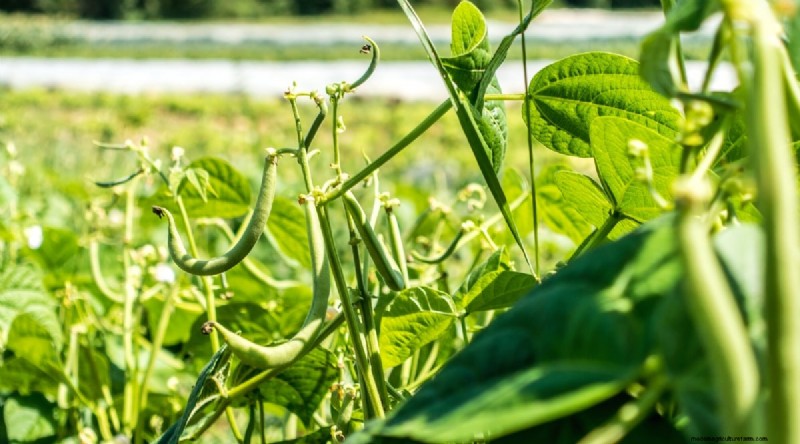 A bean plant contributes nitrogen to the garden and can provide shade and ground cover.
What will a bean plant contribute to the garden? Overall, it’s an agreeable plant that will do well beside almost any vegetable.
The most obvious benefit of legume crops is their nitrogen-fixing capability. These crops are proven to improve soil nitrogen availability. You will not need to fertilize much because beans create their own fertility once established. When they grow next to other plants, their neighbors may benefit from that nutrient boost as well.
Beans can also provide shade and ground cover, depending on whether they are bush or pole varieties. Pole types climb trellises and cast helpful shade, while bush types spread out to cover the soil, limit erosion, and protect delicate roots.
Like any other nutrient, too much nitrogen can be a problem. Nitrogen drives leafy growth, and excess amounts will push plants to produce more foliage and fewer flowers or fruit.
Once your beans are established, ease up on nitrogen applications so you do not add more than the garden needs. The beans will not use it, and while your other plants may benefit from some nitrogen, you do not want to overload them.
If you like to grow a lot of legumes, bean plants can contribute to a Mexican bean beetle problem. These beetles are relatives of ladybugs and look quite similar, but they eat legume foliage instead of pests, so you won’t want them around.
There are many plants you can grow with beans, and you will have no trouble finding ideal companions for your vines. Here are 35 plants that grow happily alongside this useful legume.
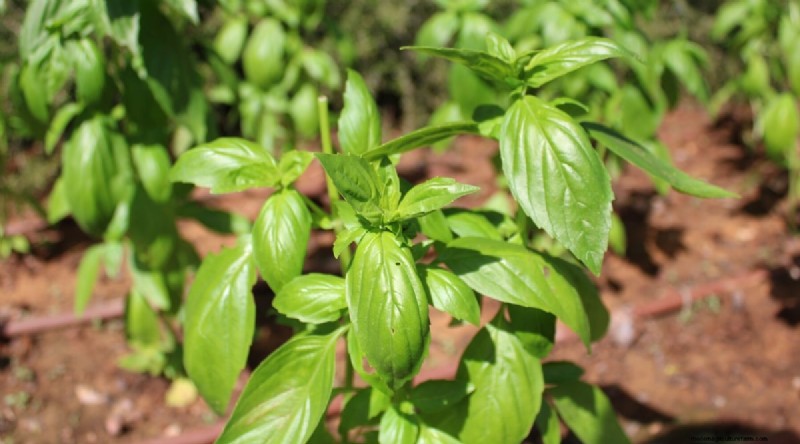 Growing basil with beans promotes leaf production thanks to the nitrogen boost.
Basil and beans are a no-brainer—the goal is lots of leaves! Beans provide the nitrogen boost basil needs to produce plenty of fragrant growth.
Consider growing a pole variety on trellises and planting the basil in front with a bit of space for airflow. Bush varieties also work, but you will need more room between the plants.
Basil can help repel several types of flies, including mosquitoes, which makes it a great addition to any garden.
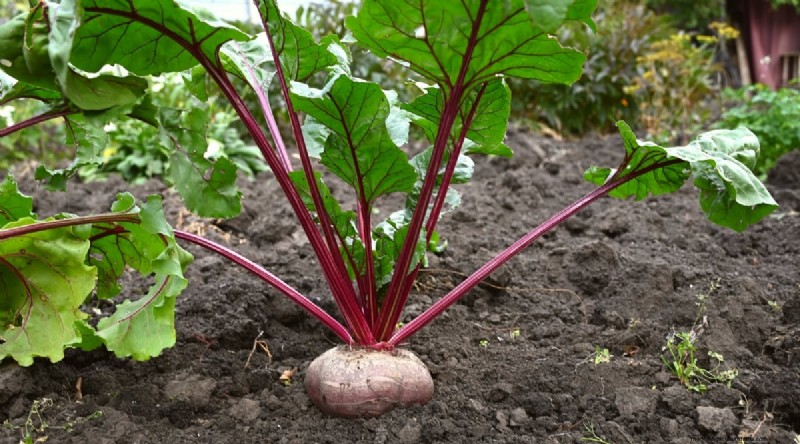 Bush beans are a suitable companion for beets, providing nitrogen.
Bush beans and beets work well together, but it is best to keep pole varieties away. Pole types grow more vigorously and will shade your beets too much. They can also tangle with beet foliage or roots and stunt growth.
Bush varieties will not vine around beet greens or block out too much light, which makes them a better pairing for bean companion plants. The beets will also appreciate the nitrogen supplied by the legume roots.
 This beautiful edible flower adds color to your garden and serves ecological and culinary purposes.
Borage is a pretty star-shaped purple-blue edible flower. The plant is often used for medicinal purposes, but you can eat the flowers and leaves in salads or cook them. It adds a gorgeous pop of color to any vegetable garden.
It is a good neighbor for beans because it attracts pollinators and helps deter pests that target legumes. It is a pairing that truly works.
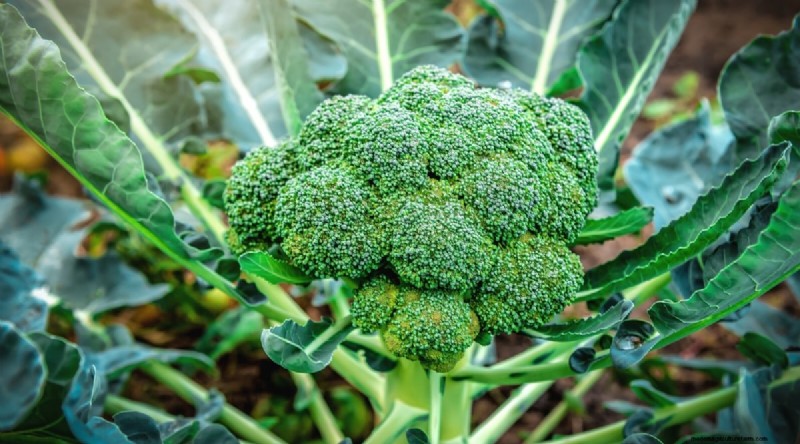 Bush beans are suitable companions for broccoli, as they won’t crowd or choke it out.
Broccoli can take up quite a bit of space with its foliage, but you can still companion plant with it. Bush varieties are the best choice because they will not develop vines that could choke out the broccoli.
A simple way to space these bean companion plants is to alternate rows of broccoli and beans. This gives every plant enough room so the bed does not become overcrowded. You can also plant bush beans along the perimeter of your broccoli bed, but the central broccoli plants will not receive the full benefit of the nitrogen-rich roots.
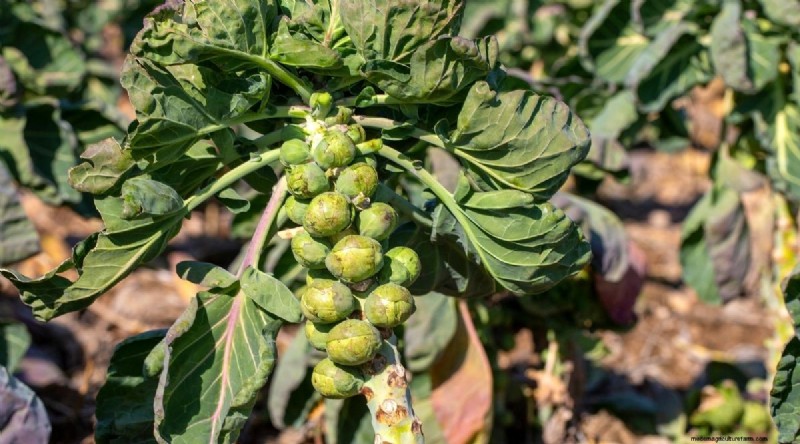 Brussels sprouts make good companions for bush beans, providing shade, but pole beans should be avoided.
Brussels sprouts are another good match for bush beans. These plants grow a little taller, so they can provide helpful shade for bush beans. Pole varieties will try to climb them, so it is best to avoid those.
Because Brussels sprouts develop most of their foliage at the top, they do not cover as much ground. You can plant beans a bit closer than you would with broccoli, which is useful if you are working with limited space. Just keep them in separate rows to prevent issues that come from planting too closely.
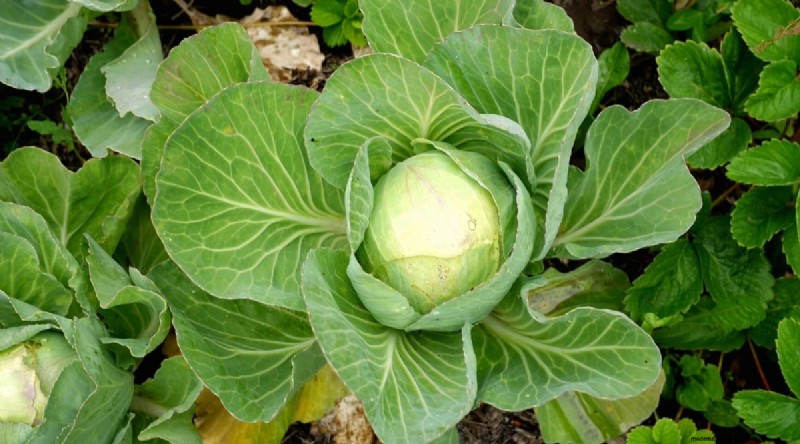 Cabbage benefits from bush beans, so consider alternating rows of cabbage and beans.
Cabbage can take up a lot of space, but it benefits from bush beans, so it is worth finding a way to grow them together. As with broccoli, alternating rows of cabbage and beans helps ensure everything has enough breathing room.
Cabbage is grown for its leafy greens, so legumes are a great match because they supply nitrogen. Just remember that the window for growing this pairing is limited. Beans prefer warm weather, and cabbage thrives in cooler conditions. For a fall planting, the timing works well. When the beans begin to slow down, the cabbage plants start to bulk up and take over more space.
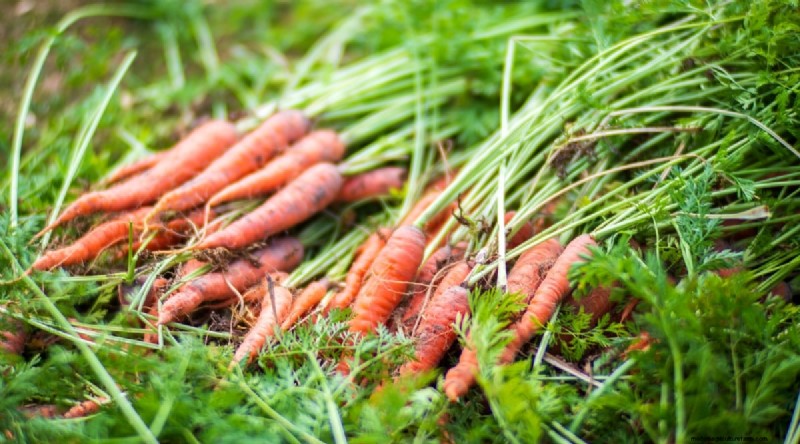 Beans and carrots are beneficial companions as beans improve soil quality and provide nitrogen for carrots.
Beans and carrots make great neighbors because they support each other in several ways. Carrots need healthy, loose soil so their taproot can grow deep, and beans help improve soil structure while adding nitrogen.
When carrots flower, they attract ladybugs that feed on aphids. Aphids target legumes and many other garden plants, so adding a few carrots can help draw these pests away. The aphids will gather on the carrot tops, which reduces the damage they cause to your beans.
The roots of these two crops do not interfere with each other much, so you can plant them fairly close together to make the most of your space. Just keep an eye on the carrot tops, which can become quite leafy, to ensure the bed does not become overcrowded.
 Planting catnip near beans attracts beneficial insects and repels bean beetles.
If you don’t mind potentially attracting neighborhood cats, you will want to plant catnip near your beans. Catnip attracts beneficial insects like bees and butterflies, which help beans develop pods. It also helps deter several types of bean beetles that can cause serious damage.
Unless you want the nitrogen benefits, you do not need to plant these bean companion plants directly beside this legume. Grow it at the ends of rows or in nearby planters and containers to repel pests and attract pollinators.
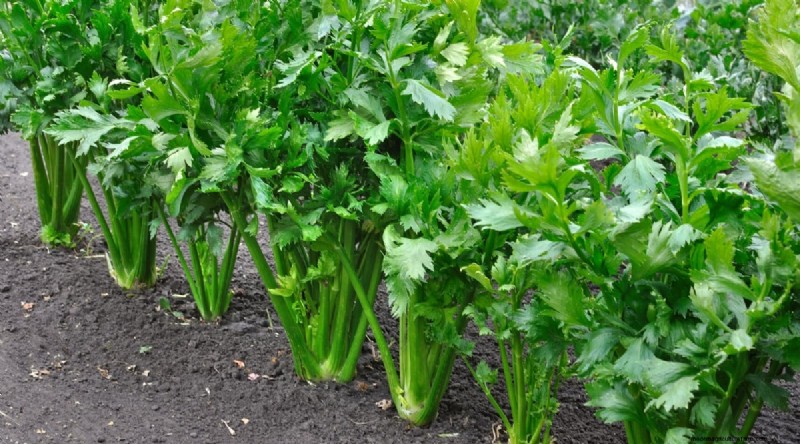 As a heavy feeder, celery can be planted alongside both bush and pole beans.
Celery is a heavy feeder that needs plenty of nitrogen, so it pairs well with beans. Both bush and pole types work with celery. Just guide pole beans up a trellis and leave enough space between the plants so they do not wrap around the celery.
The beans benefit from this pairing too, since celery can help repel bean beetles.
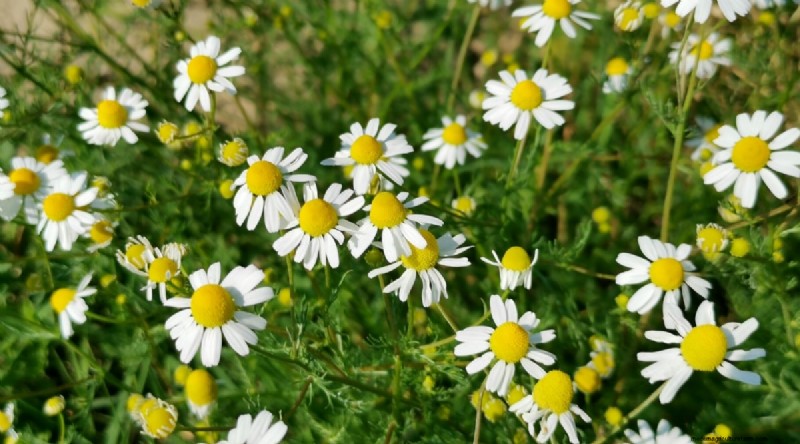 Chamomile is a valuable companion for beans, as it repels Mexican bean beetles.
If you’re not already growing chamomile in your garden, now is a great time to start. Chamomile is an excellent companion for many crops, and it is especially helpful near beans because it repels the Mexican bean beetle. You can grow it in nearby containers or in the same bed. Both bush and pole beans pair well with chamomile.
Chamomile also helps improve soil health by releasing potassium, sulfur, and calcium. When chamomile adds these nutrients and your beans contribute nitrogen, your garden bed will feel renewed in no time.
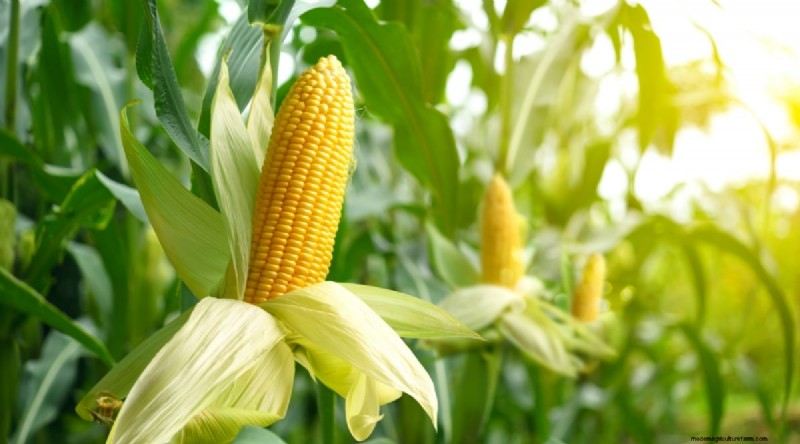 Use corn as a natural trellis for pole beans in the Three Sisters gardening method.
If you need to save money or space in your garden, let corn act as a natural trellis for pole beans. The Three Sisters gardening method used by Native Americans relies on corn, beans, and squash as companion plants to maximize benefits.
The corn should be tall and sturdy enough to support the beans once they begin to vine. The legume roots will eventually add nitrogen to the soil, which helps both the corn and the squash. Meanwhile, the squash spreads along the ground as a living mulch, making these vines perfect bean companion plants.
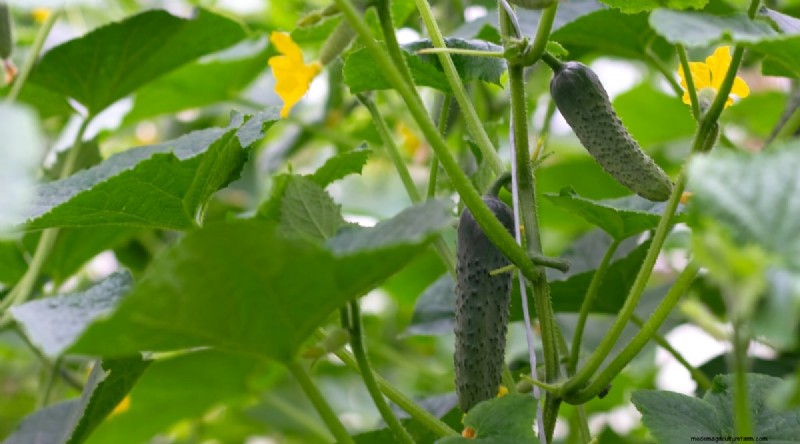 Bush beans and cucumbers thrive in similar conditions, including ample sunlight, nutrient-rich soil, and sufficient water.
Bush beans and cucumbers make a good combination because they enjoy the same growing conditions. Both prefer full sun, nutrient-rich soil, and plenty of water. Keeping plants with similar needs together makes it easier to keep them healthy and simplifies your watering routine.
You can grow pole beans near cucumbers, but pairing two vining crops is not usually the best idea. They will climb over each other and may slow each other’s growth. If you do not mind the extra upkeep, you can plant these bean companion plants in the same area and train them onto separate trellises to prevent tangling.
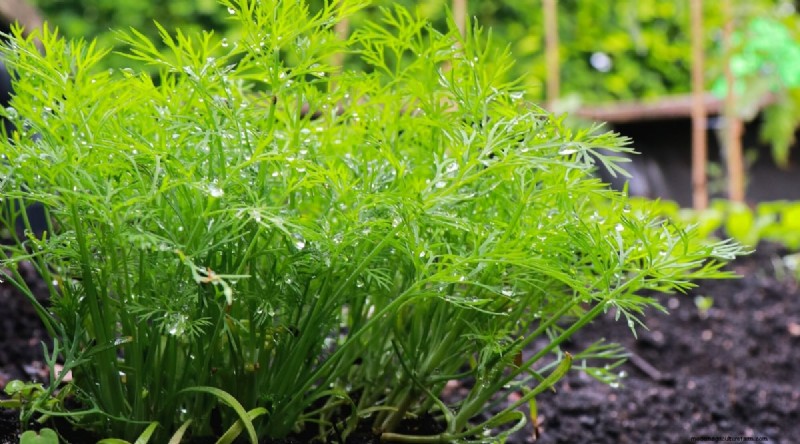 Plant dill in your garden to attract pollinators, repel Mexican bean beetles, and attract beneficial insects.
You will want to grow dill throughout your garden because it attracts so many pollinators. Ladybugs love dill as much as they love aphids, so grow plenty of it if you struggle with aphid infestations. This herb is also a valuable companion for beans because it repels Mexican bean beetles. Pair dill with chamomile, and your bean-growing efforts should be much easier.
Dill attracts hoverflies and predatory wasps that feed on aphids and other pests that target beans and many other crops. It is one of my favorite plants to grow because it is as helpful as it is delicious.
Dill can develop a bushy growth habit, especially if you sow a large cluster of seeds in one spot, as I often do. You may prefer to grow these bean companion plants in containers nearby or at the ends of rows to keep the bed from becoming too crowded.
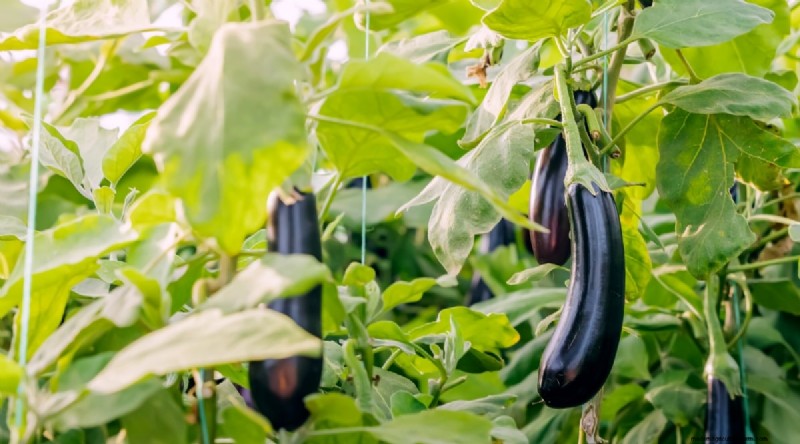 Eggplants deplete soil nitrogen, but planting beans nearby can replenish it.
Every relationship has some give and take, but eggplants are mostly takers. They are heavy feeders and can strip the soil of nitrogen. Beans make an excellent companion because they replenish nitrogen throughout the season, which means you may not need to fertilize as often.
Beans also help deter Colorado potato beetles, which love to feed on eggplants. These beetles can build up a tolerance to pesticides, so having beans nearby is a natural way to help keep them under control.
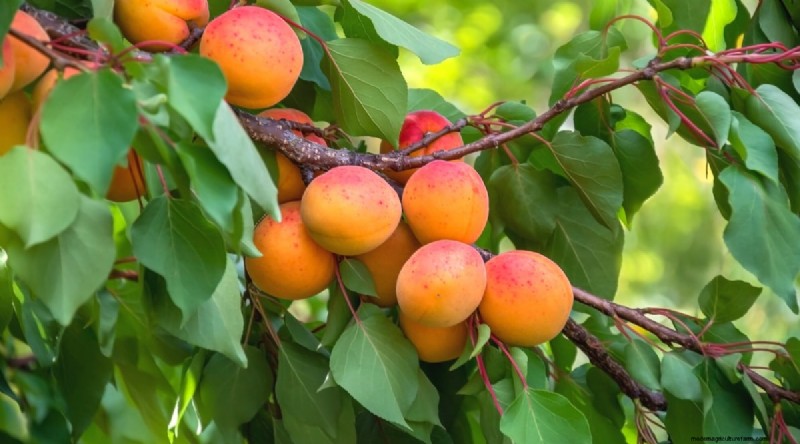 Plant bush beans around fruit trees for nitrogen and root protection.
Most fruit trees, including nectarines, peaches, and apricots, will benefit from the nitrogen that bean plants provide. Plant bush beans around the base of your tree to supply nitrogen, protect the roots, and prevent erosion. Beans will also help absorb excess water if the planting area tends to puddle.
You can use beans as a cover crop to help revitalize the soil. Before the beans begin developing pods, cut them down and till them into the soil as green manure. You can do this in spring or fall, and it will help your trees produce healthier foliage.
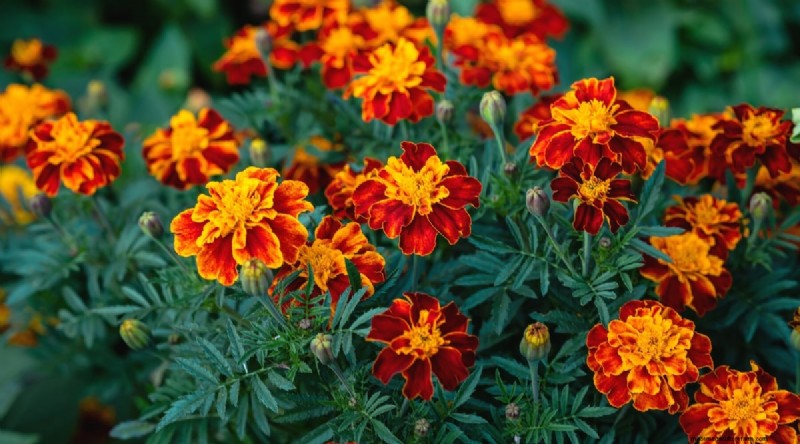 Plant marigolds to enhance garden beauty and repel pests like Mexican bean beetles.
I plant marigolds every year because they’re beautiful and tolerant of my climate’s hot, dry conditions. They also help repel pests. If Mexican bean beetles constantly bully your beans, pop in a few marigolds.
They have a compact growth habit and fit easily into small spaces. They grow taller when planted on their own and stay smaller when tucked beneath taller crops, making them versatile plants that quickly adapt to their surroundings.
For the best pest-repelling results, plant marigolds between bean plants within the rows or alternate marigold and bean rows. Marigolds get along well with both bush and pole beans as long as the pole varieties are trained up a trellis.
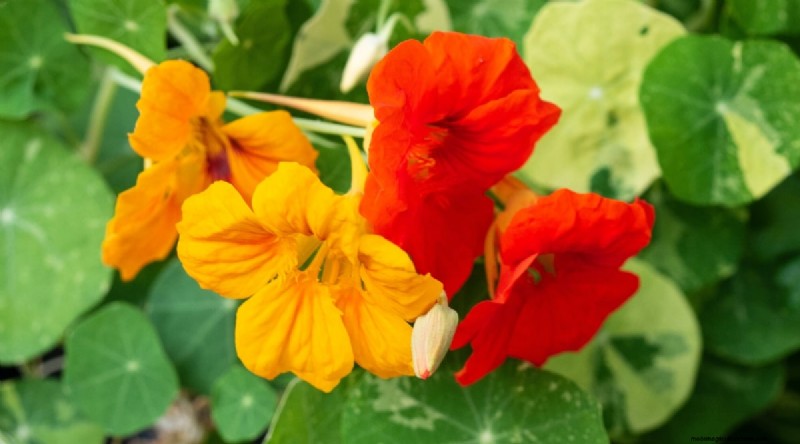 Pairing nasturtium with marigolds may deter Mexican bean beetles.
Nasturtium is another favorite of mine because of its irresistible orange and cream flowers and unique, round leaves. When you pair these with marigolds, Mexican bean beetles will not want to stick around.
These flowers grow in rounded clumps about a foot wide, so you may not want to plant them too close to your beans. I like placing them in the corners of a rectangular raised bed or growing them in containers so I can position them wherever they are needed. This gives them plenty of room to spread while still keeping them close enough to benefit the beans.
Nasturtium supports your whole garden by attracting pollinators. It also works well as a trap crop for aphids, helping draw them away from your beans.
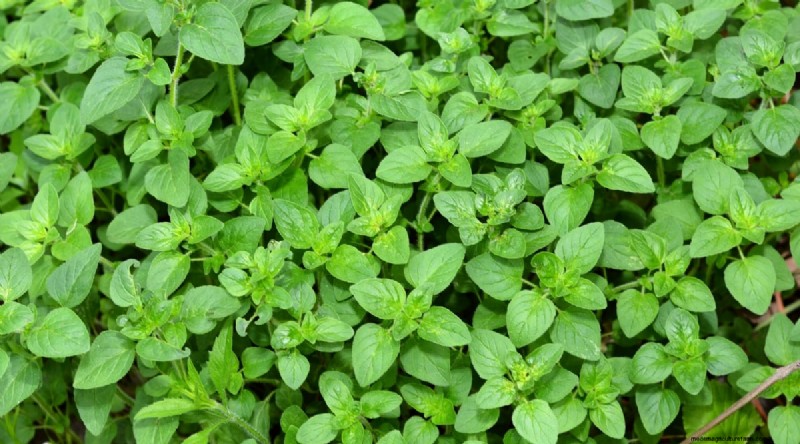 Plant oregano near your beans to attract beneficial hoverflies and repel aphids.
If you need more beneficial insects in your garden, choose oregano seeds for bean companion plants. When it flowers, it attracts hoverflies that feed on aphids. It also helps repel aphids, which will go after the sap of nearly any plant, especially your beans, so oregano is a smart choice to grow nearby.
Oregano works well in containers near your beans, but you will get the most benefits by intercropping the two. Oregano will have strong growth spurts thanks to the nitrogen supplied by the beans’ roots. While mostly anecdotal, many gardeners say that growing oregano nearby can even enhance the flavor of beans.
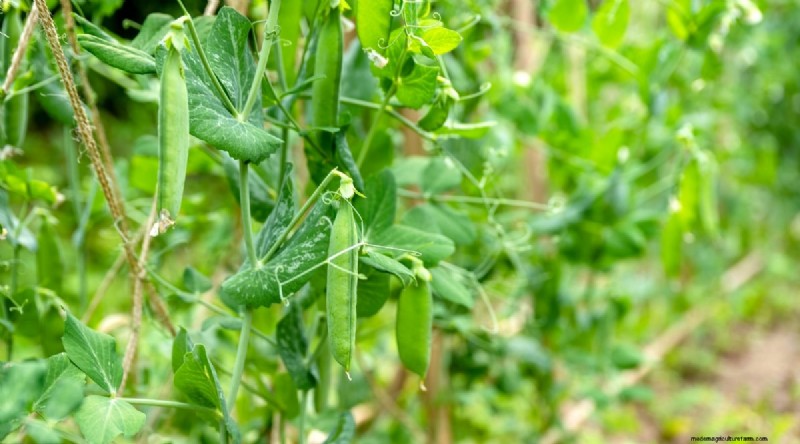 Beans and peas, although both legumes, form a beneficial partnership.
Beans and peas are both legumes, so this pairing might seem a bit redundant. In reality, they make great partners. With the right timing, you can extend your pea harvest by using beans as natural shade once temperatures rise at the start of summer.
Peas are a winter and early spring crop, so when the beans you plant in early to mid spring grow tall enough, your mature peas will receive the shade they need to keep producing.
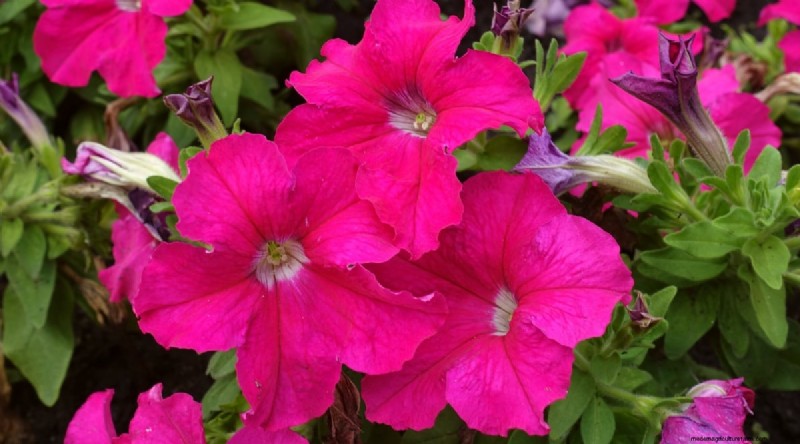 Petunias attract beneficial insects and repel various pests with colorful clusters of flowers.
Petunias grow in rounded clumps packed with blooms, making them an easy way to add a pop of color to your vegetable garden. Their flowers attract plenty of beneficial insects, which supports healthier growth throughout the bed.
They also repel many common pests. Petunias can help reduce issues with Mexican bean beetles as well as aphids, tomato worms, asparagus beetles, and leafhoppers. If pests are a problem, petunias are a reliable plant to try.
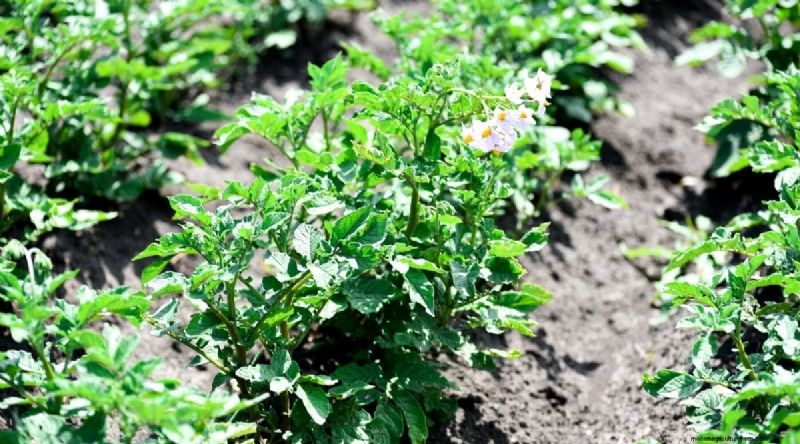 Beans and potatoes form a beneficial partnership by deterring pests from each other.
Beans and potatoes support each other well. Potatoes help deter Mexican bean beetles, and beans deter Colorado potato beetles. It is always nice when nature cooperates in the garden.
Because beans have shallow root systems, they will not interfere much with potatoes, so you can plant them fairly close together. Just remember that potatoes are not completely underground. Their bushy foliage needs plenty of sunlight.
You may want to pair potatoes with pole beans so the beans can climb upward and leave enough space for the potato leaves to grow.
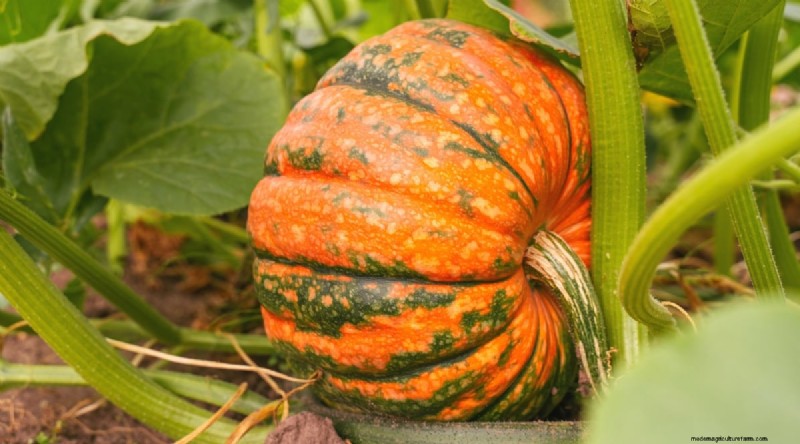 Pumpkins and beans can work together by suppressing weeds and training their vines separately.
With a bit of planning, you can grow pumpkins and beans together, even with all their vines spreading at the same time. Pumpkins are excellent at suppressing weeds because their long vines and large leaves shade the soil. Planting them near beans helps keep weeds down so the beans can thrive.
Both crops have shallow roots, so it is best to plant the seeds a little farther apart and train the vines in the direction you want them to go. If you have pole beans growing on trellises at one end of the bed, plant the pumpkins in the middle or on the opposite side and guide the vines away from the trellises.
Since pumpkins are technically a type of squash, they are a perfect fit for the Three Sisters method. Just keep in mind that pumpkins like to spread, so guide their vines carefully to prevent them from climbing into your bean trellises.
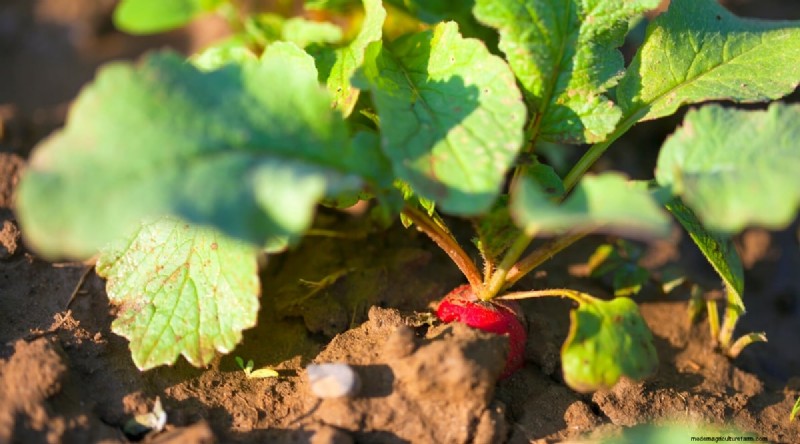 Radishes are great companions for beans as they don’t take up much space and act as weed suppressors.
Radishes work well with beans because they take up very little space and are harvested before they become intrusive. The young radish sprouts help suppress weeds around emerging bean plants. By the time the radishes are ready to pull, the beans will be several inches tall and ready for that space to open up.
If you leave enough room, you can grow radishes under the shade of beans throughout the season. Radishes prefer cool conditions and are less likely to bolt when partially shaded. Both pole and bush beans create just enough shade to keep your radish harvests going well into summer.
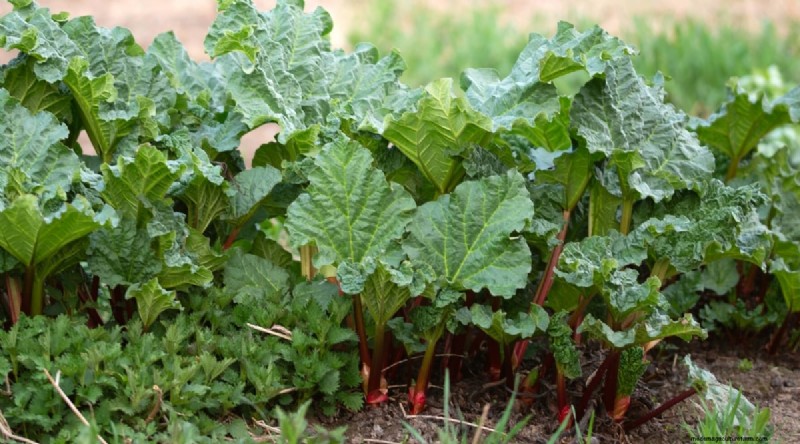 Rhubarb repels whiteflies, but be sure to give it space from beans due to its large leaves.
Whiteflies are a major bean pest that feed on the undersides of leaves, so you may only notice them once damage has already begun. Rhubarb can help because it repels whiteflies.
Rhubarb grows large leaves, so leave plenty of space between these bean companion plants. Planting them at the ends of rows or alternating rhubarb and bean rows works well. Rhubarb may shade out bush beans, but pole beans can grow tall enough to handle being planted a bit closer.
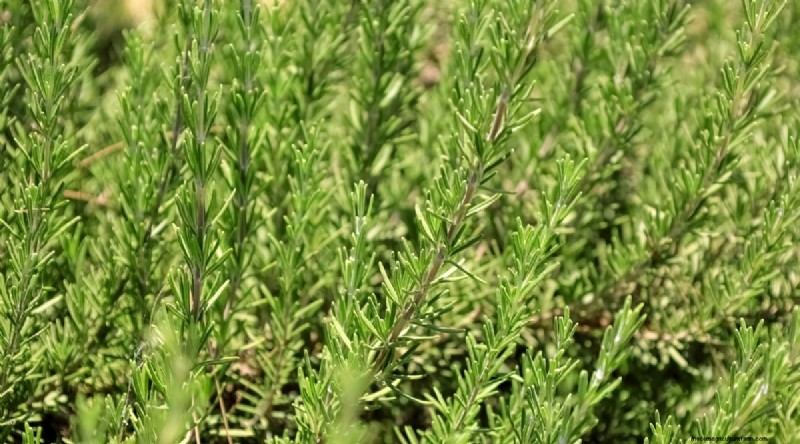 Rosemary repels Mexican bean beetles with its strong scent while benefiting from the nitrogen boost that beans provide.
Rosemary is another plant on the list of Mexican bean beetle fighters! The beetles are attracted to the scent of beans, but rosemary’s strong fragrance masks it. They also dislike the rosemary scent itself, which adds even more protection.
Like other herbs, rosemary benefits from the nitrogen boost beans provide. That extra nitrogen encourages fuller foliage, giving you larger and more frequent harvests.
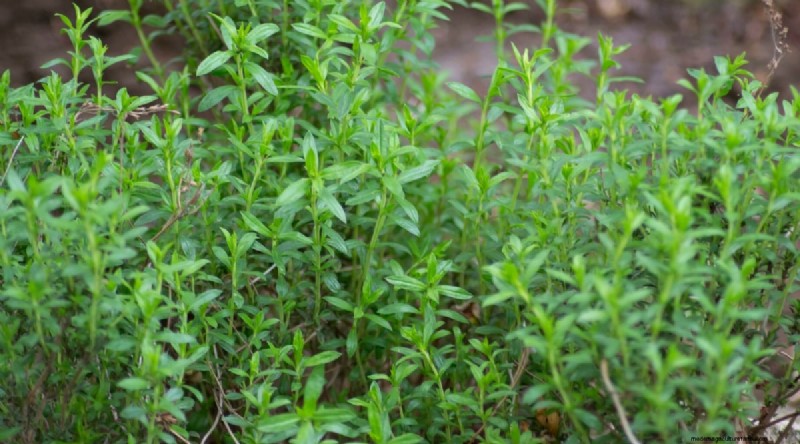 Summer savory may enhance bean flavor and repel Mexican bean beetles, making it a great companion plant.
Summer savory is often said to improve the flavor of beans, so it is worth growing them in the same bed. It also repels Mexican bean beetles and benefits from the nitrogen boost provided by beans. This is one herb you will not want to keep in a container.
Savory can grow quite large, so prune it regularly to keep it from crowding your beans. It can reach up to 18 inches tall and 30 inches wide. If you tend to fall behind on pruning and harvesting (same here, no judgment), plant savory at the ends of rows or in the corners of raised beds so it has extra space to spread.
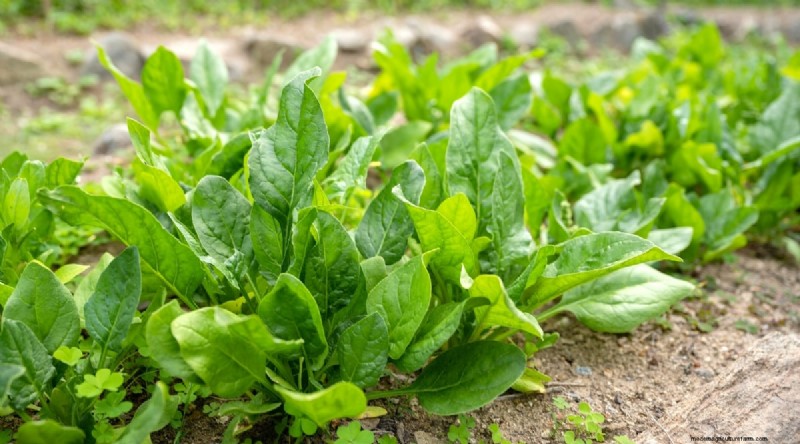 Plant sun-loving beans near spinach for shade, resulting in extended spinach growth.
Sun-loving beans pair well with spinach because they create the shade spinach needs. Spinach lasts much longer when it is shielded from hot weather, so plant it near trellised pole beans or tall bush beans to extend your early summer harvest.
Spinach also responds well to nitrogen, so the beans will give it an extra boost. Since spinach and beans have similar water needs, keeping these bean companion plants happy is easy.
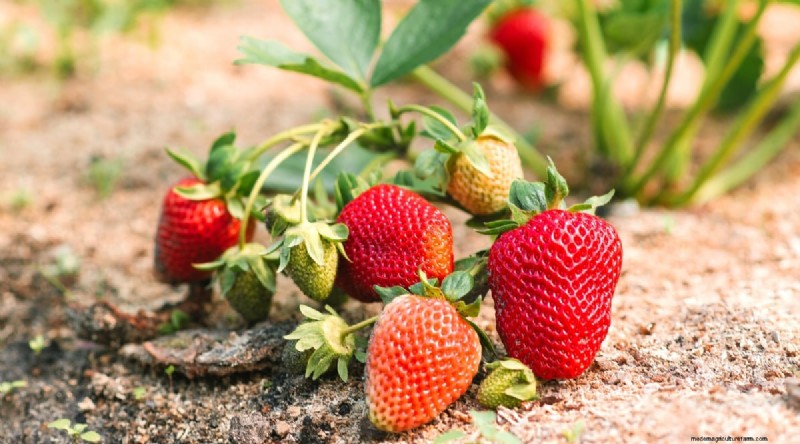 Plant low-growing strawberries near the pole or bush beans, allowing extra space for bush beans.
Strawberry plants stay low to the ground, so you can grow them near both pole and bush beans with few issues. Bush beans may become overcrowded by the strawberries, so it helps to leave a bit more space between the two. When planted with pole beans, you can simply train the vines upward so they do not spread into the strawberry patch.
Strawberries usually need plenty of water, which makes them great bean companion plants. They also attract many pollinators that will benefit your beans and anything else growing nearby. Just remember that beans and strawberries do not get along with the allium family, including onions, garlic, and leeks, so keep those crops in a separate area when planning your garden.
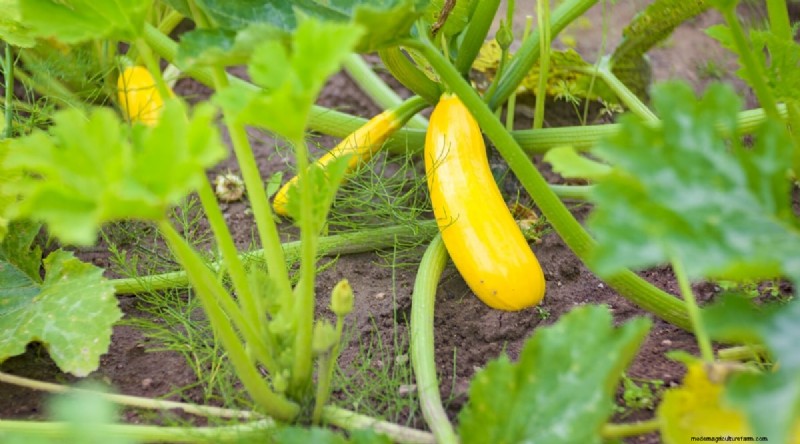 The Three Sisters method combines corn, beans, and squash to optimize space and mutual benefits.
Summer squash is another member of the Three Sisters gardening method mentioned earlier. Corn acts as the natural trellis, beans supply nitrogen, and summer squash serves as the ground cover that protects roots from sun, erosion, and weeds.
The Three Sisters method is a brilliant way to make the most of limited space and is a perfect example of companion planting. All three plants support each other, which gives you a bigger harvest with fewer issues.
Squash flowers attract plenty of pollinators, so your beans will have no trouble getting pollinated when squash grows nearby. If you do not want to use the full Three Sisters method, you can still plant beans and squash together. You will just need a trellis for pole beans or extra space for bush varieties.
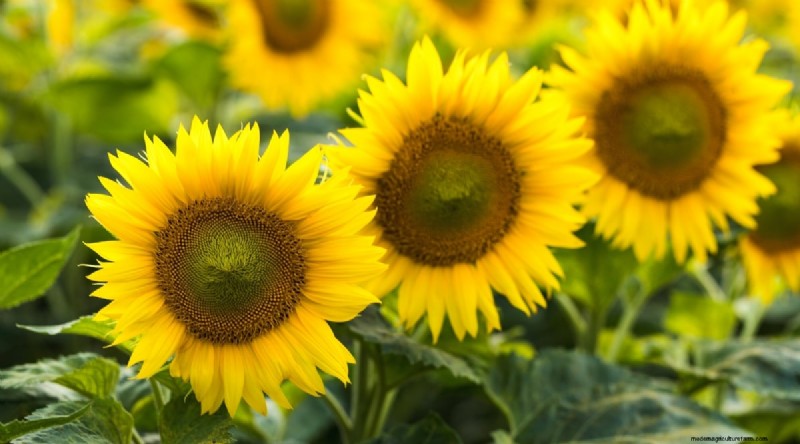 Sunflowers can serve as a natural trellis for pole beans, providing support and shade.
If corn isn’t your thing, you can use sunflowers as an alternative natural trellis for pole beans! Sunflowers grow tall and fast and are usually sturdy enough to support beans even when you start the seeds at the same time.
Sunflowers attract plenty of pollinators and provide helpful shade for beans. Beans love sunny conditions, but they still have their limits. In hot climates, a bit of shade can make a big difference. Let the broad sunflower leaves do the work for you.
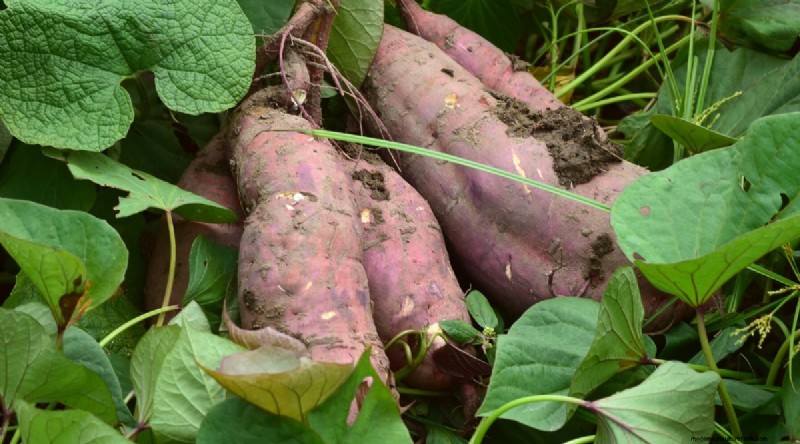 Sweet potatoes make a great alternative to squash in the Three Sisters method.
The great thing about the Three Sisters method is that you are not limited to the same three plants. Sweet potatoes are an excellent alternative to squash, and they pair beautifully with beans.
Sweet potatoes thrive with a bit of shade, which pole beans can provide as they grow up a trellis. Mature bean plants replenish nitrogen in the soil to support sweet potato development, and the spreading sweet potato vines help protect the beans’ roots.
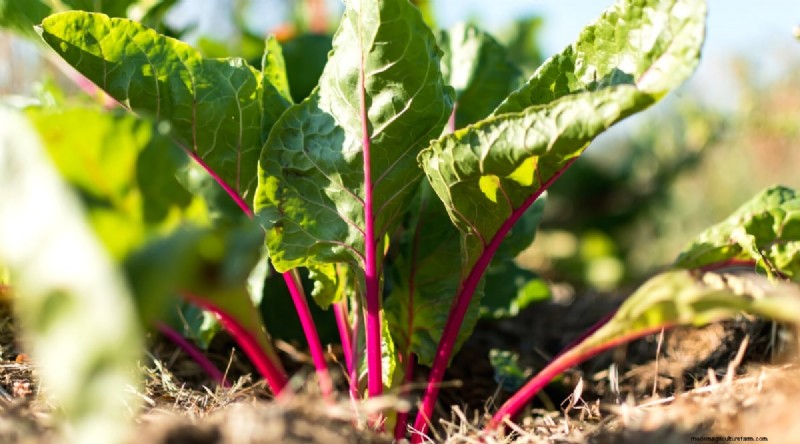 Swiss chard and pole beans make a great pair, benefiting from each other’s nitrogen and shade.
Swiss chard is one of my favorite greens to grow, and of course, I am growing it right next to my beans. They make a great pair because the extra nitrogen helps the leafy greens grow abundantly and look vibrant. Pole beans also provide a bit of shade, which helps Swiss chard last longer in the garden as temperatures warm up.
I have limited space in my garden and tend to push the limits of compact planting. My Swiss chard and pole beans are in close quarters, but they are growing beautifully. If you are working with a small space, do not worry too much about this pairing because they seem perfectly happy sharing room.
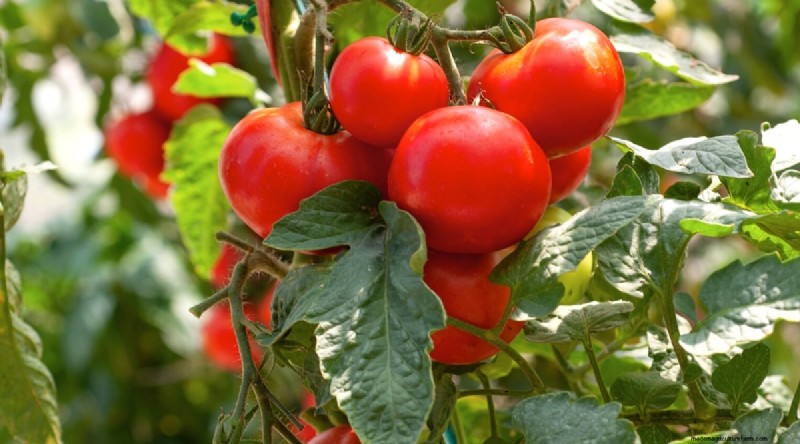 Beans and tomatoes make a successful pair, with beans benefiting from the shade of tomatoes in hot climates.
I plant beans and tomatoes together often, and it works out well. Because of the scorching temperatures where I live, beans seem to enjoy the extra shade of unkempt tomatoes when I cannot prune fast enough.
Tomatoes are heavy feeders and benefit greatly from extra nitrogen throughout the growing season.
Once the tomato plants start fruiting, they no longer need additional nitrogen. Too much nitrogen encourages foliage growth and can reduce fruit production. The beans provide just the right amount of nitrogen while the tomatoes focus on producing fruit.
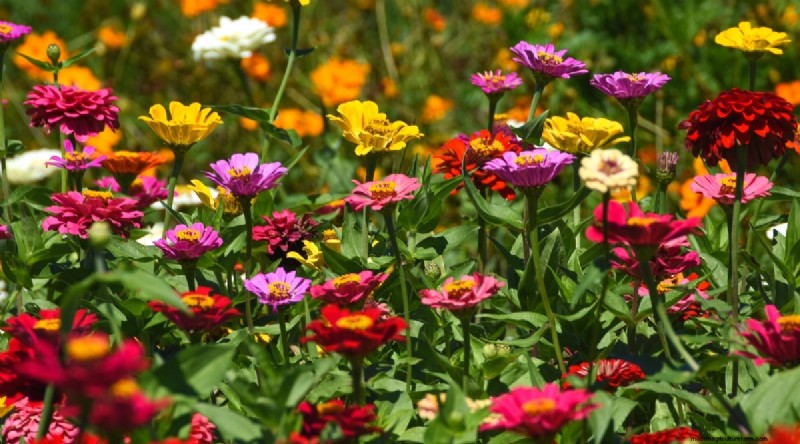 Zinnias attract pollinators and thrive when planted near beans.
You cannot go wrong with zinnias. Pollinators flock to them and love to linger in gardens full of bright blooms. Plant them near your beans to encourage strong pollination.
The nitrogen that beans add to the soil will help your zinnias grow bushier with more stems and, eventually, more flowers. Both bush and pole beans work well as companions, as long as you keep the vines from climbing over and choking your zinnias.
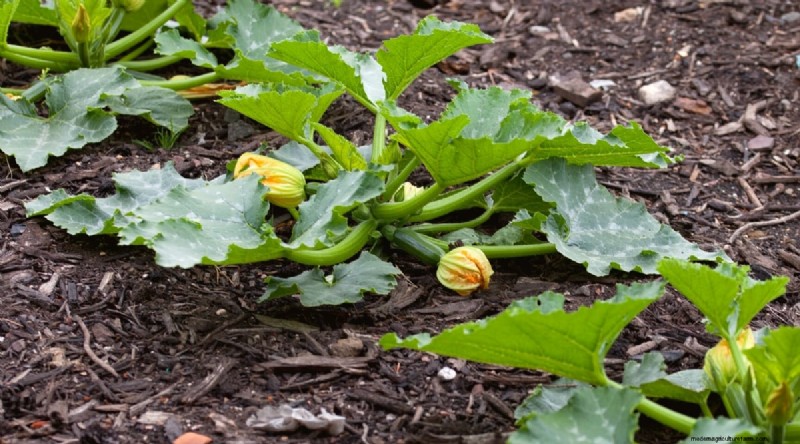 Zucchini, like squash, protects bean roots and attracts pollinators.
Zucchini works just like summer squash as bean companion plants. It protects the roots and draws in plenty of pollinators.
Zucchini also fits well into a Three Sisters style setup. If you want to try something different, grow sunflowers, beans, and zucchini together. In this arrangement, the beans give back to the zucchini by helping repel several beetles that often target the plants.
There are plenty of bean companion plants to choose from. Some pair best with bush beans, while others thrive alongside pole varieties. If you are willing to experiment a little, you will find a setup that suits your garden perfectly.


