
Welcome to Modern Agriculture!

Larry Meyers, a horticulture expert with over ten years of landscaping experience, shares actionable insights to help you grow a thriving garden.
💥 Quick Answer
The optimal window for planting blueberries in Kentucky is early spring—late March to early April—allowing roots to establish before the heat of summer.
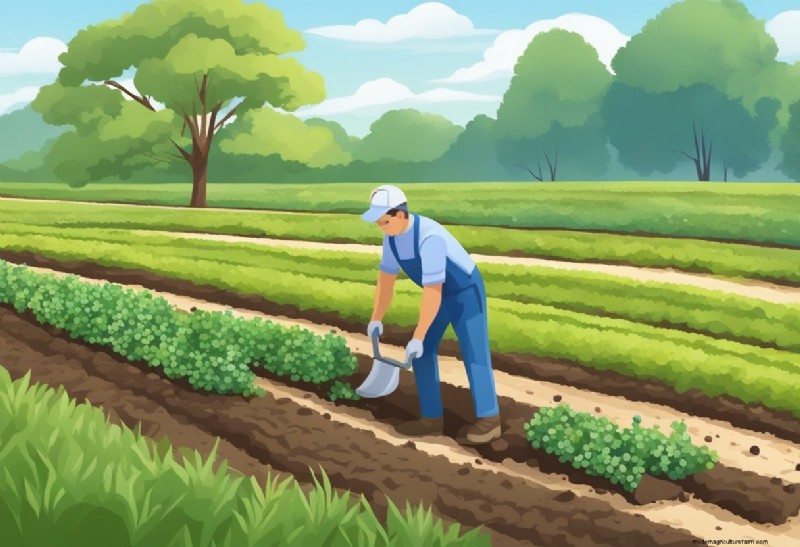
Timing is the key to a bountiful harvest. Planting during this "critical period" (the so‑called "window of opportunity") gives the plants the chance to set strong, disease‑resistant structures.
Blueberry bushes are not just a source of delicious fruit; they also offer significant health benefits and can elevate the aesthetic appeal of any garden. With the right location—full sun, well‑drained soil, and a pH of 4.4‑5.2—cultivating blueberries in Kentucky is straightforward and rewarding.
To ensure long‑term productivity, prepare the soil before planting and maintain a resilient ecosystem. If your soil requires adjustment, adding sulfur a few months in advance will help achieve the optimal pH.
Success in Kentucky depends on sound planting techniques, suitable varieties, and diligent seasonal care. Below are proven strategies.
Blueberries thrive in acidic soils (pH 4.0‑5.5) that are well‑drained. Enrich the soil with organic matter such as peat moss or pine needles, or add sulfur to fine‑tune the pH.
During early spring, dig a hole twice the size of the rootball, then backfill with a mixture of organic matter and peat moss. Fill the soil with organic matter like sawdust and peat moss to retain moisture and support root development.
Spacing of 3 to 5 feet between plants is ideal for maximizing yield and plant health.
For container or raised‑bed installations, use large pots with sufficient drainage to prevent waterlogging.
Choosing the right variety is essential. Kentucky’s climate favors high‑bush varieties such as "Bluecrop", "Duke", and "Elliot". Southern high‑bush hybrids are also suitable for warmer regions.
Prune each spring by removing dead or damaged branches to improve pollination and fruit quality. Apply a balanced 10‑10‑10 fertilizer in a band around the plant 6‑12 inches from the crown after planting.
Regular pruning reduces disease risk by improving air circulation.
Consistent moisture is vital. Aim for 1 inch of water per week, using drip irrigation to keep the foliage dry and avoid manding pathogens.
After planting, fertilize with ammonium sulfate to provide nitrogen while preserving soil acidity. Mulch with pine bark or sawdust to conserve moisture and regulate temperature.
Annual application of organic matter enhances soil structure and nutrient availability.
🚰 Water Requirements
Mandate 1 inch of water per week to keep roots hydrated.
Adhering to these detailed protocols will result in vigorous blueberry plants and generous harvests.
To elevate the commercial value of your Kentucky blueberries, focus on pest control, harvest timing, post‑harvest handling, and targeted marketing.
Birds and insects can damage crops. Netting protects fruit, while regular monitoring detects aphids and maggots. Employ organic pesticides to minimize environmental impact.
Common diseases like mummy berry and leaf spot require early intervention. Prune to reduce disease incidence, and apply fungicide during the initial infection stages. Refer to guidelines from the University of Kentucky Extension for detailed protocols.
Harvest at the optimal ripeness: fully blue and slightly soft. Pick by hand to prevent bruising.
Cool, dry storage (32 °F) prolongs shelf life. Use hydro‑cooling or rapid‑cooling techniques immediately after picking for maximum quality.
Strong branding propels success. Kentucky farmers’ markets and U‑Pick farms present direct consumer access, while self‑labeling highlights health benefits such as antioxidant content.
Tell the story of your garden—from prop to prop—to engage customers. Expand reach through online channels—social media, e‑commerce, and self‑hosting websites.
Understanding your target audience—whether wholesale or retail—ensures an efficient distribution plan.


