Welcome to Modern Agriculture!

Many new leek growers mistakenly believe a thick stalk results from widening. In truth, the white shaft becomes substantial by growing taller in the dark—blanched stem tissue thickens as it’s buried.
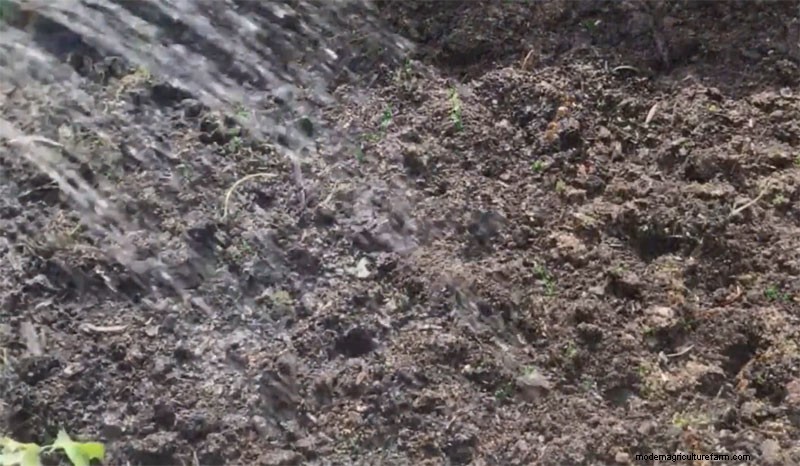
Leeks are forgiving, slow, and low‑drama—provided the early months are handled correctly. Problems such as thin stalks, rust spots, and allium leaf‑miner damage all stem from decisions made within the first six weeks, long before the plant shows obvious distress. By the time symptoms appear, you’re often treating the symptom rather than the root cause.
Bottom line: Thicker leeks result from starting seedlings early, transplanting them into deep holes (6–8 inches deep, not merely into deep soil), and progressively blanching the stem by hilling soil or using collars. Pest and disease pressure falls dramatically with crop rotation, good airflow, and avoiding overhead watering during humid periods.
What many growers overlook:
This guide is geared toward standard late‑summer/autumn harvest varieties such as “Carentan” or “Bandit,” grown in temperate climates with a defined cold season. If you’re cultivating leeks year‑round in a subtropical zone, the disease‑control section will differ substantially, and I’ll note where.
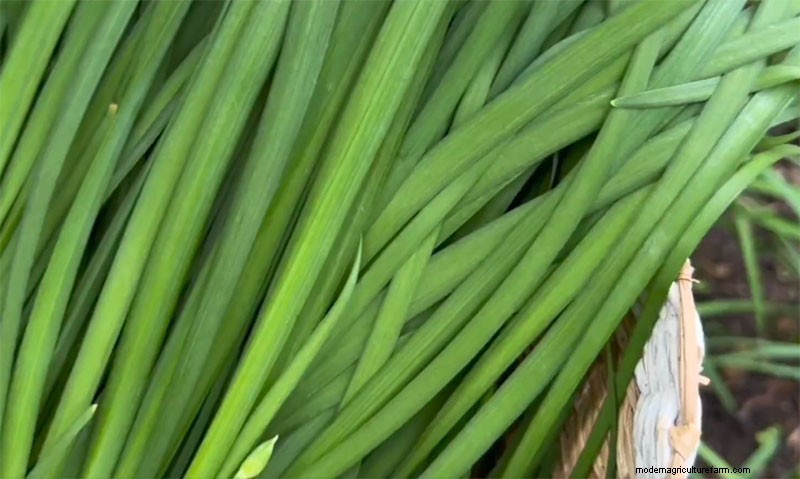
Leeks require a considerably longer head start than most vegetables. Begin indoors 8–10 weeks before the last frost, not the 4–6 weeks that some seed packets suggest for “faster” crops. Treating leeks like quick‑growing veggies is a common mistake that leads to thin stalks.
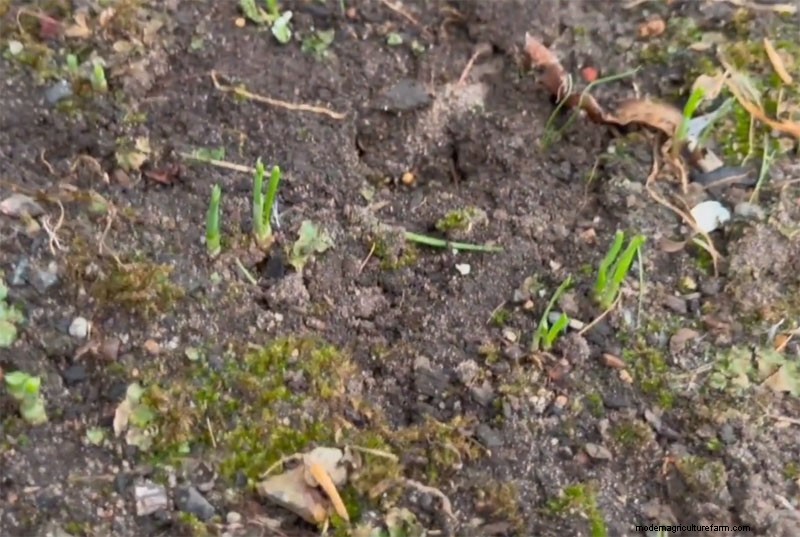
The key issue is that leek seedlings grow almost invisibly slow above ground during the first month while investing heavily below ground. Impatient growers may think the seed has failed, re‑seed (creating competing batches), or transplant too early when stems are thinner than a pencil lead. In practice, seedlings that appear “behind” at week 4 are often perfectly fine—leeks prioritize root development over visible top growth, the opposite of most seedlings, and this can throw people off.
When you start seed, sow it slightly thicker than it feels right. Leek seed germination rates are lower than expected, especially if the seed is more than a year old (allium seed loses viability rapidly, often dropping to 50 % or less by the second year). A failed germination test costs you a week you can’t afford in a plant that is already slow to establish.
One debated point: cell trays (one or two seeds per cell) versus dense seed flats pricked out later. Dense flats can tangle roots, but some growers swear that the mild transplant shock produces sturdier plants. No definitive studies settle the issue—practitioners should choose the method that best suits their handling skills.
When moving seedlings outdoors, don’t plant them at soil level as you would tomatoes or peppers. Drop each seedling into a hole 6–8 inches deep—using a thick dibber or the handle end of a rake—and avoid backfilling completely. Water the seedling in, allowing loose soil to settle around the roots while leaving most of the hole open.
This may feel counterintuitive, but the open hole provides the blanching work for the first several weeks. Filling the hole early buries the growing point in compacted soil before the stem has bulked enough to handle it.
The trench versus hole debate is context‑dependent. In loose, sandy, or well‑drained loam, a full trench that is gradually filled works beautifully—the traditional method produces excellent blanching length. In heavy clay or slow‑draining soils, a trench becomes a water‑collecting channel, and roots exposed to standing water for even a few days become vulnerable to rot. If your soil holds water after rain for more than a day, individual planting holes drain better and are the safer call, even though they’re a bit slower to fill in.
Space transplants 6 inches apart in rows 12 inches apart. Tighter spacing causes tall, thin leeks that grow upward in a panic rather than bulking outward—exactly the opposite of what you want.
Once the seedlings establish—usually 3–4 weeks after transplant—gradually fill the hole and continue mounding soil around the stems every couple of weeks throughout the growing season. This is blanching, and it accomplishes two things: it keeps the lower stem white and tender (chlorophyll doesn’t develop without light) and physically encourages the stem to thicken as it pushes up against increasing soil pressure.
A common mistake that ruins many leek crops is hilling too aggressively or too fast, or letting soil fall into the central leaf fold. Soil in the fold doesn’t wash out—it remains there, and at harvest you end up with a gritty leek that no rinsing can fix. Hill gradually in thin layers, and brush soil away from the central leaves rather than mounding it straight up the middle. Some growers use cardboard collars or slit pieces of pipe slipped around the stem instead of soil hilling—though it takes longer to set up, it eliminates the grit problem entirely and is worth it if you’ve struggled with gritty leeks before.
Feed during this window too. Leeks are heavy nitrogen feeders early (for leaf and stem growth) and benefit from potassium as they bulk up later in the season. A side‑dressing of balanced organic fertilizer or compost every 4–6 weeks keeps growth steady, avoiding the stop‑start pattern that produces uneven, sometimes split, stems.
Rust—the orange‑flecked fungal disease—still deserves attention. Provide real airflow space, avoid wetting foliage late in the day, and rotate alliums to a new bed location each year (don’t replant onions, garlic, or leeks in the same soil for at least three years; the fungal spores and several soil pests persist that long). In many regions, however, allium leaf‑miner has become the more damaging and more commonly missed problem, and the advice gap here is real—most gardening content still doesn’t mention it.
Allium leaf‑miner larvae tunnel into leek leaves and down into the stem, leaving pale, winding tracks and sometimes causing secondary rot where they’ve fed. The adults are small flies active in early spring and again in autumn, and the most effective control is physical exclusion—fine insect mesh or row cover over the bed during the two flight periods, sealed at the edges so adults can’t crawl underneath. Once larvae are inside the stem, there’s no good rescue option; prevention during the flight windows is genuinely the whole game, not a nice‑to‑have.
Thrips and onion fly are the other recurring issues, and both are reduced by the same fundamentals: rotation, not overcrowding, and keeping beds weed‑free (weeds hold humidity at soil level and give pests cover). Overhead watering in humid weather should be avoided generally—drip irrigation or watering at the base keeps foliage dry and cuts fungal pressure, especially for rust.
| Your situation | Best approach |
|---|---|
| Heavy clay or slow‑draining soil | Individual planting holes, not a continuous trench |
| Loose, sandy, well‑drained soil | Traditional trench method works well |
| History of gritty leeks at harvest | Switch to collars/pipe sleeves instead of soil hilling |
| Allium leaf‑miner active in your region | Insect mesh during spring and autumn flight periods is non‑negotiable |
| Short growing season | Start seed at the 10‑week end of the window, not 8 |
| First time growing leeks | Start with fewer plants, wider spacing—crowding is the most common beginner mistake |
Rough timeline and effort: seed starting (low effort, 10 minutes weekly for watering/light), transplanting (moderate effort, a full afternoon for a 4×8 ft bed), hilling (low effort but spread over the season, 15 minutes every 2 weeks), pest exclusion (moderate effort upfront; mesh installation takes under an hour but needs monitoring at the edges).
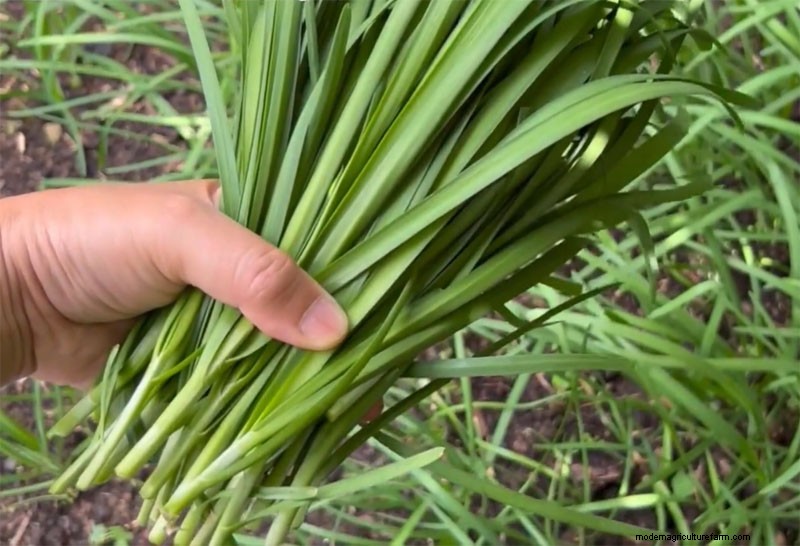
Leek‑growing advice varies more by microclimate and soil type than many other vegetables, so something that works brilliantly in one garden can underperform in another for reasons that aren’t obvious from the outside. The hole versus trench debate illustrates this: it’s not that one method is objectively better, it’s that soil drainage changes which risks dominate. If you’re experimenting, try both in a single bed one season and compare, rather than committing the whole crop to one method based on a single source.
The thickest, sweetest leeks come from a plant that was never rushed or crowded—given a long, slow start, room to breathe, and soil pushed up around it gradually instead of all at once. Get the first six weeks right, keep the central fold clean, and watch for the flies in spring and autumn rather than waiting for visible damage. Everything else is patience.