Welcome to Modern Agriculture!

Tomatoes are tropical perennials that thrive in warm, sunny conditions. Their native habitat in western South America offers consistently mild temperatures, so early planting can backfire if you’re in a region that still experiences frost or wet spring weather.
When seedlings are moved into the ground before the air temperature consistently reaches 50 °F (10 °C) and the soil has warmed to 70‑90 °F (21‑32 °C), they are exposed to cold snaps and heavy spring rains. This stresses the plants, stunts growth, and makes them more vulnerable to disease.
Tomatoes love sunshine and warmth. If you plant them too early, simply bring them indoors or protect them with a cover. The following steps can keep them alive and healthy until conditions improve.
Before you transplant, check the USDA hard‑frost date for your area and wait until the air temperature is above 45 °F (7 °C) and the soil temperature has reached at least 70 °F (21 °C). Seedlings should have at least a few sets of true leaves.
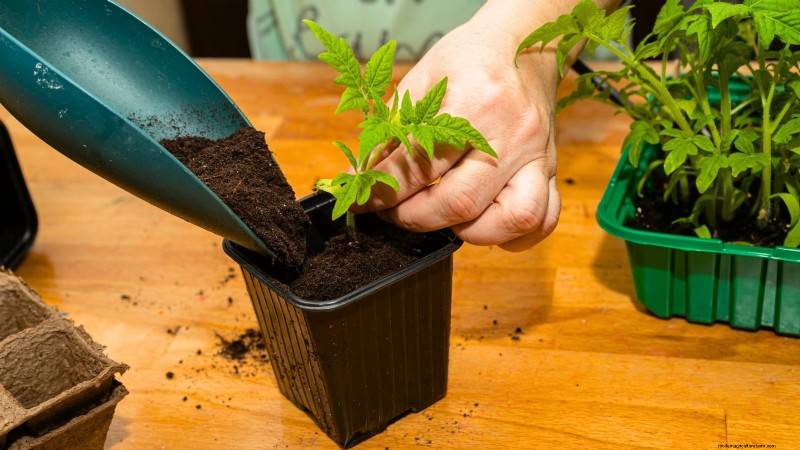 If a cold front is imminent, dig the seedlings back up and pot them in larger containers. Top with fresh potting mix, then move the containers to a sheltered indoor space or a greenhouse. This gives the plants time to recover before the outdoor conditions become favorable.
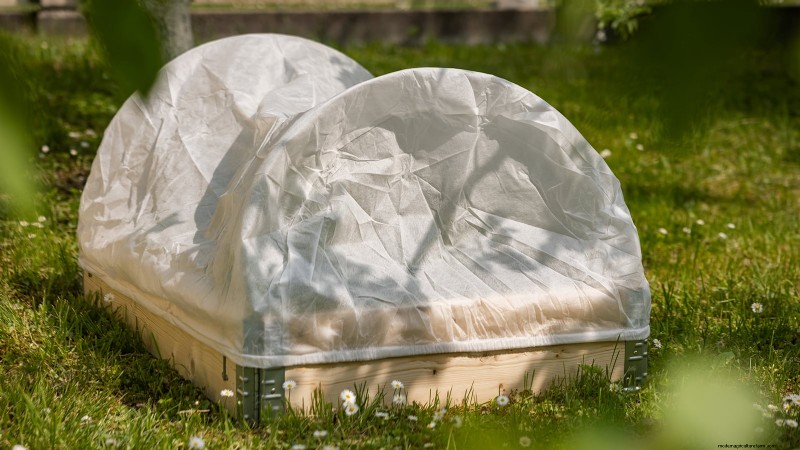 Leave the seedlings in the ground and cover them with a frost cloth, a heavy sheet, or a piece of greenhouse plastic. Use PVC or wooden supports to keep the cover off the plants and create a greenhouse effect. Remove the cover once the temperature rises above 50 °F (10 °C).
For hard freezes, an arched cattle panel or a simple greenhouse structure provides extra protection.
Leave the seedlings in the ground and cover them with a frost cloth, a heavy sheet, or a piece of greenhouse plastic. Use PVC or wooden supports to keep the cover off the plants and create a greenhouse effect. Remove the cover once the temperature rises above 50 °F (10 °C).
For hard freezes, an arched cattle panel or a simple greenhouse structure provides extra protection.
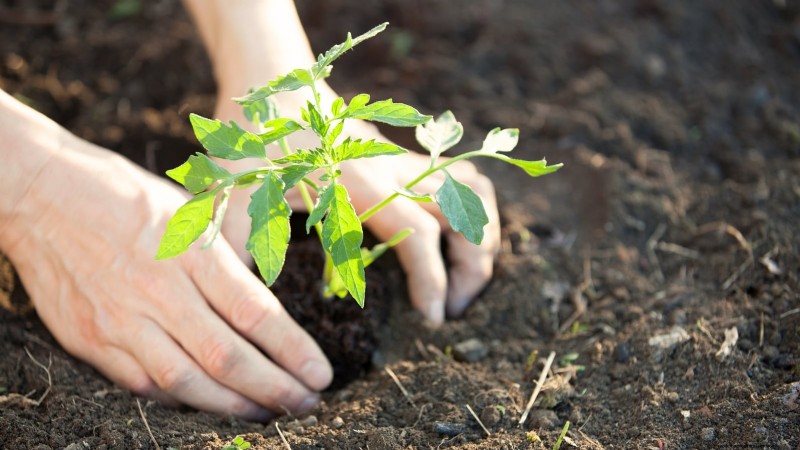 If the seedlings were planted too shallow, lift them gently and re‑plant them one inch deeper. This encourages adventitious roots, anchors the plant against wind, and places the stem in warmer soil—often up to 20 °F (11 °C) warmer than the air.
 Cold stress limits phosphorus uptake, which is essential for root development. Apply a light organic phosphorus fertilizer—such as a teaspoon‑sized amount of seabird guano per plant—followed by a thorough watering. Apply only after the cold has passed and the plant shows signs of recovery. A purpling of leaves indicates deficiency, but fertilizing stressed seedlings can exacerbate damage, so wait until they’re stable.
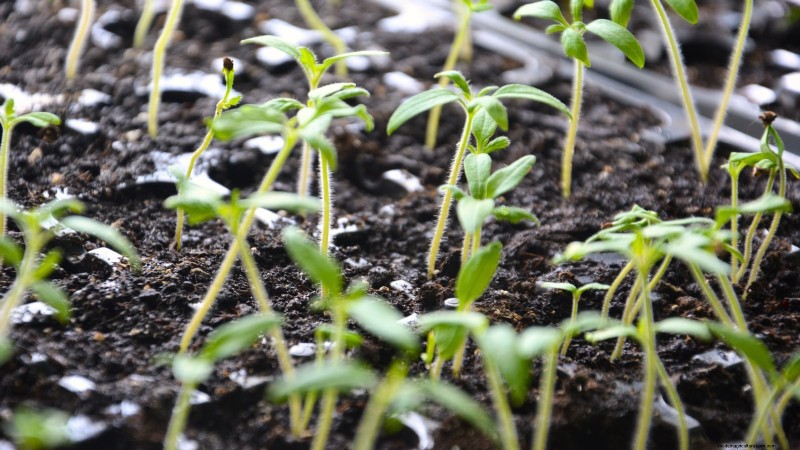 If the early planting led to seedling loss, start a new crop. Use clean starter pots, sow seeds, and keep them in a location with at least 70 °F (21 °C) and 16 hours of bright light. Once they develop 3‑4 true leaves, transplant them outdoors. Cherry tomatoes often recover better, and in warm climates you can plan a late‑summer or fall crop.
Although planting tomatoes too early can be stressful, the plant’s resilience can be harnessed with timely intervention. Repot, cover, deepen, or fertilize as needed, and once the stress subsides, your seedlings will flourish. Follow these expert steps and look forward to a sweet, acid‑rich harvest.
Watch a quick video guide on rescuing early tomato seedlings
San Marzano Roma Pole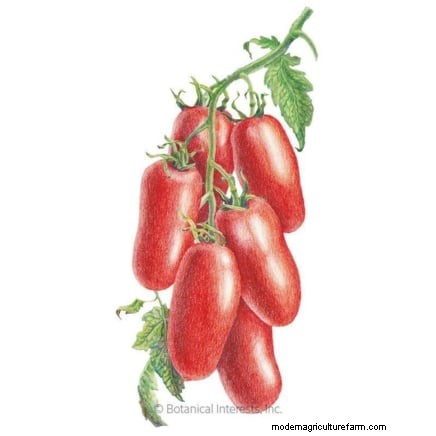
Sun Gold Pole Cherry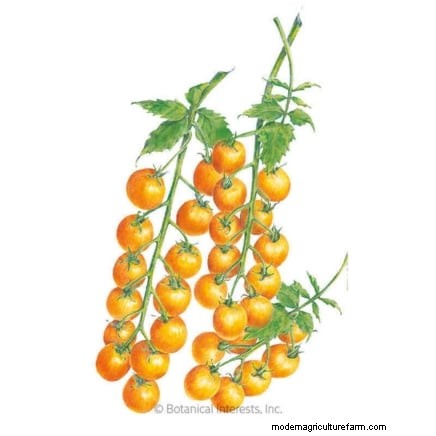
Cherokee Purple Pole