
Welcome to Modern Agriculture!

Healthy soil, generous sunlight, and reliable water supply are the cornerstone of a productive vegetable garden. How we arrange our beds reflects our personal style and the unique demands of each site. Drawing on proven layouts and expert advice, this time of year is perfect for re‑imagining your garden.
Edible landscapes marry beauty, pollinator habitat, and biodiversity while delivering fresh produce. From compact container gardens to expansive homestead beds, there’s a design that fits every space. Experiment with new varieties and remember to include edible flowers for a splash of color and flavor.
Enjoy a harvest that grows with your creative design choices. Tailor your vegetable layout to your space and aesthetic for years of bountiful yields.
Epic Garden Planner
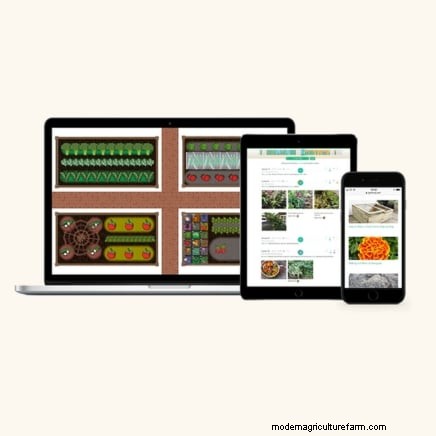
View at Epicgardening.com
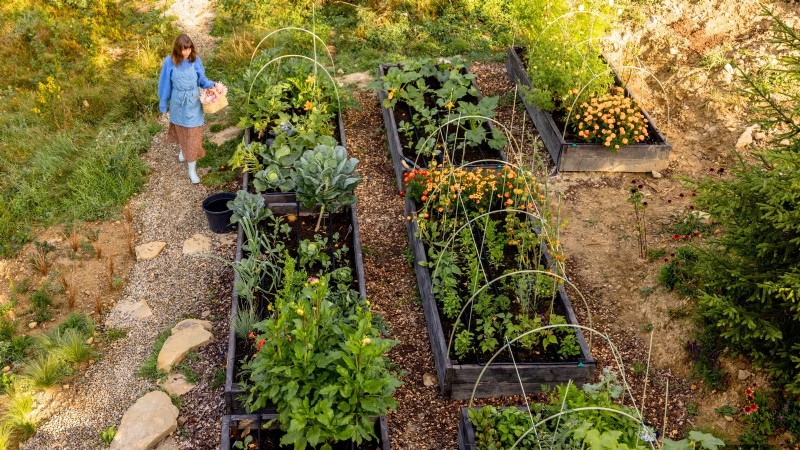
Assess last season’s layout for improvements and fresh ideas. Gardens evolve as we learn what works on our specific sites. Late winter is ideal for evaluating crop rotation, adding new structures, and planning a fresh layout if you’re starting a new garden.
Key considerations include site size, scale, and maintenance demands. Whether you use containers, raised beds, or in‑ground rows, trellises and arches can add vertical dimension and save space.
A clear plan or visual sketch guides the overall structure and detailed plant placement. It helps you account for site orientation, growing setup, and final plant layout. Below are several layout options and design tools to inspire you.

Modern garden‑planning tools simplify the process by incorporating site constraints. They let you sketch beds, choose plants, and adjust placement while automatically recommending spacing and crop combinations based on your USDA zone.
These tools ensure optimal spacing for healthy growth, visualise sprawling vines, and help you experiment with support structures and container configurations.
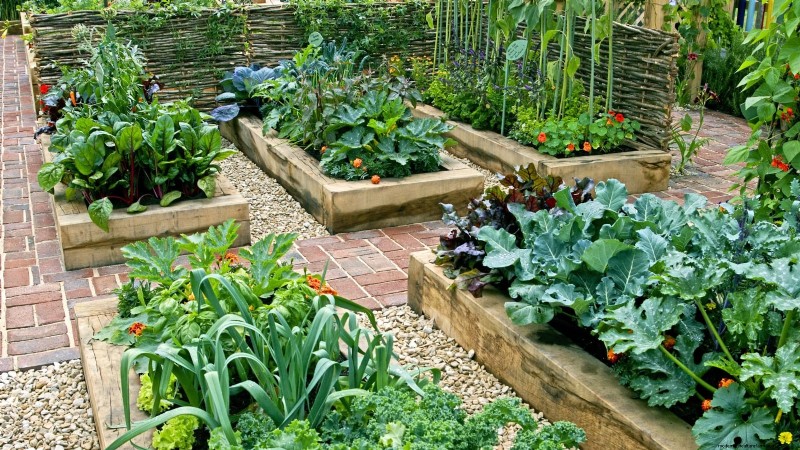
Raised beds are a versatile solution for improving soil quality, drainage, and accessibility. They are especially valuable in sites with poor soil, limited space, or no natural soil.
Whether you choose metal, cedar, or composite materials, group plants with similar light and moisture needs to maximize performance.
Raised beds reduce bending, improve weed control, and adapt easily to seasonal changes. Their varying heights and sizes enhance accessibility for all gardeners.
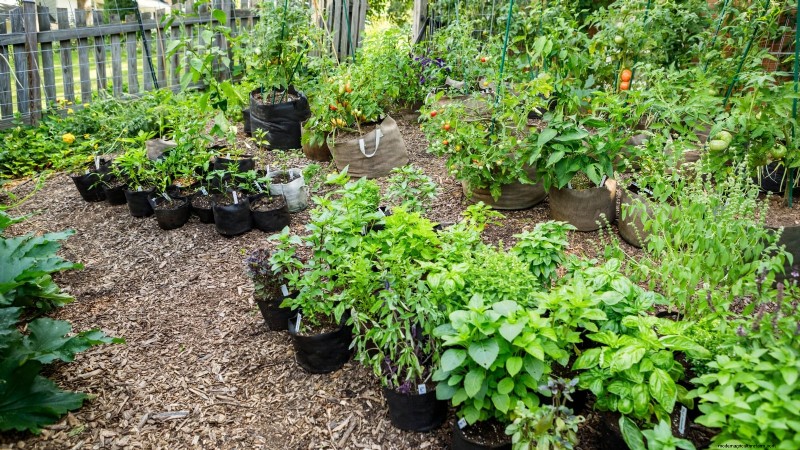
Container gardening thrives when pots are large enough and use a well‑draining, nutrient‑rich mix. Dwarf or compact varieties are ideal for maximizing space and accelerating fruiting.
Choose containers at least twice the root ball size. A 7–10 gallon pot works well for tomatoes and peppers; 18‑inch diameter is a good rule of thumb for most vegetables.
Good drainage is essential. Porous terracotta wicks moisture quickly, while lined grow bags retain water longer and allow root airflow.
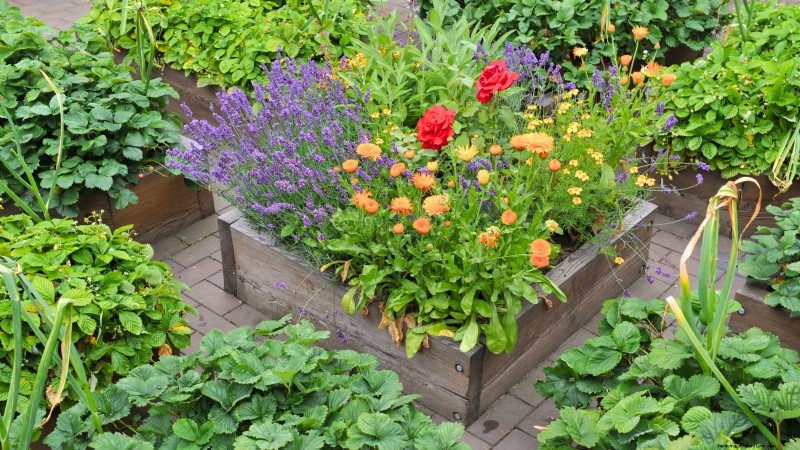
Attracting pollinators boosts biodiversity and crop yields. Incorporate nectar‑rich herbs such as rosemary, lavender, and yarrow, and plant perennials along borders to provide year‑long forage.
Cover crops and leaf mulch create winter shelter for insects and improve soil structure during off‑season periods.
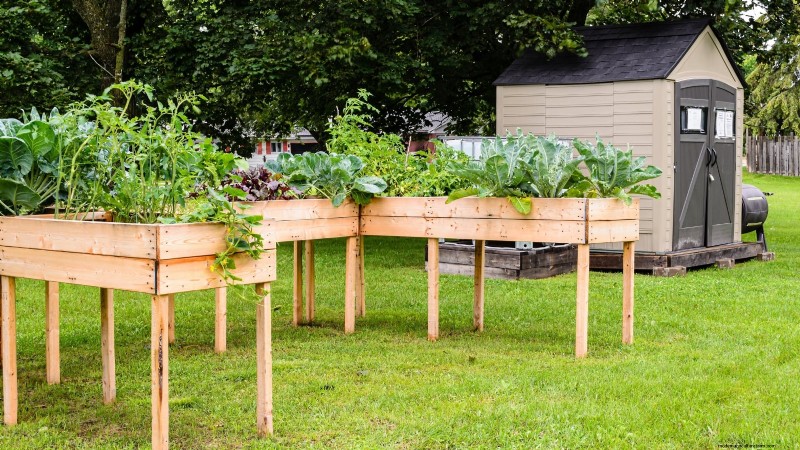
Elevated beds eliminate excessive bending, making planting, maintenance, and harvesting easier for all ages. Adjust the height to your comfort and leave clear walkways for easy access.
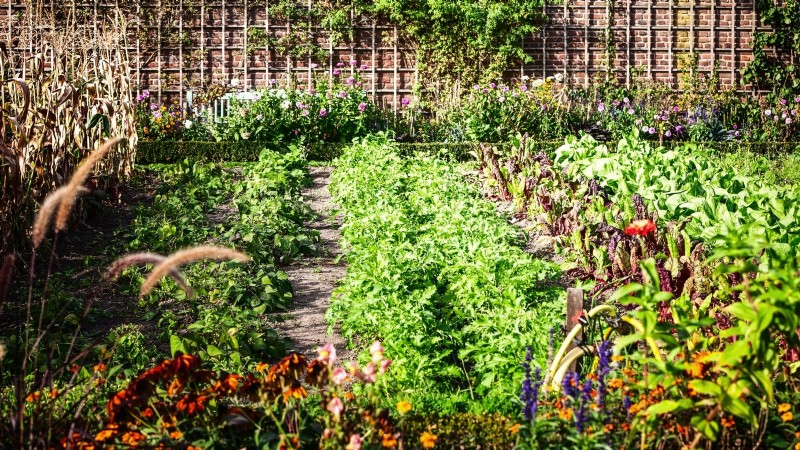
The potager is a French‑style kitchen garden that blends vegetables, herbs, fruit, and edible flowers into a harmonious, productive space.
Positioning near the house ensures quick access. Use companion planting and vertical structures like trellises to create a visually appealing, diverse layout that attracts beneficial insects.
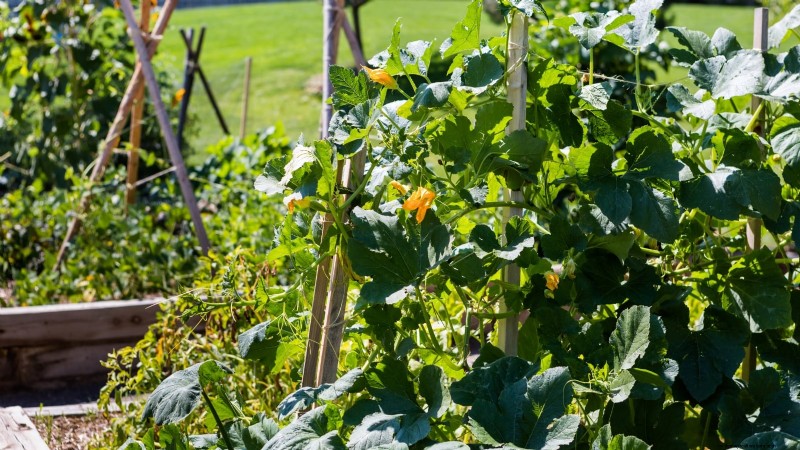
Vertical gardening maximises space and enhances fruit quality. Support systems such as trellises, arches, and hanging baskets keep vines off the ground, reducing fungal disease risk and improving light exposure.
Regular inspection is easier, and vertical growth encourages better‑shaped fruits and reduced spotting.
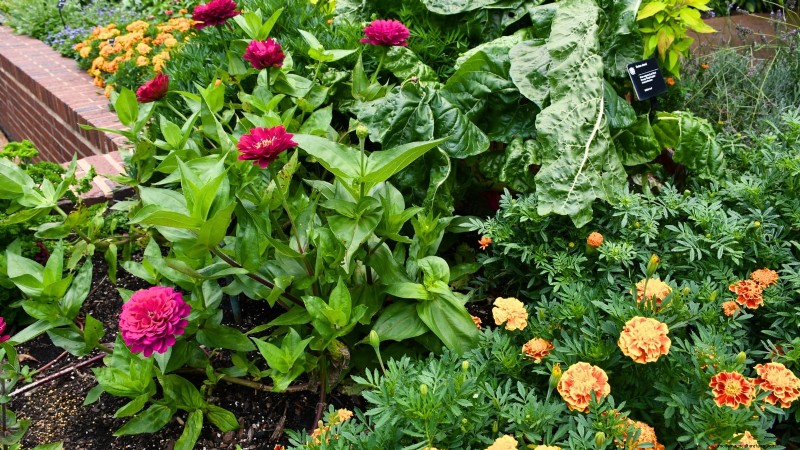
Edible flowers add flavor, color, and pollinator attraction. Common varieties include pansies, nasturtium, calendula, snapdragons, begonia, marigold, lavender, and zinnia.
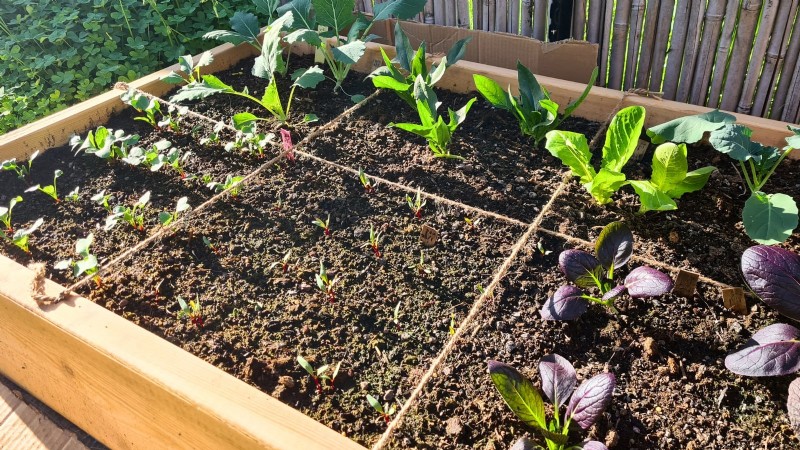
Square‑foot gardening maximises yield in limited space. Divide beds into uniform sections and plant multiple or single seedlings based on spacing needs. This method works well in raised beds or in‑ground plots.
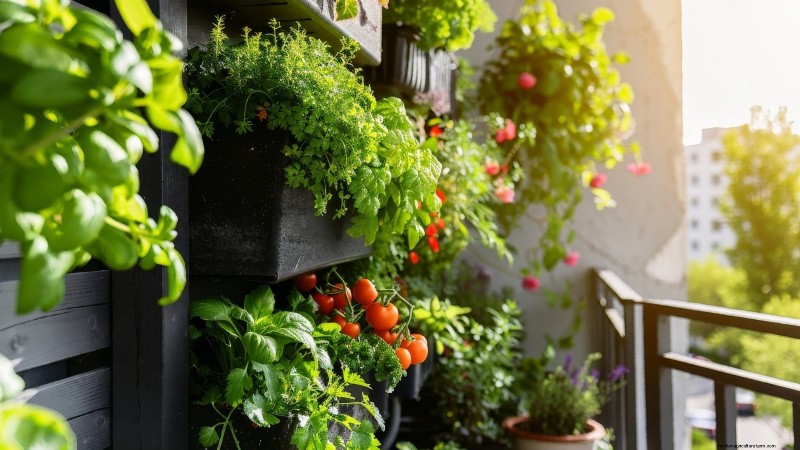
Balcony gardening turns a small area into a productive space. Evaluate light, wind, temperature, and water access. Use containers, raised beds, or individual pots to control soil quality and moisture.
Check the balcony’s weight limit before installing large beds or multiple containers.
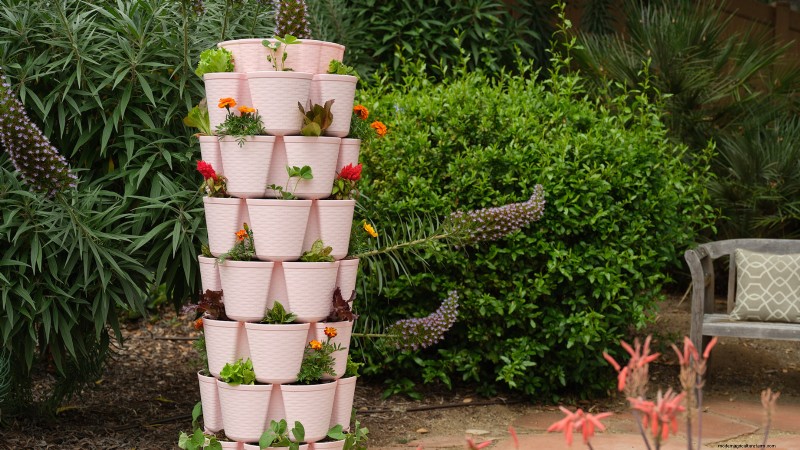
Greenstalks are columnar planters with stacked pockets and a built‑in water reservoir. They’re ideal for small sites, balconies, and corners, allowing herbs, veggies, and flowers to grow with minimal space.
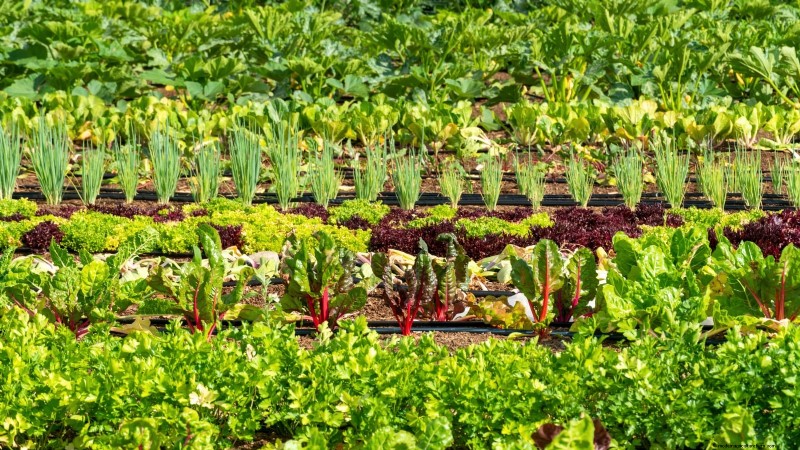
Row planting offers a formal, organized layout that simplifies planting, maintenance, and harvesting. Arrange taller plants to provide afternoon shade for lower growers, and use a garden planner to visualise spacing and support placement.


