
Welcome to Modern Agriculture!

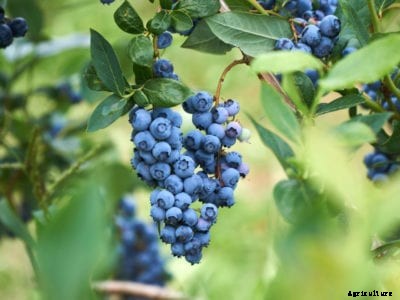
Septoria leaf spot, also known as septoria blight, is a common fungal disease that affects a number of plants. Septoria leaf spot of blueberries is widespread in many parts of the United States, including the Southeast and the Pacific Northwest. Although septoria in blueberries isn’t always fatal, it can take hold and weaken plants so severely that they are unhealthy and unable to bear fruit.
The bad news is that you probably won’t be able to completely eradicate the disease. The good news is that septoria leaf spot control is possible if you catch it early enough.
The fungus that causes septoria leaf spot in blueberries lives on weeds and plant debris, especially infected leaves that drop from the plant. It thrives in damp conditions, and the spores are splashed on stems and leaves by wind and water.
Septoria leaf spot on blueberries is easy to recognize by the small, flat or slightly sunken lesions on stems and leaves. The lesions, which have gray or tan centers with purplish-brown margins, tend to be more severe on young plants with tender leaves, or on the lower branches of larger plants. Sometimes, tiny black spots, which are actually spores, develop in the center of the spots.
Soon, leaves may turn yellow and drop from the plant. Symptoms tend to be more severe on young blueberry bushes with tender leaves, or on the lower branches of larger plants.
Septoria leaf spot control begins with prevention.


