
Welcome to Modern Agriculture!

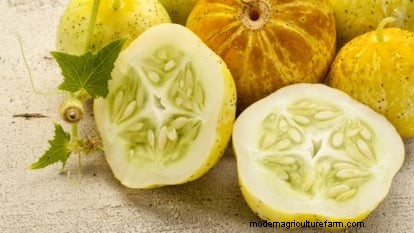
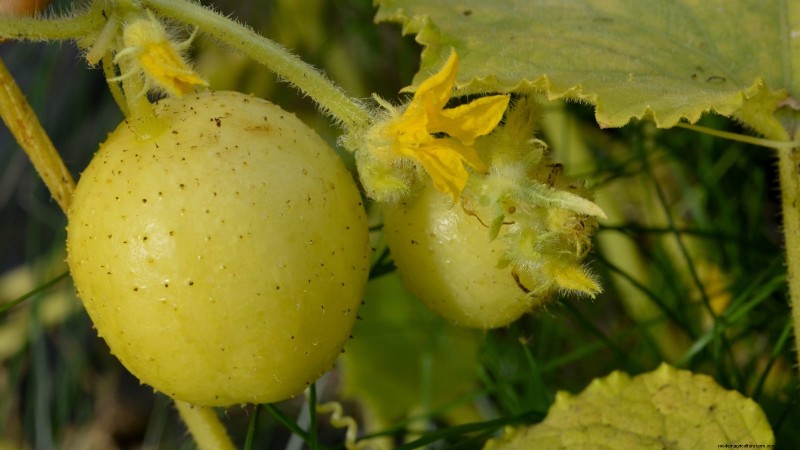
The Lemon cucumber (Cucumis sativus) is a distinctive annual vine that produces small, bright‑yellow fruits resembling tiny baseballs. Though they look unlike traditional green cucumbers, their crisp, sweet flesh is just as delightful.
The Lemon cucumber is best known for its round, yellow fruit. Despite the bright color, the taste is a familiar, sweet cucumber profile—no lemony tang.
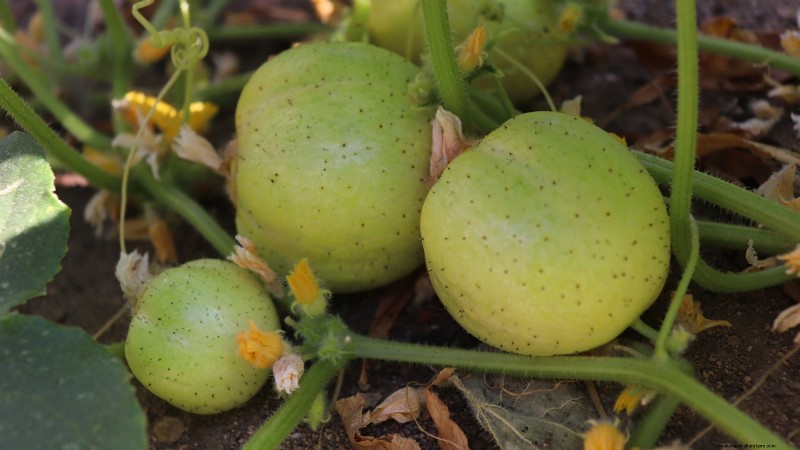
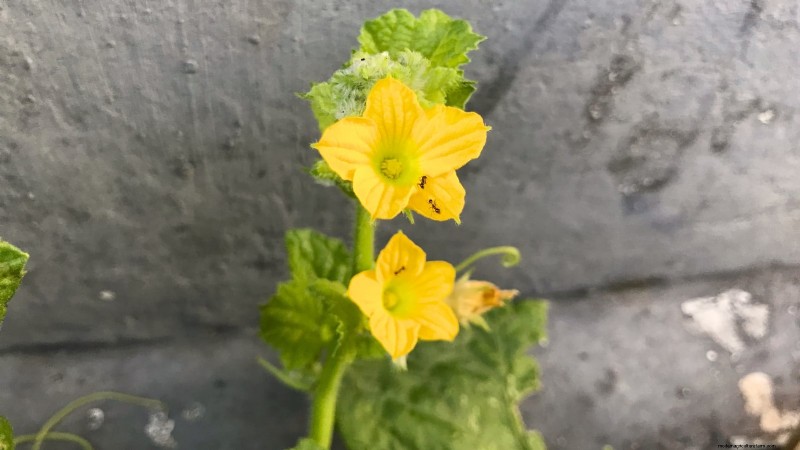
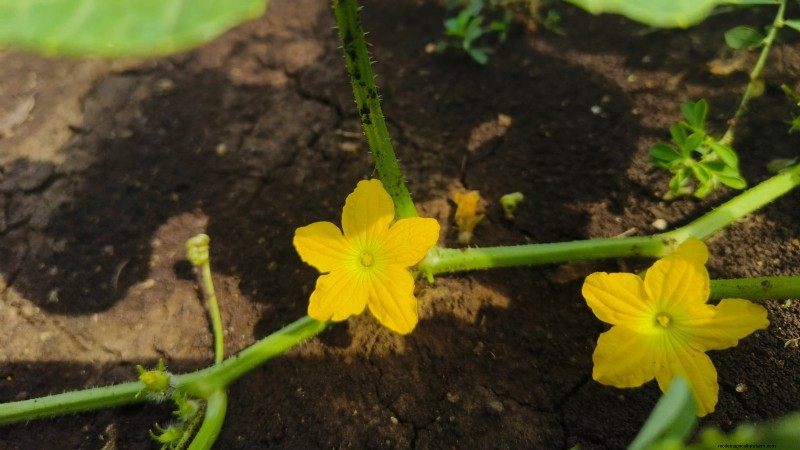
These cold‑sensitive vines spread along the ground or climb supports using tendrils. Two months after planting, they produce small yellow flowers. The plant is monoecious, meaning it bears both male and female flowers, allowing self‑pollination.
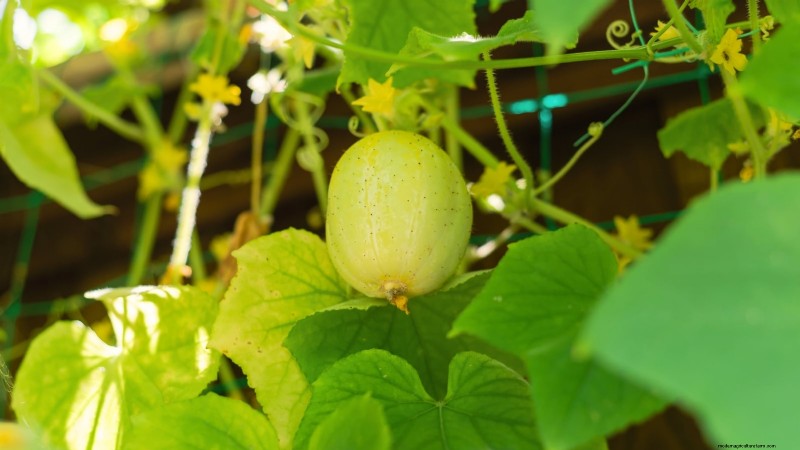
Fruits reach maturity roughly 65 days after sowing, yielding 2–3‑inch yellow cucumbers with thin skin and a sweet, burpless interior.
Originating from tropical Southeast Asia, the Lemon cucumber gained popularity in Australia before spreading to the U.S. in the late 1800s.
Mandated by warm weather, these cucumbers thrive during summer. Whether you choose to start indoors or direct‑sow, multiple successive plantings can be achieved in long growing seasons.
Starting indoors gives you a head start and protects seedlings from early cold snaps. Ideal timing: plant indoors just after the last frost, then transplant outdoors 2–4 weeks later when temperatures are consistently above 50 °F (10 °C).
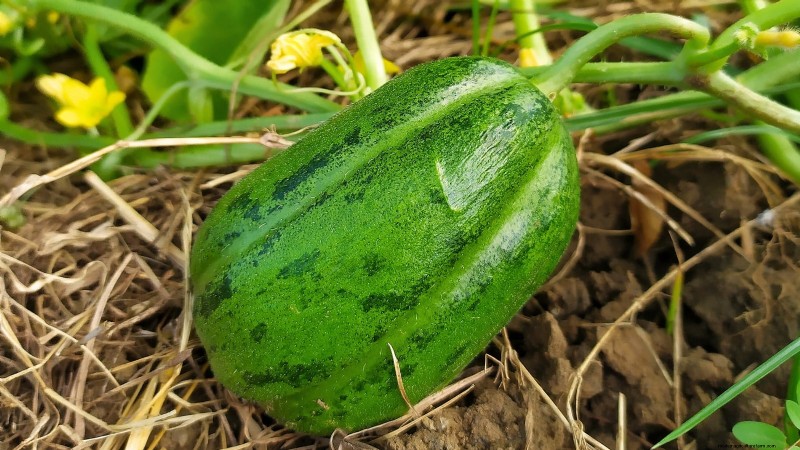
Direct sowing is ideal for long seasons. Ensure soil temperature reaches 65 °F (18 °C). Ideal air temps: 70–80 °F (21–27 °C) during the day, no lower than 50 °F (10 °C) at night.
With the right conditions, Lemon cucumbers are moderately easy to grow. Their main challenges are pests and diseases, but attentive care yields a prolonged harvest.
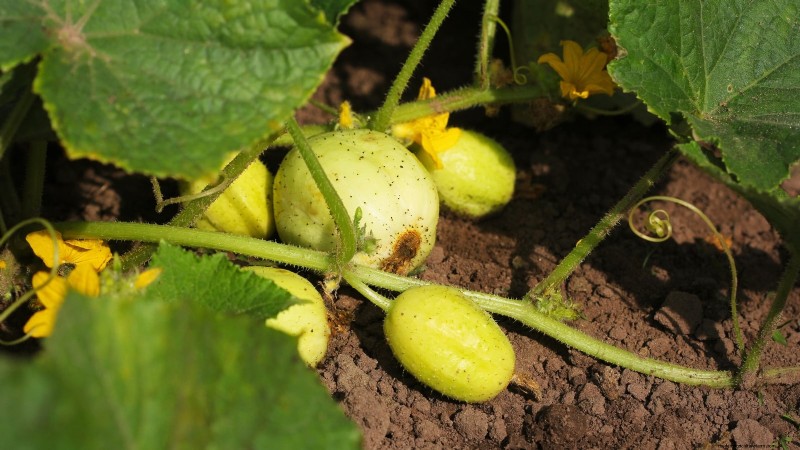
Full sun is essential—at least 8 hrs of direct light, preferably 10–12 hrs. Trellises should allow unobstructed sun; a south‑facing fence or solid south‑facing wall works best.
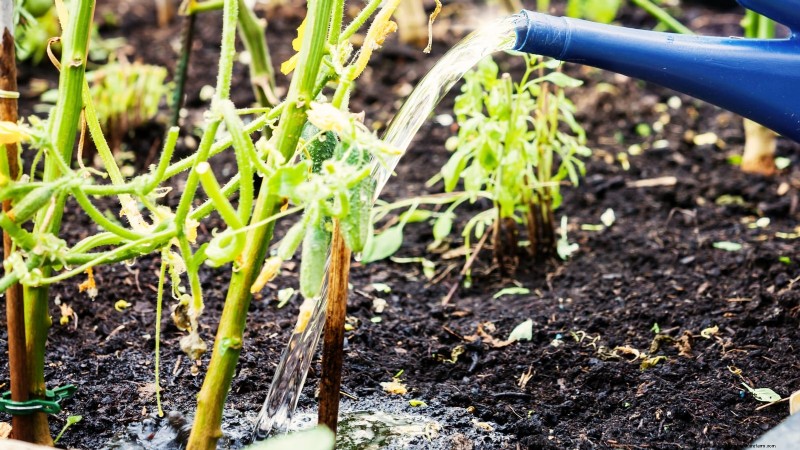
Lemon cucumbers are 95 % water. Maintain moderate moisture; drought tolerance is modest. Water at least three times a week during dry, hot periods. Use a hose, watering can, soaker hose, or drip system—aim water at the base to keep foliage dry and reduce fungal risk.
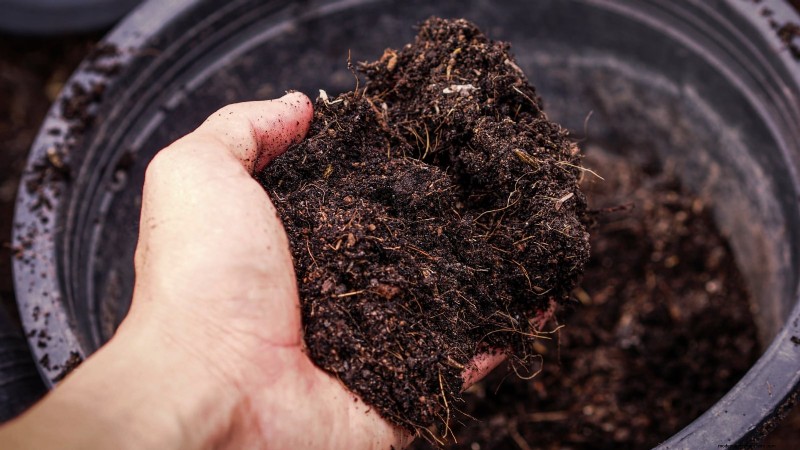
Opt for well‑draining, slightly acidic soil rich in organic matter. Amend heavy clay or sandy soils with compost to improve aeration and nutrient availability. In containers, use a blend of aged compost, peat moss, and screened topsoil.
Avoid temperatures below 50 °F (10 °C). High humidity is tolerated, but good airflow is vital to prevent fungal diseases; space plants accordingly.
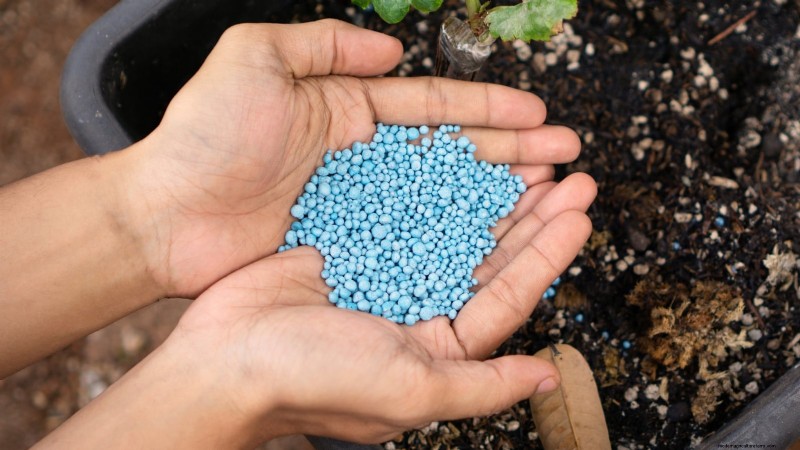
A light feeding schedule works best. Use an NPK blend 5–10–10 or 3–4–4 to promote foliage and flowering without excessive nitrogen. Follow label instructions; dilute liquid formulas if unsure.
Trellising and pruning improve airflow and reduce disease risk, and free ground space for other crops. Start training vines early; a single string or metal cattle panel suffices. Prune off off‑shoots and any diseased foliage promptly.
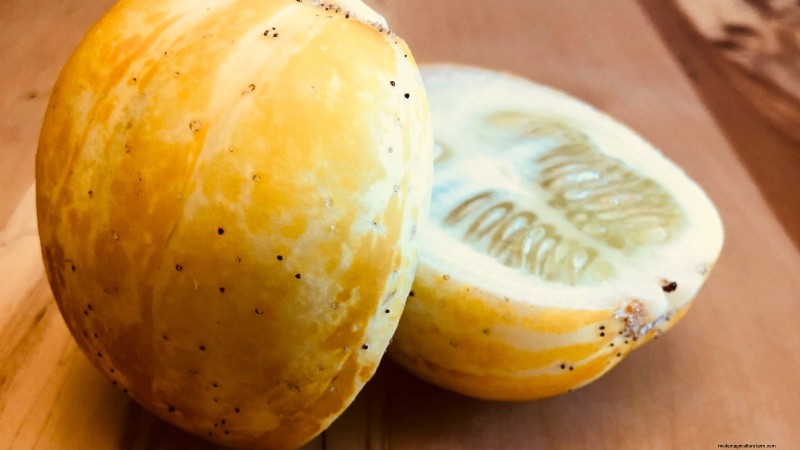
Harvest seeds when fruits reach tennis‑ball size. Allow them to mature for 3–4 weeks; seeds should be soft and large. Extract seeds, soak in water for a few days, then dry in a single layer. Store dried seeds in an airtight container in a cool, dark place.
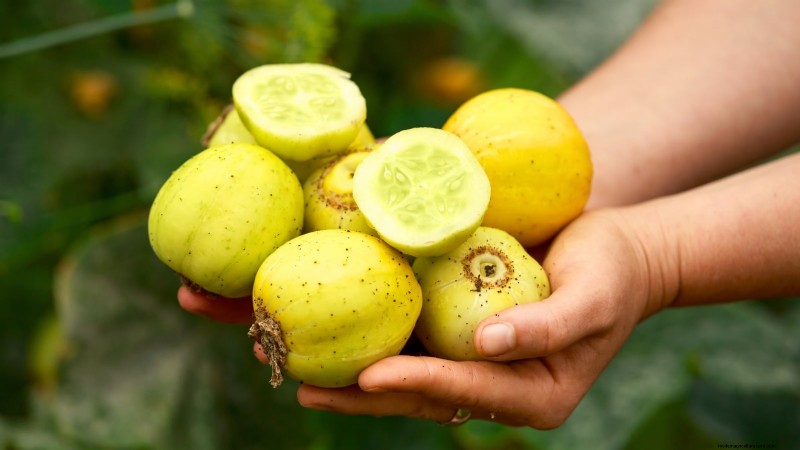
Ready to harvest 65 days after sowing, when fruits are 2–3 inches across. Cut the stem ½ inch above the fruit to avoid damage. Check plants every other day during warm weather. Store in the refrigerator’s crisper or an airtight container for up to five days.
While Lemon cucumbers are a joy to grow, they are prone to several pests and diseases. Early detection and management keep yields high.
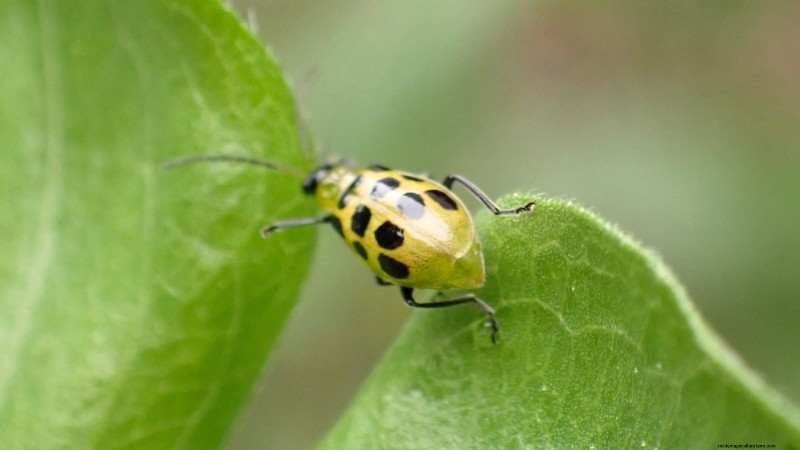
Primary pest: cucumber beetles (striped and spotted). They feed on foliage, flowers, and fruit and vector bacterial wilt. Prevent with row covers, hand‑pick, or organic pesticides containing pyrethrin or neem oil. Also manage squash bugs and squash vine borer by inspecting for eggs and removing damaged stems.
Low disease resistance necessitates vigilance. Common afflictions and prevention strategies are listed below.
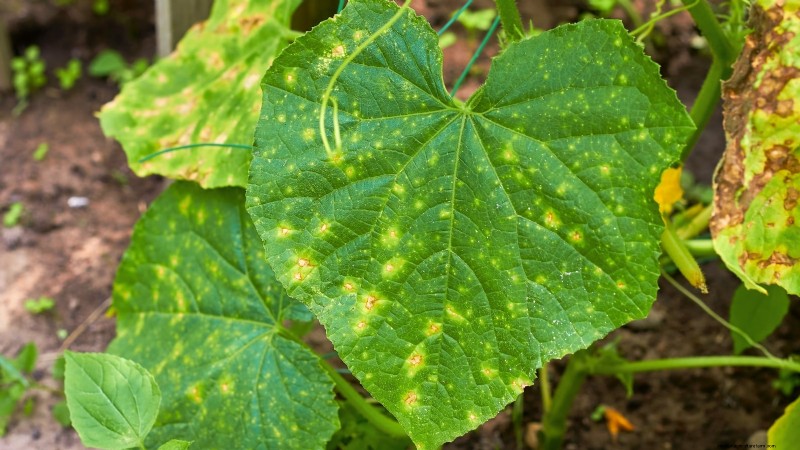
Caused by a water mold, it thrives in cool, damp conditions. Look for yellow patches on leaf tops and a powdery underside. Prevention: keep leaves dry, avoid overhead irrigation, and ensure adequate airflow.
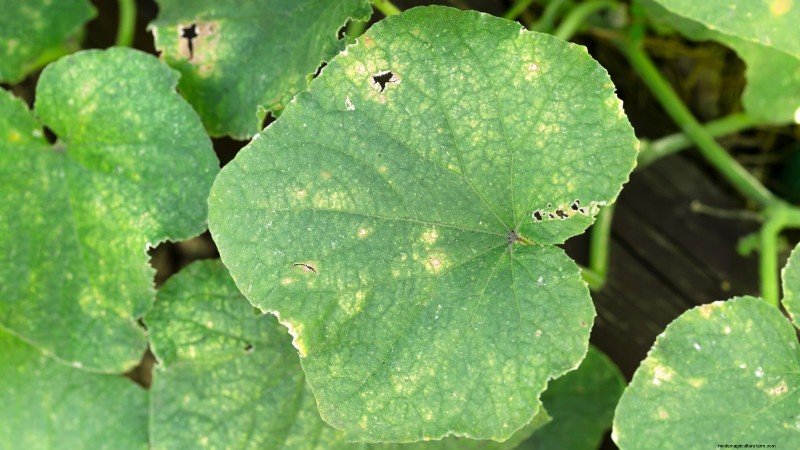
White, flour‑like patches signal infection. It prefers warm, humid air. Water at the base, prune infected leaves, maintain spacing, and control weeds to improve airflow.
Brown, water‑soaked spots appear on leaves and fruit, often leading to rot under warm, wet conditions. Crop rotation, dry foliage, and spacing mitigate risk.
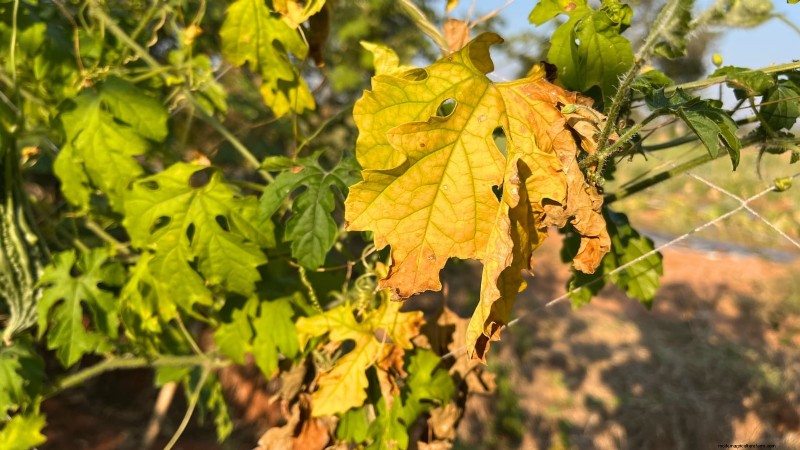
Spreading via cucumber beetles, this disease wilts leaves despite adequate watering. No cure exists; remove beetles immediately and discard infected plants. Consider a bacterial‑wilts‑resistant cucumber variety if recurrence occurs.
Adding Lemon cucumbers to your garden offers a colorful twist on classic cucumber dishes. Their bright yellow fruit brightens salads, sandwiches, and any culinary creation. With the guidance above, you can enjoy a robust, sweet harvest this season.


