Welcome to Modern Agriculture!

Kitchen gardens bring the bounty of the garden right to your doorstep. Whether you’re a seasoned green thumb or a newcomer, a raised‑bed layout offers controlled soil, better drainage, and a cohesive aesthetic that blends seamlessly with any home. Below are 27 plants—herbs, vegetables, fruits, and edible flowers—that thrive in raised beds and elevate both flavor and visual appeal.
Fresh herbs add aroma, flavor, and nutrition to every dish. They’re generally low‑maintenance and make excellent companions for other garden plants.
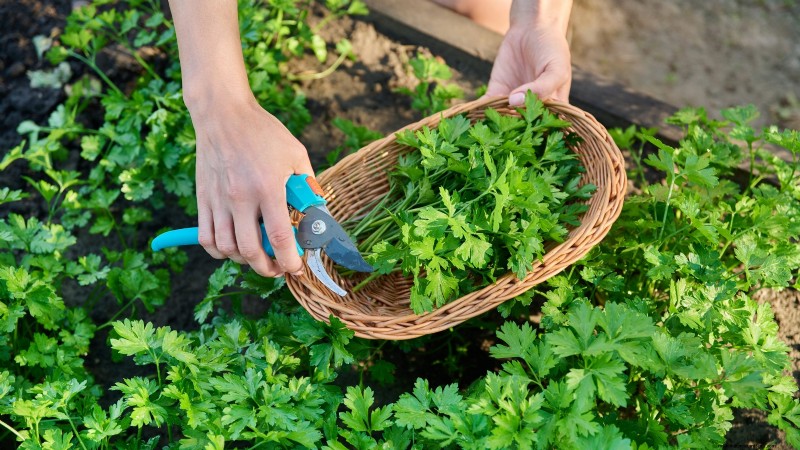
| Botanical name | Petroselinum crispum |
|---|---|
| Sun requirements | Full sun to partial shade |
| Height | 6‑12 in. |
| Hardiness zones | 2‑11 |
Parsley is a kitchen staple, especially in European and Middle Eastern cuisines. Plant in spring for a continuous harvest. In zones 7‑9, it can be sown in fall, as it tolerates temperatures down to 10 °F (-12 °C). Direct‑sow in nutrient‑rich loam, keeping the soil moist and fertilize twice during the season with a balanced formula.
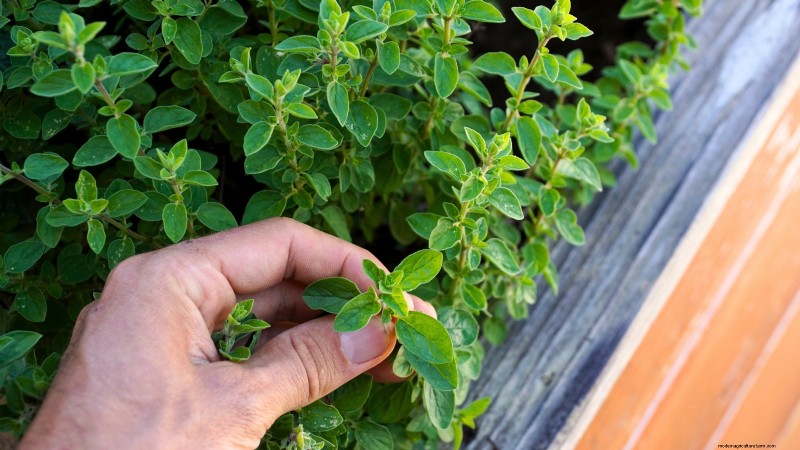
| Botanical name | Origanum vulgare |
|---|---|
| Sun requirements | Full sun |
| Height | 6‑36 in. |
| Hardiness zones | 4‑8 |
Oregano thrives in full sun and tolerates poor soil. Pair it with lavender, but ensure lavender doesn’t shade it. Pinch back regularly to encourage branching and keep flowering in check, which preserves flavor and attracts pollinators.
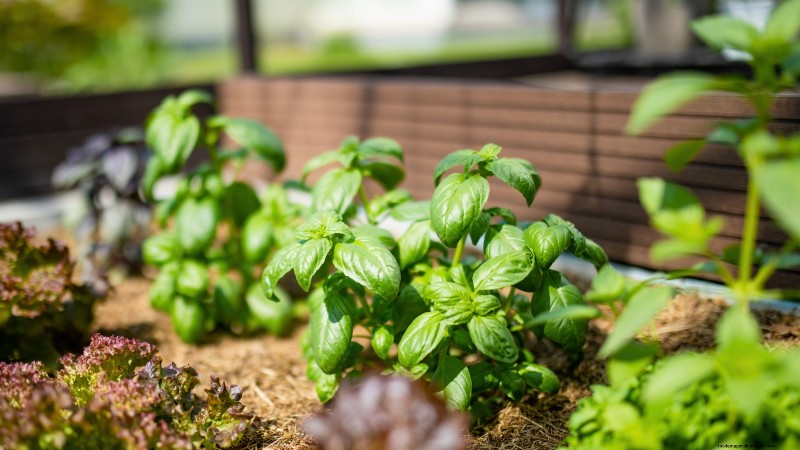
| Botanical name | Ocimum basilicum |
|---|---|
| Sun requirements | Full sun to partial shade |
| Height | 4‑36 in. |
| Hardiness zones | 10‑11 |
Basil pairs beautifully with tomatoes—planting them together can enhance tomato flavor. Start in late spring when soil warms. Pinch tops at four inches to encourage branching. Fertilize twice during the season. Avoid flowering to maintain taste, but a second plant can be left for pollinators.
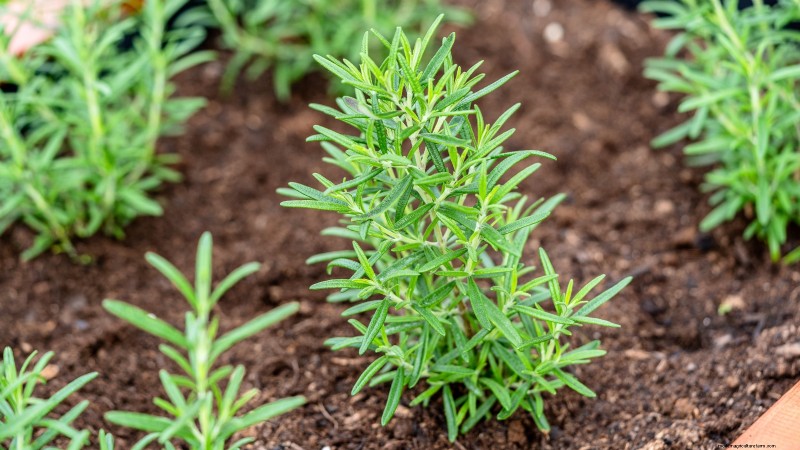
| Botanical name | Salvia rosmarinus |
|---|---|
| Sun requirements | Full sun |
| Height | Up to 5 ft. |
| Hardiness zones | 8‑10 |
Rosemary is a fragrant perennial in zones 8‑10. It prefers well‑drained soil and regular watering during drought. Light fertilization is sufficient; use a slow‑release fertilizer if growth is sluggish. Harvest regularly, cutting no more than one‑third of the plant to keep it vigorous.
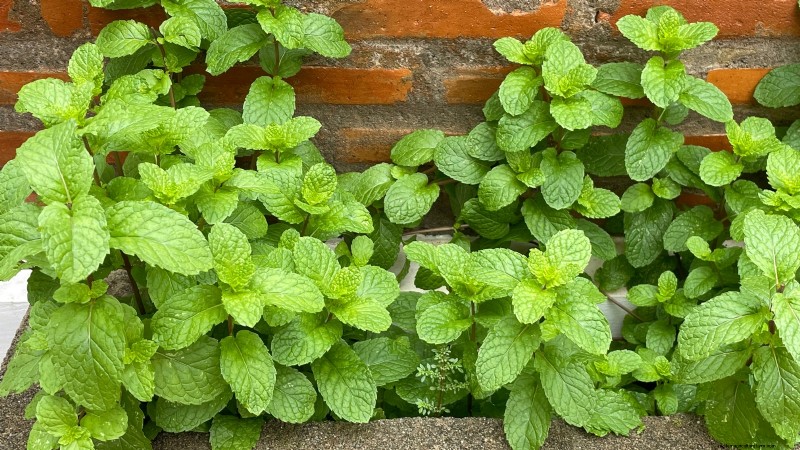
| Botanical name | Mentha spp. |
|---|---|
| Sun requirements | Full sun to partial shade |
| Height | 1‑4 ft. |
| Hardiness zones | 5‑9 |
Mint’s vigorous growth makes raised beds ideal for containment. Plant in full sun or partial shade; it tolerates some heat and thrives with consistent moisture—avoid waterlogged roots. Propagate via cuttings, seeds, or runners. Use as tea, seasoning, or a natural insect deterrent.
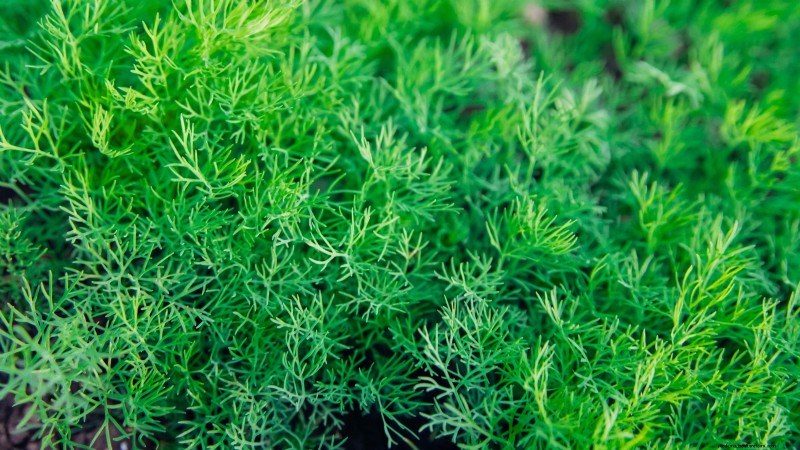
| Botanical name | Anethum graveolens |
|---|---|
| Sun requirements | Full sun to partial shade |
| Height | 3‑5 ft. |
| Hardiness zones | 2‑11 |
Dill attracts beneficial insects—ladybugs, lacewings, mantids—and its feathery leaves add visual interest. Directly sow in spring; it thrives in loose, well‑drained soil. Harvest foliage before flowering to preserve flavor, then allow flowering for seed production.
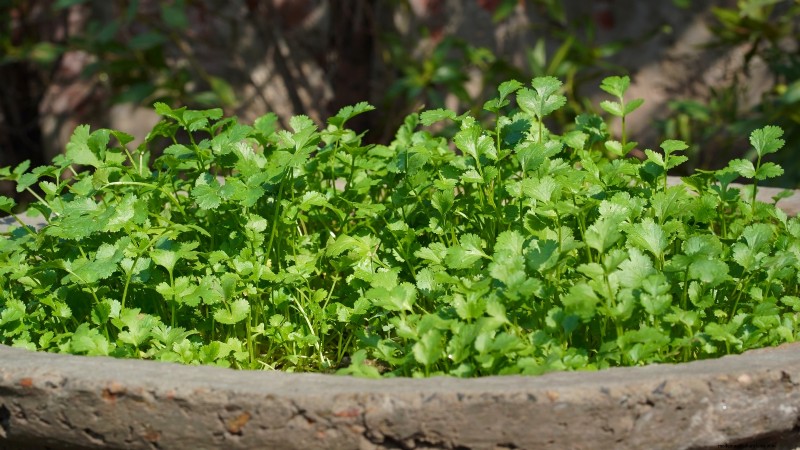
| Botanical name | Coriandrum sativum |
|---|---|
| Sun requirements | Full sun to partial shade |
| Height | 1‑2 ft. |
| Hardiness zones | 2‑11 |
Cilantro prefers loose, well‑drained soil and cooler temperatures. In hot climates, provide afternoon shade to prevent wilting. Fertilize twice with a high‑nitrogen mix. Harvest larger leaves; avoid cutting more than one‑third of the plant at a time.
Vegetables often dominate the yield in a kitchen garden. Most are annuals and should be planted in spring, though some cold‑tolerant varieties can be grown in cooler seasons.
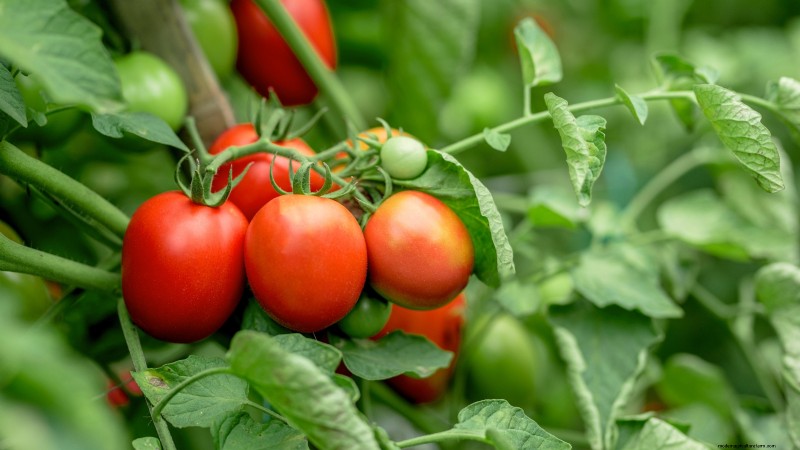
| Botanical name | Solanum lycopersicum |
|---|---|
| Sun requirements | Full sun |
| Height | 1‑10 ft. |
| Hardiness zones | 3‑11 |
Tomatoes are warm‑weather fruiting plants. Start indoors in cooler regions or sow directly after the last frost in warmer areas. Pair with basil for enhanced flavor. Fertilize monthly with a balanced feed; indeterminate varieties provide fruit throughout the season, while determinate types fruit in a concentrated period.
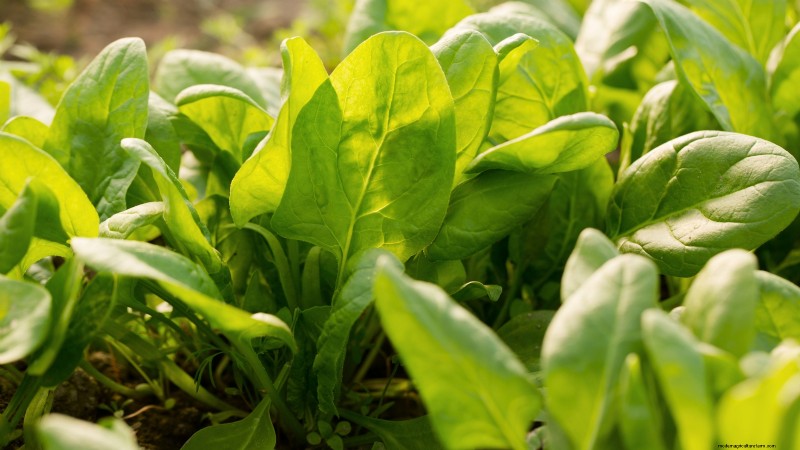
| Botanical name | Spinacia oleracea |
|---|---|
| Sun requirements | Full sun to partial shade |
| Height | 8‑12 in. |
| Hardiness zones | 2‑11 |
Spinach thrives in cool weather. Plant in late summer or early fall in warm climates, or three to four weeks before the last frost in cooler regions. Keep soil consistently moist; harvest outer leaves first and allow inner leaves to continue growth. Avoid letting soil dry out to prevent bolting.
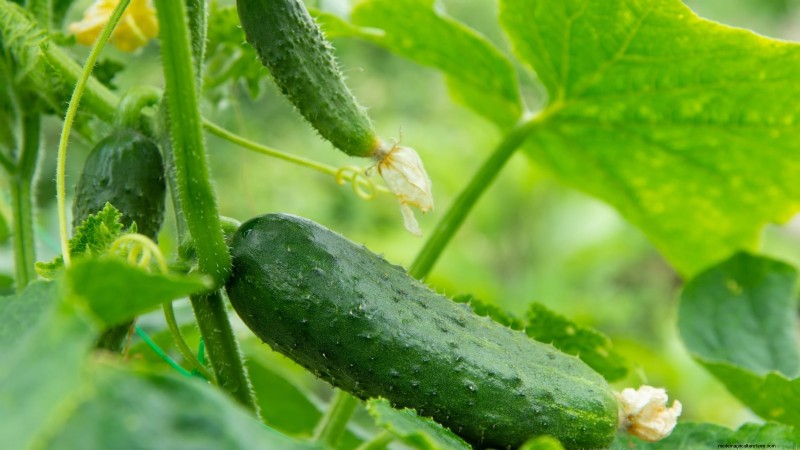
| Botanical name | Cucumis sativus |
|---|---|
| Sun requirements | Full sun |
| Height | 2‑6 ft. |
| Hardiness zones | 2‑11 |
Cucumbers grow best on trellises, saving space and reducing disease. They require plenty of sun but can scorch in midday heat; partial shade is helpful in hot climates. Fertilize monthly with a balanced fertilizer and harvest early in the morning for the best flavor.
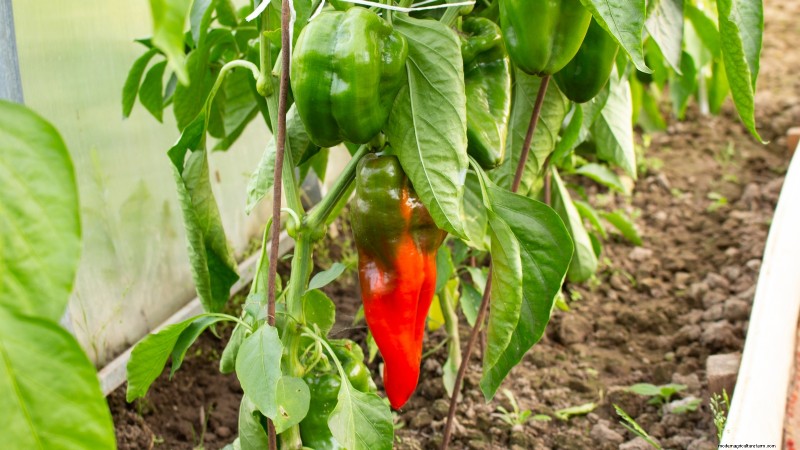
| Botanical name | Capsicum annuum |
|---|---|
| Sun requirements | Full sun |
| Height | 1‑4 ft. |
| Hardiness zones | 4‑11 |
Peppers flourish after frost danger passes. Indoors start seeds for an earlier yield. Pair with marigolds or nasturtiums to deter pests. Harvest before flowering to preserve sweetness.
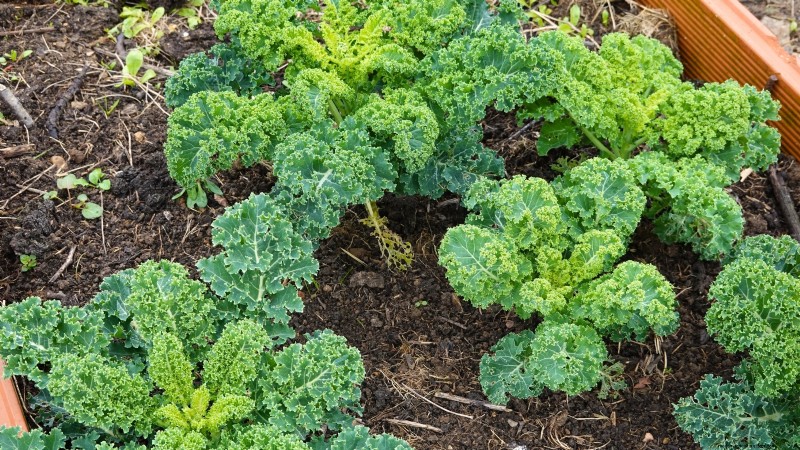
| Botanical name | Brassica oleracea var. sabellica |
|---|---|
| Sun requirements | Full sun |
| Height | 1‑2 ft. |
| Hardiness zones | 7‑10 |
Kale tolerates temperatures as low as 10 °F (-12 °C). Plant 6‑8 weeks before the first frost in warm zones, or 2‑4 weeks before the last frost in cooler areas. Harvest cut‑and‑come‑again; avoid planting beside other brassicas to reduce nutrient competition.
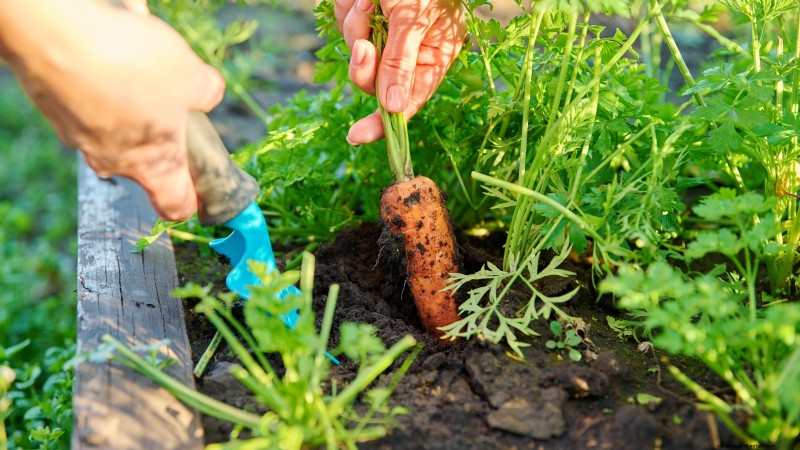
| Botanical name | Daucus carota subsp. sativus |
|---|---|
| Sun requirements | Full sun |
| Height | 1‑3 ft. |
| Hardiness zones | 2‑11 |
Root crops like carrots thrive in deep, loose soil—perfect for raised beds. Direct sow 10‑12 weeks before the first frost. Keep soil moist; avoid transplanting to preserve the long taproot.
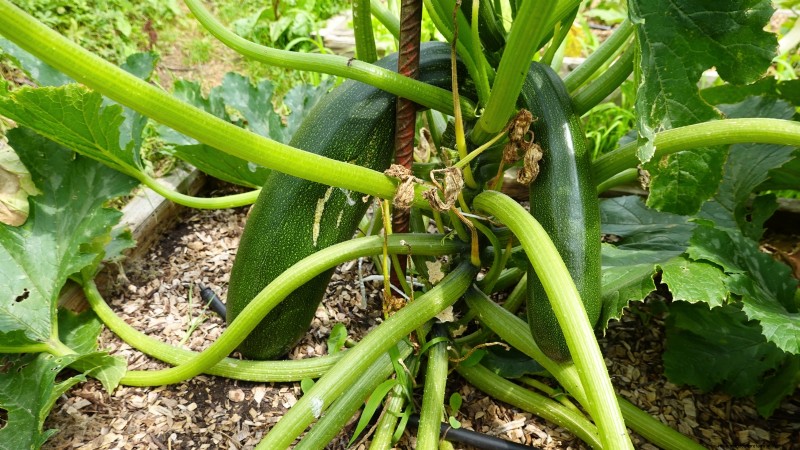
| Botanical name | Cucurbita pepo |
|---|---|
| Sun requirements | Full sun |
| Height | 2‑3 ft. |
| Hardiness zones | 3‑11 |
Zucchini is a prolific summer squash. Choose bush varieties for raised beds, or trellis vining types to conserve space. Water daily during heat, and fertilize weekly until fruit set, then twice weekly.
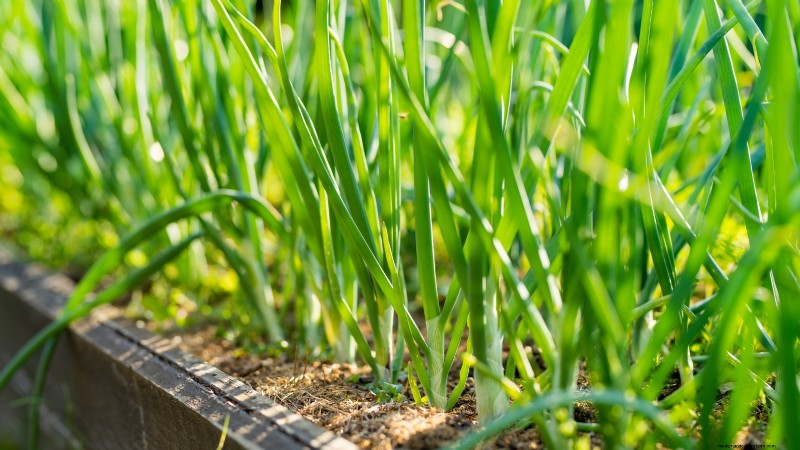
| Botanical name | Allium cepa |
|---|---|
| Sun requirements | Full sun |
| Height | 1‑1.5 ft. |
| Hardiness zones | 5‑10 |
Onions thrive in loose, fertile soil. Plant seeds or sets directly, spacing 10‑12 in. Provide organic matter and a high‑phosphorus starter. Water once a week, soaking roots thoroughly. In warm zones, fall plantings stay dormant until spring.
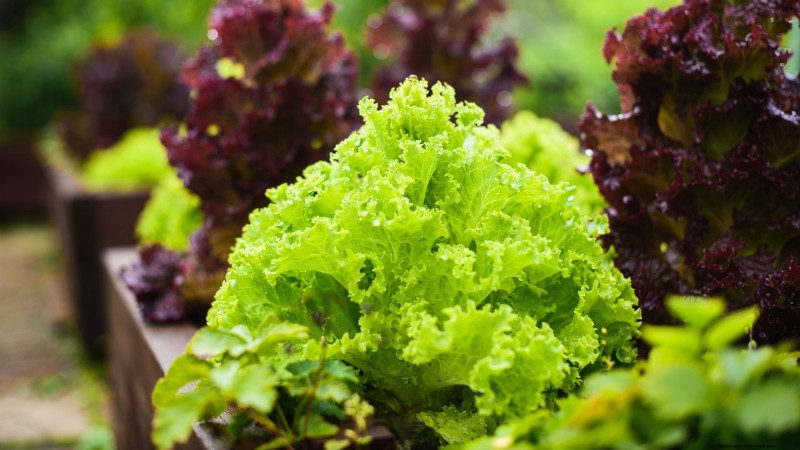
| Botanical name | Lactuca sativa |
|---|---|
| Sun requirements | Full sun to partial shade |
| Height | 6‑12 in. |
| Hardiness zones | 2‑11 |
Lettuce prefers cool weather; sow in spring in cooler zones or fall in warm climates. Keep soil moist and rich; harvest leaf varieties regularly for a continual supply. Avoid excessive heat to prevent bolting.
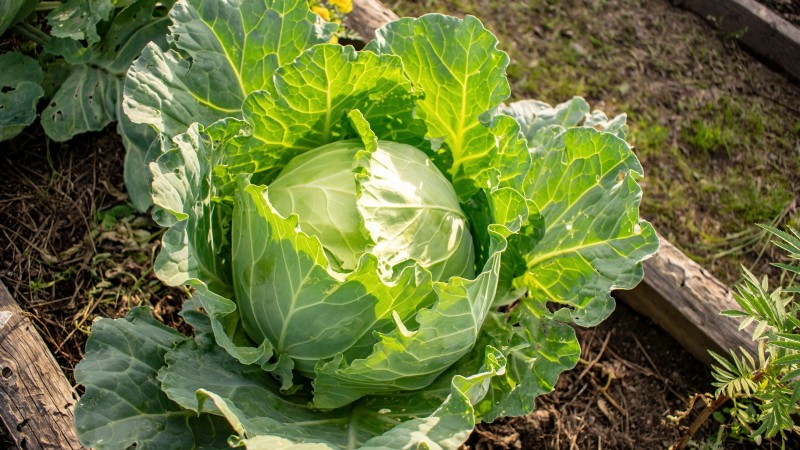
| Botanical name | Brassica oleracea var. capitata |
|---|---|
| Sun requirements | Full sun |
| Height | 12‑18 in. |
| Hardiness zones | 2‑11 |
Cabbage tolerates temperatures down to 25 °F (-4 °C). Plant 2‑4 weeks before the last frost in cool zones, or direct sow in warmer climates. Fertilize with a balanced blend, then boost nitrogen after three weeks. Water regularly for a firm head.
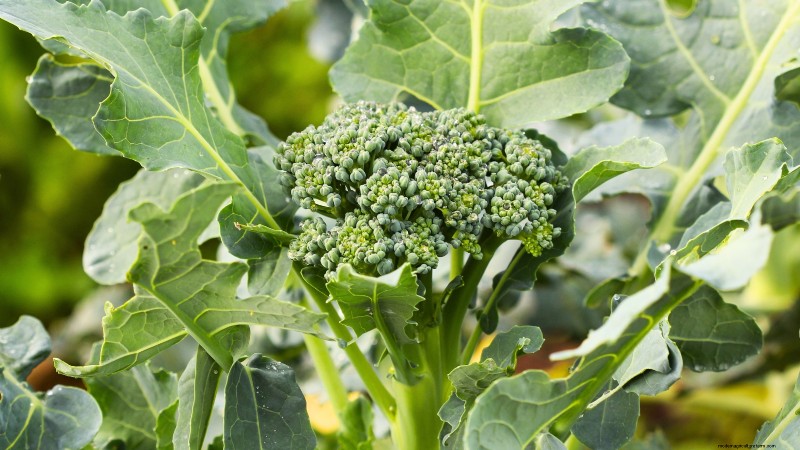
| Botanical name | Brassica oleracea var. italica |
|---|---|
| Sun requirements | Full sun |
| Height | 12‑18 in. |
| Hardiness zones | 2‑11 |
Broccoli is a cool‑weather crop that can be planted in late summer for a fall harvest or in early spring for a mid‑summer yield. It tolerates moderate freezes. Companion plants such as lettuce, onions, and rosemary can protect broccoli from pests and enhance flavor.
Incorporating fruit plants into a raised‑bed kitchen garden adds variety and long‑term yield.
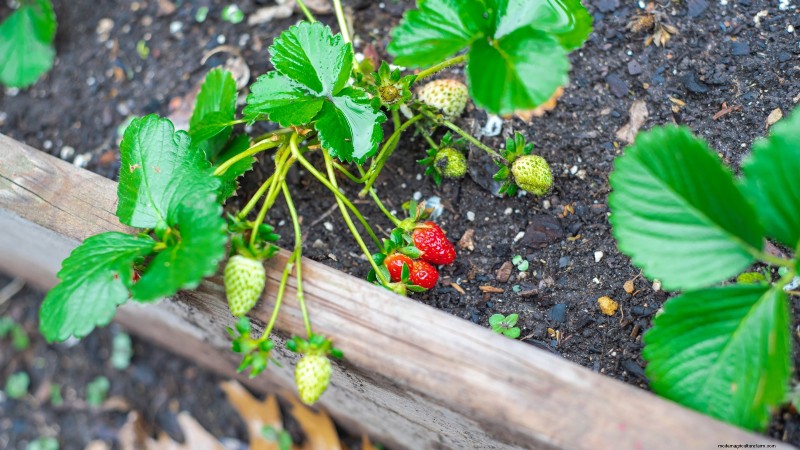
| Botanical name | Fragaria x ananassa |
|---|---|
| Sun requirements | Full sun to partial shade |
| Height | 6‑12 in. |
| Hardiness zones | 5‑9 |
Strawberries are perennial and cold‑tolerant. Plant in spring, or year‑round in warm zones. Keep crowns above soil to prevent rot. Harvest early for best flavor; the plants will re‑flower for a second harvest later in the season.
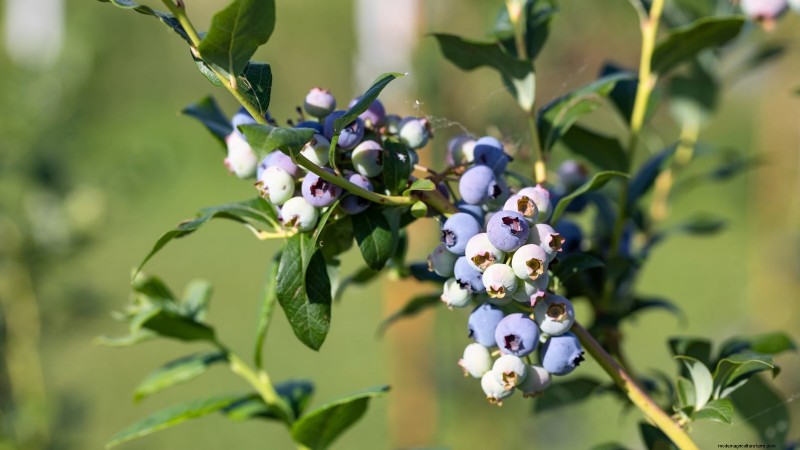
| Botanical name | Vaccinium sect. Cyanococcus |
|---|---|
| Sun requirements | Full sun to partial shade |
| Height | 6‑12 ft. |
| Hardiness zones | 4‑10 |
Blueberries demand acidic soil; amend with peat or elemental sulfur. Plant mandates spacing of at least two feet. In mandated zones, they’re perennial and self‑pollinating. Propagate via roots or self‑propagating tubers.
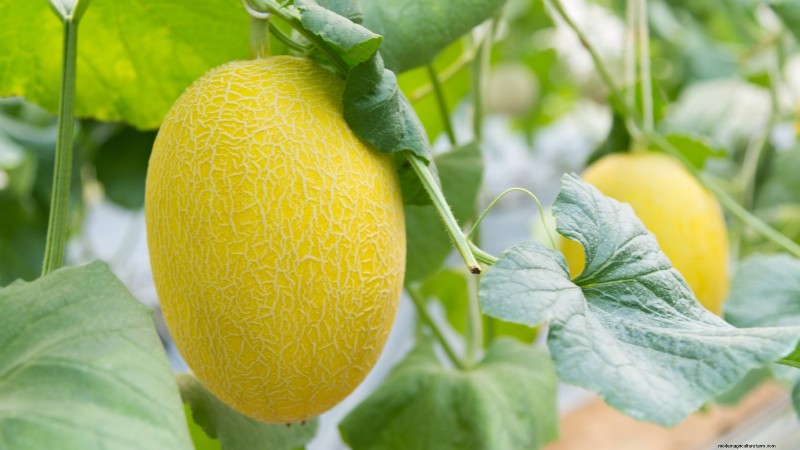
| Botanical name | Cucumis melo |
|---|---|
| Sun requirements | Full sun |
| Height | 6‑9 ft. |
| Hardiness zones | 2‑11 |
Raised beds warm quickly, making them ideal for melons. Direct sow about two weeks before the last frost. Use ample compost; melons are heavy feeders. Consider trellising for space savings. Fertilize with high‑nitrogen at first, then switch to balanced every two to three weeks after flowering.
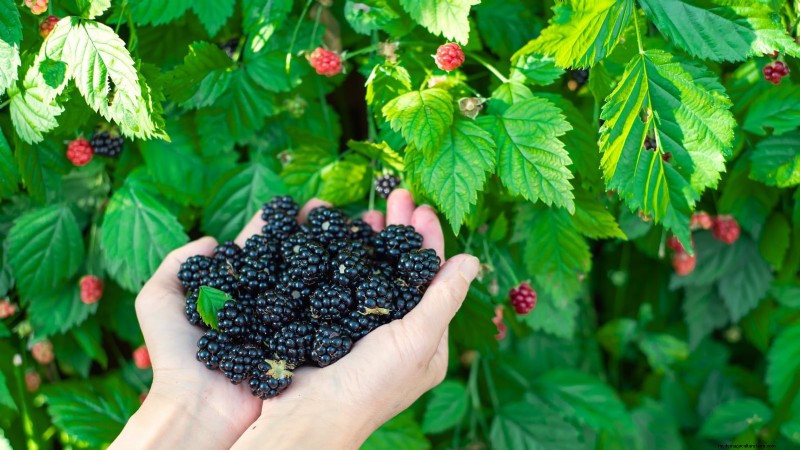
| Botanical name | Rubus subg. Rubus |
|---|---|
| Sun requirements | Full sun |
| Height | 3‑8 ft. |
| Hardiness zones | 3‑10 |
Blackberries are prolific and nutrient‑dense. Bush types need 3‑ft spacing; vining varieties can be trained on trellises. Plant in spring; fruit early summer. Provide loose, well‑draining soil and moderate fertilization.
Edible flowers not only enhance the aesthetic but also attract pollinators and add culinary flair.
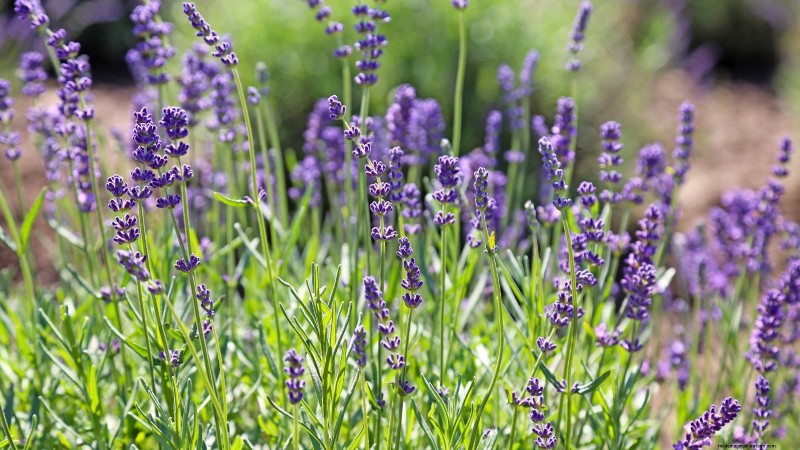
| Botanical name | Lavandula spp. |
|---|---|
| Sun requirements | Full sun to partial shade |
| Height | 20‑48 in. |
| Hardiness zones | 5‑9 |
Lavender thrives in dry, well‑drained soil and requires minimal fertilization. Use as a fragrant addition to baked goods or as a garnish. Plant after heavy brassicas to rejuvenate the soil.
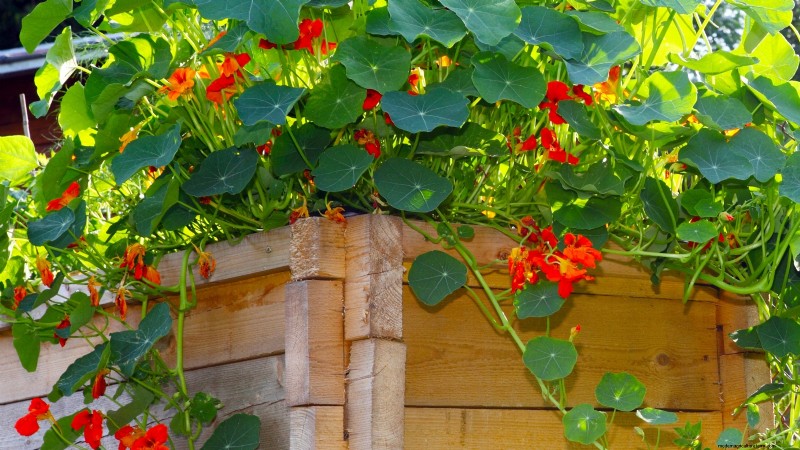
| Botanical name | Tropaeolum spp. |
|---|---|
| Sun requirements | Full sun |
| Height | 1‑10 ft. |
| Hardiness zones | 2‑11 |
Nasturtiums deter pests such as cabbage loopers and are edible—leaves and flowers add a peppery zest to salads. They’re hardy, self‑seeding, and thrive in all zones.
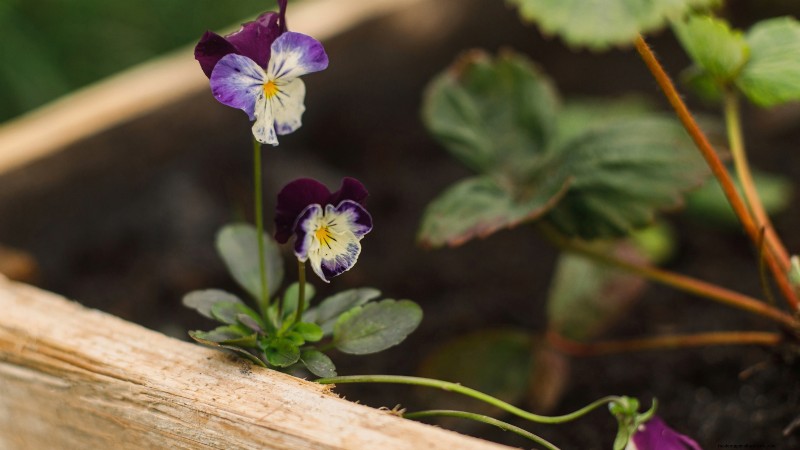
| Botanical name | Viola tricolor var. hortensis |
|---|---|
| Sun requirements | Full sun to partial shade |
| Height | 6‑12 in. |
| Hardiness zones | 2‑11 |
Pansies are not only charming but edible—sweet and mild. They flourish in cooler climates; prop them with partial shade in hot regions. Harvest frequently to encourage continued blooming.
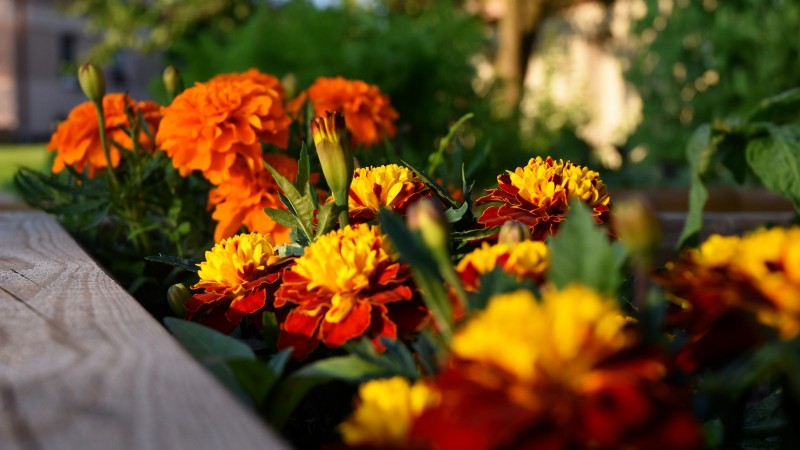
| Botanical name | Tagetes spp. |
|---|---|
| Sun requirements | Full sun |
| Height | 6‑48 in. |
| Hardiness zones | 2‑11 |
Marigolds repel pests, improve soil, and offer edible petals for teas and desserts. They thrive in full sun and modest water. Companion plant with cucurbits to deter aphids.
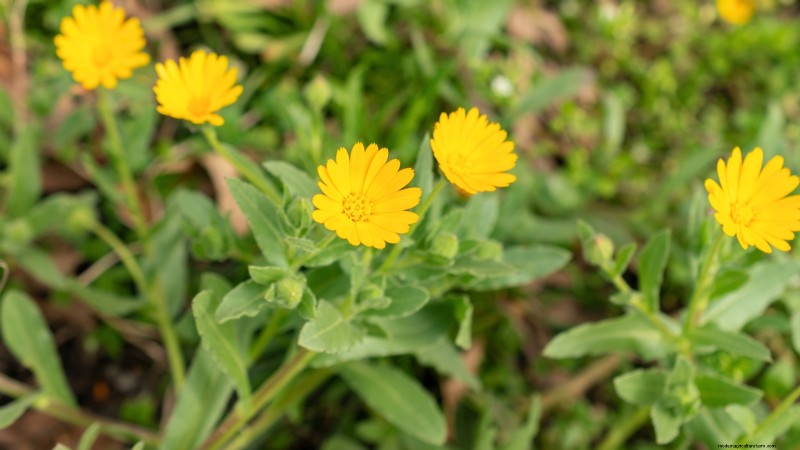
| Botanical name | Calendula officinalis |
|---|---|
| Sun requirements | Full sun to partial shade |
| Height | 1‑2 ft. |
| Hardiness zones | 2‑11 |
Calendula petals lend a mild, peppery flavor to soups, salads, and desserts. Propagation is easy; keep mandrakes well‑fed and deadhead regularly to prolong blooming.
In the end, your raised‑bed kitchen garden should reflect what you love to eat. By selecting plants that fit your climate, taste preferences, and garden space, you’ll reap not only harvests but also self‑confidence and culinary delight. Happy planting!


