Welcome to Modern Agriculture!

Pomegranates have become a staple in Mediterranean‑inspired and drought‑tolerant gardens, and they rank among my favorite fruit trees.
While apples and citrus often come first in a gardener’s mind, pomegranates offer unique advantages: striking ornamental flowers, abundant fruit, and low maintenance.
Best suited to warm climates that mirror their native Mediterranean and Middle‑Eastern origins, pomegranates still thrive in cooler zones thanks to hardy cultivars. Explore these nine varieties for a reliable, rewarding harvest.
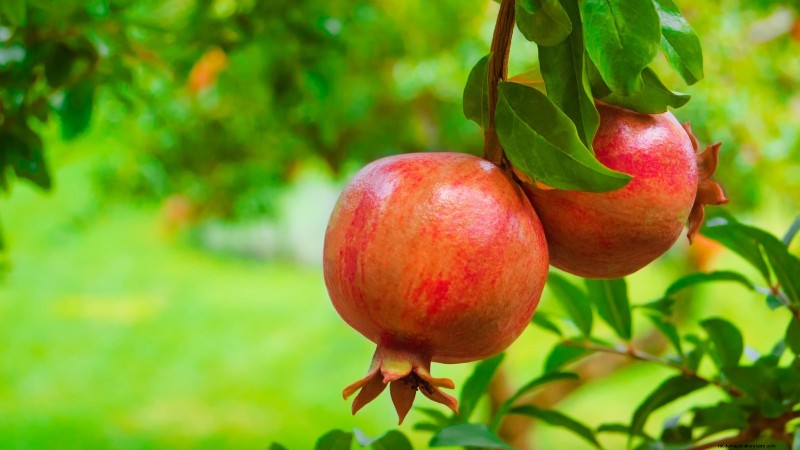
Texas Pink delivers sizable, juicy fruits and a burst of ornamental color. These compact trees produce abundant bright‑pink, large berries rich in tart, sweet arils—ideal for both culinary use and fresh snacking. The cultivar also offers vibrant red flowers from late spring through summer, adding visual interest year after year. With a mature height of just 8–10 feet, Texas Pink fits comfortably in containers or tight backyards. In suitable climates, it exhibits strong resistance to pests and disease, and its deep root system tolerates occasional missed waterings. When planted at a suitable size, fruit can appear as early as the first season.
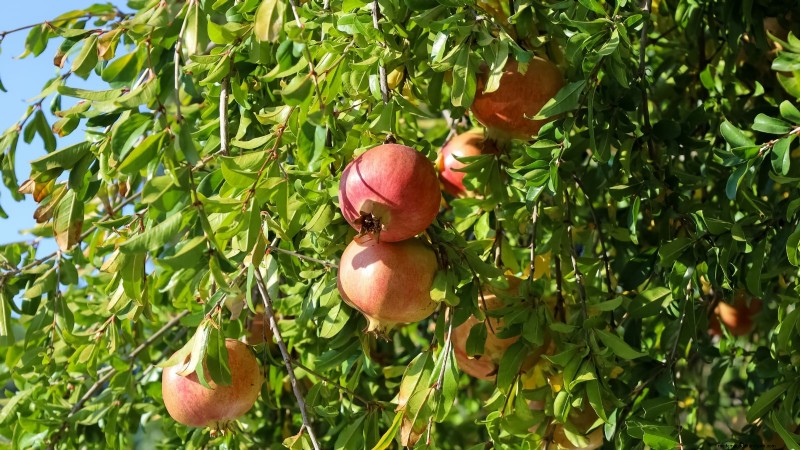
Eversweet is the pomegranate for those who prefer sweetness over tartness. Its blossoms appear in a striking hue in spring, setting the stage for the fruit that follows. The berries feature a mottled blush‑pink to red skin that hides the crystal‑clear arils inside—no staining worries for salads or platters. Smaller seeds translate to a higher ratio of juicy flesh, making each bite a treat. This cultivar thrives in warm climates, flourishing in USDA Zones 7–10. Optimal results come from full sun and high temperatures, which produce the largest, sweetest harvests. Gardeners in cooler zones can grow Eversweet in containers, providing extra warmth during colder spells.
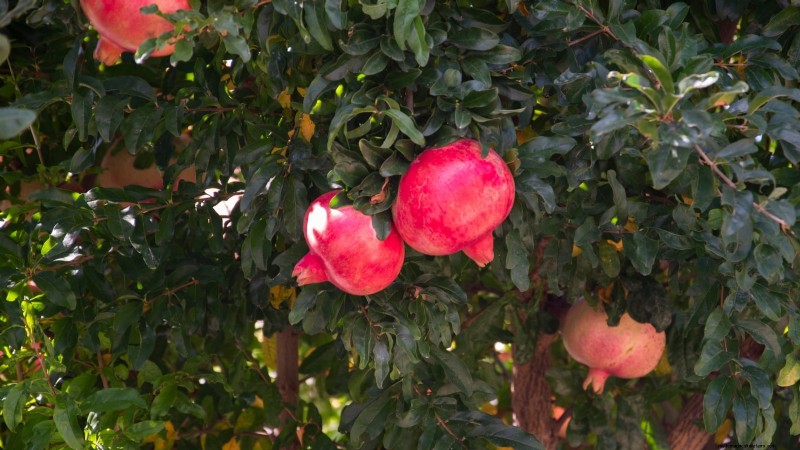
Wonderful stands out as a top choice for home gardens and commercial juice production, owing to its high water content and robust flavor. The dwarf tree reaches about 10 feet, making it ideal for urban settings, balconies, or container cultivation. Its vibrant blooms provide continuous ornamental appeal even when not fruiting, and its adaptable growth habit allows for use as a hedge or espalier. Plant in USDA Zones 8–11 or in containers for slightly cooler zones. Full sun encourages vigorous growth and a plentiful yield. Light pruning in late winter helps maintain shape.
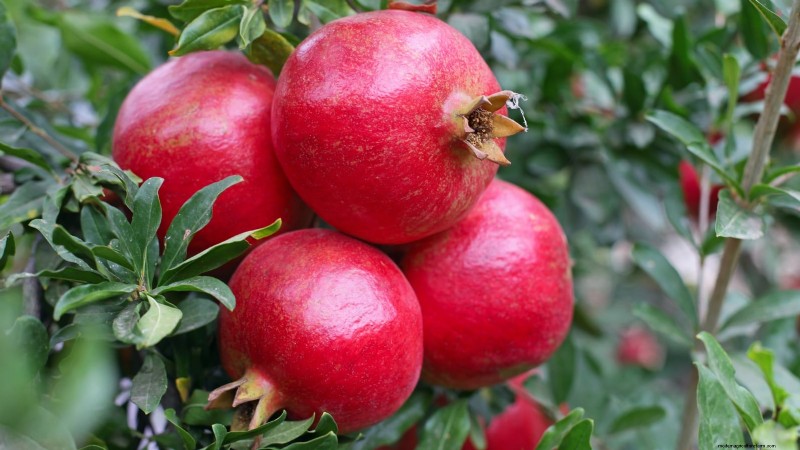
Grenada, a sport of Wonderful, ripens noticeably earlier, making it a favorite for gardeners eager to taste the season’s first fruits. The berries develop a dramatic dark‑red exterior while delivering a balanced tart‑sweet profile that surpasses many other varieties. Their rich color and flavor make them excellent for fresh consumption and preserves alike. Like Wonderful, Grenada is drought‑tolerant and thrives in full sun. Prune in winter to maintain shape, and feed annually to keep soil nutrients replenished.
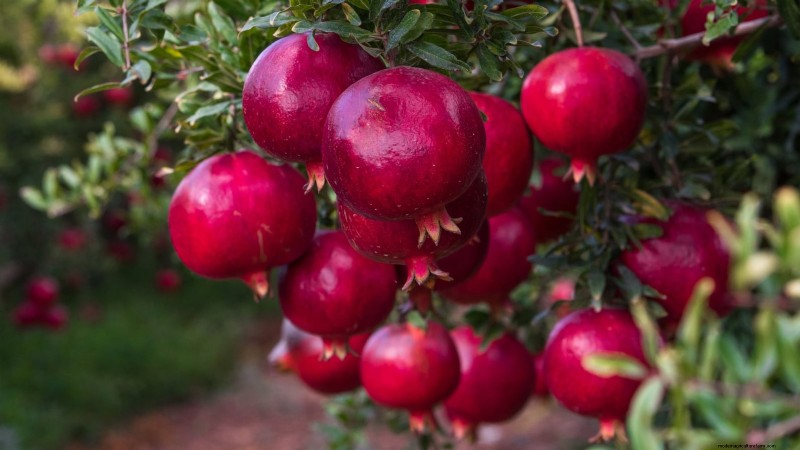
Sharp Velvet offers a striking deep‑red skin that unveils ruby‑rich arils—its flavor profile is a harmonious blend of tartness and sweetness, ideal for salads, dressings, or cooking. This cultivar is noted for high yield; a single tree can produce more fruit than you can consume in one season. Planting multiple trees amplifies pollination and increases harvest. The bright flowers also attract pollinators such as butterflies and hummingbirds, adding a lively touch to the garden.
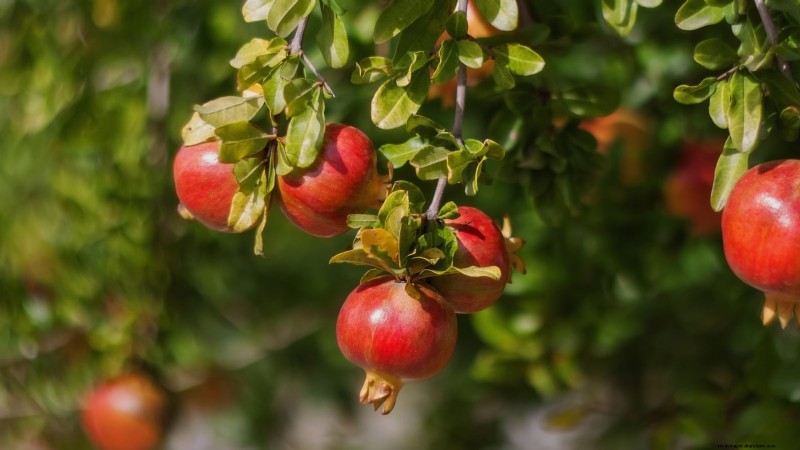
Sumbar, named after Turkmenistan’s Sumbar River Valley, is an excellent choice for cooler regions. It tolerates lower temperatures better than many Mediterranean varieties while still requiring warmth for full fruit set. The fruit is mild‑sweet with a soft texture, making it ideal for fresh eating or juicing. The berries ripen early—often by September or October—providing an early season treat. Sumbar performs best in full sun on well‑draining, sandy soils. It can also thrive in large containers if you ensure adequate drainage and space for mature growth.
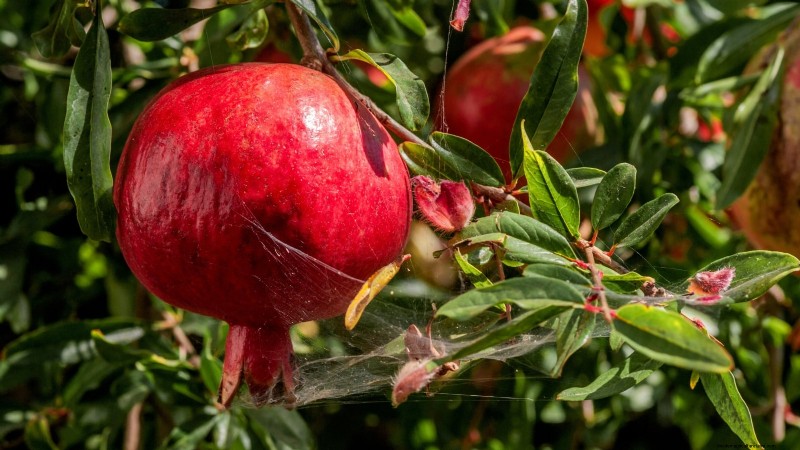
Angel Red stands out for its juicy, sweet fruit and soft, chewable seeds—perfect for snacking or juicing. The vivid red berries complement bright spring blossoms, giving the tree a striking ornamental presence. After planting, maintain consistent watering to establish a robust root system; once established, Angel Red is drought‑tolerant and requires minimal additional water.
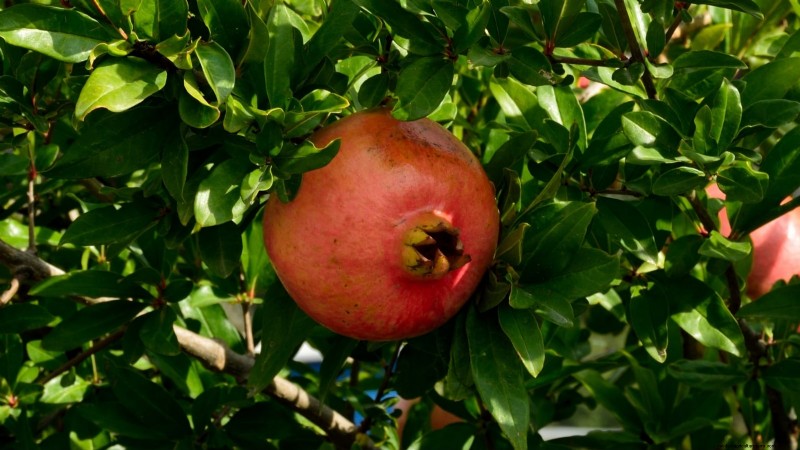
Parfianka produces large, ruby‑red arils that are both juicy and sweet, making it a delightful option for fresh consumption or culinary use. The tree tops out at about 12 feet, striking a balance between garden presence and space economy—ideal for small yards or container growth with careful pruning. Harvest begins in the fall, perfect for holiday baking and preserves. With proper storage, the fruit can last well into winter.
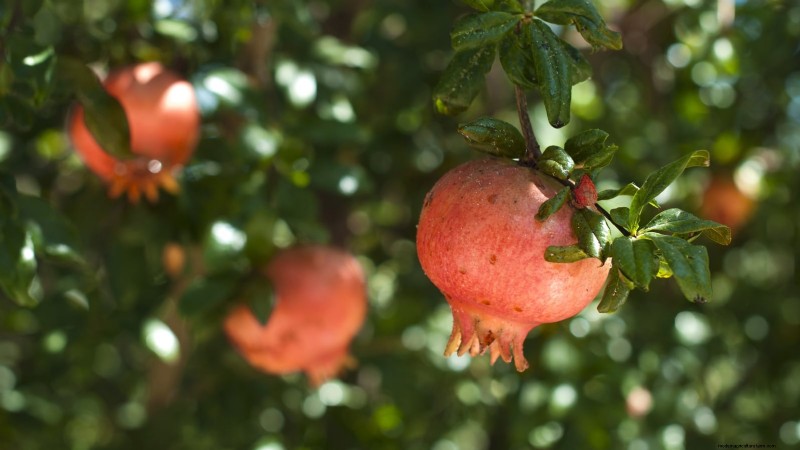
Surh‑Anor delivers exceptionally sweet, juicy fruit with a pale reddish skin and crystal‑clear arils, ideal for juice enthusiasts. Its resilience is notable: it thrives in both hot and cooler climates, requiring minimal care once established. Though pruning is optional, it can help control size in limited spaces. The tree is drought‑tolerant after establishment, but regular watering during early growth is essential for root development.
When choosing a pomegranate variety, consider climate, space, and desired fruit characteristics. All of these cultivars offer a blend of ornamental appeal, flavor, and manageable maintenance—making them a dependable addition to any home garden.