Welcome to Modern Agriculture!

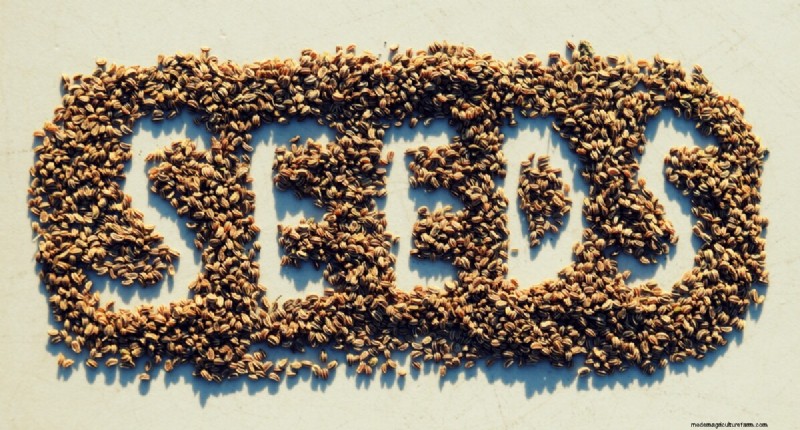
As winter settles, the garden lies dormant beneath a protective mulch layer. Trees stand bare, birds are silent, and the sight of green life feels distant. Yet for the passionate gardener, this quiet season is when dreams take root and plans take shape. Soon, seed catalogs will arrive in the mail—one of my favorite winter rituals to read by the stove.
Whether you farm, homestead, or grow in containers, you’ll likely place seed orders to awaken the soil once spring returns.
Some of us, however, keep alive a tradition that predates printed catalogs: we preserve our own seed supply. Stored in a freezer, sealed baggies, or labeled jars, these seeds let us grow flowers, fruits, and vegetables without depending on commercial suppliers.
Seed saving has evolved through cycles of acceptance and neglect, yet today it enjoys a vibrant renaissance among modern growers.
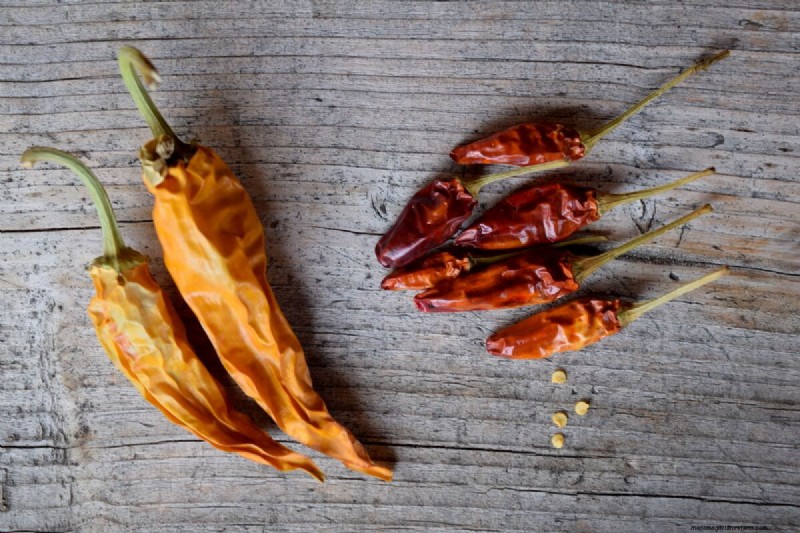
Wondering why this practice matters? Below are six compelling reasons to start saving your own seeds.
For me, self‑reliance is the core motivation behind seed saving. A garden can only thrive if you have seeds, and buying them annually ties you to a third‑party. By cultivating a personal seed bank, I ensure I can plant whatever I want, regardless of market fluctuations.
During the pandemic years of 2020 and 2021, many seed companies ran out of stock as new gardeners flooded the market. Those of us with home seed banks could continue planting uninterrupted, highlighting the resilience of self‑sufficiency.
Mastering seed collection and preservation is one of the most valuable skills for any homesteader.
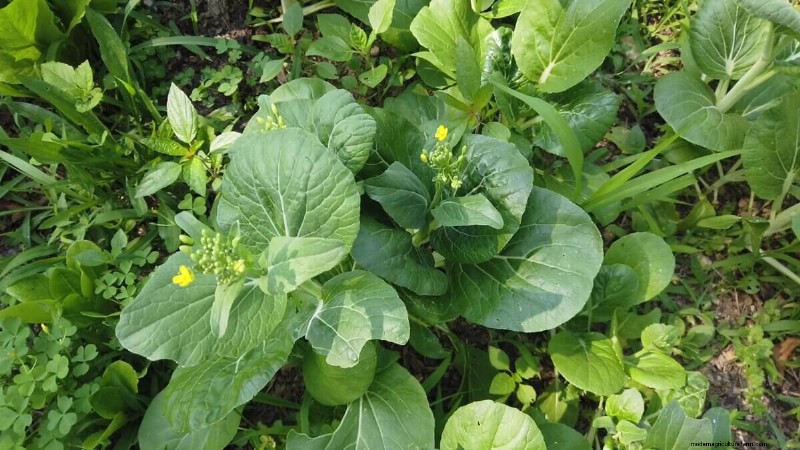
Repeatedly growing and selecting seeds in your own environment produces plants that are better suited to your local climate. Over time, your crops become hardier, healthier, and more vigorous—an adaptive advantage especially in drought‑prone areas.
Consider the Blacktail Mountain watermelon, a cold‑hardened variety developed by a gardener in Idaho who selected the strongest plants each season. Through careful selection, he produced seeds that thrive in conditions where watermelons usually fail.
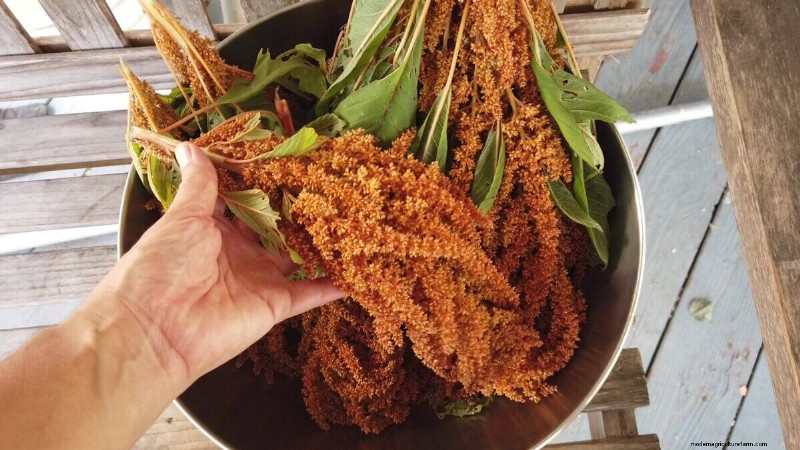
Tomato guru Brad Gates notes that the past decade has seen more tomato innovation than all previous years combined. The diversity of modern varieties—California Wonder, Black Krim, Blue Lake—exists because breeders and growers experiment and share.
You’re not limited to catalog seeds. If you’re interested in breeding your own landrace varieties, seed saving gives you the foundation to guide selection and develop new traits.
For inspiration, explore Breed Your Own Vegetable Varieties by Carol Deppe and Landrace Gardening by Joseph Lofthouse.
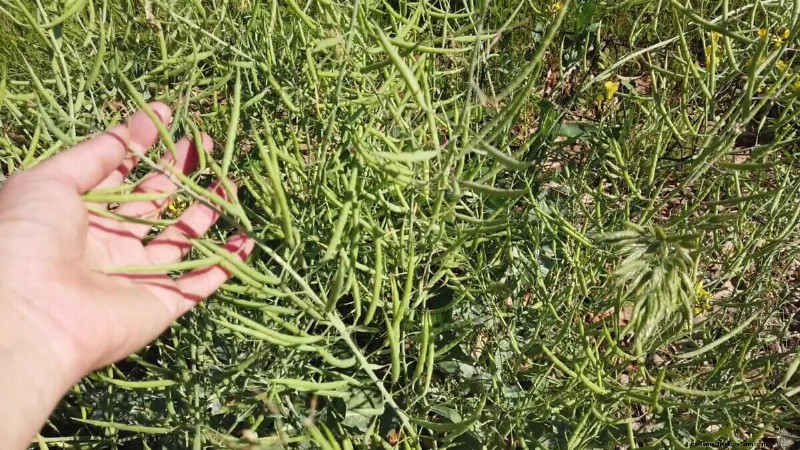
Heirloom seeds carry stories—be they ancient melon seeds recovered from archaeological digs or beans that traveled the Trail of Tears. Naming conventions honor people and places: Thelma Sander’s Sweet Potato Squash, Aunt Mary’s Corn, Inchelium Red Garlic, and the North Georgia Candy Roaster Squash.
In the 1980s and 1990s, many heirlooms teetered on the brink of extinction. Those who saved seeds preserved not just varieties but cultural heritage.
When you save seeds, you join a lineage of stewards who safeguard plant diversity for future generations.
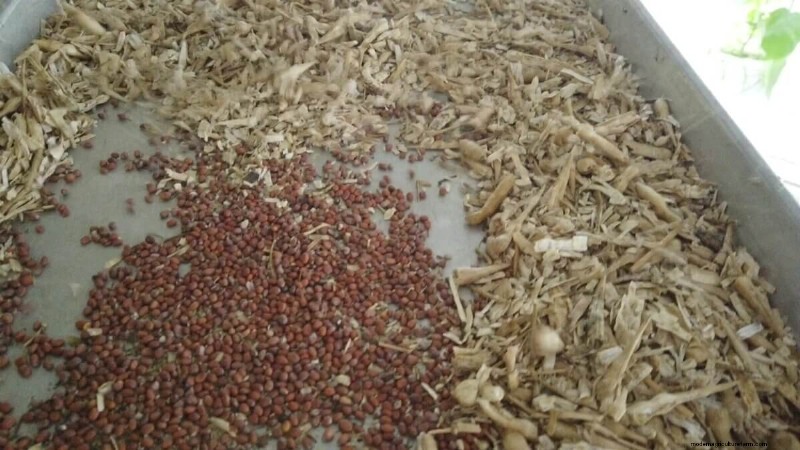
Beyond practicality, seed saving is a pure pleasure. The ritual of cracking dried pods, sifting chaff, and filling jars with future harvests brings quiet satisfaction—a small but meaningful joy in a chaotic world.
Seed savers quickly find themselves with more seeds than they can plant. Rather than waste, many donate or share extras—feeding chickens, gifting neighbors, or contributing to food banks and community gardens.
Connecting with others amplifies impact. The Seed Savers Exchange offers a platform to swap seeds and knowledge. Local seed libraries or community seed swaps foster collaboration, storytelling, and friendship.
Have I convinced you? If you’ve never tried seed saving, give it a go this spring. I’ll publish how‑to guides for common garden staples throughout the winter. Once you start, it’s hard to stop—and that’s a good thing.