Welcome to Modern Agriculture!

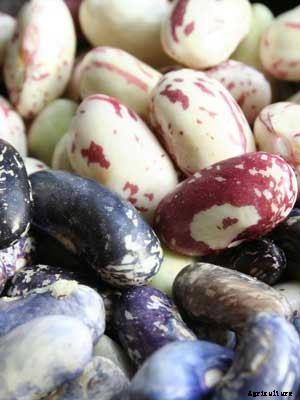
Legumes (Pea and Bean family) ●
Average, well drained soil.
Full sun.
Warm-season annuals, cannot tolerate frost.
Mix an organic fertilizer into the soil before planting, using rates given on the label. Supplemental fertilizer seldom required.
Celery, Corn, Cucumber, Potatoes, Strawberry, Catnip, Rosemary and Lettuce.
Single Plants: 9" (25cm) each way (minimum)
Rows: 7" (20cm) with 1' 1" (35cm) row gap (minimum)
Plant seeds 2 inches deep and 3 inches apart in late spring, after the last frost has passed and the soil is warm. Make additional sowings until midsummer.
Our Garden Planner can produce a personalized calendar of when to sow, plant and harvest for your area.
The pods of many dry beans can be eaten as snap beans when very young.
Gather pods when they dry to tan. Allow the harvested beans to dry indoors for one to two weeks before storing in a cool, dry place. Most varieties produce all at once.
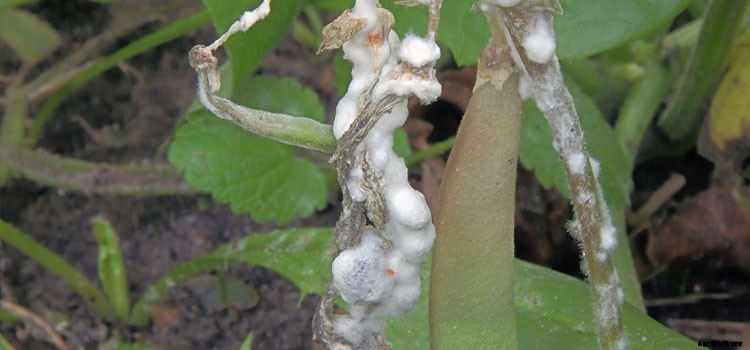
Pods that come into contact with soil are prone to rot. Mulch to prevent this problem.