Welcome to Modern Agriculture!

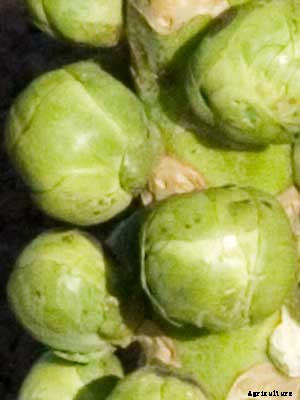
Brassicas (Cabbage family) ●
Rich, deep soil, firm with plenty of well rotted compost dug in to provide abundant organic matter.
Full sun.
Yes, improves with frost.
Mix a high-nitrogen compost into the soil before planting.
Beet, Buckwheat, Calendula, Carrot, Chamomile, Dill, Marigold, Mint, Nasturtium, Onion, Onions, Rosemary, Sage, Thyme, Potatoes and Agastache.
Single Plants: 1' 11" (60cm) each way (minimum)
Rows: 1' 11" (60cm) with 1' 11" (60cm) row gap (minimum)
Where summers are cool, start indoors in early spring and set plants out when they have 5 or more leaves. In other areas, start seeds indoors in summer and set out plants 8 weeks before your first fall frost date.
Our Garden Planner can produce a personalized calendar of when to sow, plant and harvest for your area.
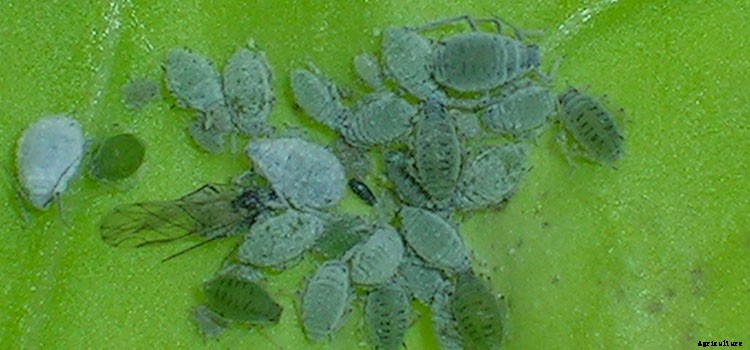
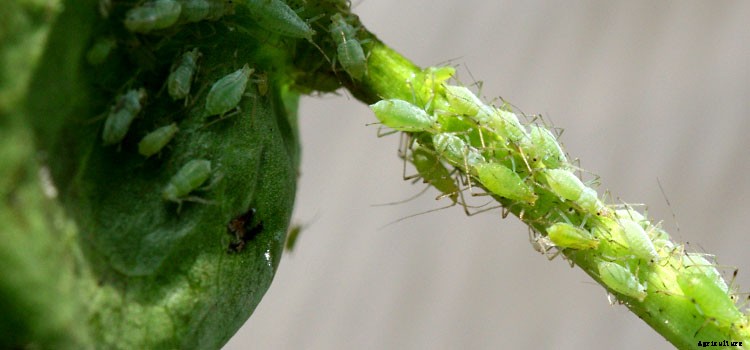
Under the coldest conditions, colonies of gray-green cabbage aphids can seriously infest plants. Control early outbreaks with insecticidal soap.
Harvest from the bottom of the plant upward, twisting off sprouts that are larger than a marble. Removing nearby leaves helps to make room for growing sprouts.