Welcome to Modern Agriculture!

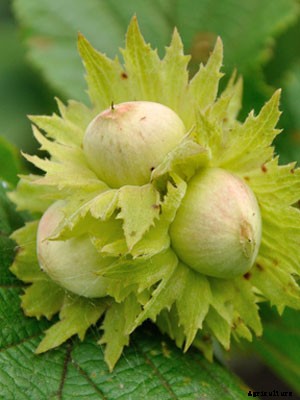
Miscellaneous ●
Prefers well-drained loamy or sandy soil.
Sheltered spot in full sun or partial shade. Can be grown as a hedge.
Yes
Mulch with well-rotted organic matter in spring.
Hops, Apple, Cherry, Gooseberry, Red Currant, White Currant, Black Currant and Crimson Clover. Corridors within the orchard that are planted with clovers and other legumes contribute to soil fertility and attract pollinators.
Single Plants: 14' 9" (4.50m) each way (minimum)
Rows: 14' 9" (4.50m) with 14' 9" (4.50m) row gap (minimum)
Prepare a large hole by breaking up the soil and adding plenty of well-rotted organic matter. A wide hole is better than a very deep one. Mulch after planting, and encircle the trunk with a wire cage or protective pipe to protect the young tree from animal and insect pests.
Our Garden Planner can produce a personalized calendar of when to sow, plant and harvest for your area.
Self-fertile but pollination is improved by growing in groups with two or more cultivars present. Begins to bear after five years. Healthy filbert trees will bear twenty years or more. Filberts grow best in climate such as the Pacific Northwest, where winters are chilly yet mild.
Harvest when the husks begin to turn yellow in early fall.
The nuts are much-loved by squirrels, birds and rodents.