Welcome to Modern Agriculture!

Miscellaneous ●
Any fertile soil with excellent drainage.
Full sun to partial shade.
None. Geraniums are easily damaged by frost.
Mix a standard application of a balanced organic fertilizer into the soil prior to planting along with a generous helping of well-rotted compost. When growing geraniums in containers, use a coarse potting soil that drains well. Fertilize established geraniums monthly from midsummer to fall.
Corn, Dahlia, Rose, Grape Vine and Beet. Upright geraniums look best in groups, or as the central focal point in mixed containers.
Single Plants: 11" (30cm) each way (minimum)
Rows: 9" (25cm) with 1' 1" (35cm) row gap (minimum)
Only a few geranium varieties are available as seed, which tends to be slow to germinate. Most gardeners buy geraniums as inexpensive bedding plants, set out in spring as soon as danger of frost has passed. Many of the showiest varieties are propagated from rooted stem cuttings rather than seeds. Large varieties may need wider spacing, or you can grow them in 14-inch (35cm) diameter containers.
Our Garden Planner can produce a personalized calendar of when to sow, plant and harvest for your area.
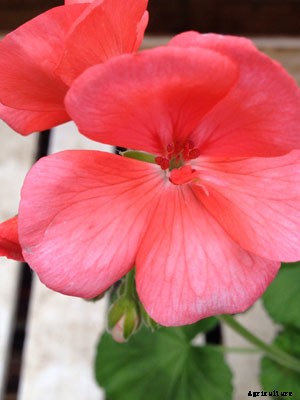
Individual geranium plants produce new flower clusters every three weeks when older blooms are snipped off. Trailing varieties are great for containers. Red, white and pink are the strongest geranium colors.
Geraniums bloom longer and stronger when old blossom clusters are promptly removed.
Geraniums that dry out often can be brought back to life with regular water and fertilizer. Excessive rain can cause geraniums to rot.