Welcome to Modern Agriculture!

Miscellaneous ●
Well-drained soil of average fertility.
Full sun.
Limited, though young seedlings often survive light frosts.
Mix a light application of a balanced organic fertilizer into the soil prior to planting. In midsummer, drench plants with a liquid fertilizer to prolong bloom time.
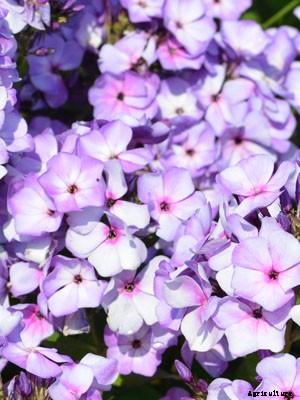
Agastache, Coreopsis, Echinacea, Gaillardia and Catnip. Annual phlox is a heavy bloomer that looks best when grown in clumps or masses. It is an excellent flower to naturalize along fences, or you can include it in a wildflower meadow.
Single Plants: 5" (15cm) each way (minimum)
Rows: 5" (15cm) with 5" (15cm) row gap (minimum)
Sow annual phlox seeds indoors to get a head start, or you can plant the seeds where you want the plants to grow two weeks before your last spring frost is expected. Transplant carefully, without disturbing the roots.
Our Garden Planner can produce a personalized calendar of when to sow, plant and harvest for your area.
Annual phlox attracts butterflies and beneficial pollinators. In warm climates, annual phlox sometimes reseeds but it is never invasive. Colors include rose pink, white, purple and light pink.
After annual phlox has bloomed heavily for a few weeks and is slowing down, cut back the plants by half their size. The new growth will produce a second flush of flowers.
In humid climates, powdery mildew often appears on tired plants in late summer.