Welcome to Modern Agriculture!

Miscellaneous ●
Any well drained soil.
Full sun.
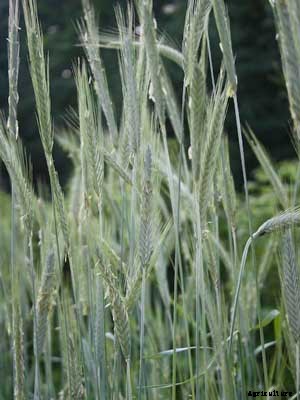
Most varieties of cereal rye can survive temperatures to -20F (-29C) if the plants are well rooted before the ground freezes.
When using cereal rye to improve very poor soil, mixing a balanced organic fertilizer into the soil before planting will give better results.
Winter Field Beans, Winter Peas and Hairy Vetch. In spring, widely spaced rye plants can serve as trellises for garden peas.
Single Plants: 3" (10cm) each way (minimum)
Rows: 3" (10cm) with 3" (10cm) row gap (minimum)
Sow in early fall, though cereal rye will germinate in mid fall, after the soil has lost its warmth. Broadcast seed into cultivated soil so that the seeds are about 3 inches (7 cm) apart and one-half inch (1 cm) deep. No thinning is required. Increase spacing to 8 inches (20cm) apart when growing cereal rye with other cover crops.
Our Garden Planner can produce a personalized calendar of when to sow, plant and harvest for your area.
Primarily grown to increase organic matter and break up dense subsoil. Can be sown later in the fall than other cover crops.
Mow down plants in spring, before they develop seeds. Or, gather the immature seed tops and dry them for arrangements, and then pull up the plants. They can be used as mulch or composted.
Deer often nibble cereal rye in winter.