
Welcome to Modern Agriculture!

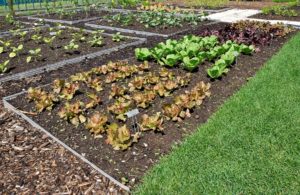 How do you put a value on your vegetable garden and the crops you grow? It depends upon what you want in return for the time you spend and the space your garden requires.
Fresh vegetables. If you want a steady supply of fresh vegetables for the table, make small successive planting over several weeks or a month or two so that your crops will come to harvest in small quantities and can be taken fresh to the table at harvest.
Flavor. If you are gardening for flavor, grow crops that you can pick at their peak and serve immediately. These are crops that do not store well, that will lose flavor in even a few days: tomatoes, sweet corn, peas.
Storing. If you are growing to keep vegetables on hand over several weeks or months, choose vegetables that will not lose flavor or texture when kept in the refrigerator or pantry: cabbage, potatoes, and dry onions.
Freezing, canning, or drying. If you plan to preserve your crops for long term use, you will need larger quantities of a crop and all of the crop should come to harvest at the same time.
Saving money. If you are growing vegetables to save money–spend less at the grocery store, then you will want to concentrate your efforts on crops that usually cost more per pound: tomatoes, summer squash, and peppers.
Here’s my list of crops that will give you very good value for your time, effort, and space.
Now, let’s compare more than 30 crops:
Several seasons ago, the agronomists at Washington State University Extension compared the relative quality, productivity, and monetary value of commonly home grown vegetables. They made three comparisons: 1) the quality of garden grown crops to store bought crops; 2) the crop yield to the square feet required to grow the crop; 3) the money saved by growing your own compared to the cost at the grocery store. A “High” rating is the best value.
How Vegetables Compare in Quality, Production, and Monetary Value*
*Source: Washington State University Extension

