There are two types of savory: summer savory and winter savory. Summer savory is a bushy annual that grows 12 to 18 inches high. Winter savory is spreading perennial that grows 6 to 12 inches high. Summer and winter savory share a peppery flavor, but summer savory is milder. Use the leaves of either to flavor meat, beans, and other vegetables. Put summer savory in cooking water and it will cut the odors of cabbage, turnips, and other strong-smelling vegetables.
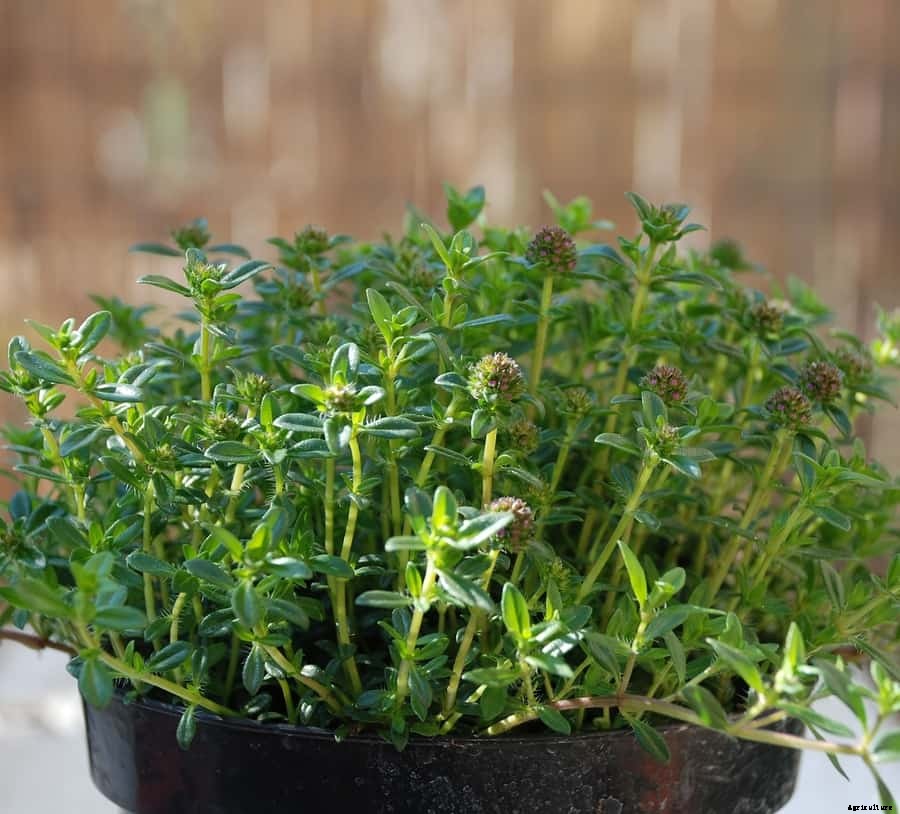 Get to Know Savory
- Botanical name and family: Satureja hortensis(summer savory); Satureja montana (winter savory); both are members of the Lamiaceae—mint family.
- Common name.Summer savory, winter savory
- Origin: Mediterranean, Southern Europe
- Type of plant: Summer savory is annual; winter savory is a perennial.
- Growing season: Summer
- Growing zones: Summer savory can be grown in zones 1 to 11 as an annual; perennial winter savory grows in zones 5 to 11.
- Hardiness: Summer savory can tolerate heat but not cold; winter savory can tolerate both heat and cold to 10°
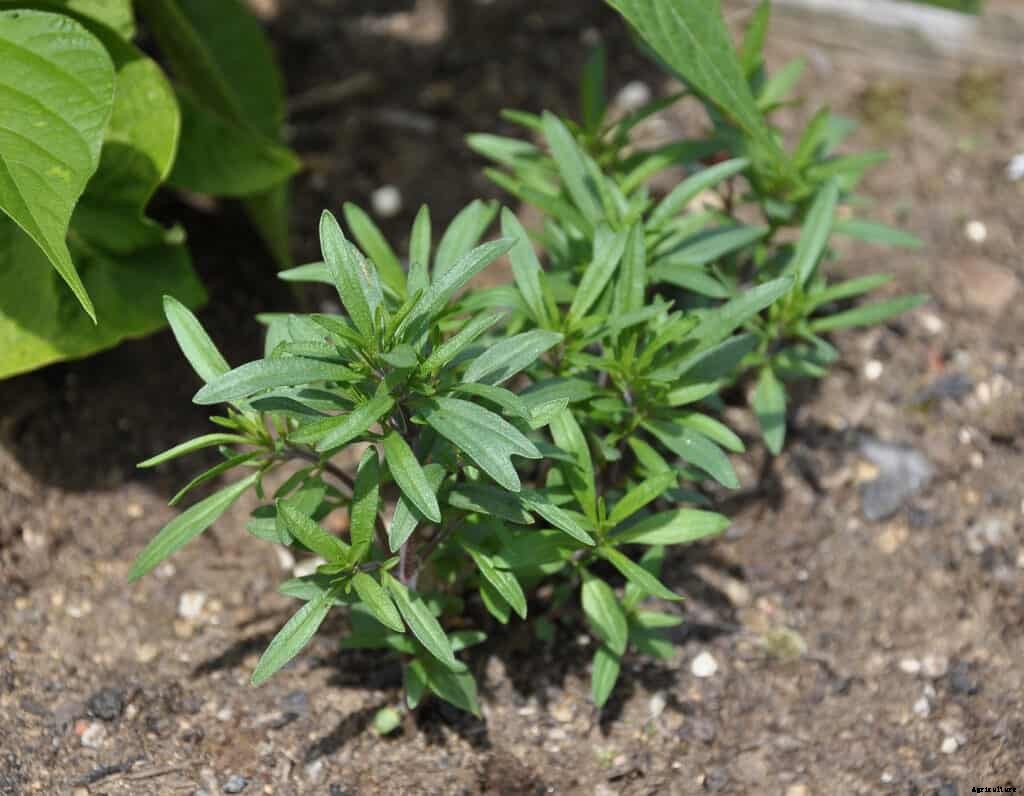
- Plant form and size: Summer savory grows upright to 18 inches in a loose, open fashion; it has narrow, aromatic leaves to 1½ inches long; leaves grow in pairs along the stem. Winer savory has a lower spreading growth habit; stems grow 6 to 15 inches high and are light green at the upper ends but become brown and woody at the base; leaves are narrow to roundish to 1 inch long.
- Flowers: Both have loose spikes of tiny white, pink, or pale lavender flowers.
- Bloom time: Summer
- Leaves: Both savories have linear, gray-green leaves from ½ to 1 inch long. Leaves grow opposite one another in pairs and at a right angle to the pair below.
How to Plant Savory
- Best location: Plant both summer and winter savory in full sun.
- Soil preparation: Summer savory prefers a rich, well-drained organic soil; winter savory prefers well-drained, sandy soil. Savory prefers a soil pH of 6.7 to 7.3.
- Seed starting indoors: Sow seed indoors as early as 6 to 8 weeks before the last frost. Seeds can take 14 days or longer to germinate. Germination of winter savory can be erratic.
- Transplanting to the garden: Set seedlings in the garden after the last frost in spring.
- Outdoor planting time: Sow savory in the garden in spring about the time of the average last frost date. Both summer and winter savory can be started from cuttings and divisions also.
- Planting depth: Sow savory ¼ inch deep. Savory will germinate with no soil cover.
- Spacing: Space plants 12 to 18 inches apart. Space rows 12 to 18 inches apart. Winter savory may require more room than summer savory.
- How much to plant: Grow 2 to 4 plants of both summer and winter savory for cooking; grow 6 to 8 plants of each for preserving.
- Companion planting: Grow summer savory with beans and tomatoes. Planting savory near onions is said to make onions sweeter. Grow winter savory with other perennials including hyssop, lavender, thyme, and sage. Honeybees are attracted to savory flowers.
 How to Grow Savory
- Watering: Savory require regular even watering until established. Once savory is established it can be kept on the dry side.
- Feeding: Savory does not require extra feeding. Side dress plants with aged compost at midseason.
- Mulching: Protect winter savory from freezing temperatures with a thick mulch of dried leaves or straw. Remove the mulch in spring.
- Care: Summer savory grows so quickly that it can become top-heavy and may require staking. Winter savory is a perennial; it should be cut back to a few inches tall each spring and replanted every 4 to 5 years. Trim plants regularly to encourage new growth.
- Container growing: Summer and winter savory can be grown in containers. Grow summer savory as an annual. Choose a container at least 6 inches deep and wide. Over-winter container-grown winter savory in an unheated garage or patio.
- Winter growing: Winter savory is hardy to about 10°F. Protect plants in winter with a thick mulch of chopped leaves or straw. Grow summer savory indoors in winter.
Troubleshooting Savory
- Pests and diseases: Summer and winter savory have no serious pest or disease problems.
How to Harvest Savory
- When to harvest: Harvest savory fresh as needed, both leaves and stems. Collect leaves for drying just before the flower buds open. Winter savory can be harvested year-round. Snip the tops of the branches to extend the harvest.
- How to harvest: Use a garden pruner or scissors to snip leaves and stems. For dried leaves, cut 6- to 8-inch stems just before flowering.
 Savory in the Kitchen
- Flavor and aroma: Summer savory has a taste similar to thyme with a bit of a peppery bite. Winter savory is spicier than summer savory. Use the milder flavored summer savory in the summer; use winter savory in the winter.
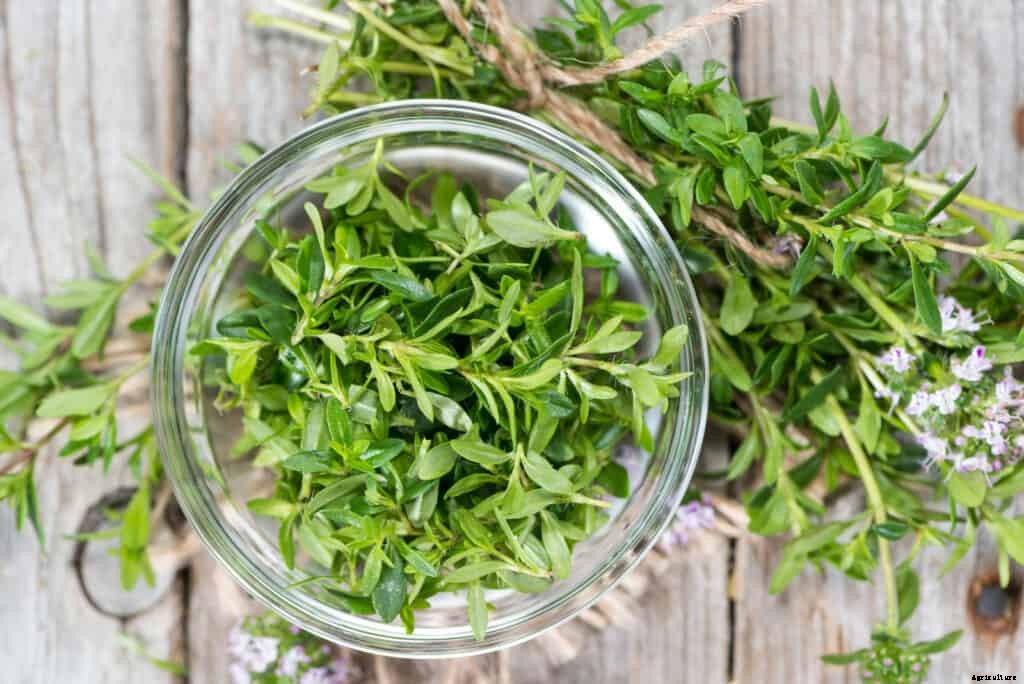
- Leaves: Add fresh savory leaves to season soups, stews, cabbage, potatoes, and other root crops. Use leaves with lentils, eggs, vegetables, sausages, beef, pork, poultry, fish, teas, butter, vinegar, and jellies. Dried leaves can be used to coat goat cheese. Blend leaves with butter or soft cheese.
- Culinary companions include beans and vegetables.
- Note: Do not use winter or summer savory during pregnancy.
Preserving and Storing Savory
- Drying: Strip leaves from stems and dry on a screen in a cool, shady place. Leaves can be dried in a hanging mesh bag or in the refrigerator on a paper towel-lined tray.
- Storing: Dried leaves should be stored in an airtight container.
Propagating Savory
- Seed: Seeds germinate in light; they do not need to be covered. Because seeds are slow to germinate, propagation from cuttings or divisions may be preferred.
- Cuttings: Start winter savory in summer from root cuttings 4 to 6 inches long placed in moist potting mix or sand.
- Division: Divide older winter savory plants in spring or fall.
- Layering: Long winter savory stems can be weighed to the ground and covered with soil to root.
Also of interest:
How to Grow Mint
How to Grow Thyme
How to Grow Oregano
How to Grow Parsley
How to Start a Herb Garden
Growing Herbs for Cooking


