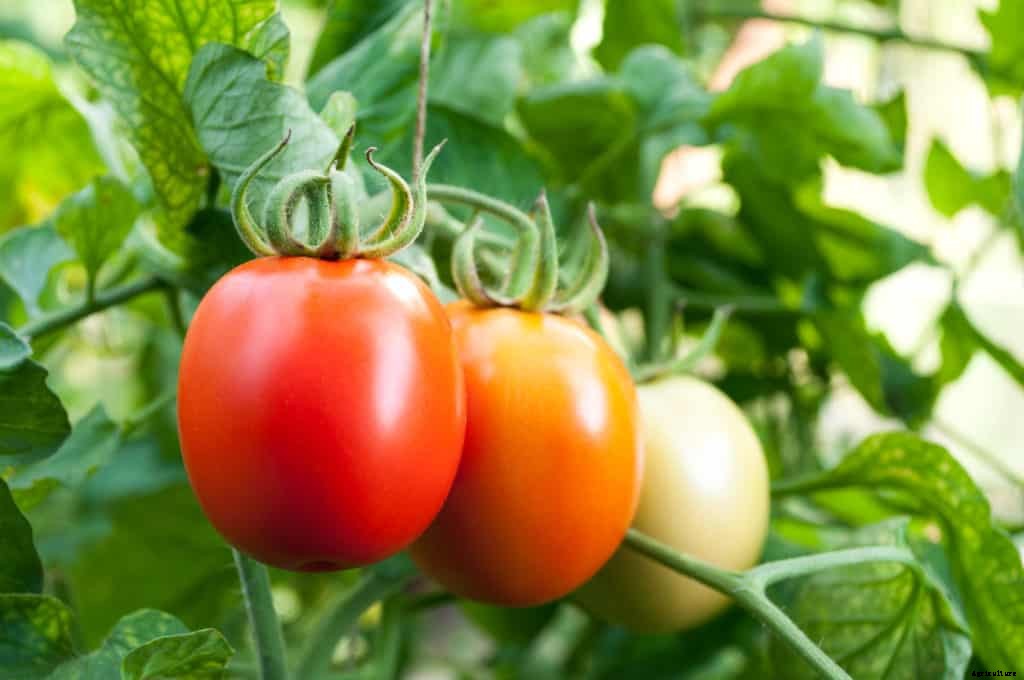
 Grow enough tomatoes this year for fresh eating and also for cooking, canning, or preserving (if that’s what you have in mind). But don’t grow more than you can use or give away.
Planting more tomatoes than you need is a fairly common mistake. (A mistake you’re never fully aware of until late in the summer.) Some forethought before the growing season begins will save time, effort, and space in your garden for other crops.
Best tomato growing tips: How to Grow Tomatoes.
Two or three tomato plants for each person in the household should give you just the right amount for fresh eating.
Which tomatoes should you grow? Here is a roundup of the most popular, easiest growing, and easiest to find tomato varieties. Keep this list handy when ordering seeds or going to the garden center. This list should help you find the right tomatoes for you and your family’s needs, and it will help you time the planting of tomatoes for the coming season.
To use the lists below, here are some abbreviations and explanations:
Open-pollinated (OP) or Hybrid (H) Tomatoes. Look for the note in the charts next to the varietal name. Tomatoes can be divided into two basic types: open-pollinated and hybrid. Open-pollinated (OP) tomatoes pollinate themselves and produce offspring just like themselves in looks and taste. Hybrid (H) tomatoes are a cross between two varieties which can occur on purpose or by accident. Tomato breeders cross-pollinate differing varieties to create plants with specific attributes. The difference between open-pollinated and hybrid is important for several reasons; one important consideration for you is if you intend to save the seed from one or two of your tomatoes at the end of the season and hope to use them next year to start a new garden. You can with open-pollinated seed; you can’t with hybrid seed. The hybrid seed will not grow true.
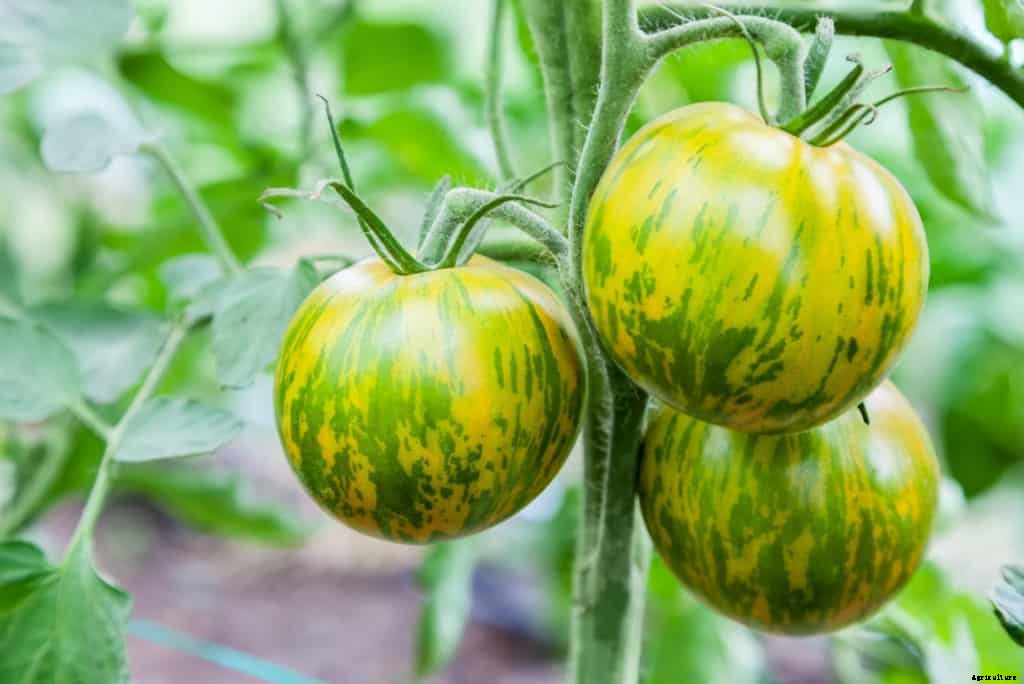
Notable among open-pollinated tomato varieties are heirloom tomatoes or old-fashioned tomatoes. Heirloom tomatoes have been around for generations and include dozens and dozens of plants that have very desirable natural mutations or traits. Heirloom tomato varieties are often well-suited to a particular climate or region.
Disease resistant notes. Disease-resistant varieties are identified by a letter code which will be found on seed packets or transplant identification stakes: “V” (verticillium wilt), “F” (fusarium wilt), “N” (nematodes–microorganisms that cause root cankers); and “T” (tobacco mosaic virus). Resistant varieties are noted after the variety name of each tomato in the chart below.
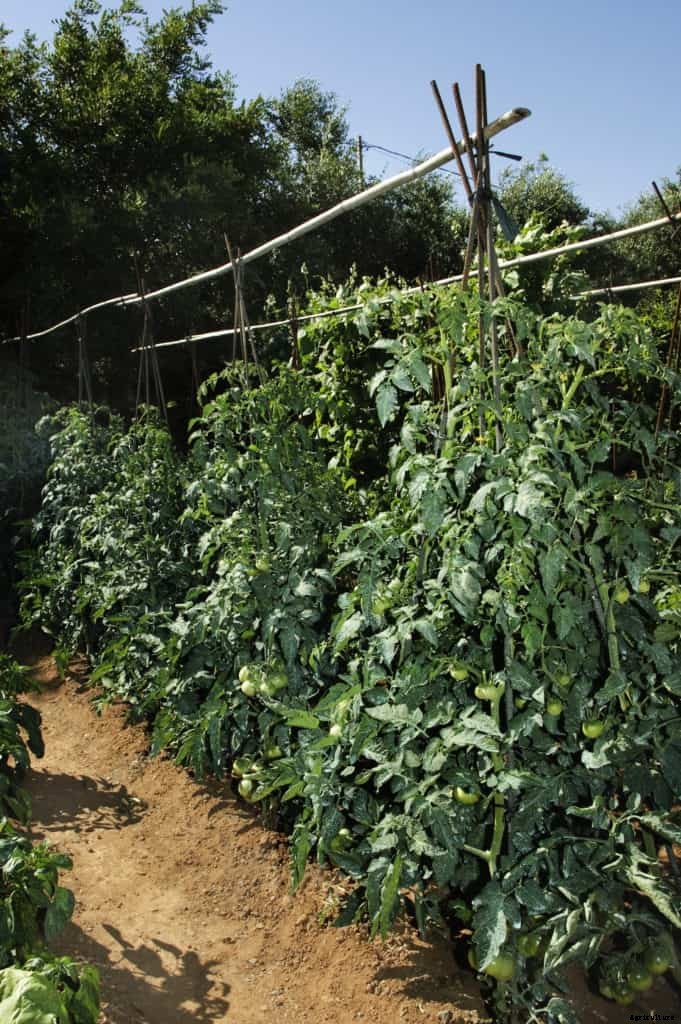
Determinate and indeterminate tomato varieties. Determinate (D) varieties produce bushy plants just a few feet tall that tend to come to harvest all at the same time–usually over a period of about 4 weeks. Determinate cultivars are a good choice in short-season regions because they tend to ripen more quickly.
Indeterminate (I) varieties are vining plants that keep on growing, producing new clusters of flowers, and fruiting until the first frost. These plants tend to be continuous producers but they can grow unwieldy and will require staking, caging, or trellis growing.
Growing suggestion. Where the growing season is long, plant determinate tomatoes for a quick early harvest and also plant late-maturing indeterminate tomatoes for a continuous supply through the summer.
Days. The days listed in these charts are the number of days to maturity or harvest from the time of seed sowing. But this time is under optimal seed starting conditions–meaning a soil germination temperature of 85°F. If you are sowing seed in the garden or in less than optimal circumstances add 5 to 10 days or more to this number.
Use. Meaning how you plant to use the tomato in the kitchen: C=Container or miniature variety; these are often used as salad or snacking tomatoes. S=Slicing or fresh eating tomatoes; use these on sandwiches. P=Paste or cooking tomatoes.
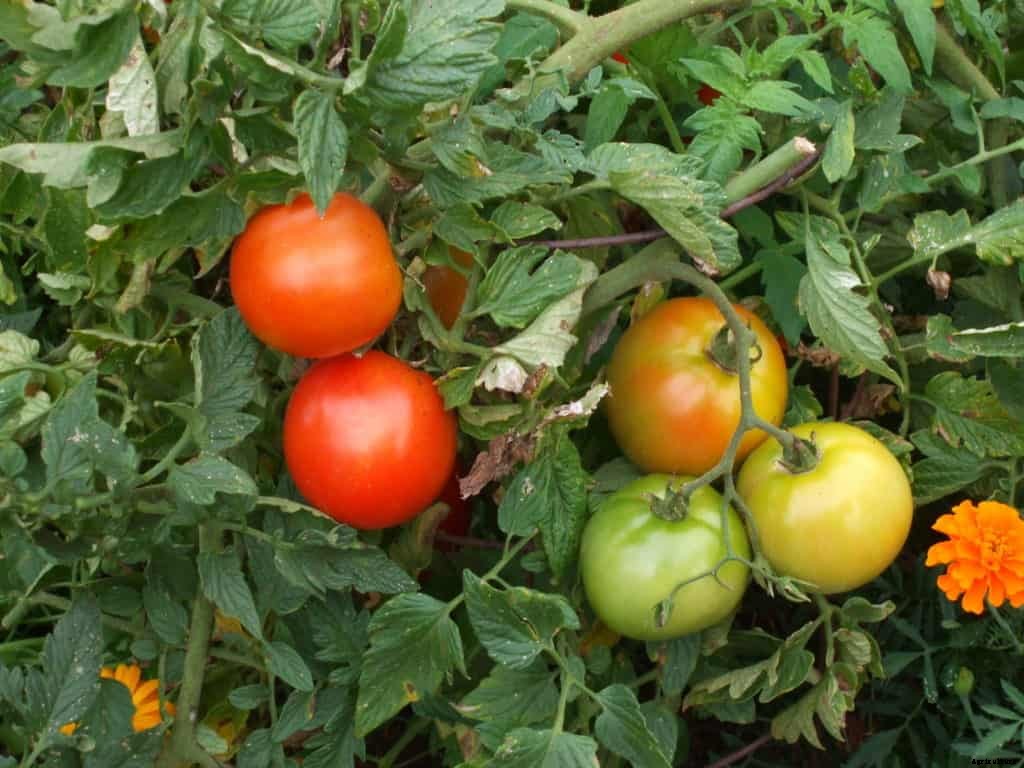
Early Harvest Tomato Varieties (50-65 days). Early harvest or first-early tomatoes are more compact than main-season tomato varieties. Many of these cultivars are suited to short-growing season regions or cool-summer regions. Generally, these tomatoes will be small to medium-sized.
Early-Harvest Variety |
D/I |
Days |
Color |
Use |
Comments |
Burpee’s Pixie (H)
D
60
Red
C
16-inch plants
Bush Beefsteak (OP)
D
62
Red
S
Large, firm
Champion (H) VFNT
I
65
Red
S
Smooth, large
Cherry Grande (H) VF
D
58
Red
C
Large cherry tomato
Early Cascade VF (H)
I
61
R
S
Salads, sandwiches
Early Girl (H) VFF
I
62
Red
S
Favorite early crop
Earliana (OP)
I
65
Red
S
Mild flavor
Earlirouge (OP)
D
65
Red
S
Sets fruit in extreme temperatures
Glacier (OP)
D
54
Red
S
Good flavor
Gold Nugget (OP)
D
60
Gold
C
Nearly seedless
Ida Gold (OP)
D
55
Orange
S
Cold tolerant
Juliet (H)
I
62
Red
P
AAS winner
Marmande (OP) VF
D
65
Red
S
French gourmet
New Yorker (OP) V
D
64
Red
S
Small, compact, early
Orange Pixie (H)
D
52
Orange
C
1-to-2-inch fruits
Oregon Spring (OP)
D
60
Red
S
Adapted to cool regions
Pilgrim (OP)
D
65
Red
S
Compact, good flavor
Quick Pick (H) VFNT
I
60
Red
S
Good flavor
Red Currant (OP)
I
65
Red
C
Small, big flavor
Siberia (OP)
D
50
Red
S
Tolerates cold
Small Fry (H)VFN
D
60
Red
C
Cherry-size 40 to cluster
Stupice (OP)
I
55
Red
S
Cool, short season
Sub-Arctic Maxi (OP)
D
52
Red
S
Very cold tolerant
Sun Gold (H)
I
65
Red
C
Sweet and early
Super Chief (H)
D
60
Red
S
Very early; large fruits
Sweet Chelsea (H)
I
65
Red
C
Drought tolerant
Taxi (OP)
D
64
Yellow
S
Compact
Tigerella (Mr. Stripey) (OP)
I
56
Orange-Yellow
S
Tangy flavor
Tiny Tim (OP)
D
55
Red
C
Grow in a hanging basket
Whippersnapper (OP)
D
52
Dark Pink
C
Extra early
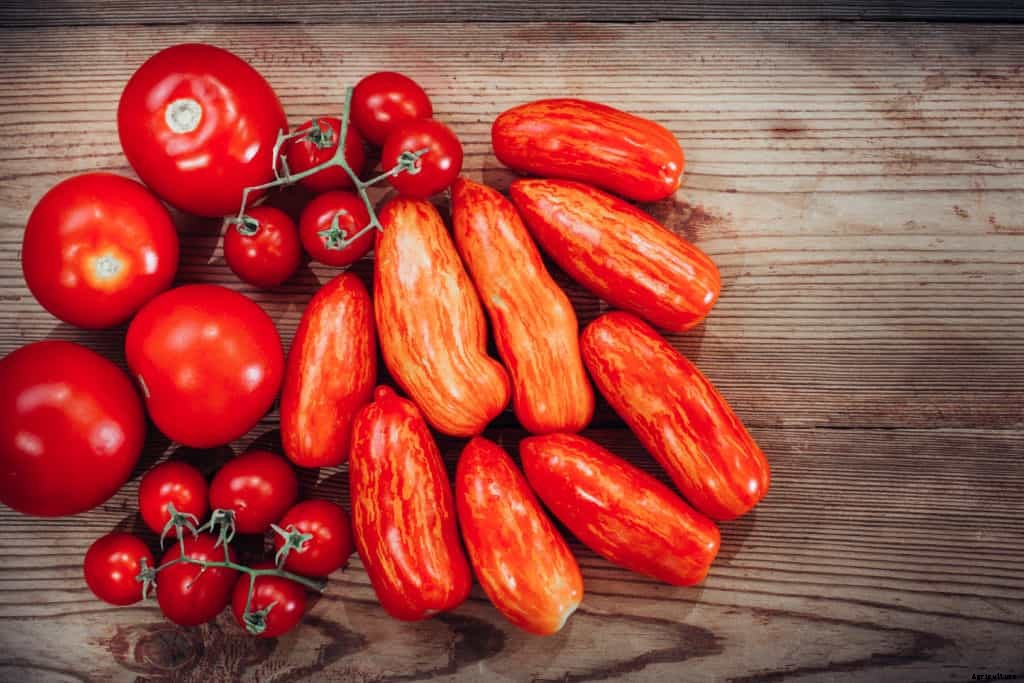
Main-Crop Tomato Varieties (65-80 days). Main-crop or mid-season tomato varieties generally bear larger fruit. These tomatoes are well-suited for summer growing and are very good producers. Many can be pruned and trained to stakes or grown in wire cages or on trellises.
Main-Crop Variety |
D/I |
Days |
Color |
Use |
Comments |
Abraham Lincoln (OP)
I
78
Red
S
Flavorful old-timer
Bellstar (OP)
D
70
Red
P
Large plum type
Better Boy VFV (H)
I
72
Red
S
Flavorful, firm
Big Boy (H)
I
78
Red
S
Meaty, long season
Black Prince (OP)
I
70
Dark red
S
Compact, tasty and juicy
Bonny Best (OP)
I
70
Red
S
Old-fashion favorite
Brandywine (OP)
I
85
Pink-red
S
Heirloom; superb flavor
Burpee’s Big Girl (H) VF
I
78
Red
S
Crack-resistant
Burpee’s Supersteak (H) VFN
I
80
Red
S
Rich flavor, beefsteak
Burpee’s VF (H)
I
72
Red
S
Firm, meaty
Campbell 1327 (OP)
D
75
Red
S
Firm, smooth
Celebrity (H) VFNT
D
70
Red
AAS winner
Cherokee Purple (OP)
I
72
Pink-purple
S
Multicolor flesh, southern heirloom
Creole (OP)
I
72
Red
S
Southern favorite
Dutchman (H)
I
80
Dark pink
S
Low-acid beefsteak
Evergreen (OP)
I
72
Green
S
Green flesh, mild flavor
First Lady (H)
I
66
Red
S
Disease resistant
Floramerica (H) VFN
D
70
Red
S
AAS winner
Gardener’s Delight (OP)
D
65
Red
C
Sugar sweet
Glamour (OP)
I
74
Red
S
Crack-resistant
Golden Boy (H)
I
75
Yellow-orange
Good grower
Heat Wave (H) VFF
D
68
Red
S
Heat tolerant
Heinz 1350 (OP) VF
D
75
Red
P
Canning variety
Homestead 24 (OP)F
D
82
Red
S
Southern performer
Husky Gold (H) VF
I
70
Gold
S
AAS winner
Jet Star (H) VF
I
72
Red
S
Flavorful, low acid
Lemon Boy (H)
I
72
Yellow
S
Mild flavor
Marglobe (OP) F
D
75
Red
S
Smooth, firm
Monte Carlo (H) VFN
I
75
Red
S
Smooth, long season
Mortgage Lifter (OP) VFN
I
85
Red
S
Southern beefsteak
Park Whopper (H) VFNT
I
65
Red
S
Good disease resistance
Patio Hybrid (H) F
D
70
Red
C
Good yield, favorite
Persimmon (OP)
I
80
Orange
S
Fine flavor
Ponderosa (OP)
I
90
Pink
S
Beefsteak
Porter (OP)
I
65
Red
S
Heat resistant
Quick Pick (H)
I
79
Red
S
Heavy yields
Red Pear (OP)
I
70
Red
S
Small fruited
Roma (OP) VF
D
75
Red
C
Standard paste variety
Rutgers (Jersey) (OP)
I
74
Red
P
Canning favorite
Small Fry (H) VF
D
72
Red
C
Heavy yields, compact
Solar Set (H)
D
70
Red
S
Heat tolerant
Sunray (OP) F
I
80
Yellow-orange
S
Widely grown
Super Fantastic VF (H)
I
70
Red
S
Smooth, long producer
Supersonic (H) VF
D
79
Red
S
All-around performer
Super Sweet 100 (H)
I
70
Red
S
Sweet and productive
Sweet Million (H) FN
I
60
Red
S
Improved Sweet 100
Sweet 100 (H)
I
65
Red
C
Big yields
Terrific (H) VFN
I
70
Red
S
Meaty, long season
The Juice
D
Red
PS
For canning or juice
Valencia (OP)
I
75
Orange
S
Maine heirloom
Veepick
D
Red
P
Plum; peels easily
White Beauty
I
White
S
Mild and sweet
Wonder Boy (H) VFN
I
80
Red
S
Heavy producer
Yellow Currant (OP)
I
70
Yellow
C
Very small
Yellow Pear (OP)
I
76
Yellow
C
Mild; preserves salads
Yellow Plum (H)
I
70
Yellow
C
Preserves and salads
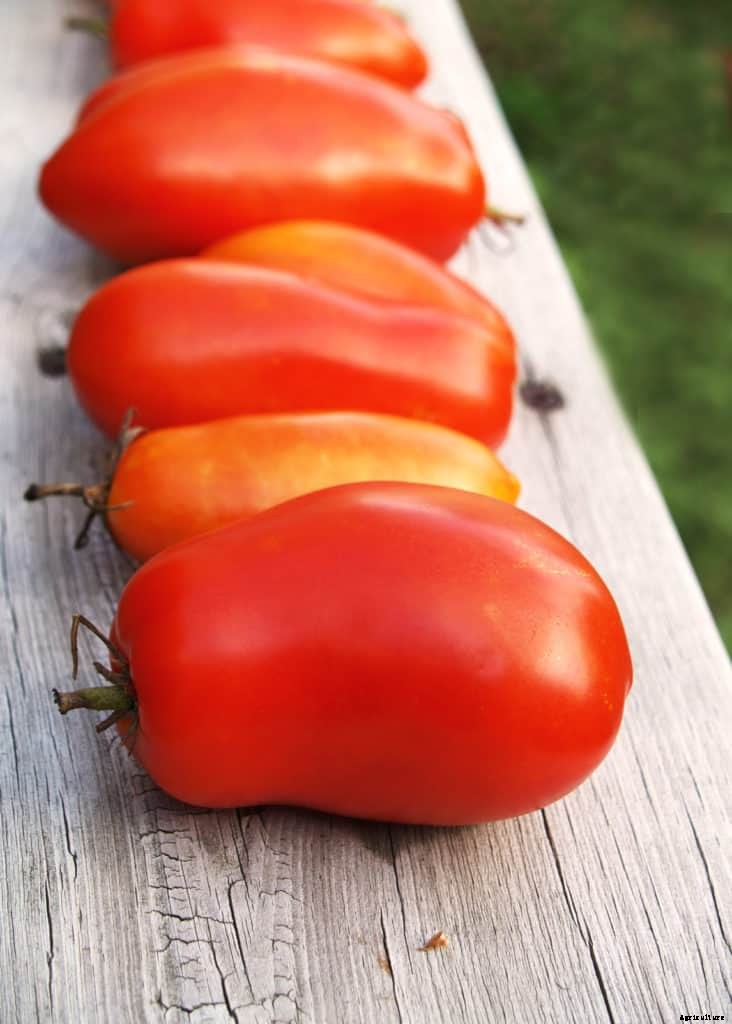
Late-Season Tomatoes (80+ days to Harvest). Late-season tomato varieties are long-stayers in your garden. Grow these tomatoes only if you have a generous growing season. Late-season tomatoes tend to be larger and juicier because they take full advantage of the summer season.
Late-Season Variety |
D/I |
Days |
Color |
Use |
Comments |
Ace 55 VF (OP)
D
80
Red
S
Tart to sweet
Arkansas Traveler (OP)F
I
90
Red
S
Southern heirloom
Beefmaster (H) VFN
I
80
Red
S
Meaty, flavorful
Beefsteak (OP)
I
90
Red
S
Large, delicious
Big Rainbow (OP)
I
102
Green-red
S
Long season
Brandywine (OP)
D
80
Pink-red
S
Good flavor
Burgess Stuffing (OP)
I
74
Red
S
Mild
Cal-Ace (H) VF
D
90
Red
S
Adapted to arid areas
Caro Rich (OP)
D
80
Orange
S
Cool climate
Delicious (OP)
I
77
Red
S
Beefsteak
Doublerich (OP)
D
80
Red
S
Canner
Giant Belgium (OP)
I
90
Dark Pink
S
Low acid; large fruit
Golden Boy (H)
I
80
Yellow
S
Mild flavor
Green Grape (OP)
D
80
Yellow-green
S
Sweet-tart
Green Zebra (OP)
I
80
Green-yellow
S
Mild flavor
Homestead 24 (OP) F
D
82
Red
S
Adapted to the South
Oxheart (OP)
I
86
Red
S
Old favorite
Pineapple (H)
I
90
Red-Yellow
S
Striped Heirloom
Pink Ponderosa (OP)
I
90
Red
S
Meaty, old-timer
San Marzano (OP)
I
80
Red
P
Mild, meaty; paste-type
Super Bush (H)
D
70
Red
S
Big yielder
Tangerine (OP)
I
85
Yellow-Orange
S
Heirloom beefsteak
Best tomato growing tips: How to Grow Tomatoes.
If you’ve got tomato questions turn to The Tomato Grower’s Answer Book.


