
Welcome to Modern Agriculture!

Introduction to cinnamon tree planting, cinnamon growing questions, and answers, tips, ideas, techniques: Cinnamon is a spice made from the inner bark of a variety of Cinnamomum tree species. Cinnamon is mostly used as an aromatic condiment and flavouring addition in several cuisines, including sweet and savoury dishes, breakfast cereals, snack foods, tea, and traditional foods.
Cinnamon plants grow little flowers and have glossy green to yellow-green foliage. The oils in the bark and leaves give them a pleasant scent. And the spice is made from the inner bark of a variety of species. Cinnamon plants grow slowly too moderately, and they can be planted in the spring or early fall.
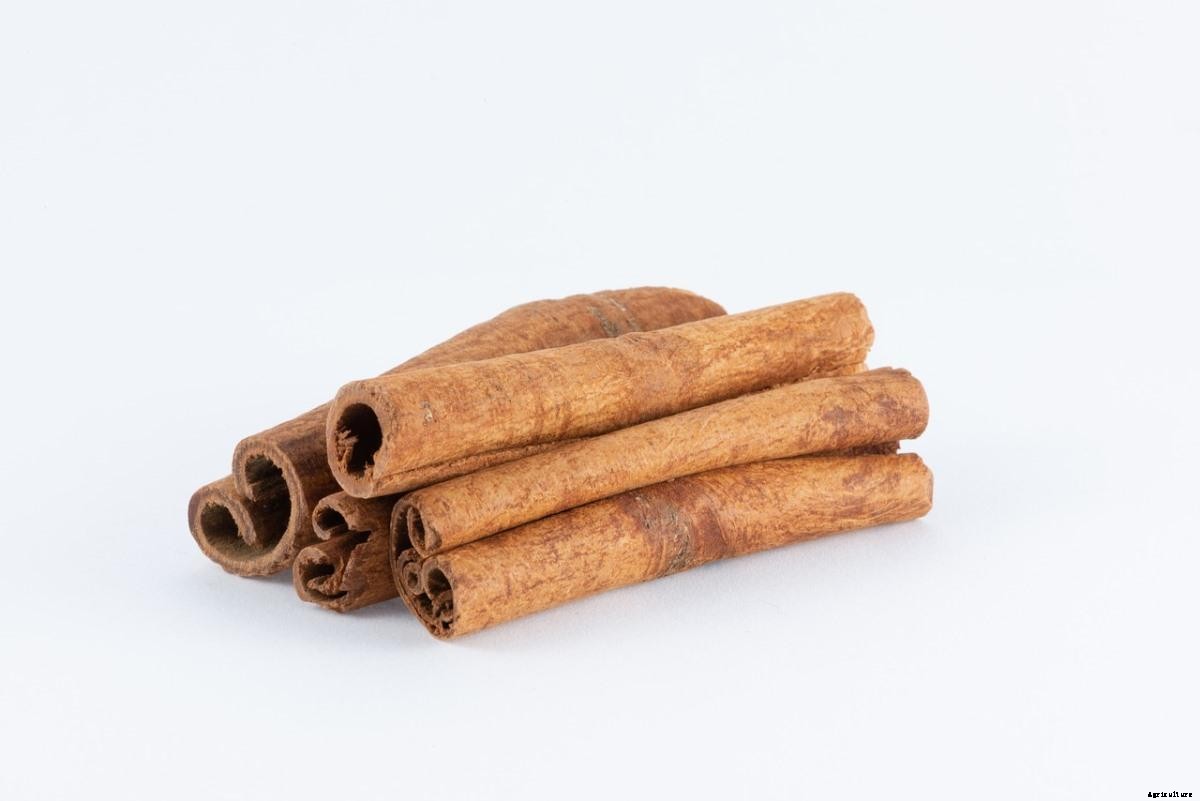
Be careful to give enough room for your species’ mature size when planting. To ensure that your cinnamon plant receives enough light, place it several feet away from other trees and plants. Instead of seeds, most gardeners start with young nursery plants. Dig a hole the size of the root ball of your plant and enrich the soil with compost. Plant the cinnamon, gently press the earth down, and give it plenty of water.
In case if you miss this: Best Gardening Techniques, Tips, and Ideas.
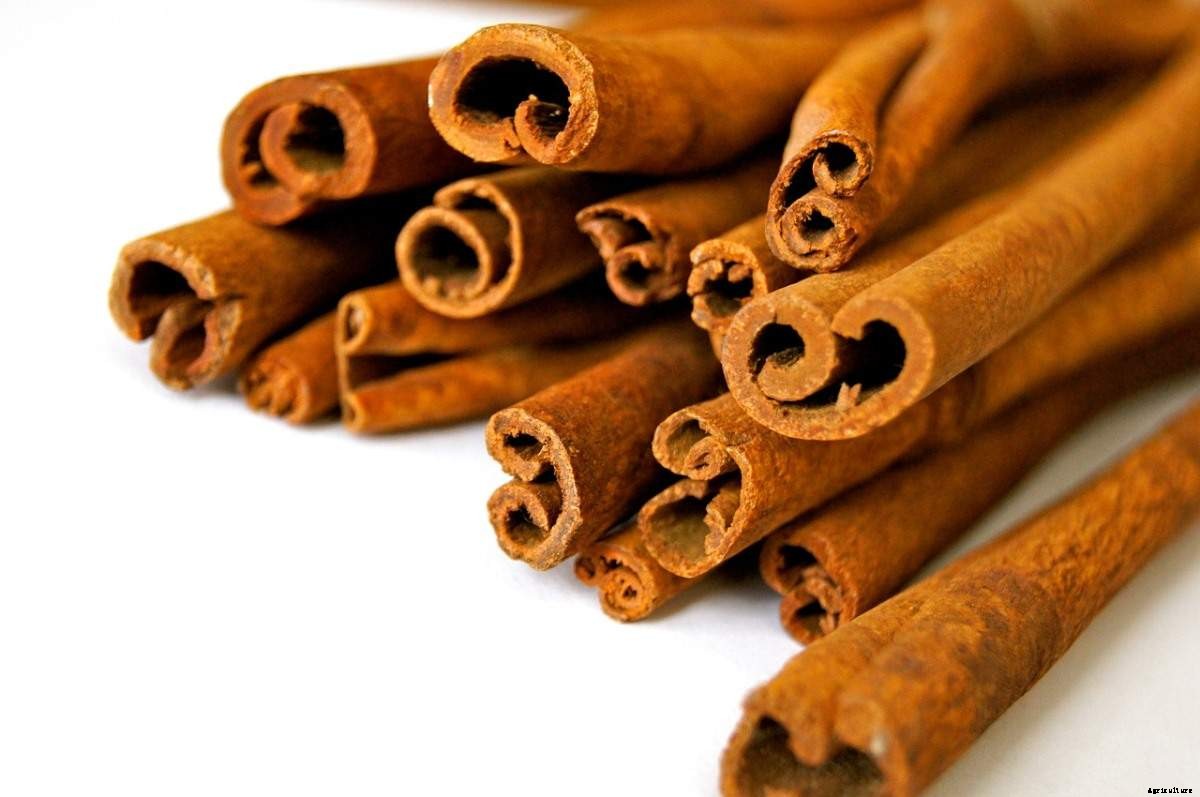
Cinnamon plants thrive in full sun, which means at least six hours of direct sunshine on most days. In really hot and dry conditions, though, they will benefit from some afternoon shade.
Cinnamon plants prefer soil that is rich and drains well. It’s best to use a sandy loam. They don’t do well in wet soils, thus heavy clay or hardpan soils aren’t a good fit for them. Consider growing cinnamon in a container if your soil isn’t suitable.
Because these plants prefer the consistent rainfall that they get in the tropics, you should try to mimic it using irrigation when rain is scarce. Use mulch to keep the roots cool and the soil moist when the top two inches of soil have dried out.
To get your cinnamon plant started, use a balanced, slow-release fertilizer in the planting hole. Then, every spring, you need to fertilize according to the label’s instructions.
Now, let us discuss some frequently asked questions about cinnamon gardening;
How about this: How To Grow Organic Spinach At Home.

Cinnamon can be harvested two to three years after it is planted, and then every two years after that. Individual branches can be chopped off, or the entire tree can be taken down at the trunk. Ground-grown trees frequently develop new shoots that will eventually grow into new trees.
Cinnamon Cuttings: How to Grow It
It prefers well-drained, acidic soil and full sun to moderate shade to thrive. Ceylon cinnamon trees can be pruned to a maximum height of 3 to 8 feet when grown in a 12- to 14-inch container.
Cinnamon is a deciduous tree with oval-shaped leaves, strong bark, and berry-like fruit. The bark and leaves of the plant are the principal parts used while harvesting the spice. The bark is chopped into 5 to 10 cm or 2 to 4 inches strips for sale once it has dried.
Cinnamon trees thrive in moist, well-drained soils and rarely grow taller than 15 meters or 49 feet.
The requirement for frost protection. Trees can reach a height of 10 to 15 meters; however, they are normally cut to stay at approximately 3 meters. They make a wonderful indoor plant and may be grown in huge pots. These uncommon cinnamon trees are 8 to 12 months old and reach a height of 40 to 70cm.
Water – Because these plants prefer the consistent rainfall that they get in the tropics, you should try to mimic it using irrigation when rain is scarce. Use mulch to keep the roots cool and maintain soil moisture after the top 2 inches of soil has dried out.
During dry months, water the tree twice a week, and mist it occasionally with a light spray of water from a hose. Cinnamon trees thrive in humid environments.
Cinnamon can be harvested for the first time after three years of planting, with two harvests every year. When the stem’s bark turns brown and the diameter of the stick is around 3 to 5cm, it’s time to harvest.
Cinnamon has a long history of use in the kitchen. In containers, it’s simple to grow. Cinnamon plants can survive for years without particular care if the soil is maintained slightly dry.
You’ll need to chop down a portion of the cinnamon tree and remove the outermost layer of bark to harvest it. Scrape off the cinnamon coating in sheets with a paint scraper, and then let the cinnamon cure in a warm setting. You can use the cinnamon in its curled-up shape or grind it into powder.
Trim your tree’s whips and cut them into 3-inch chunks. Then sever the bark from the stem by cutting into it. It should be easier to remove than mature bark. Allow the bark to dry completely before curling into “cinnamon sticks.”
Yes, you can grow a cinnamon tree indoors in a pot with appropriate drainage holes and sunshine. It’s best if the soil is slightly acidic.
Cinnamaldehyde, an oily yellow liquid found in cinnamon leaves and bark and used as an insecticide with low mammalian toxicity, was the most effective component. Cinnamyl acetate, a key component of cinnamon’s aroma, is utilized in perfumes and pest control.
Cinnamon repels bugs not only because of its smell but also because it contains eugenol, a chemical molecule present in other insect repellents. Eugenol is a flavouring ingredient made from a naturally occurring aromatic molecule produced mostly from cloves.
Leaf spot/blight caused by Colletotrichum gloeosporioides and grey leaf spot/blight produced by Pestalotia cinnamomi is the two most common diseases of cinnamon.
The cinnamon tree, as we’ve seen before, thrives in direct sunshine. You must either set your containers in a bright and sunny greenhouse or in a location that receives sufficient sunshine during the day. Cinnamon trees can reach a height of 4 to 5 feet or 1.0 to 1.5 m if given the appropriate circumstances indoors.
Cinnamon plants thrive in a warm, humid environment. Temperatures of 27°C are ideal for optimum growth in their natural habitat. They don’t fare well when the temperature drops below 4°C or when the weather is too dry.
Cinnamon seed should be planted in a well-balanced soil with half silt and half clay, as well as enough organic materials. Plant the seeds 3/4 inch into the soil mix and keep them properly watered. In 15 to 20 days, the seeds will germinate. Until they are 6 months old, trees should be kept in indirect light.
Propagation of plants Cinnamon can be reproduced through cuttings, layering, or division of the root ball. A cutting is normally obtained from an established mother plant by removing a partially developed shoot with at least one node.


