
Welcome to Modern Agriculture!

Growing Vegetables in Dubai
Hello gardeners, we think you are bored with reading all the articles about Indian growing? So, today we are back with a special topic and the topic is all about growing vegetables in Dubai. Do you all want to know how and what are vegetables usually grow in Dubai? Well and then you will need to follow this complete article to know about growing vegetables in Dubai.
Just before beginning your journey to grow a vegetable garden in Dubai, you will need to make sure that you have all the essential tools for gardening, which include the following things:
These are the basic tools that any beginner will need for growing vegetables at home, which can be easily purchased from many stores. Just once you feel more confident about your gardening skills, then you can invest in more high-end gardening tools such as automatic sprinklers, wheelbarrows, and even other such items.
In case if you miss this: Growing Betel Leaf In Pots.
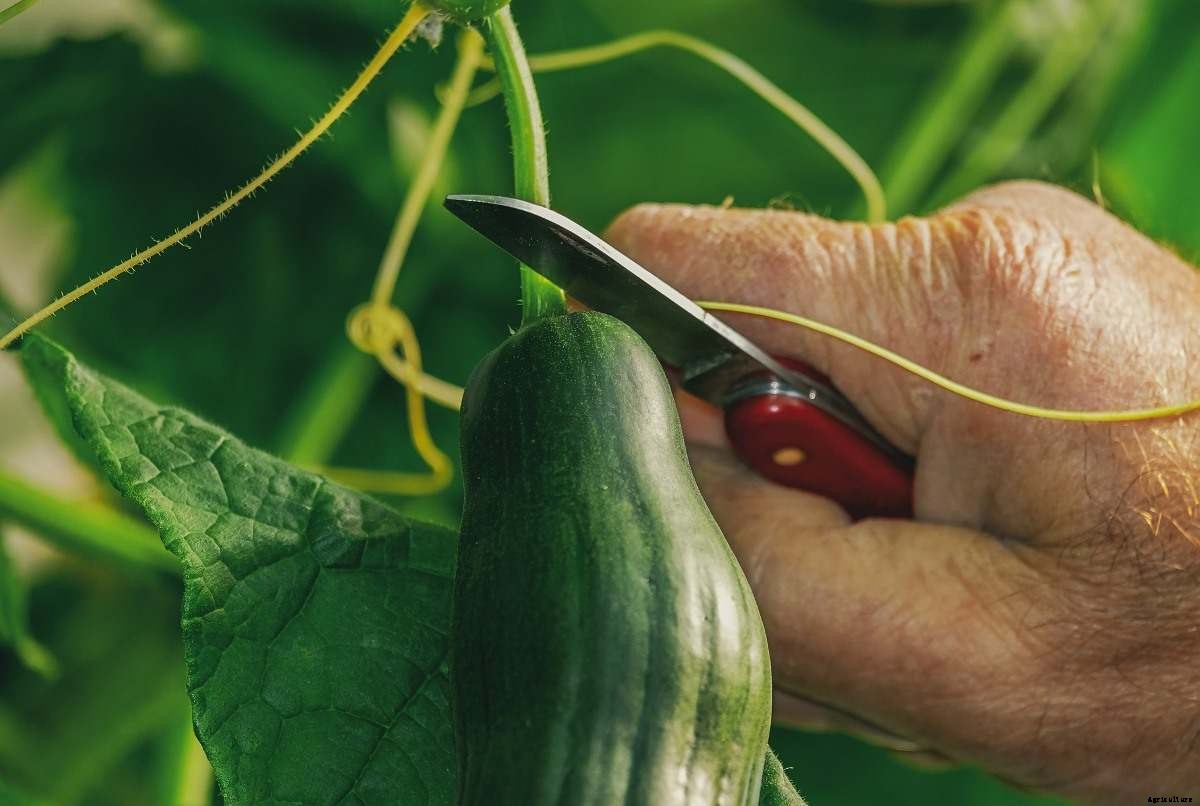
The summer months may be very harsh, but the longer, cooler season makes up for that. To ensure the seeds you sow come to fruition and remain mindful of season-appropriate vegetables. Broccoli, cabbage, root plants, and even herbs can be started in October and November. Save plants that are very sensitive to heat for the end of November, or even the beginning of December – like spinach and even lettuce. To keep your garden lusciously green in the summer – you need to work with very warm weather produce like tomatoes, cucumbers, pumpkins, courgettes, and even corn. Time your harvests wisely – just by sowing your seeds early on so your veggies are ready for harvest before the heat kicks in. A general rule of thumb for most plants is to plant your seeds in October or November. Some plants, like radishes and even lettuce, can be sown in succession.
Treat your plants to rich soil and even good nutrition. You can either buy potting soil or you can create your own by combining equal parts of sand, compost, perlite, and even peat moss or coco peat. This mix easily provides all the necessary components of good soil: drainage, water, and even nutrient retention, and good texture. Whether you mix your soil or buy it pre-mixed, it is very essential to add organic slow-release fertilizer. You can also use manure as well, just ensure it is well-aged, and work it into the soil for two weeks just before planting.
You need to use an organic liquid fertilizer every couple of weeks, which is very essential if you are growing in pots. By using seaweed extract is also good and wonderful. You can practice with this schedule: that is you can alternate weekly between seaweed extract and even liquid fertilizer such as fish fertilizer. These can be either sprayed or even watered into the soil, just ensure your plants are thoroughly watered before adding any fertilizer.
Now that it is winter, your plants will not need to be frequently watered. When watering them, choose the first morning rather than within the evening. Night-time weather is often foggy which results in undesired humidity. Watering your plants in the dark could lead to plant diseases and disorders thanks to increased humidity. Only newly potted plants, germinating seeds and even freshly sown seeds usually require daily watering. Established plants got to be watered less frequently – which inspires deep root growth. This may not only make them stronger but also will train them for the upcoming summer heat.
Take advantage of Dubai’s pleasant winter months by growing veggies you’re keen on eating. Herbs and tomatoes are popular choices but don’t recoil from trying new plants and alternatives to your favourites. For instance, try growing chard as an alternate to spinach. Give Asian vegetables a try – they grow well and may be utilized in some ways. Most of your favourite plants are often started from seed. Practice succession planting, so you’ll harvest longer. Radishes, lettuces, beans, and even spinach are very good options for this. Use some plants like herbs, leafy greens, and leaf lettuces, as cut and are available back and luxuriate in them for extended also.
Don’t water your plants if rain is underway, an excessive amount of water is worse than insufficient. If you’re growing in pots, confirm the drainage holes aren’t blocked. Avoid waterlogging the bottom of your plant pots with water. Excessive water can cause stagnation at the bottom of your plant, causing rotten roots. To unblock any blocked holes, you need to simply tilt your pots to the side and push into the holes gently. Use a pencil, but be gentle. If you’re just planting, then place broken pottery or pebbles at rock bottom. Choose your location wisely; heat and sun-loving plants, like cucumbers and tomatoes, can grow full sun, whereas lettuce, spinach, carrots, and most herbs will enjoy the partial shade. You would like to be prepared to supply some shade in hot spells; shade netting can help with this. However, if you’re growing in pots you’ll simply move the pots into shaded areas as required.
If you are growing cold-sensitive plants, like cucumbers, then protect them from the chilly weather at night by using sheets.
If you’re trying to find the simplest options for growing vegetables for beginners, then try the subsequent, as they will be grown very easily from the leftovers in your home.
Carrots – begin by cutting an in. from the top of the carrot and place it in a shallow dish with a touch of water and keep it in a sunny spot indoors, once you see the roots emerge, you’ll transfer it to the soil to grow an entire carrot.
Peppers or Capsicum – this is often the simplest plant to grow. All you would like to try to do is place the seeds in a pot crammed with soil, which is in a place with tons of sunlight. Once you see the sprout, the whole plant is often transferred to the outdoor kitchen garden.
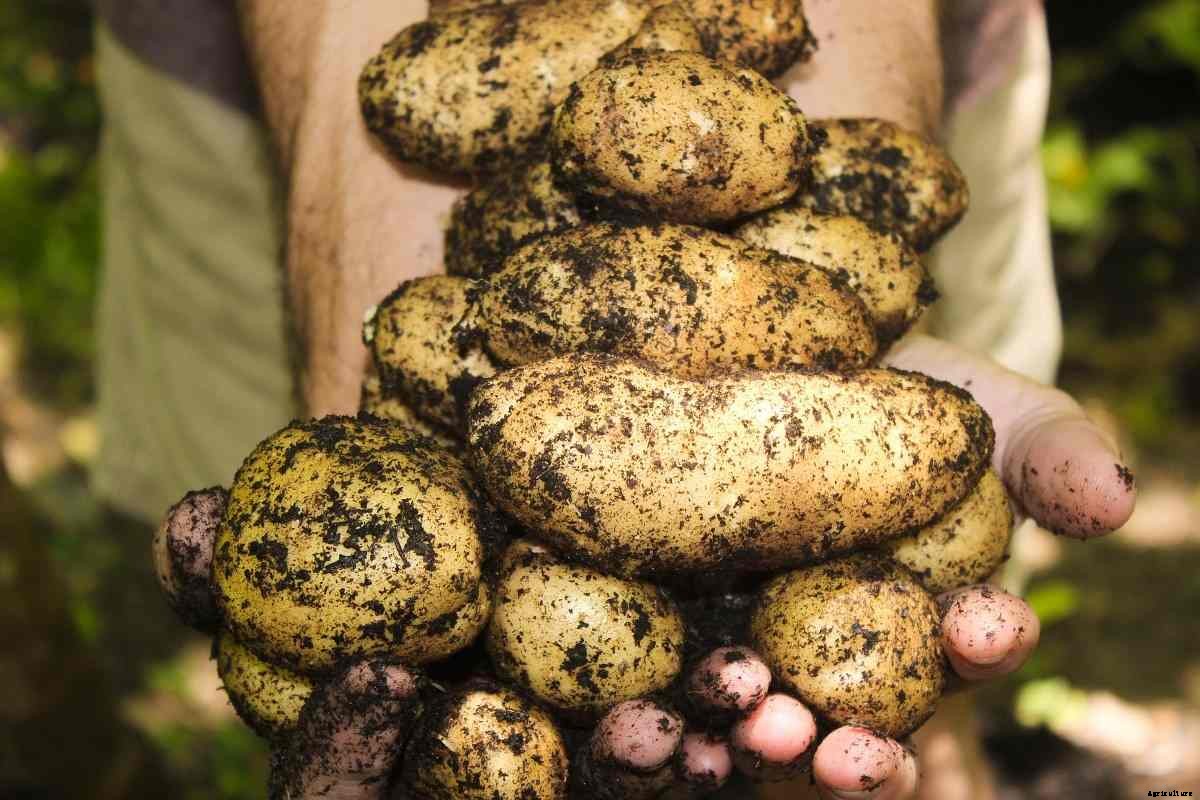
Potatoes – Take the seed potatoes from which eyes (buds) protrude out, cut them into smaller pieces with no but two buds on each bit, and place them within the soil about 3 feet apart.
Garlic – you’ll grow garlic by planting the whole clove into the soil and water it regularly.
All plants grow at a special pace, so if you don’t see any results instantly don’t worry.
When planting an outside garden for the primary time, attempt to use affordable items. Avoid investing in high-end equipment on the primary go because it will take time to urge won’t to the habit of gardening.
Avoid watering your plans several times each day, or in the evenings, as this will create an unfavourable growing environment and may spread diseases. Once, in the morning is that the ideal time to water a plant.
Only the newly planted seeds and plants got to be watered daily on several occasions. Full-grown plants only got to be watered once each day to stimulate the expansion of the roots.
The same goes for potted plants, as overwatering may result in the water collecting at rock bottom causing the roots of the plant to rot.


