
Welcome to Modern Agriculture!

Introduction to Growing Organic Saffron in Containers
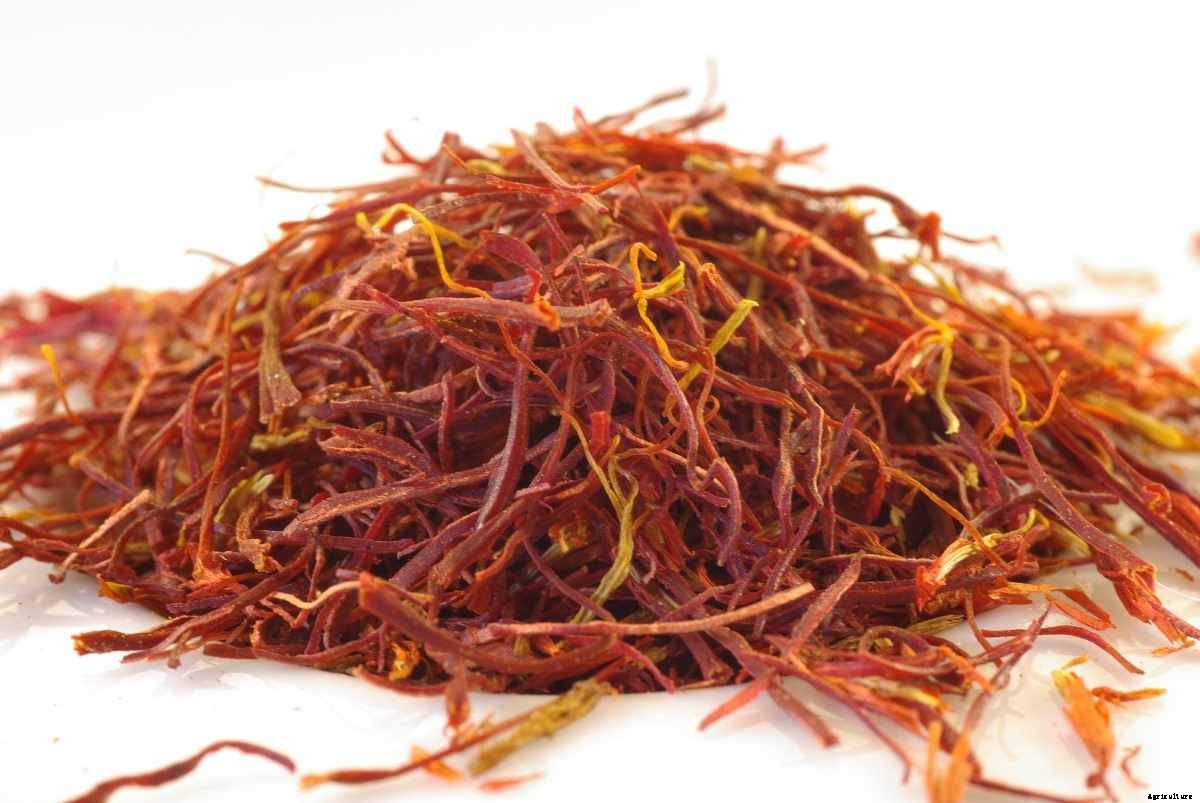
Saffron is a spice derived from the flower of Crocus sativus, commonly called the “saffron crocus”. Saffron is a unique and delicious spice that creates the signature flavor in several dishes. Although the plant is easy to grow, it is the most expensive of all spices. To obtain saffron, the stigmas should be handpicked, contributing to the preciousness of this spice. Saffron needs well-draining soil. If saffron is planted in poorly draining soil, it will rot.
Saffron plants can be grown in the garden or you can put this crocus bulb in containers. Saffron is easy to grow, even indoors, but requires patience. Many gardeners trying to grow saffron find that they are not getting flowers on their plants, although the plants are very healthy.
Saffron needs rich, well-drained soil with a pH level of 6.5. Saffron needs plenty of space and soil. Its corms are typically planted 2 to 4 inches deep and 3 to 4 inches apart. Plant individual corms in 6-inch-wide and 8-inch-deep pots, or plant up to 5 corms in a cross formation in a 12-inch-wide, 8-inch-deep pot. Whatever size pot, make sure it has at least 2 drainage holes at the base because saffron will quickly die in wet soil.
Although saffron doesn’t need as much organic matter or nitrogen as most of your garden vegetables, it does need deep loose soil to grow well. Most herbs can get by with 6 inches of good soil. For saffron plants, 8 inches of soil depth is better.
Heavy clay soils are not suitable for growing saffron and need to be amended with peat, compost, or coconut coir before planting. Good drainage is also necessary. Do not plant saffron corms in locations susceptible to standing water. Add a few inches of compost to the saffron bed annually to maintain soil fertility. Also, covering saffron beds with mulch after flowering each year will help control moisture levels in the soil and then protect corms from potential rot damage.
Choose Containers for Growing an Organic Saffron
Choose a clay pot with adequate draining for growing Saffron. Terracotta pots are a great option for Saffron. Check the pot to make sure it has at least 2 drainage holes. Saffron doesn’t do well in soil that’s kept wet, so the water needs to be able to drain out thoroughly in a breathable pot. Think about how many corms you’ll be planting and select a pot that will fit all of them if desired. You’ll need to space each corm out at least 2 inches from the others, so pick a pot that can hold however many corms you’re planting.
Growing saffron indoors requires soil that drains well and a sunny or partly sunny location. Plant the crocus bulbs 3 inches deep and 2 inches apart. Crocus bulbs are very small and have a slightly rounded top. Plant the bulbs with the pointed top facing upwards. Sometimes it is hard to tell which side is up. If this happens, just plant the Crocus bulb on its side; the root action will pull the plant upwards.
Prepare the soil with organic matter. Till the location where you will plant your corms, and work organic matter 10 inches deep into the soil. You can use compost, peat, or shredded leaves. This provides nutrients for the crocus bulbs to survive through the winter.
Find a planting location with well-draining soil and full sun. Select an area of land that gets a good amount of direct sunlight. Dig into the soil to make sure that it’s not too hard or packed too tightly. Crocus bulbs can die if they become waterlogged, so you need soil that drains effectively.
Water the Crocus bulbs once planted and keep the soil moist. The plant will appear in early spring and then produce leaves but no flowers. Once the hot weather hits, the leaves dry up and the plant becomes dormant until the fall season. Then when cooler weather arrives, there is a new set of plant leaves and a beautiful lavender flower. This is when the saffron should be harvested. Do not remove the foliage right away, but wait until later in the season.
Purchase crocus corms. The purple-flowered saffron plant grows from the crocus corm (which is similar to a bulb). These corms should be purchased fresh, just before planting. You can order them online, or buy them from a local nursery.
Plant the bulbs 10-15 cm deep and the same distance apart in late summer in well-prepared soil with lots of added bulky organic matter, such as planting compost. Heavy clay soils may need the addition of sharp grit or gritty sand to improve drainage.
Bulbs can also be planted in containers, using good potting compost.
Step 1) Plant bulbs as soon as possible after receiving them.
Step 2) Decide on a planting style;
Step 3) To plant, dig a hole 2-4 inches deep for each bulb. Plant bulb pointy side up. If the crocus bulbs are being planted in poor soil conditions, add a layer of organic compost, bone meal, or mix around the crocus bulbs. Back-fill with soil and water thoroughly to remove air pockets.
Tips for Growing Organic Saffron in Containers
Commonly Asked Questions about Growing Saffron
You should not miss this: Groiwng Organic Rosemary In Containers.
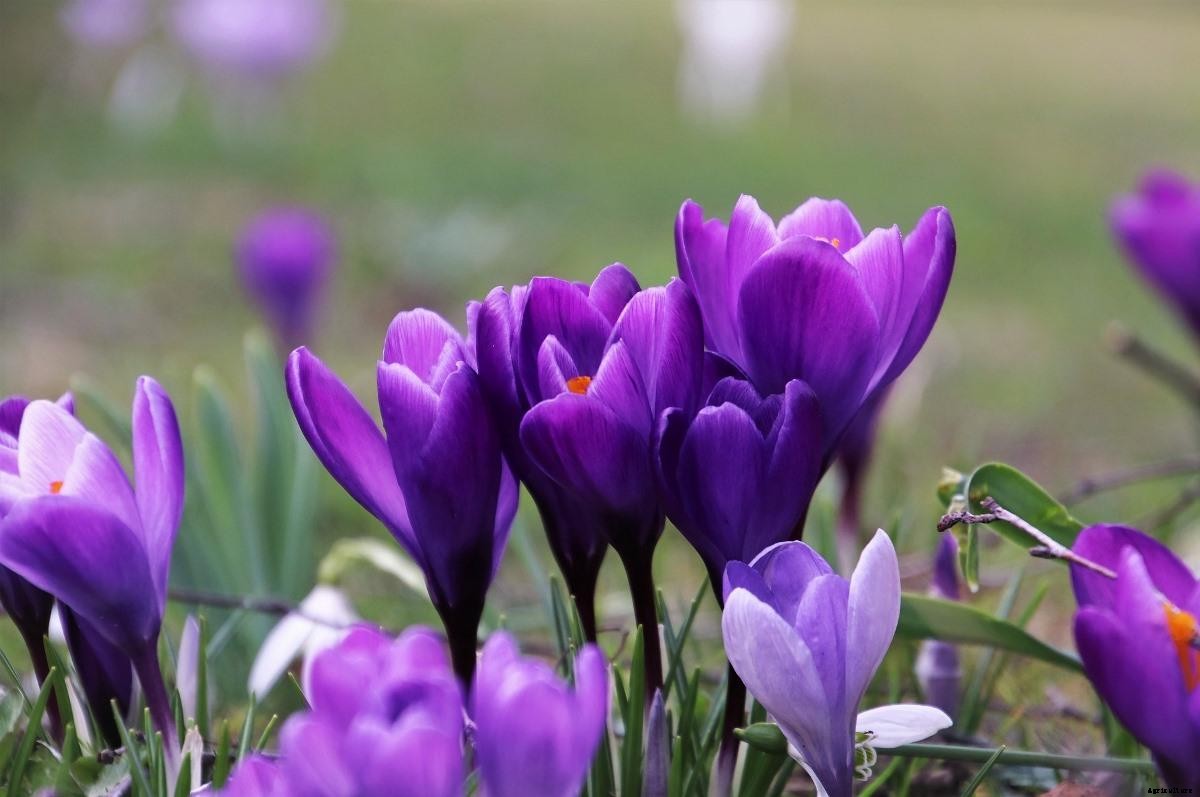
Harvesting the Saffron flowers can only be done by hand and it is real back-paining work and time-consuming process. The pain does not end there, the real task is the delicate operation to remove the 3 stigmas from each flower and throwing the remaining flower. The whole process cannot be automated. That is why this is the costliest spice in the World.
When you plant your saffron bulbs, place them in the ground at about 3 to 5 inches deep and at least 6 inches apart. About 50 to 60 saffron flowers will produce 1 tablespoon of saffron spice, so keep this in mind when figuring how many to plant.
Plant the saffron crocus bulbs in late summer, in pots or borders, in a warm, sunny spot. Space them 15 cm apart, at a depth of about 10 cm, then firm down the soil and water in well.
Saffron is a purple fall-flowering crocus that is extremely easy to grow and must be planted in the late summer for blooms in just weeks. It yields the rust-colored, edible spice.
Kashmiri saffron is well known for its aroma and as a flavor in culinary preparation. Kashmiri saffron has a deep dark maroonish-purple hue. While Persian saffron has 70% of total world production, in case of quality Kashmiri saffron is the best and finest.
Saffron Crocus creates quick jewel-toned flowers in the fall garden in about 6-10 weeks after being planted. They can be planted in containers on a patio or grown indoors.
Saffron corms should be planted in the fall season, and indoors is the perfect climate for them as they do not tolerate wet soil.
In case if you are interested in this: Growing Organic Dill.


