
Welcome to Modern Agriculture!

Organic fertilizer for Rose plants to boost branching and flowering
Roses are among the most beautiful of all garden plants, but they take up a lot of space in the garden. Plant your organic Roses in a sunny location with good drainage. Fertilize them regularly for impressive flowers. Water them evenly to keep the soil moist. Prune established Rose bushes in early spring. Watch for diseases like powdery mildew or black spot. Growing beautiful Roses requires care and lots of nutrients. You can grow your Roses best with a food balance that’s high in nitrogen, phosphorus, and potassium, as well as some secondary nutrients and minerals.
Roses even when neglected, but an application of fertilizer helps plants grow healthy roots and colorful blossoms. Synthetic fertilizers give Roses the nutrients they need, but overfertilizing may result in leaf burn or rapid growth that can attract pests. Homemade fertilizers contain organic or natural ingredients, and they break down more slowly than chemical fertilizers. Making homemade fertilizer also allows the gardener to recycle kitchen scraps that would otherwise be discarded.
Nutrients that Roses need;
The primary nutrients (macronutrients) that all plants require are nitrogen (N), phosphorus (P) and potassium (K).

Other nutrients – To thrive, Roses also need micronutrients including calcium, magnesium, sulfur, boron, copper, iron, manganese, and zinc.
Organic fertilizers, which are derived from plant or animal matter, are better for the environment. These have different nutritional advantages and can be used alone or in combination as part of your Rose-feeding regimen. Some also improve soil texture and support beneficial microbes.
Inorganic fertilizers (synthetic, chemical, or man-made) are ready-to-use and convenient, more concentrated and often less expensive than organic. However, these products don’t improve soil and have no positive residual effect. Some also contain insecticides and should be avoided altogether, as they can harm wildlife.
Roses are considered difficult to manage because of their fertilization timetable. They are very hungry plants and take a lot of nutrients to grow strong. Yet, they don’t need much effort in terms of physical labour.
As Roses grow through winter, you want them to have the nutrients they need to survive the harsh season. Apply fertilizers with little nitrogen content during fall, so their roots get stronger. This ensures that they’ll carry on through winter and appear strong in spring.
After winter, you need to fertilize again during spring. The best time to fertilize your Roses is when spring has set in for a few weeks. If day temperatures are 15 to 21°C and the night’s stay in the upper 40°C, it’s a good time to introduce the fertilizer.
Although we use spring as a time placeholder, it depends on the weather and your Roses’ state. When you notice that you have 4 to 6 inches of new growth, add in some fertilizer. This should produce strong, fresh blooms in the warmer days.
Fertilizing container Roses – Roses are heavy feeders and container-grown Roses require special attention in regards to fertilizing. During the growing season, a monthly dose of liquid organic food, like fish emulsion, can help keep flower production high.
You should not miss this: How To Grow Money Plant At Home.
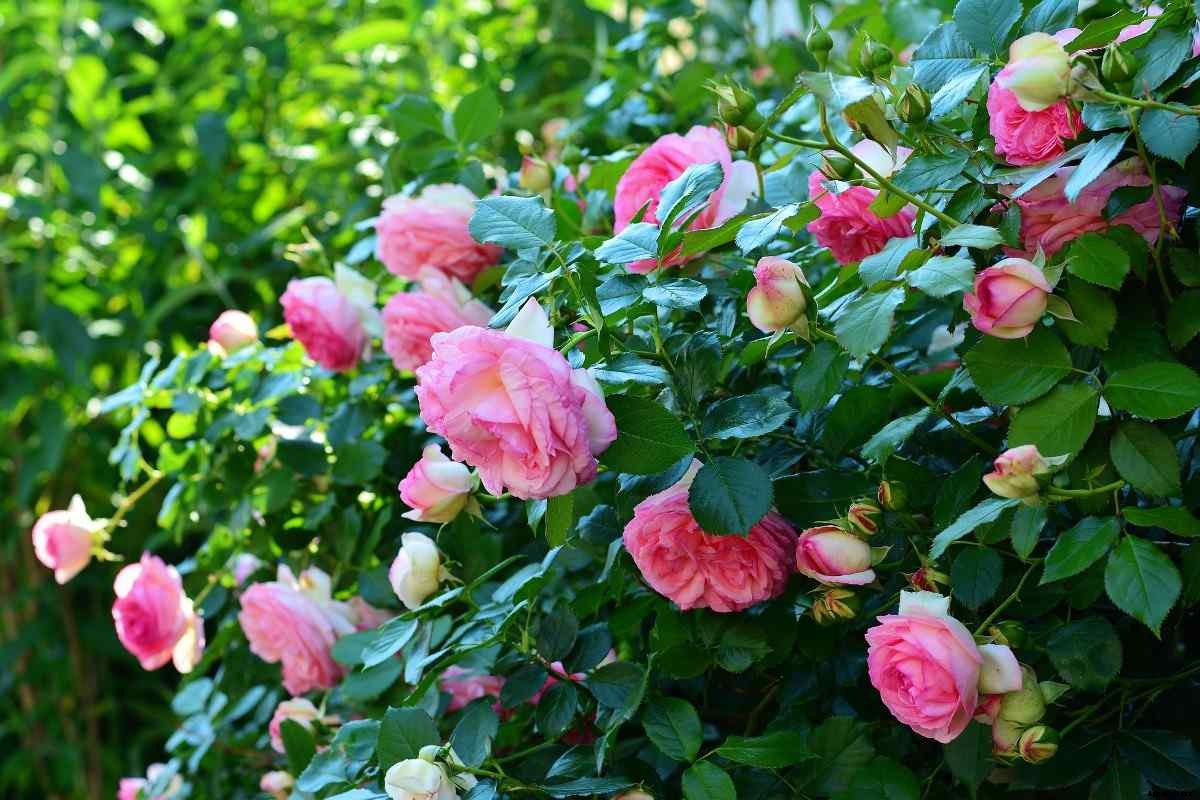
For an impressive show of flowers, a Rosebush needs to be fertilized regularly. Organic methods provide a slow, steady supply of nutrients. Monthly applications of compost, composted manure, and other organic and natural fertilizers, such as this organic fish emulsion, work well. Organic amendments also help to encourage beneficial soil microbes and a well-balanced soil pH value. Slow-release fertilizers supply the right balance of nitrogen, phosphorus, potassium, and other minor nutrients. They also give Rose bushes the nourishment they need for optimum growth.
In case if you miss this: Growing Bonsai Trees In Containers.

For newly planted bare-root plants: Apply organic amendments to the soil at planting time. Wait until after the plant produces its first blooms to apply full-strength fertilizers so you don’t burn the new roots. Some of the home remedy fertilizers for Rose plants can be given below;
Roses love the Tannic acid that naturally occurs in Tea leaves. It’s a great idea to use used tea leaves or tea bags to fertilize your Roses. Tea leaves also make the soil porous and create a favorable environment for the growth of Rose bushes.
This is one of the best organic fertilizer for rose plants for great health. Eggshells are a great source of calcium. Calcium helps to strengthen plant cells and block pathogens from entering the plant body. Calcium also helps strengthen the roots of plants allowing them to absorb more nutrients from the soil. Besides nitrogen and potassium, Roses require large amounts of calcium to grow well.
Since eggshells are slow to decompose in their original state, it is best to crush them into tiny pieces and incorporate them into the compost or soil. Before you do that though, make sure to wash and dry them thoroughly. Otherwise, pathogens from the eggs might get added to the soil causing more diseases.
This organic fertilizer for rose plants works like a miracle. Ripe banana peels are a valuable addition to your Rose fertilizing regimen. Roses require potassium and banana skins consist of this mineral. And since they decompose easily, they rapidly release valuable minerals such as sulfur, potassium, calcium, magnesium, as well as trace elements into the soil. Grind all these into a smooth paste and apply this around your Rose bushes. There is a substantial amount of potassium in the banana peel. Burry the banana peel down in the soil. This will improve the overall growth of plants and help the plant to produce more flowers.
If there is an aquarium in your house, then you must be changing its water at least once a week. Rather than throwing this water, use it for watering the Rose plants.
Both white vinegar and apple cider vinegar work to lower the pH of the soil and thus boost the growth of acidophilic plants like Roses. Just keep in mind, that vinegar lacks nutrients, and adding it alone regularly in large amounts can have harmful effects on your plants.
Rose plants are prone to black spot disease, especially if you live in warm humid climates. It’s a disease that afflicts most Rose varieties, spreads quickly, and is quite hard to get rid of. If you start to notice yellowing of the leaves and small black dots on the leaves and the stems, your plant has most likely caught the fungus. If your plant is inflicted with this fungal disease, a simple solution of vinegar and water should help you treat and get rid of it.
Fish is rich in vitamins and minerals and that goes for fish bones too. The next time you cook fish, take out the bones, wash and dry them thoroughly, and then grind them to a powder. You can then sprinkle them around the base of the Rose bushes. These add nutrients to the soil slowly boosting stronger roots and resulting in better plant growth.
Powdered milk is not just suitable for human consumption but also for Rose plants. It’s a rich source of calcium and hence promotes root and foliage growth. Some scientific studies have even indicated the efficiency of milk in reducing unsightly black spots and staving off powdery mildew by changing the pH of the area and making it hostile for fungal growth. Mix two parts of water and one part milk and spray the mixture bi-weekly for optimal results.
Instead of throwing vegetable cooking water, you’ve in your kitchen, use it to fertilize your Roses and other garden plants. Let the water cool, and then use it to give a garden plant or two a healthful drink.
You can use white vinegar to increase the acidity of the soil. Acidic soil is very good for the development of a Rose plant. However, using only vinegar can be dangerous. Along with that, add other nutrients as well.
To prevent mildew and other fungal diseases on Roses then Mix 1 teaspoon baking soda and a few drops of liquid soap in 1 liter of water and spray the solution on the infected plants.

As with most plants, Roses enjoy a good feeding in the spring, when they’re actively growing and need nutrition. You can give them their first fertilization at pruning time. There are several good Rose foods that you can use, but a general all-purpose fertilizer will also suffice. Slow-release fertilizers will need to be applied less frequently than water-soluble fertilizers.
Many Rose gardeners also like to give their Roses a handful (about 1/4 cup) of Epsom salts at feeding time. Whether the extra dose of magnesium benefits the plants has never been proven, but many experienced gardeners swear by it.
For established Rose bushes, you can balance ingredients such as;
Spread the mixture around the perimeter of the Rosebush, at the drip line, gently scratch it into the soil, and water thoroughly.
In case if you are interested in this: How to Make Money from Dried Flower Business.


