
Welcome to Modern Agriculture!

Introduction: Hello gardeners today we are here to discuss Vastu for Planting Trees at Home. Planting trees as per Vastu principles can significantly alter your mood, while also ensuring your health. Vastu believes that house plants help to maintain the flow and balance of energy in a household. They can affect the health, prosperity, and fortune of the inhabitants.
Direction for the garden
Constructing a garden is one of the main tasks which require utmost care and thought. According to the principles stated in Vastu Shastra, gardens, lawns, and decorative plants must be planted in the east or north direction. If a person plans to install a waterfall, then the correct direction of the fall is on the east or north direction, three to four feet above the ground and avoid north-east and north-west corners.
No garden is complete without plants. There can be a huge variety of trees obtainable in the market. But, when it comes to planting trees that bear fruit, the east direction is helpful and for a beautiful yet small rock garden with unique rocks and statues, the south-west corner of the garden is the best.
According to Vastu Shastra, each part of a garden resembles one of the five elements of Paanch Maha Boota. The south-west section of the house represents earth, the north-east accounts for water; the south-east represents fire or home to disease-free plants, while the north-west represents air. The center mainly represents space. A home garden in the south-east or south-west causes tension.
If the garden is located out in front, a massive tree must never block its entrance. A tree can be planted alongside the wall of the home garden. Planting a peepal, mango, neem or banana tree is ideal from a Vastu point of view. These trees are not only identified for their fragrance but for the positive vibes they give out.
You should not miss the Preparing Soil for Vegetable Garden.
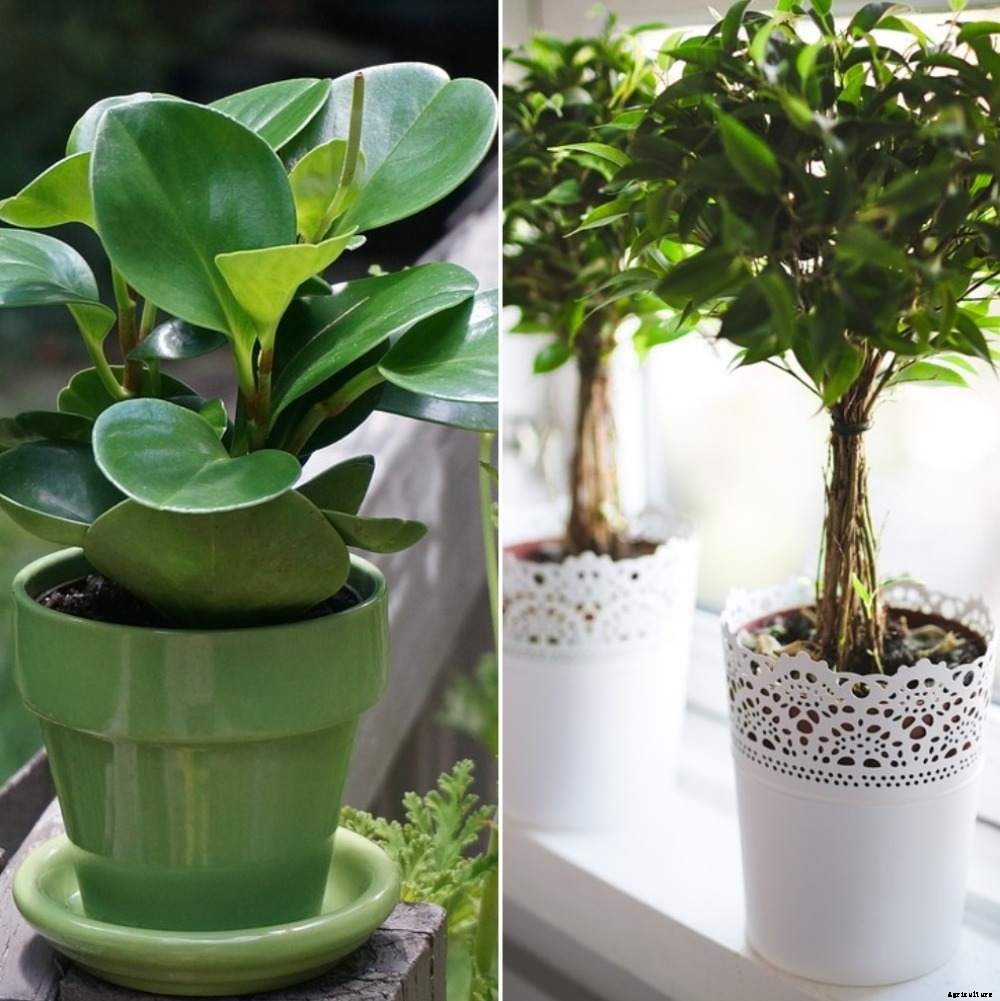
Vastu prescribes certain guidelines for trees in a home garden and its practitioners believe these principles bring good luck to the residents. Some of the Vastu principles for planting trees are given below;
The following are certain rules and regulations based on the direction while maintaining a garden or decorating your home with plants.
You may also like the Getting Rid of Ants in Vegetable Garden.
North
According to Vastu Shastra, a home garden in the North direction is highly auspicious with the Tulsi plant in the center. All the plants inside the home limits must not have thorns, except in the case of Rose. A water fountain near the home garden is advised. Only small plants or shrubs should be planted in the North direction. This corner should not have huge trees and rocks painting with rocks must be avoided.
East
If there’s no space in the North direction, then this direction can be considered for kitchen gardening. It is advised that fruit-bearing plants are plotted in this direction. Plants that represent a family’s prosperity and wealth should be avoided in this direction like Tulsi and Money plant.
West
If there’s ample space in the West direction of the house then utilize this space for planting large trees like mango, orange, banana, etc. But, these trees should be at a distance from the home. This direction should be decorated with big rocks, ornamental statues or scriptures, etc.
South
This direction is advised against for gardening as per Vastu Shastra, as there must not be a flowing water source in this area. This space must be left open or decorate the area with hanging baskets with plants, like money plants; as you need to water they once in a day or two and it won’t require the flow of water.
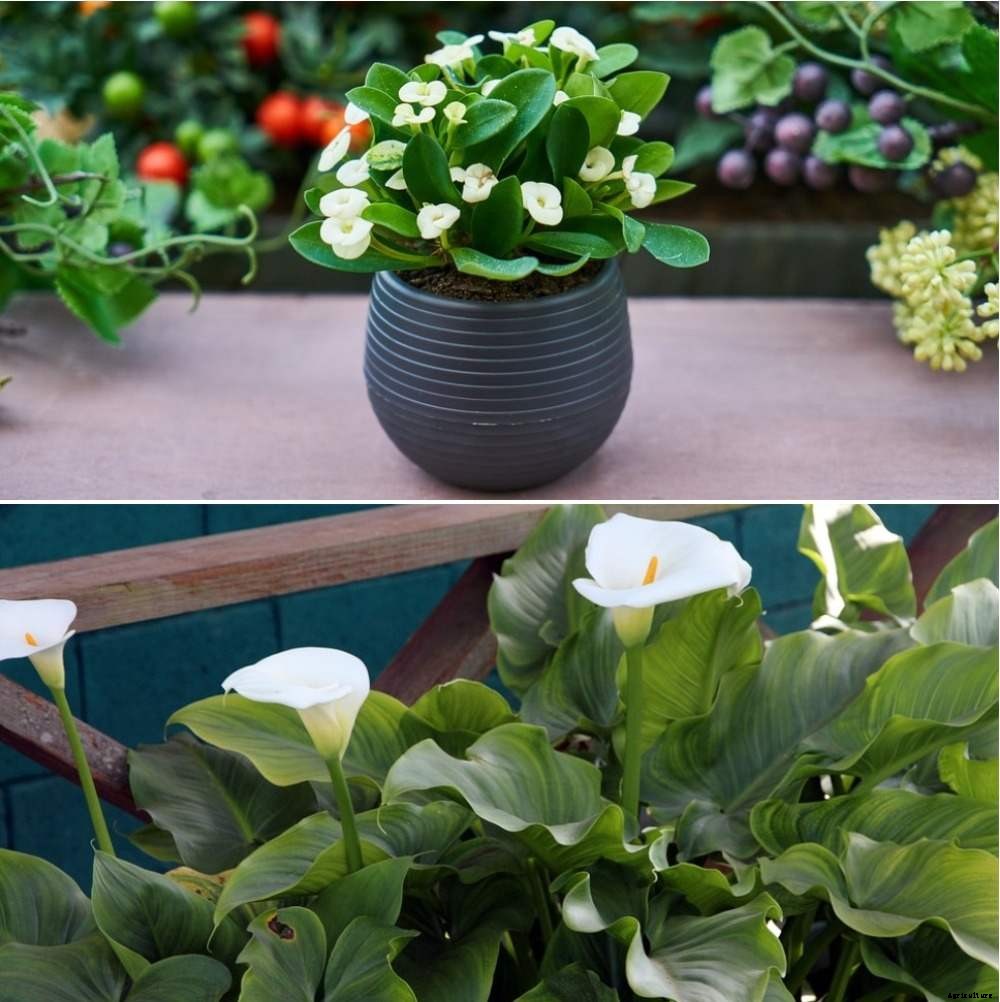
The following tips to improve your home Vastu while planting flowers and plants;
You may also check the Growing Mint Hydroponically.
Holy Basil is also called as ‘Tulsi’. It is a plant that is highly revered and auspicious. It must be kept in the North, East or North-East direction.
Lucky Bamboo (Dracaena braunii) plant is an indicator of luck and peace. This plant brings fame and wealth. Remember that this is not the common bamboo plant. However, the dwarf potted bamboo (Bonsai) must be avoided as it goes against nature. Yellow-colored bark must be preferred over dark-colored ones.
The money plant (Epipremnum aureum) must be placed in either the North or the East direction. It is considered lucky and there is a belief that money plant leads to the growth in the wealth as well as income.
Coconut (Cocos nucifera) and Ashoka trees (Saraca Indica) should be placed in the garden or courtyard of the house. It is believed that the Ashoka tree helps remove suffering and brings joy.
Flower pots should not be placed on the compound wall in the North, East or North-East directions as they will block the useful morning sunlight coming in from these directions. Flower pots and decorative plants can be placed on the ground in these directions, but they should not produce taller than 3 feet.
The round leaves of the rubber plant are the main symbols of wealth and financial growth in Vastu. They can bring you a lot of commercial success and money when placed in the correct zone of the house. They absorb a lot of toxins in the air of your indoors and act as a natural air purifier.
Banana tree (Musa genus) must be there in the North-East direction of the house. It signifies excellent health and mental peace. A banana tree is considered sacred and is even worshiped. On Thursdays, some people worship banana trees along with praying to Lord ‘Vishnu’.
The presence of the Neem tree (Azadirachta indica) in a home generates positivity and Neem also has medicinal properties. It is considered auspicious as per Vastu principles. Neem tree must be placed in the North-West corner. Air flowing from it should pass through windows of Master Bedroom which is quite helpful health-wise.
Peony (Paeonia suffruticosa) or paeony is a beautiful, colorful flower. Peony stands for the spring season as well as optimism. It is all together with rich, very attractive and delicate. Due to these qualities, it is a symbol of feminism and used as a metaphor for female beauty and reproduction. It is red and because the color red is associated with religious and divine rituals in India and is considered an auspicious flower. People who wish to find their true love should plant peonies in the South-West region of their garden or decorate the South-West region of their home garden with peonies.
Most branches of the mango tree have medicinal value. Its leaves are mainly used as a pesticide, and its twigs are used for brushing teeth. Mango tree leaves are used for puja purposes. It is considered auspicious if the dead are cremated using mango tree fire-wood.
Citrus (Citrus medica) is also known as the Buddha’s hand, the finger-shaped Citron symbolizes luck and happiness. It is called the Buddha’s hand because the upturned petals of the Citron are reminiscent of the upturned fingers of the Buddha’s meditative position.
Sandalwood is expensive as it is used to make exquisite handicrafts, and its oil is very fragrant. Sandalwood paste when applied on the forehead which cools the head. The sandalwood is used to make incense sticks. It is rare to find sandalwood trees and hence there have been so many instances of robbers cutting down trees in the middle of the night if found in any house compound.
Plum Blossoms (Prunus mume) is symbolic to invite harmony and wealth in the home. This plant mainly helps to promote positive energy in the environment. The Plumtree blossoms are best placed in the North-East or Northern direction of the house. If one wishes to plant it in the home garden, it can be planted anywhere.
Dwarf Jade (Portulacaria Afra) plant emanates positive energy. It is mainly considered lucky because it has five leaves symbolic of five elements of nature (‘Panch Mahabhootas’). It is good for placed in North or Eastern directions.
That’s all folks about Vastu for Planting Trees at Home, keep gardening!. You may be interested in Multi-layer Farming Process and Benefits.


