
Welcome to Modern Agriculture!

How to Increase Kitchen Garden Yield: The value and interest in Kitchen Garden among the people is increasing every day. This is primarily due to two reasons: one can get some peace of mind and rejuvenation from their busy lives and get fresh vegetables and other food items for the family without any toxic materials. As a result, the number of people in urban areas opting for a Kitchen Garden is growing. Although getting a kitchen garden is quite popular in village areas, it is very difficult in urban areas. This is due to the congested area in which residents of the city live.
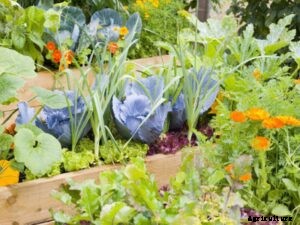
Therefore, having a perfect plan to raise the Kitchen Garden is critical. Even if you have a well-planned kitchen garden, there’s a common problem most people face, that’s Less Yield. There are many ways to increase the yield of the Kitchen Garden. Since you are going to have this Kitchen Garden in a relatively small area, you have to do a few items to increase the Kitchen Garden or Terrace Garden Yield. Since you have to have some technical knowledge of the same thing, here we are with the things you have to obey to optimize the yield of Kitchen Garden. Look at the things below, which you should obey.
1. Type of Soil: Soil is the primary criterion for which you should look. Using organic matter such as compost, vermicompost, yard trimmings, peat, food waste, leaves, manure (cow, horse, sheep, poultry), mushroom compost, etc. instead of regular red soil or black soil. Even favorable are soils that also have nitrogen. If the soil is rich in nutrient content, higher yields are likely to occur. Make sure you have round beds in your garden that are ideal for a kitchen garden.
If you use your gardening terrace, it should only be used if it has at least 2-3 hours of sunlight. You need pots, containers, growing bags, buckets, etc. for Terrace Gardening. These can be in all forms, sizes, and shapes. You have to add organic matter to these different containers for better growth.
2. Vegetable Varieties: There is a range of endless possibilities in Kitchen Garden regarding the type of plants you want to have. Therefore, the varieties of vegetable plants should be chosen in a broader way. Since we want to have the maximum yield, you need to look for certain features. A Variety should have been ideal for small gardens or containers, great disease resistance, better heat-or cold tolerance, improved yields, and other features. Cucumbers, Tomatoes, Peas are the high yielding vegetable varieties. You can give top priority in planting these types of varieties in your Kitchen or Terrace Garden.
3. Seeds: Seeds are the other main aspect to concentrate on after Soil. One of the reasons why seed production is less yielding. One shouldn’t buy seeds of low quality. Seeds that are certified, high quality, high yielding and Disease free are to be selected for Kitchen and Terrace Gardening. Other features or characters to have a look are variety, germination percentage, vigor, purity, and appearance.
4. Sowing: Sowing seeds in Kitchen Gardening is an important step. Since it is a kitchen garden, during sowing, many people do not follow the correct method. This will lead to germination failure. Prepare the soil by creating furrows for seeding off seeds. Consult the package directions of seeds you purchased for the depth of furrows and spacing. Prepare the furrows and sow the seeds in the direction of North-South, which will help to reach full sunlight.
5. Smart Plant Spacing: Because Kitchen Gardening has a small space, you need to plant the vegetables smartly. In Kitchen Garden, plant spacing also pumps production. Try to plant in a triangle pattern instead of a square pattern, since you have less space. You can fit up to 14 percent more plants with the Triangle pattern. You can also prevent overcrowding with this type of crop. The spacing is also important in order to decrease the incidence of pests and diseases. It will also reduce the competition for food, nutrients, sunlight, etc. between plants.
6. Intercultural Operations: Intercultural operations are the operations they do between sowing and harvesting. It involves weaving, mulching, and fertilizer application.
7. Watering: You shouldn’t be underwater at the same time. On average, watering plants can allow plants to survive in the summer every alternative day. Just before the Mulching, you should also heat, which helps to preserve the moisture content. Even, when watering, one has to be careful. If the drainage of the soil is poor, often you should not drink. It’s totally ok if you water in the winter season for 2-3 days as the water demand is lower. During the summer season, if the leaves fall, you have to water the plants daily.
8. Pest and Disease Incidence: At the same time, the occurrence of plague and disease is quite normal and very troublesome. It significantly reduces the yield. Therefore, there are few methods you can use to reduce the incidence of pests and diseases. Check the methods below:
9. Shed Nets: Shed Nets have become sufficiently popular in urban areas in recent times. Shed Nets helps to increase the Kitchen Garden yield irrespective of the weather conditions. It also Protects from pest and airborne diseases. This Shed Net will help a lot in protecting plants from Natural and sudden weather disturbances. In this case, one must construct a framework. After that, a shed net of color green should be added to the framework. This Shed Net will reduce the incidence of Sunlight to the plants. This Shed Net has a huge role in Terrace Gardening.
In Kitchen Garden or Terrace Garden, these are the different types of steps that will help you increase yield.


