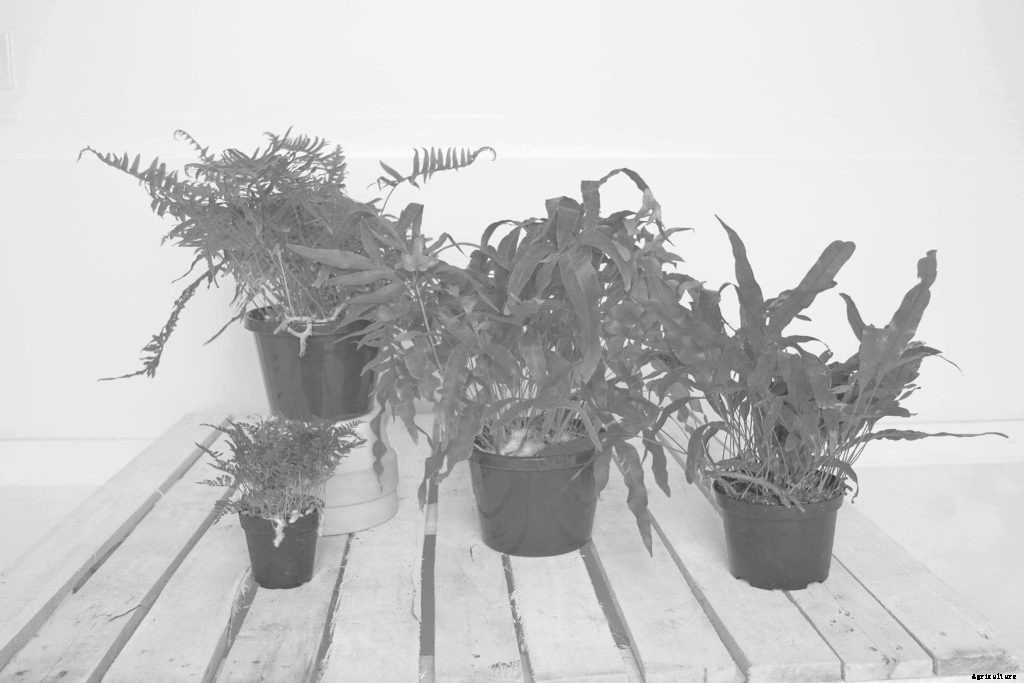
Ferns are a great way to bring a little greenery indoors. Just like with your garden, though, you want your ferns to thrive. Besides regular watering practices, the best way to do that is with a solid substrate for them to live in.
The following excerpt from “The Complete Book of Ferns” by Mobee Weinstein shares three basic recipes for growing ferns.
Use a standard potting mix for many species of potted ferns.
Use a mix that is lighter, coarser, and more porous for plants that need better drainage. This well-drained fern mix is good for most epiphytic ferns that have smaller, more slender rhizomes, such as Davallia species, and most of the epiphytes that you typically grow in the home.
Use a very coarse mix for larger epiphytic ferns (plants that grow not in the ground, but up in trees—see Chapter 2). As a general rule for these, the bigger the epiphyte’s rhizome, the coarser the medium. This coarse epiphytic fern mix is appropriate for ferns with large, thick rhizomes, in case you want to grow one of these handsome, but often large ferns (e.g., Aglaomorpha spp.). In general, epiphytes do well in mossed baskets, but another option for growing some epiphytes is to mount them in various ways using long-fiber sphagnum moss (see Chapter 5 for more information).
When making any of these three mixes, add a dry, granular, organic fertilizer.
RECIPE 1 | STANDARD FERN MIX
Use it for most species of container-grown ferns.
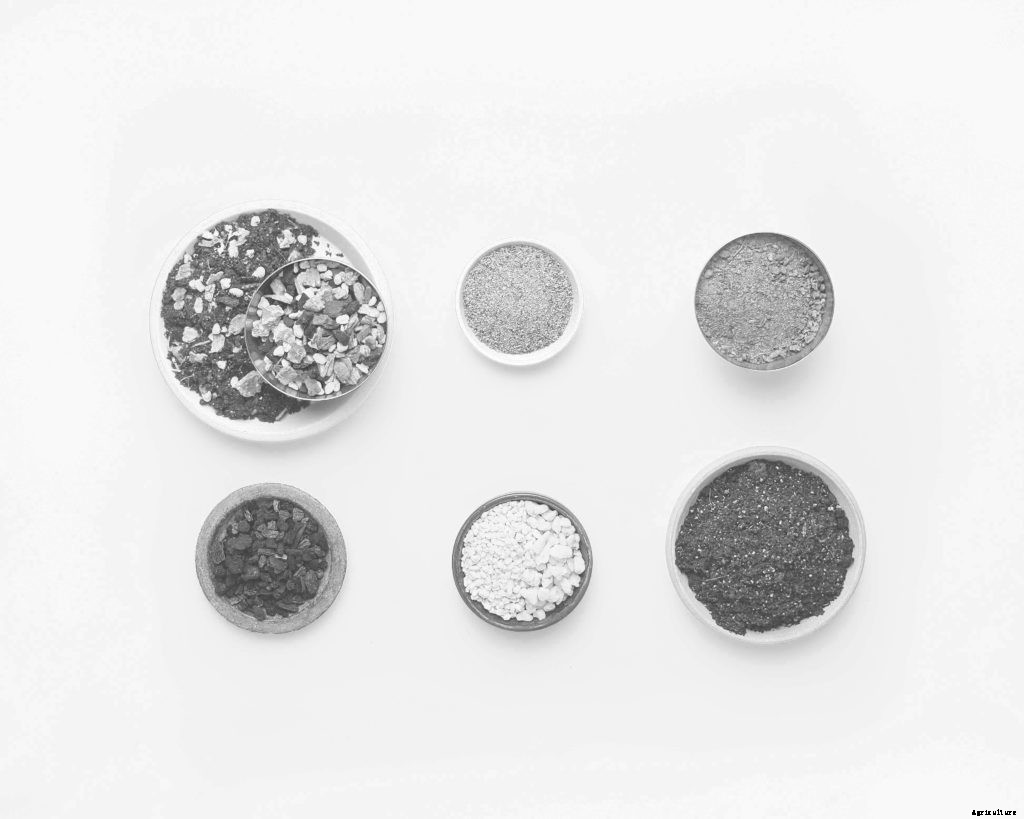
One part organic component: coir, peat moss, compost, or any combination of these. You can also use most brand-name standard soilless potting mixes.
One part inorganic component for drainage: perlite, vermiculite, pumice, lava rock, AxisDE, or a combination of these—but try not to use vermiculite alone.
Add 1 tablespoon of horticultural activated charcoal for each quart (liter) of finished mix.
RECIPE 2 | WELL-DRAINED FERN MIX
Use it for potted ferns needing more drainage, and for epiphytes with smaller rhizomes.
One part organic component: coir, peat moss, compost, or any combination of these. You can also use most brand-name standard soilless potting mixes.
One and a half parts inorganic components for drainage: perlite, vermiculite, pumice, lava rock, AxisDE, or a combination of these—but try not to use more than one part vermiculite.
Add 1 tablespoon of horticultural activated charcoal for each quart (liter) of the finished mix.
RECIPE 3 | COARSE EPIPHYTIC FERN MIX
Use it for epiphytes with larger rhizomes.
One part organic component: coir, peat moss, compost, or any combination of these. You can also use most brand-name standard soilless potting mixes.
One part ready-made orchid mix containing fir bark, charcoal, and coarse perlite.
This, “Three basic recipes for growing ferns,” is excerpted from The Complete Book of Ferns by Mobee Weinstein. Used with permission of the publisher, Cool Springs Press.