
Welcome to Modern Agriculture!

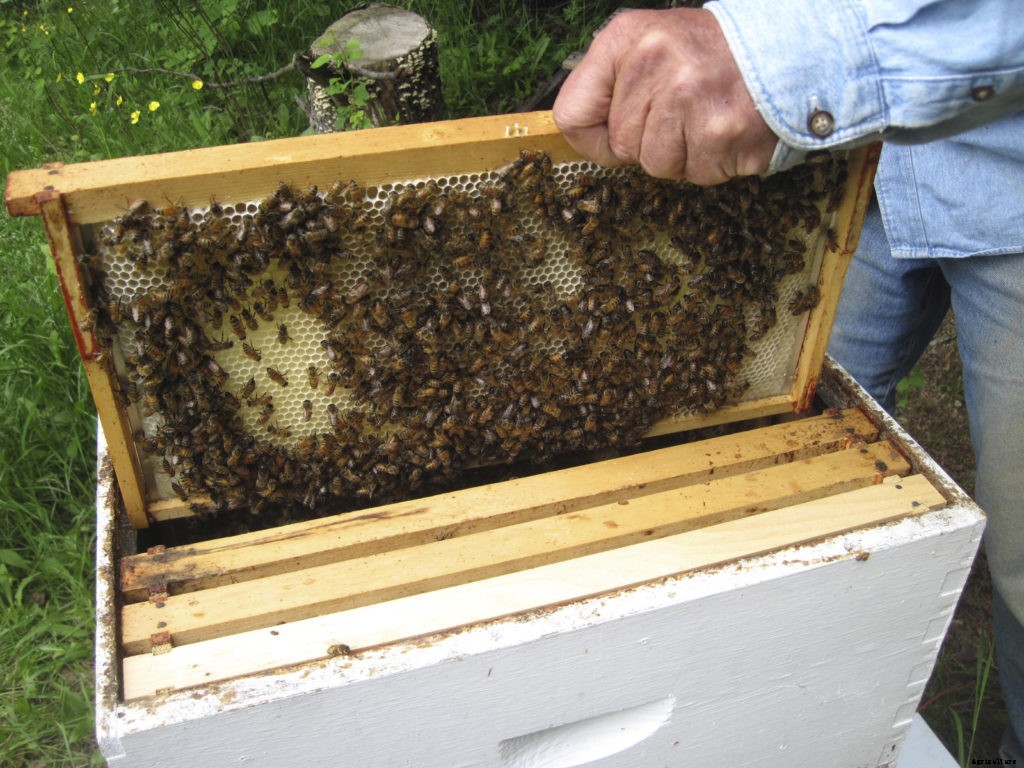
When you think of types of beehives favored by backyard beekeepers the first thing to spring to mind is often the traditional box-like structures situated in neat rows with happy honey bees buzzing about.
But when it comes to backyard apiaries, there are several types of beehives to choose from.
The most used beehive type by
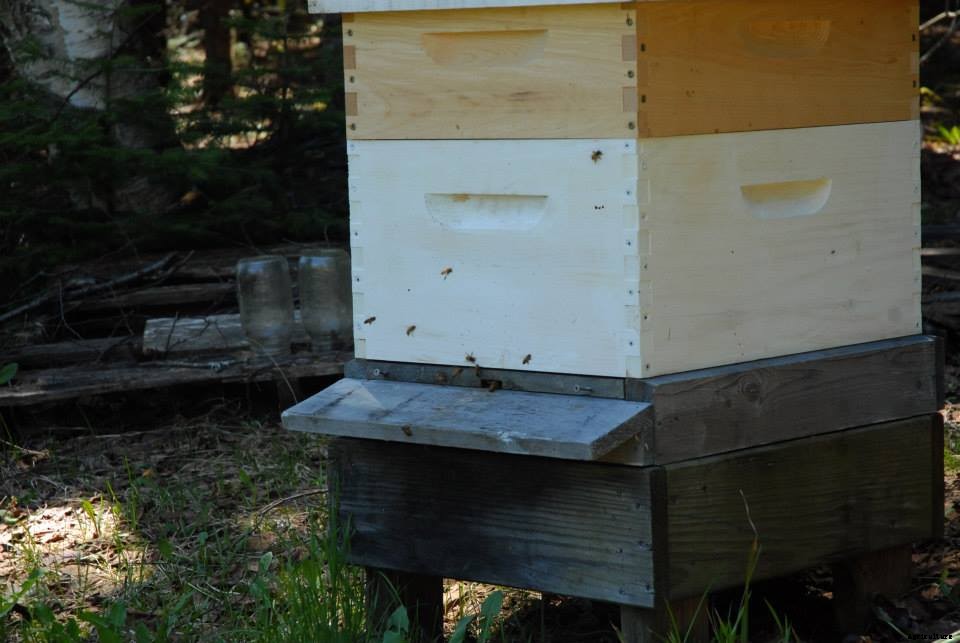
At its simplest, and the best for the beginning beekeeper is the Langstroth hive. This hive is constructed of a series of bottomless and topless wooden boxes — known as “supers” — that are piled one on top of the other. The bottommost box is placed on a board and has a small door allowing the bees in and out. The bottom box is also where the queen bee lives, lays her eggs and raises her young, or “brood,” on frames that hang vertically inside.
Because these boxes have no tops or bottoms, the worker bees have access to the upper levels which they use to store pollen and honey on the hanging frames.
The topmost box is covered by both an inner cover and a top cap to provide maximum protection from the elements.
Top bars are the types of hives that are among the oldest known man-made hives. There is evidence they were used thousands of years ago constructed out of simple pots, baskets and sticks.
They are also the most common hives worldwide, and have been growing in popularity in North America for the last decade or so.
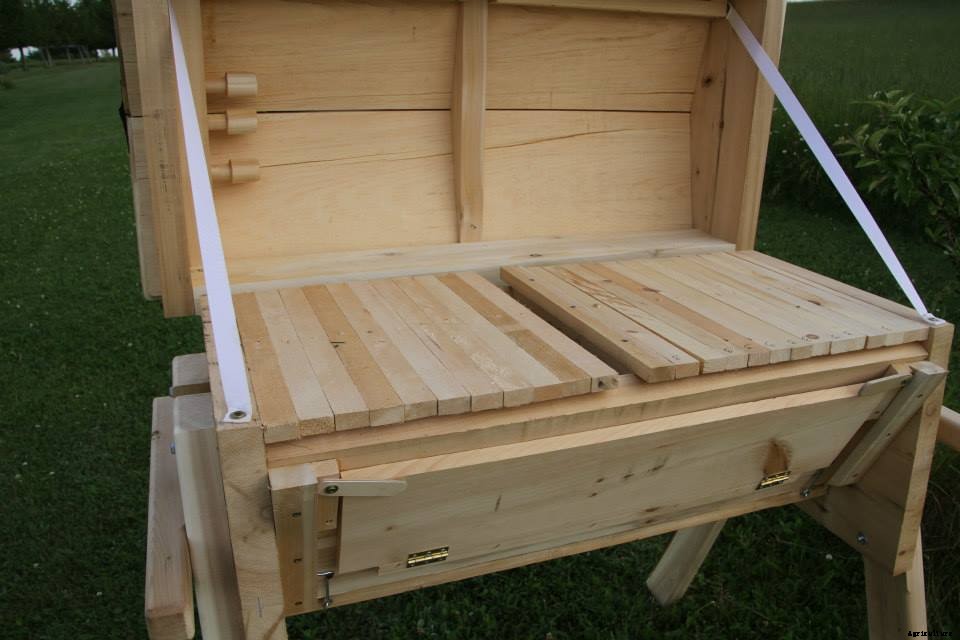
A top bar hive is basically a single, horizontal rectangular box with downward sloping sides. While it can rest on the ground, most beekeepers secure the box to four legs that are several feet tall, which makes it much easier to access the hive without having to bend over.
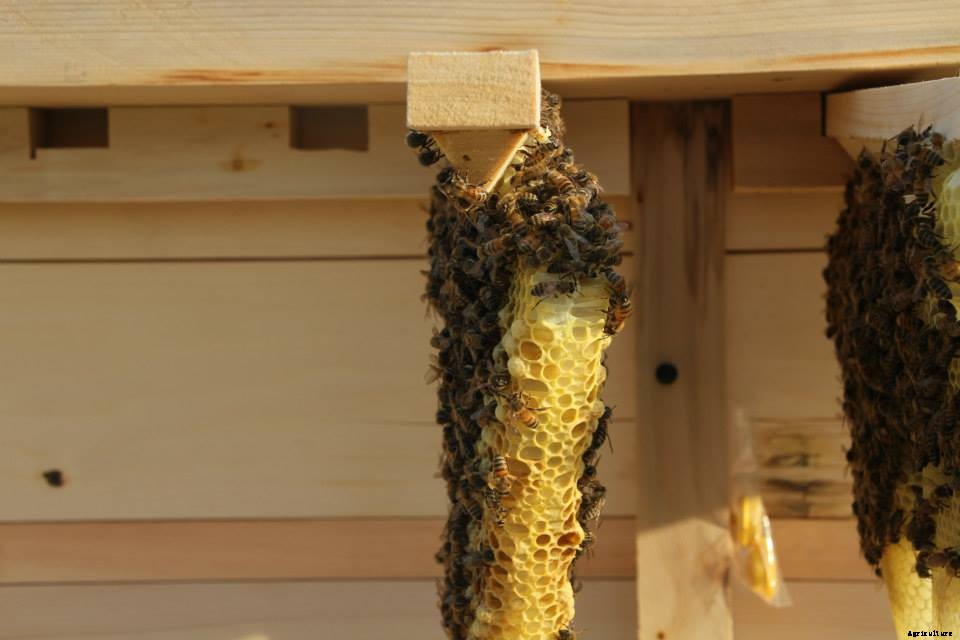
Instead of frames, flat, narrow wooden bars are placed over top of the hive. Most beekeepers find the optimal bar dimensions to be between one- and two-inches wide. It is from these bars that the bees will build and fill honeycombs much as they would in a natural hive out in the woods.
These bars are placed close enough together that they also act as the hive’s inner cover.
A hinged lid covers the bars and the entire top of the hive and bees gain entrance through small doors at its base.
When it’s time to inspect the bars, you simply open the hinged door and remove one bar at a time, which causes very little disruption to the bees.
If a bar is heavy with filled honeycomb, you can remove it and replace it with a fresh bar. The comb can be easily compressed by hand and the honey strained out. Unlike lifting a full Langstroth super, a full top bar comb weighs between three and seven pounds.
The Warre hive is basically a horizontal top bar hive that very much resembles a Langstroth hive.
The boxes of a Warre type of hive are traditionally 12-inches-square, which is quite a bit smaller than the supers of the Langstroth hive, but very close to the size of natural cavities the bees seek out in nature. Like the Top Bar hive, the Warre hive uses bars laid across the top of the open ended boxes instead of frames for the bees to build comb on.
The bees will build their honey comb down from the bars but stop before the comb touches the top of the bars covering the box below. Initially, this first comb will contain eggs and brood produced by the queen. But as the bees move on to the box below, they will transition that top box to honey storage and raise their young in lower boxes.
You can then remove the top box once it is full of honeycomb. At the same time, add an empty top-bar equipped box to the bottom of the hive to encourage the bees to keep filling the top boxes with honey and raise brood in the lower levels.
The final word on bee hive selection is to check each out in person and talk to an experienced bookkeeper to get a feel for how each hive works. Beekeepers love to talk bees and will be more than happy to help you find the hive that is right for your area, expertise and pocketbook.