
Welcome to Modern Agriculture!

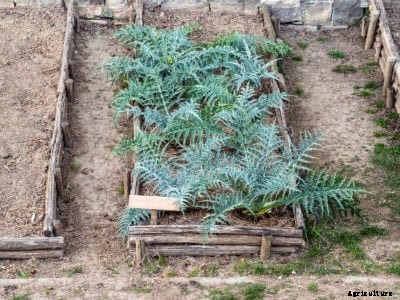
Artichokes are primarily cultivated commercially in sunny California, but are artichokes cold hardy? With proper artichoke winter care, this perennial is hardy to USDA zone 6 and occasionally zone 5 during mild winters. Overwintering artichoke plants isn’t difficult; it simply takes a little knowledge and planning. Artichokes can grow and produce for up to seven years, making it beneficial to protect artichokes in winter.
Artichokes are native to the Mediterranean, which makes one think they wouldn’t tolerate the chill of winter very well. Surprisingly, given proper care, overwintering artichoke plants is very possible.
The edible part of the plant is actually the flower head. When allowed to bloom, this is a neon purple that is quite stunning in its own right. Artichokes do not set flower buds until their second year of growth, so protecting artichokes in winter is essential.
First off, for northern gardeners, select a variety of artichokes such as Green Globe or Imperial Star. These have a shorter growing season, hence are hardier than other varieties.
Once you have grown the plant for a season and winter is approaching, it’s time to tackle artichoke winter care. There are three methods for overwintering artichoke plants.
Mulching. If the plant is in the ground, insulate the roots with a deep layer of mulch. Surround the entire plant with chicken wire that rises above the plant. The wire cage should be 12 inches (30 cm.) wider than the plant. Using landscape pins, secure the cage to the ground.
Fill the cage with a mix of straw and shredded leaves. Leave the mulched cage in place throughout the winter. When spring arrives and all chance of frost has passed for your region, slowly remove a little of the mulch, gradually exposing the plant over the course of 2-3 weeks.
Container growing. Another method for overwintering artichokes is to plant them in containers. Grow the plants in containers throughout the growing season or dig up plants grown in the garden when temperatures are cool and pot them. Potted artichokes should be planted in rich potting soil mixed with compost.
Instead of heavily mulching the plants, you simply move them into a sheltered area such as an unheated garage or cool cellar with temperature between 35-50°F. (2-10°C.). No light is necessary for the plants. Prior to overwintering artichoke plants in containers, cut the plants down to the crown when frost is imminent. Next, move them to the selected area and water them every 4-6 weeks until spring.
Dig up and store. The final method of artichoke winter care is probably the easiest and requires the least space. Cut the plants all the way down to the ground when frost is expected. Dig the crowns and root system from the ground and gently shake as much soil as possible from the roots.
Store these bare-root clumps in a box of peat moss in a cold garage or in a refrigerator. Don’t let the box get wet or be exposed to freezing temperatures. Keep an eye on the bare-roots and remove any that become soft or mushy. When spring comes and all danger of frost has passed, replant the bare-roots.


