
Welcome to Modern Agriculture!

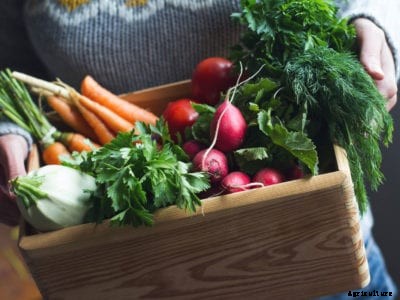
If you live in a warm climate, a winter vegetable harvest may not seem like a big deal. For cold-climate gardeners, however, growing winter crops is a dream come true. With the use of cold frames and tunnels, harvesting in winter is possible even if you live in an area with below-freezing winter temperatures and snow cover.
Growing Winter Harvest Plants
The keys to harvesting in winter are choosing cool-season crops, planting at the correct time, and choosing the correct season-extenders for your climate. Some crops, like Brussels sprouts, can be planted in late summer and held over in high tunnels for an extended harvest period.
Low tunnels and cold frames can provide adequate protection in moderate climates to allow harvesting in winter or they can be used to extend the harvest season in cold climates. During cold weather, low tunnels can be covered with polyethylene film to help retain heat.
When to Pick Winter Vegetables
Protection from freezing temperatures is not the only issue gardeners wishing to grow winter crops will face. Decreased daylight hours during the winter months will slow or halt plant growth. In order to have a successful winter vegetable harvest, most crops will need to be at or near their mature dates when daylight hours drop to ten or less per day.
The days when there are ten or less hours of sunlight is called the Persephone period. Gardeners can use the Persephone period for their area to determine when to pick winter vegetables. Planting times are then calculated by counting back the days and weeks from the harvest date.
Here’s how to calculate the planting and harvest dates for winter crops in your area:
To harvest during the winter months, try growing one or more of these cool-season vegetables in a tunnel or cold frame:


