Agriculture is a labor-intensive occupation. The modernization of farm operations fueled by the increasing technology adoption rate makes farm management a little less laborious and a lot more rewarding. However, the evolution of digital technology has resulted in several new concepts, some of which are used interchangeably. In this blog post, we explore two very similar but not identical concepts: precision agriculture and smart farming.
What’s common between the two is that they are both approaches to digital farming, each with a slightly different emphasis. What do they signify, and how different are they from each other? Let’s find out!
Precision Agriculture
As the name suggests, precision farming or precision agriculture involves highly controlled, accurate, and optimized agricultural production. It facilitates more efficient resource utilization, better yield, and reduced environmental impact, all at the same time. An ideal example of the precision farming practice is focused agrochemical application with AI-aided analysis, targeting only areas that need attention instead of the blanket application.
This farming practice involves the implementation of modern information and communication technologies (ICT). Producers also incorporate a combination of devices and machinery that help capture vital field data, including:
- Remote sensors
- Automated hardware and software
- Telematics
- Drones
- Autonomous vehicles
- GPS soil sampling
- Robotics
Drilled-down, real-time farm insights powered by AI and machine learning
Discover how Cropin's solutions can help.

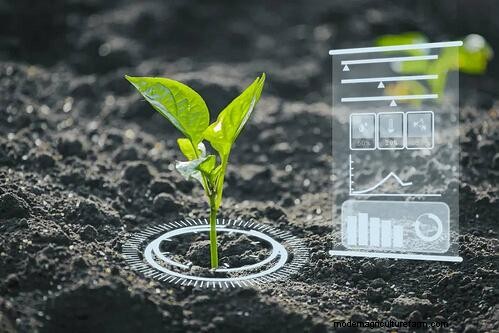
Precision farming has been around since John Deere first introduced GPS guidance for tractors in the 1900s to enhance yield by automating steering and reducing agri-input wastage. Precision farming inventions have evolved significantly since then, thanks to rapid technological advancements in recent years which yields the benefits of precision agriculture.
Smart Farming
Smart farming focuses on the implementation of data and information technologies to utilize human labor more effectively and enhance crop quality and quantity. This approach is what drives Cropin’s mission to enable agribusinesses to grow more with less.
Today, most farmers, especially in rural areas, rely on learnings passed down through generations and approximate estimations to carry out seeding, applying fertilizers and crop protection products, and harvesting.
Smart farming improves these processes and enhances their efficiency with the help of agritech tools and software solutions. It helps producers make more informed, data-driven decisions and achieve economic efficiency by reducing workforce requirements.
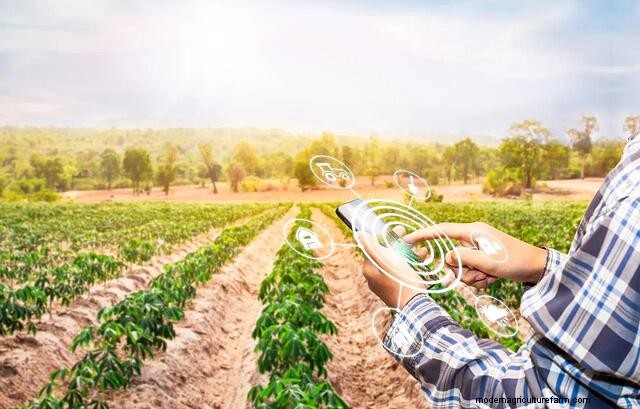
What differentiates smart farming from precision agriculture is that it does not focus on precise measurements. Instead, smart farming focuses on capturing data and interpreting them using computing technologies to make farm operations more predictable and efficient.
Smart farming technologies are employed to transmit data from agriculture through ICT-based platforms. Some of the components that ICT-based platforms use for smart farming are:
- Mobile devices, such as smartphones and tablets
- Internet of Things (IoT)
- Artificial Intelligence (AI)
- Robotics
- Unmanned Aircraft Systems (UAS)
- Sensors and Actuators
- Drones
Also explore:
The Future of Agriculture: 5G-powered Smart Farming
How Can You Use Cropin’s Solutions to Advance Your Agri-operations?
Here is a list of operations that growers can streamline using Cropin’s products.
Smart Farming
- Collect, process, and analyze agri-data from multiple sources for data-driven farming: Cropin’s digital agriculture platform uses satellite monitoring and weather data, information that field staff collects from farmers, and data from IoT devices, too. These data points are stored in the cloud for easy access anytime and from anywhere. The farm management software then analyses these data points and delivers actionable insights that guide decision-making processes for enterprises.
- Automate processes to reduce human effort, cut costs, and increase efficiency: One of the primary goals of smart farming is to achieve maximum utilization of human labor, and it does so by automating repetitive tasks. SmartFarm allows users to configure agronomic advisories, activity plans, and the package of practices for each crop variety and set up notifications for field agents. SmartFarm also automatically backs up the data field staff capture in the mobile app to eliminate paperwork and increase productivity.
- Monitor operations remotely and ensure high productivity: Cropin’s SmartFarm uses satellite monitoring data from IoT devices to track plot performance continuously. It also pushes alerts to field staff to guide farmers with any possible risk of pests, diseases, or unfavorable weather conditions. Accordingly, they can cater to these issues at the earliest to ensure quality yield and minimal losses.
- Increase transparency and accountability at all levels: Food companies and agribusinesses can also build brand reliability among their customers with SmartFarm and RootTrace. Field staff can record every farm activity in the mobile app to facilitate tracking of an end-product to, quite literally, the roots. With RootTrace, individuals can scan a given QR code to track the item’s origin, safety, and quality, thus facilitating complete transparency.
Precision Farming
- Get better control over crop production and lower production risks with pixel-level intelligence: SmartRisk utilizes AI and satellite imagery analysis to carry out farm plot mapping and 360-degree monitoring. Enterprises can access near-real-time analytics on crop health at plot and regional levels throughout the crop cycle. At the same time, they can receive alerts about potential risks, if any. Such continuous invigilation can help farmers determine adverse issues beforehand, thus managing crop production more efficiently.
- Optimize resource usage to decrease wastage, reduce costs, and farm sustainably: The satellite monitoring via SmartFarm can also help farmers receive advisories on the correct utilization of water, nutrients, and crop protection products. It can help them cut down on resource wastage and unnecessary costs and aid in better management on the whole. Additionally, farming companies can get weather predictions before seeding and harvesting to determine the perfect time for both.
- Reduce the environmental impact of agricultural activities: Sustainability and precision agriculture go hand-in-hand. The implementation of digital solutions is only a way to further align with the eco-friendly narrative. Inch-perfect application of fertilizers, pesticides, and insecticides can prevent soil and water pollution due to chemical run-offs. Advisories on effective irrigation cycles and soil conservation techniques can also prevent the unnecessary depletion of these natural resources.
- Estimate yield in advance to make better decisions agronomically and post harvest: SmartRisk uses historical cropping patterns data and periodical satellite images to analyze crop health and yield. It enables farming companies to plan supply chain activities effectively, without any delay. It also helps agri-input companies develop efficient sales and marketing plans.
Now that you are aware of the detailed differences between smart farming and precision agriculture, make no mistake in focusing on individual objectives instead of confusing both for one.