Come along and garden with me with my monthly gardening feature where I take you into my garden and show you everything I'm doing month-by-month! Here's everything I'm doing in the month of May. It's not as much as I would like due to the cold and rainy weather!
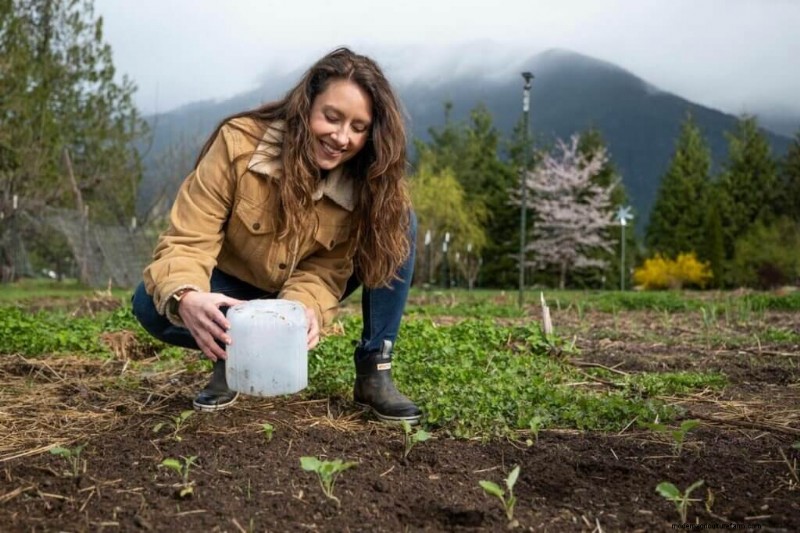
It's the month of May and I really wish there were more tasks to be done in the garden this month. In a typical year I would be doing plenty, but this year (2022) it's been a particularly cold and rainy month.
Our daytime temperatures have been 15 degrees colder than average, making our daytime and nighttime temps not very different. And though we don't have the threat of frost anymore, there are other weather conditions making this year more difficult than usual.
Many of my cool-weather crops are even growing at a slower rate because of heavy cloud cover, and due to the saturated soil, I'm unable to plant many of the crops I typically would this month (namely potatoes).
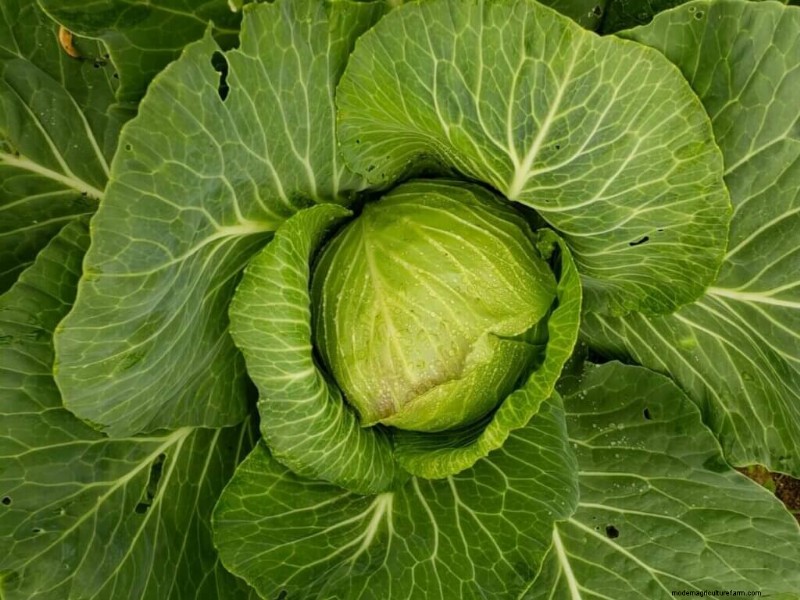
Even utilizing the cold-weather growing strategies I shared in my April gardening tasks video, most of those crops are still struggling. Except for my cabbages that are in the makeshift greenhouse! And you better believe I'll be using my hack for keeping the cabbage moths and slugs from getting to them!
We're building on all the gardening tasks we did in March and the gardening tasks in April, and even though this month it's slow-going, I know there are warmer temperatures on their way and we're still making progress.
Just for reference, I'm in gardening zone 7B, and my last average frost date is April 30th, so you may need to be doing some of these tasks a little sooner or a little later than I, depending on where you live.
Tasks for the Garden in May
- I'm still keeping the high-tunnel, cold-frames, and other greenhouse methods on my broccoli, cabbage, and spinach to give them a leg up from all this cold weather and rain.
- Use cold frames in the garden. I have cabbage starts and spinach in mine. I chose to plant cabbage in the cold frame to protect them from the slugs. Be sure to check out this great slug trap hack if you deal with them, too!
- Something I didn't share in the video, but you may be wanting to do is to prep any garden beds that haven't yet been prepped. This includes tilling (unless you're doing a no-till garden) and adding amendments to the soil.
- The lettuce in the high tunnel is growing but at a very slow rate!
- I haven't yet been able to plant my herbs in the medicinal herb garden. This is a task I normally would have done in May, but I need to wait until the weather is more cooperative.
- It's been fun watching my onions grow as I'm doing an experiment this year. I direct sowed onions from seed under a low tunnel in the garden. I also transplanted the onions I started myself from seed. And I planted onions that I purchased as onion sets. They're all definitely at different stages of growth, but it will be interesting to watch them and see if the direct-sown onions catch up (learn how to start onions from seed here).
- My perennial patch is still growing despite the cold and rain. These perennials don't seem to mind the cold as much as those plants I started indoors. Be sure to check out my posts on how to prune raspberries, how to plant and care for blueberry bushes, and how to prevent mummy berry disease. If you haven't done any of these tasks yet, this month may be your last chance.
- I'm worried about my fruit trees that have already blossomed. The bees really don't like the cold temps (we're topping out between 49 and 51 degrees F as our HIGH), so my apple blossoms aren't getting pollinated! Fingers crossed for enough sunny days that the bees can still get the job done.
- If you're planting multiple fruit trees to pollinate each other, be sure they have the same bloom time. (See how and when to plant a fruit tree here.)
- This is your reminder to start making preserving plans if you haven't already! Make a note of how you'll be using and preserving what you're planting in the ground now so you're not overwhelmed when the produce is ready to harvest. (Check out this planning and preserving Q & A here and how to plan for preserving a year's worth of food here.)
- I'm still tending to all my warm-weather-loving crops that I started indoors. This includes my tomato and pepper plants which definitely wouldn't be happy if I planted them yet. Harden off any starts for a week (bring them outdoors for 2 hours the first day, increasing by 2 hours each day over a week) before planting outdoors.
- Monitor soil temperature before direct sowing any seeds to ensure it's warm enough for germination (this varies based on the crop) but most warm-weather plants (non-frost tolerant) need soil temps of 60 degrees F before they'll grow.
- If you haven't already, be sure to grab my books The Family Garden Plan, and the companion book The Family Garden Planner to help you figure out just how many plants you need for your family.
And that's a wrap for May! Stay tuned to see what gardening tasks I'll be doing next month in June.
More Posts You May Enjoy
- Gardening in March
- Gardening in April
- Gardening in June
- Gardening in July
- Gardening in August
- Gardening in September
- Gardening in October
- New Gardening Techniques & Varieties to Grow in 2022
- Hugelkulture Garden Beds (What, How & Why)
- Using Vegetable Grow Bags in the Garden
- Wood Chips for Garden Mulch (Beneficial or Not?)
- Science-Based Companion Planting Strategies for a Healthier Garden
- How to Grow a Large Scale Garden Without Acreage


