
Welcome to Modern Agriculture!

Trees surrounding your yard are a plus to the beauty and aesthetic of landscaping. However, some trees are invasive and can become a headache. Roots under the driveway cause cracks and tripping accidents, which will get worse if you let the roots grow further before dealing with them.
Does your driveway have been affected by invasive roots? Are you thinking how removing the tree roots? We researched this to get the answer for you.
Pruning the roots will help, or cutting them off will eliminate the problem. Avoid pruning or cutting the roots near the tree's base if you prefer to save it while eliminating the invasive roots under the driveway.
To remove the tree roots under the driveway, follow these steps:
We have gathered all information you may need reading invasive roots and how to take care of them. Continue reading this post as we dive into the steps on how to remove the tree roots under your driveway. Let's dive right in!
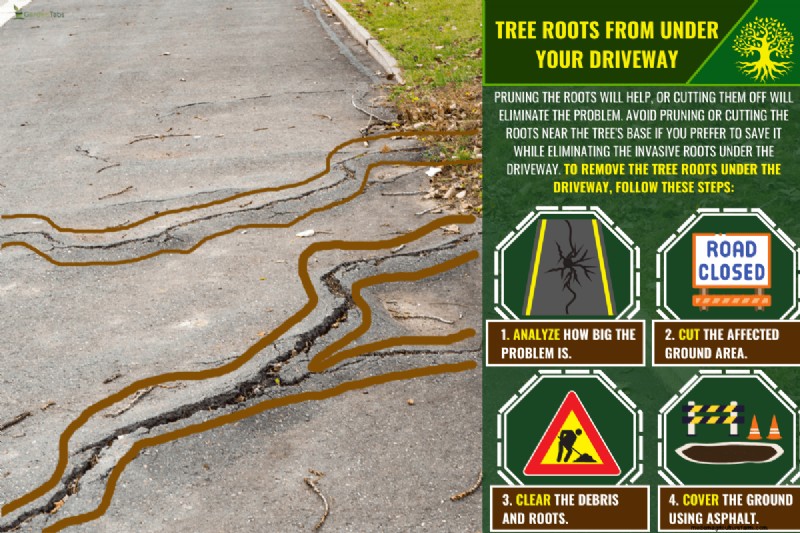
Growing trees in your yard add aesthetic to the surrounding of your home. However, your trees' roots can be invasive and crawl under the ground.
Although installing pavement over tree roots can prevent the tree from getting water and air, the roots will push through the pavement above the ground and cause cracks.
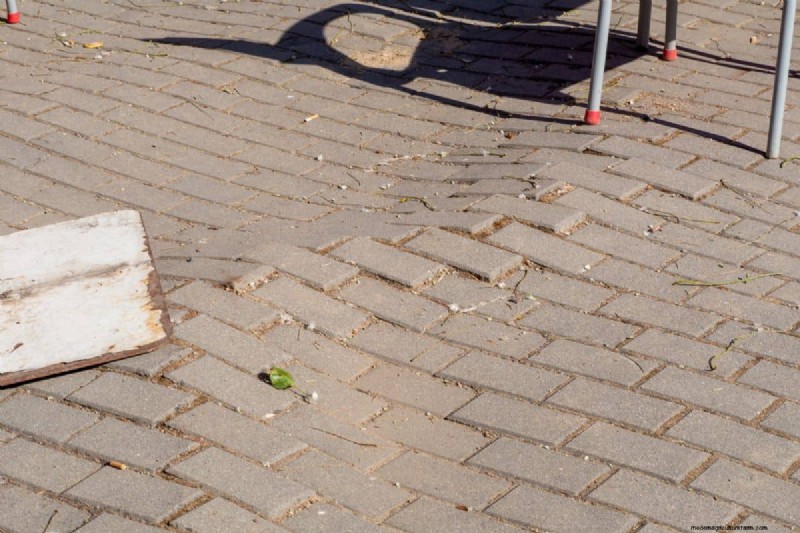
If you plan to remove tree roots invading the driveway while saving the tree, there is a way to do so. You'll need to cut the damaged concrete and carefully remove the tree roots.
Although, before doing anything with the cutting and removing the tree roots, you may seek help from a professional arborist to spot the tree root issues and how to fix the problem.
Here are the steps for removing tree roots from under your driveway:
Analyze the problems caused by roots underground and how big the problem is. Check the affected areas and where to do the cuttings. Ask help from a professional arborist to analyze the situation for you.
Cut the affected area using electric breakers, hammer drills, or pneumatic jackhammers to cut the driveway's concrete.
Remove the roots and the debris using a backhoe or root grapple for an easy job clearing large roots and debris. You can also use a chainsaw, hatchet, or reciprocating chainsaw to remove small ones.
After clearing the roots and debris, cover the ground using a street asphalt patch and fill. Spread and compact the asphalt until completed.
Watch this video and learn how to clear the tree roots from under your driveway:
These are the tools you can use to remove tree roots:
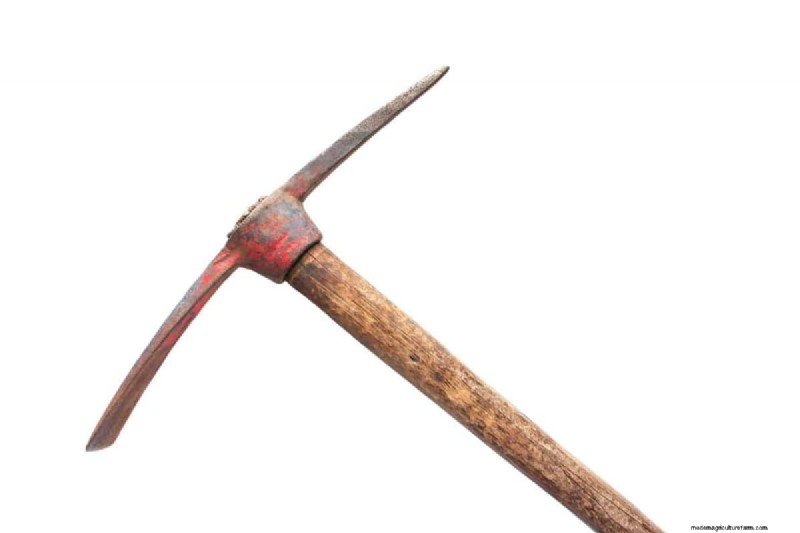
The kick axe is a T-shaped hand tool most people use for lighter jobs in their gardens. You can use a kick axe to clear small roots in your driveway.
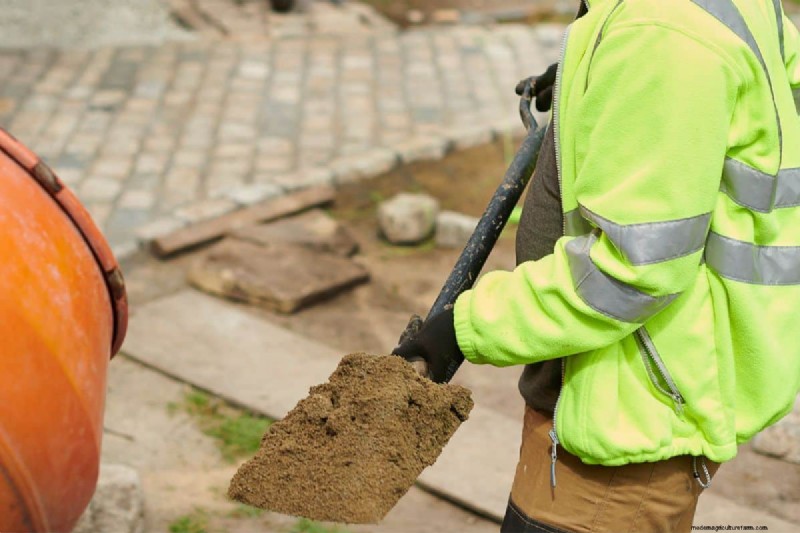
A shovel is commonly used for digging, moving, and lifting materials like coils, debris, sand, and roots. Most shovels consist of a broad blade attached to a medium-length wood handle.
This can easily cut small roots and rocks.
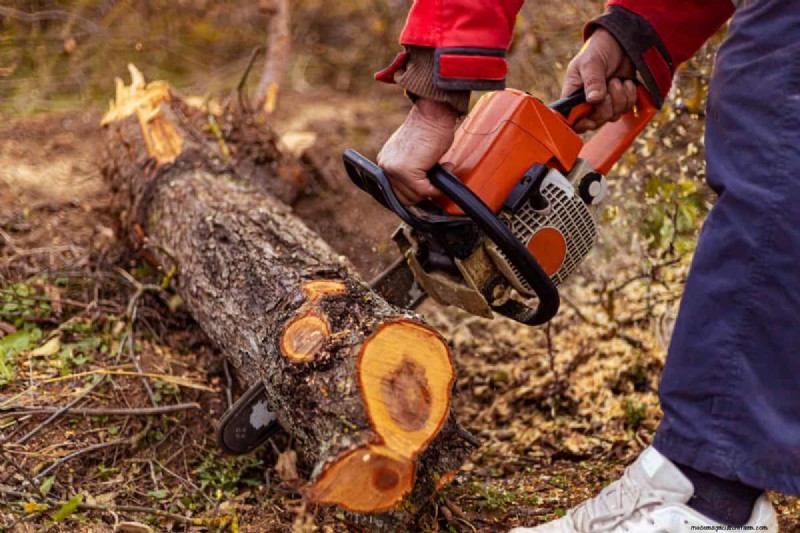
A chainsaw could be an electric or battery-powered tool that cuts through with a set of rotating teeth. Using a chainsaw to cut roots is faster than digging with a pickaxe or shovel.
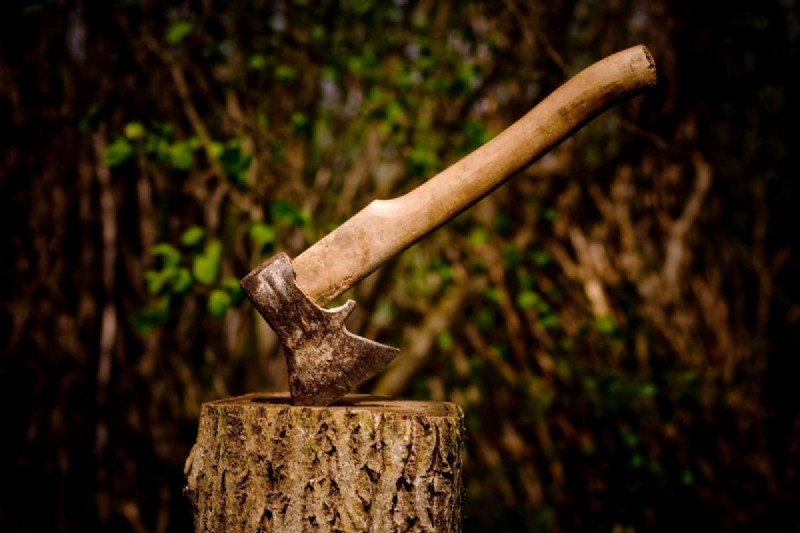
A hatchet is a versatile tool used in carving and working in your yard for many purposes, including cutting roots and digging.
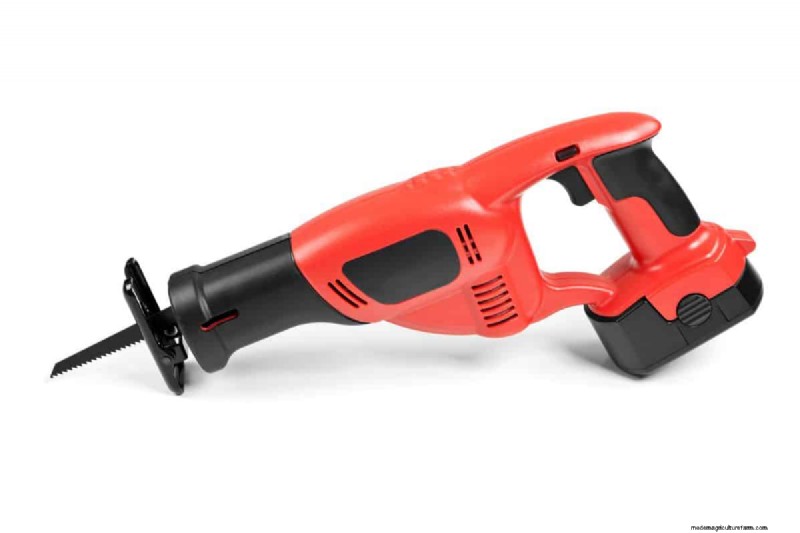
The reciprocating saw has a push-and-pull motion to cut through. Using the proper blade, you can easily cut roots using a reciprocating saw.
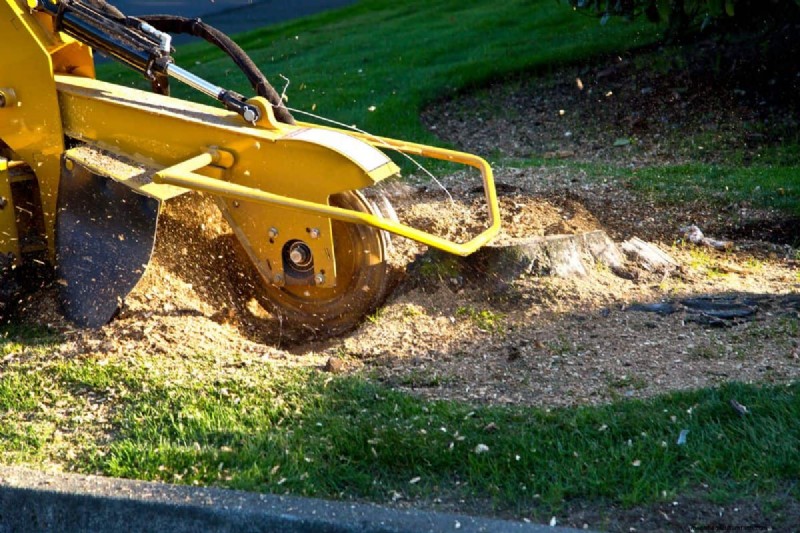
A stump grinder has a rotating blade that can cut and grind through the stump. It can remove tree stumps and grind roots.

An axe is typically used in cutting trees and is common for yard or outdoor jobs. You can use an axe to chop smaller roots without damaging the surrounding soil.
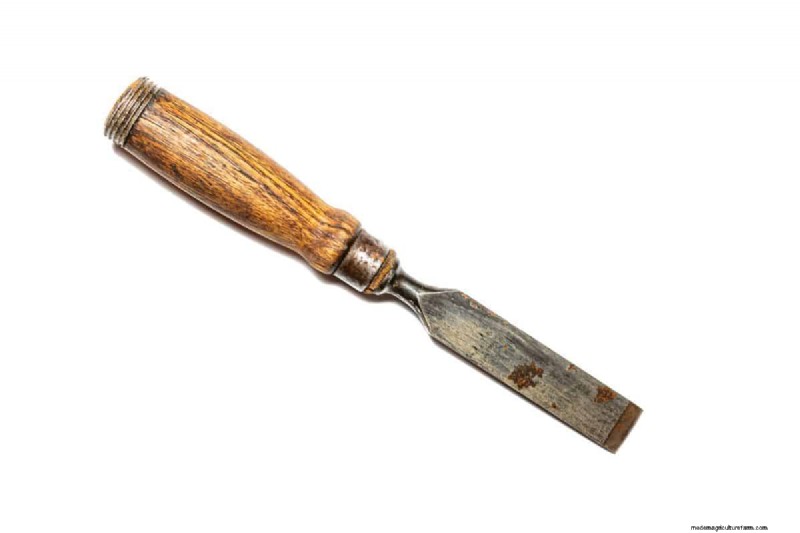
The chisel can dig smaller holes or cut roots from the tree base. It doesn't have too much force when digging roots, but it is cheaper than other tools.
You can use this after cutting the pavement to dig the roots hidden in smaller holes.
There are tree roots that are aggressive and invasive and could cause damage to your house. The tree roots can even crack pipes and go through them.
Basement walls and house foundations could also get cracks from root invasion, and if you see early signs of damage, immediately call a professional to help you fix the problem.
Here is how to prevent roots from crawling and invading your home underground:
Invasive roots are a pain and could cost you too much once they start damaging your home, landscape, driveway, and other parts of your property.
If the problem is too big and you want to kill the tree instead, you can kill the tree with herbicide. If the tree is too large, contact an arborist to advise you on how to kill the tree without damaging your property.
Using herbicides to kill trees is one of the most effective ways. Remember that herbicides should be applied during warmer seasons.
You may read "When Is It Too Cold To Spray Herbicide?" for more details to learn more about it.
There is no need to cut down small trees. However, when using herbicides, be careful, as they can harm humans and pets. Here is how to kill trees using herbicide:
Using salt can also help in killing a tree. Here are the steps on how to do it:
Cutting and removing the tree is the faster way to do it. Although other tree species still need chemicals to be killed.
Remove the tree's bark to starve the tree. The bark is the passage system of moisture and soil nutrients to other parts of the tree.
To do this, remove the layers of bark around a small tree up to 1.5 inches deep and 2 inches wide. Remove up to 8 inches wide of bark layers for best results for a giant tree.
Knowing which trees have invasive roots will help you save trouble and money in the future. Avoid planting these trees or plant them away from your home and driveway.
These trees are famous for having massive invasive roots:
Removing the roots under the driveway is a lot of work and needs analyzing the damages before doing anything. Cutting the trees will help to eliminate the cause of the problem.
Another option is to kill the tree using the tips suggested in this post.
You may also read the following posts for more gardening tips:
Does Wisteria Have Invasive Roots? [And How To Control Them]
How Far Do Crepe Myrtle Roots Spread? [And How Deep]
Do Holly Bushes Have Deep Roots, And Are They Invasive?


