
Welcome to Modern Agriculture!

When you are planning your vertical garden and trying to decide what kind of plants you want and how much time you have to take care of them, at some point you might begin to wonder if can you have a vertical garden without soil. In my research I found a lot of information on this very topic, and am happy to share this with you!
You can have a vertical garden without soil easily by using the techniques of aeroponics or hydroponics in a vertical garden system.
Hydroponics is simply growing plants in sand, soil or liquid with added nutrients, but without soil. This is possible so long as we provide the nutrients that the plans need that they would otherwise have gotten from the soil.
Some plants can also be grown aeroponically, where their roots are exposed to the air, but they are sprayed periodically with a solution of water and nutrients.
Using either of these two methods requires knowledge of the systems as well as the types of plants that can live under these conditions. I have outlined all the information that you need to get started below.
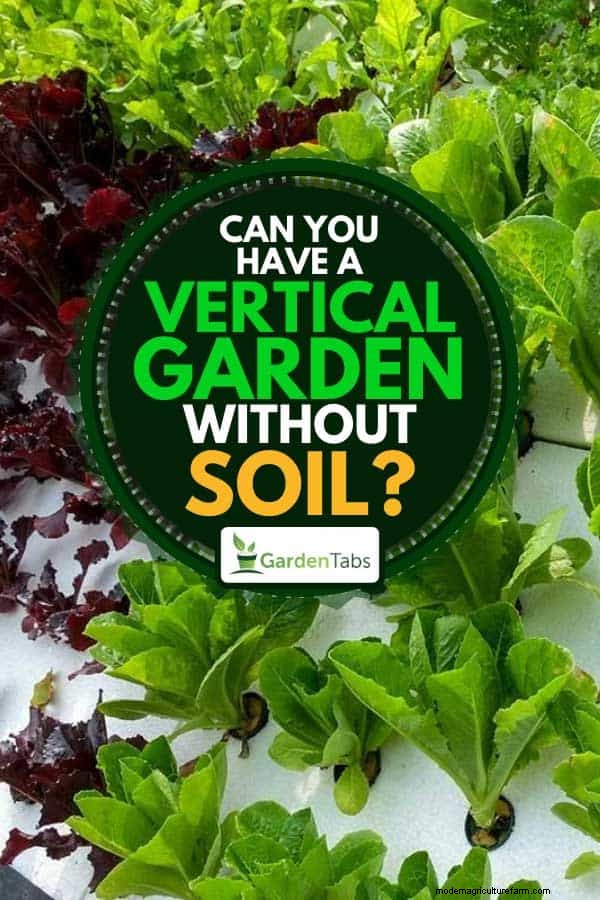
In order to thrive, plants need support, nutrients, protection from adverse temperatures, moisture, and oxygen around the roots.
Plants that are grown aeroponically are grown with no medium at all other than the air. They can be found suspended in trees, in rock crevices, or hanging from a ceiling. The roots of plants that are hanging in the air need to be sprayed with a mixture of water and hydroponics solution. Those plants that grow aeroponically in nature, such as orchids and ferns, get their nutrients from the water that washes over then from their hosts when it rains.
Plants can be grow without soil by using water, sand, gravel, perlite, vermiculite or coconut chips to support the plant and also anchor the roots. These types of mediums allows the plant’s roots access to oxygen as well as the nutrient solution regardless of the delivery system.
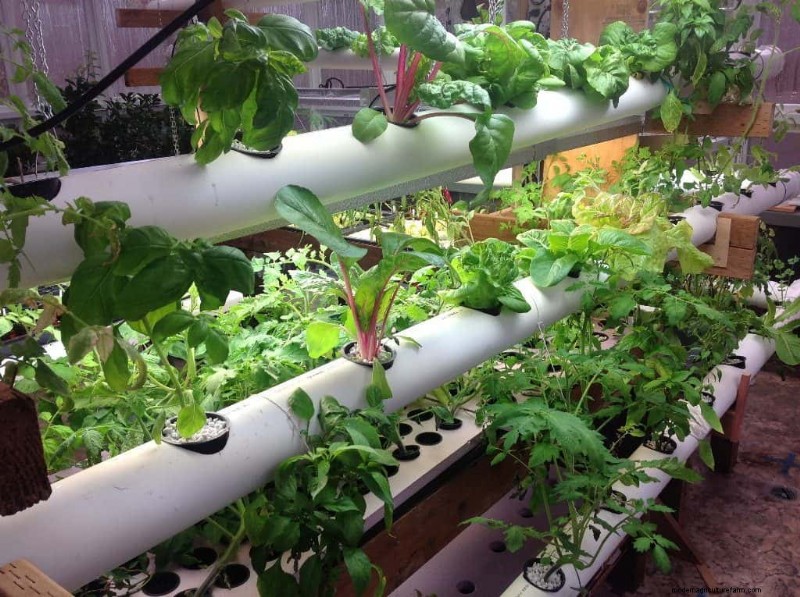
Hydroponics is considered superior to traditional soil growing because the grower has full control to provide the plants with the exact amounts of nutrients, water and oxygen that it needs. It enables faster, better growth and greater yields.
There are a lot of plants that can grow well without soil. Various types of herbs, houseplants, and vegetables thrive in this type of growing environment.
Herbs that are grown hydroponically are known to have as much as 20-40% aromatic oils than traditionally grown herbs. This makes a tremendous difference in the quality of the herbs when used for cooking, teas, or herbal medicines. There are quite a few herbs that can be grown this way.
Commonly grown herbs are:
There are a lot of flowers and houseplants that can be grown hydroponically.
There are several terrestrial vegetables that can be grown without soil. They do very well as they get plenty of water and nutrients without having to compete with other plants in the garden.
Choosing to use a hydroponic system with your vertical garden has many benefits.
There are different types of hydroponic systems that are compatible with a vertical garden. You can create a do-it-yourself system, or there are a variety of great commercially available options:
Plants are grown in a medium that absorbs the nutrient-rich water. The plants are then able to absorb these nutrients as needed, much like being planted in soil.
Plants are anchored in inert medium for support, and are watered by flooding the bed with the nutrient solution, then drained which allows oxygen flow freely around the roots.
A water circulating system is built into the vertical garden. The nutrient solution is ‘rained down on the plants, then collected once it drains through and recirculated to ‘rain’ on the plants again.
Plant cuttings are placed in plain, non-chlorinated water or spring water in a tinted glass or plastic bottle or jar. They will root in the water and take nutrients from the water.
During my research I found a few examples of hydroponic kits that could help you get started easily.
The DreamJoy Hydroponic Grow Kit is made of PVC pipe and can grow 90 plants. It is already set up as a great vertical gardening option.
The Fineether Hydroponic Growing System has built-in LED grow lights and two pots. It has an alarm that lets you know when it is time to add water.
The Big Smart Hydroponic Planter is for larger climbing plants such as tomatoes or cucumbers. It has a built-in water pump and timer to help maintain the perfect watering/feeding schedule.
Creating a soil-free vertical garden takes a little bit of planning, but if you use the information provided above to build yours, you will be enjoying the delicious rewards from your beautiful new garden before you know it.


![Can You Garden Year Round In Florida? [Yes! Here Are Some Tips & Tricks!]](https://modernagriculturefarm.com/article/uploadfiles/202211/2022111711190503_S.jpg)