
Welcome to Modern Agriculture!

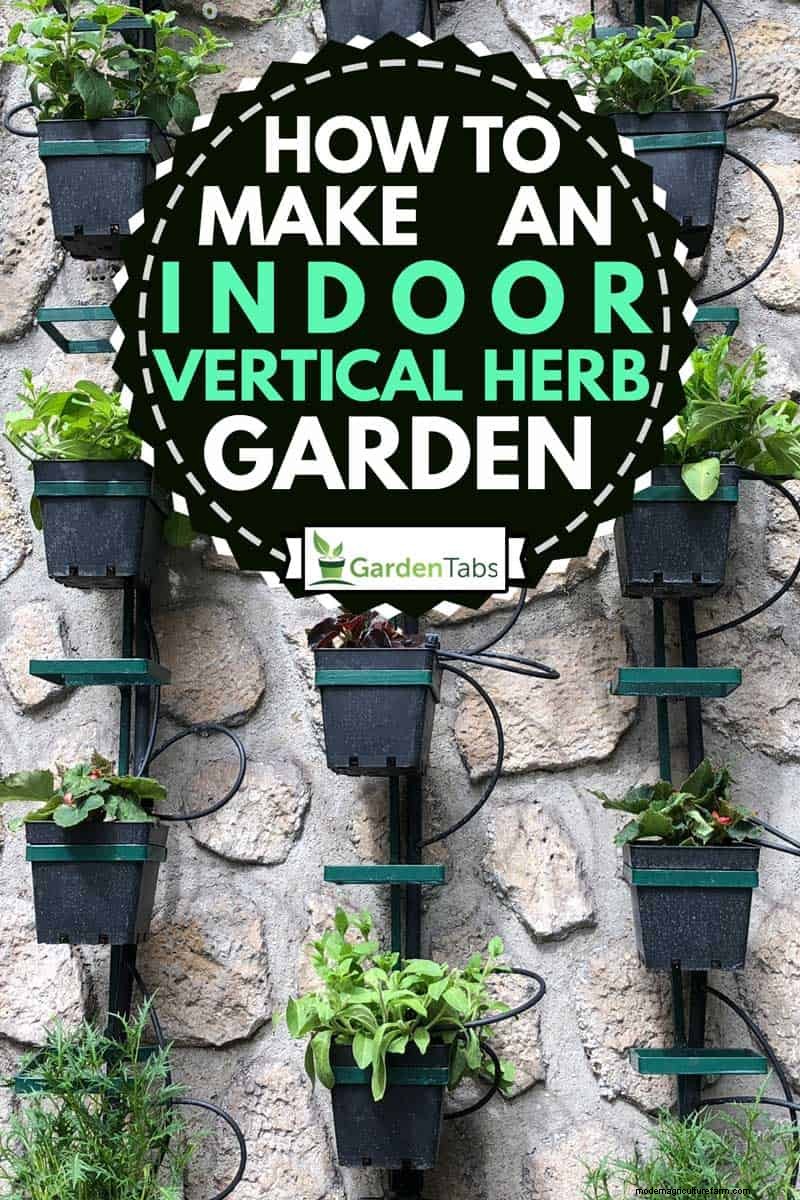 Growing fresh herbs is one of the delights of a home garden. They add joy and flavor to food, and some can also be used for herbal teas. But what to do when the weather starts to turn cold? Many herbs can be easily grown indoors in a vertical herb garden. Having researched the topic in depth, I am going to tell you how you can make the dream of fresh herbs all year around a reality - in a vertical setting.
In order to grow herbs indoors you must do the following:
It is great to have an indoor herb garden and there are a lot of reasons to do so. However, there are several items to keep in mind as you get started creating your herb garden. Below I have detailed the steps for your project to be successful.
Most herbs like a lot of light, so you need to choose a spot with large windows or alternatively, you could install grow lights. This location should stay roughly 60 to 70 degrees as some herbs are very sensitive to heat or cold.
It should not be close to air conditioning or heater vents as this can cause fluctuations in the air temperature and humidity that can be damaging to your plants.
Installing your garden can be done as a do-it-yourself project or you can purchase one of the great options that are available commercially.
A do-it-yourself option can be as simple as building a shelf with cinder blocks and 2x6 boards that have been cut to the desired length. As long as the support is strong enough to hold the planters for your herbs, you should be fine.
Commercially available ideas vary from shelving units to wall mounted supports to hanging planters.
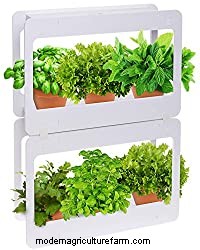
This stacking LED planter is great if you have limited sunlight available. The LED lights simulate natural sunlight, promoting healthy plant growth. It has an automatic timer which is set to 18 hours on, 8 hours off, which mimics a plants natural cycle.

The Algreen 34002 Garden View, Vertical Living Wall Planter is a charming wall-mounted unit that can hold window box style planters.
A hanging herb garden is a great idea if you have small children or pets that could get into your plants.
You may also find these helpful –
How to Build an Indoor Vertical Garden
Can You Create a Vertical Garden Without Drilling?
How to Make a Vertical Garden on a Balcony
The types of herbs you choose will depend on what you want to use them for. Some plants are better to be started from seeds, while others are difficult to grow that way and should be purchased from a garden center or nursery. You should always check for pests before you buy them. Aphids, spider mites, and scales are common on herbs.
Here are 11 of the best and most common herbs that are great for an indoor vertical garden -
All of these would be perfect for your vertical garden. In fact, if you have a large enough area, you could have them all in there! Let's take a closer look at these wonderful options.
Mint can be used in cooking or teas, both fresh and dried. Use fresh for the best flavor. There are a lot of different varieties of mint, my favorites are peppermint, spearmint, and chocolate mint (if you chew the fresh leaves, it tastes like a Peppermint Patty!)
Bay leaf is great for stews and slow-cooking dishes, adding a unique underlying flavor.


A must-have for Mexican recipes, you should plant Cilantro from seed, replanting every few weeks to maintain a fresh supply.
As cilantro matures, it will flower then turn to seed, which can be harvested as coriander. Once the cilantro flowers, the flavor loses its flavor so you will want to keep new plants growing on a rotation.
To harvest the coriander, you will know that the seeds are ready when they turn brown and start to fall off. At that time, you should be able to just shake the seeds off.
There are a lot of different varieties of Thyme to choose from, such as English, Creeping, and Lemon, and each one has its own distinct flavor. Be open to growing a couple different kinds for added interest in your cooking.
Thyme takes a long time to grow from seeds, so you should just start with plants from a nursery if you want immediate results. It likes well-drained sandy soil and does not need to be fertilized.
Originally from the Mediterranean, Rosemary does not tolerate the cold well, so if you want fresh rosemary in the winter you will need to grow it indoors.
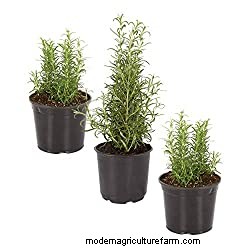

If you live anywhere where the temperature drops below freezing for more than a couple of days at a time. Rosemary also needs light, well-drained soil.
Rosemary smells amazing when you crush it, and you can cut a few fresh sprigs to add to potpourri to spread the wonderful scent throughout your home. The scent is a mood enhancer.
Rosemary is amazing used for cooking pork and poultry and in soups. In March you will need to start watering it twice a week, as rosemary will start to grow as the days get longer and the plants use more water.

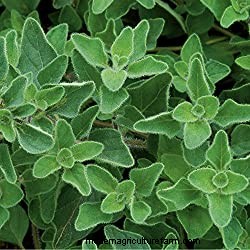

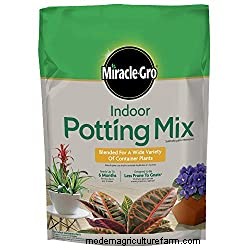
First, you need to choose a good quality potting mix that is designed to drain well. Scotts 72776430 Indoor Potting Mix works very well.

To prevent problems, avoid crowding the plants. Try to ensure good airflow around each one. Always follow the spacing requirements as listed on the plant tags or seed packets, or plant in individual pots.
Maintenance on your herbs is actually fairly simple. In fact, this is one of the advantages of a vertical herb garden. It's a great option for beginners who wish to give vertical gardening a try.
Let's take a look at the basics.
You will need to water them once a week. This can be done with a simple watering can, or you can install a more complex drip system that can be set up on a timer.
The main thing is to make sure that you provide enough water to thoroughly soak the soil all the way to the bottom of the planter. If you just water the top layer of soil, your plants roots will not grow a deeply as they need to.
Read more:
How to Get the Best Vertical Garden Watering System
For indoor plants, a water-soluble one is best. You can get either a granular one that you mix in with water or a fish emulsion that you must dissolve in water before applying. Mix about ¼ the recommended amount into the correct amount of water.
Fertilizer is too strong for use in containers and can burn your plants if used at full strength. Apply once a week after you water your plants. This will help them to absorb the nutrients in the fertilizer.
It is very important to check your plants thoroughly before you buy them to make sure that you do not bring pests into your home.
Common pests on herbs are aphids, spider mites, mealy bugs, whiteflies, scale, and fungus gnats.
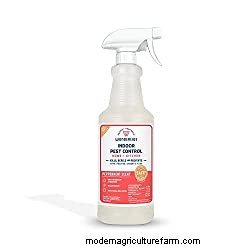
You should check the leaves of our plants frequently, especially if they are not looking well. Spray plants with an organic pest control product, such as Wondercide Natural Indoor Pest Control Home and Patio Spray.

Pruning is a very important part of caring for your plants as it helps to keep them healthy and producing. The timing for pruning is determined on what kind of plants you have.
Some plants, such as basil will die after they blossom, so you will want to prune any buds off when they form. Pruning of most herbs can be done by pinching the leaves or tips of the plants of with your fingers.
Pruning clippers are not really necessary. If you pinch off the top inch or two of the plants, your plants will grow bushier instead of being tall and leggy. You never want to rip or tear the plant as this can lead to disease.
The best part of having an indoor herb garden is the ability to harvest as needed. Just be sure that you do not over harvest, as you may kill your plant.
You should prune the plant down to more than half its size. If you find you are using an abundance of a certain type of herb, plant more of that type of herb so you have plenty to meet your needs.
If you fill up your vertical garden and still want more herbs, you can always put them in a windowsill.
Plants that love a lot of light and warmer temperature will do best in a south-facing window because these get the most hours of sun during the winter. Rosemary, thyme, basil, bay laurel, and oregano will do well here.
Mint, parsley, chives, and chervil (aka French Parsley) prefer cooler temperatures and do not need quite as much sun, so they will do better in east or west facing windows, which get around 6 hours of sunlight a day.
You should avoid placing more delicate herbs such as basil in a window as cold air coming from the glass can damage the leaves.
I left that "debate" for last, assuming you may already be convinced and just need help with setting up your own vertical herb garden.
But just in case you're still wondering and unsure, let's talk about all the wonderful reasons for getting your own edible crops vertically aligned in your home.
Here are the pros and cons of vertical gardening.
Installing an Indoor Herb Garden may seem like a challenge, but if you follow the steps outlined above, your garden will be a success.
Having fresh herbs growing in your home will beautify your living space, as well as improve the quality of your cooking.
Here are posts about vertical gardening that you may find helpful –
9 Books on Vertical Gardening That Will Take Your Living Wall to the Next Level
How to Choose the Right Container for Your Vertical Garden
Which Soil Is Best For Vertical Gardens?
Big City Vertical Gardening: Everything You Need To Know
How Much Does It Cost to Make a Vertical Garden?
23 Vertical Gardening Tips That Will Take Your Green Wall To the Next Level
60+ Vertical Gardening Designs (Inspiration Photo Post)


