
Welcome to Modern Agriculture!

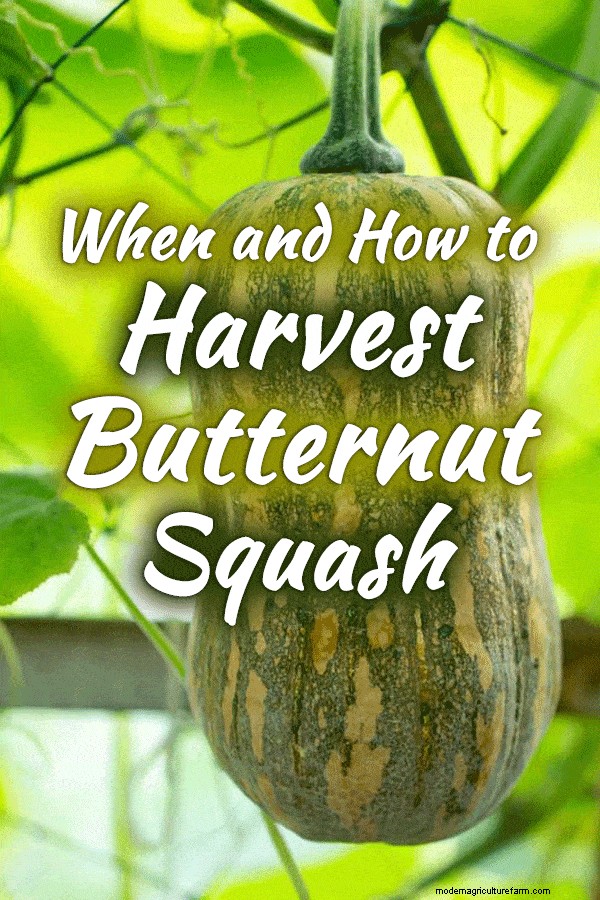 If you are growing butternut squash for the first time, knowing when and how to harvest it is essential. Harvesting your fruit at the wrong time or using the wrong technique can cause damage to your fruit or plant.
When to Harvest Butternut Squash:
It is essential to wait for about 110-120 days after planting the seeds, for the vegetable to grow completely mature before you harvest it. If you see that it has already rotten before harvest, use it for compost rather than letting it go to waste.
How to Harvest Butternut Squash:
Harvesting butternut squash can be tricky. The most essential fact to remember during harvest is that leaving a few inches of the stem connected to the vegetable ensures a longer life span.
Learn all about butternut squash ripening, harvest time, and efficient storage as we dive into the details in the sections below.
Twisting and pulling your butternut squash directly from the vine might be enticing once you see your vegetable ready but as they say, just because it’s easier, doesn’t mean it is better. If you do so, your butternut squash can be subject to damage and pulling it without the stem may result in early rotting.
Cut your butternut squash using a pair of pruning shears or gardening scissors from the vine. For best results and prevention from early rotting, it is essential that you leave a few inches of the stem connected to the vegetable when you make your cut.
In case you remove the stem completely, it is best to consume the vegetable as soon as possible as it is likely to spoil. If you see that your butternut squash is already overripe and spoilt before harvest, use it for compost rather than letting it go to waste.
Butternut squash is also known as winter squash but unlike its name, it is best to plant it in the spring. It takes about 110-120 days for butternut squash to grow mature and it is best to carry out your harvest before the first frost. Leave your vegetable on the vine until late September or October to ensure that its skin thickens as necessary for winter storage.
Here are some tips to know when your butternut squash has ripened:
Bad weather, frosty conditions, and other uncontrollable factors might cause your butternut squash to not ripen properly on the vine. Although your fruit might not ripen naturally after picking, that is no reason to toss it away. Here is how you can cure your unripe butternut squash after harvest:
Fresh butternut squash is known to last for one to three months after picking whether you leave it at room temperature or in the refrigerator.
When the butternut squash is going bad or starting to rot, fluid begins to leak from the vegetable and it begins to turn soft and mushy. Mold may also start to form and it is important that you discard it at this point. Like any other vegetables and fruits, the longer you leave butternut squash on the shelf, the more nutrients it keeps losing. It is best to consume when it fresh and the taste is at its peak.
It is best to store fresh, uncut, and raw butternut squash in a cool dry place. The optimum temperatures are 50° to 60° Fahrenheit. You don’t want sunlight to boost the ripening process, therefore, store your vegetable in a basement, closet, or a pantry. Freezing raw squash is not recommended as the textures might be compromised and the taste might get altered.
If you still want to opt for freezing, cut your raw butternut squash into small cubes. Place a butter paper on a flat tray, spread the cubes on it and freeze. Make sure you don’t pile up the cubes to prevent the pieces from sticking to each other. Once completely frozen, transfer your frozen squash cubes in an air-tight container or a zippered plastic bag and refreeze. Label your jars or packets with the storage date. Although the squash won’t go bad for a long period, it is best that you use it within 6-8 months of storage.
Another butternut squash storage option is roasting it and making a puree before freezing. Just like raw squash, fill the puree in little air-tight jars or zip-lock plastic bags. Defreeze and use it to make baby food or simply add it in your soup, gravy, and pie recipes. Similar to pumpkin seeds, butternut squash seeds are also known to be edible. You can roast and use them in a similar manner.
We think you'll find these articles helpful too -
How and when to harvest pumpkins
How to Grow Knucklehead Pumpkins
How to Grow Jarrahdale Pumpkins
How to Grow Cinderella Pumpkins
How to grow giant pumpkins


