Welcome to Modern Agriculture!

 Buttercup squash is winter squash, which means it will take the entire growing season for fruit to grow and ripen. It is one of the species of Cucurbita Maxima. Cucurbita Maxima species are one of the most sundry of the domesticated species of squash. The original species was Cucurbita Andreana, and it was found wild in South America over 4000 years ago. They are made into hybrids easily; the calcium measurements are very different in hybrid plants.
It is said that the 16th century introduced squash plants to the American Indians. And they domesticated squash quite quickly and is still grown by many tribes today.
The species we are talking about today is buttercup squash. Because of the similarity of names, buttercup squash, and butternut squash are often confused, but they are different squash varieties. Turban Squash is often also confused with Buttercup squash; it is a cousin but a different squash.
Buttercup squash is typical in gardening for its variety of uses, which include roasting, blending into soups, and fillings (similar to pumpkin). The seeds from the Cucurbita Maxima species are used to treat parasites in animals.
This squash belongs to the Cucurbitaceae family of plants. This plant family includes pumpkin, zucchini, squash, and some gourds. In Japan, all squash of the buttercup variety is called Kabocha.
Burgess Buttercup Squash, a thinner skinned sort of this plant, was introduced in 1932 by Burgess Seed Company. It is a crossbreed between Essex and Quality squash of the buttercup variety.
Below is a list of varieties of buttercup squash.
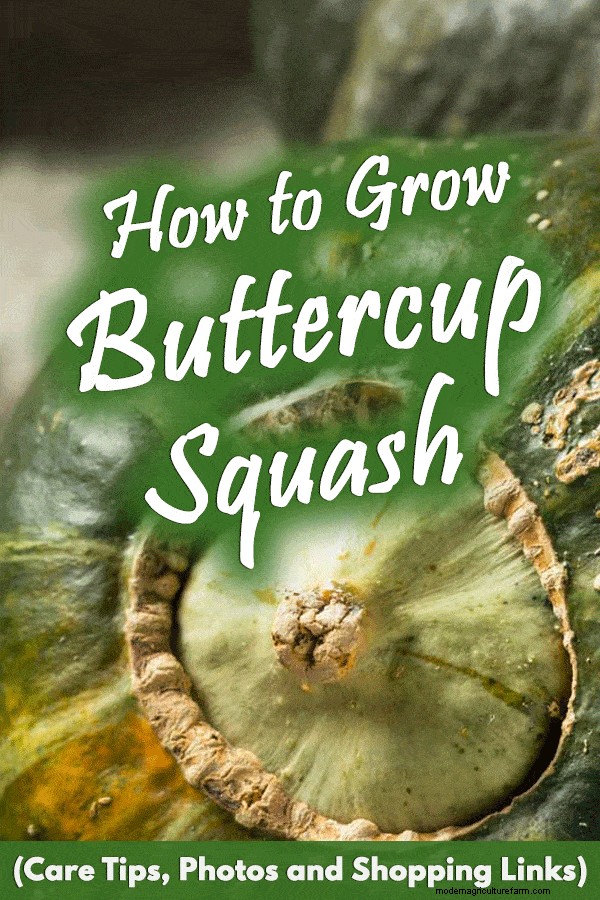
Buttercup squash has a flatter top, and it looks like a turban. It usually weighs 3-5 pounds, it has a dense orange-yellow flesh, with dark green skin. Because its surface is medium-hard, this squash can be stored in a cool, dry place to enjoy them over a while.
The orange meat of the buttercup squash is creamy, sweet, and buttery. When picked at the right time, the top will be firm, and the skin will be dark green of color.
Buttercup squash is rich in vitamins A, and C potassium, B vitamins, and a large amount of minerals. Carotenoids found in buttercup squash can help lower the risk of some types of cancers.
Buttercup squash grows on vines or in bushes. Each vine will need 6ft of row spacing for bush or short vine varieties. If it is a long vine variety, it will need 12 feet.
The traditional way of growing squash plants is to plant them on the tops of a mound and allow a tall plant like corn or sunflowers to support the growth of the vines. You can also plant them at the end of a row, and train the vines to grow away from other plants.
If you want to add some height to your garden, you can grow this squash on a trellis or tepee, by tying up the vines as they grow. If the weight of the squash gets too heavy for a trellised vine, you can use parachute cord to create a net to hold it's weight until rip.
These plants do well in loose, well-drained soil. That is side composted rather than being fertilized because over-fertilizing will cause the plant to leaf out, but not grow any fruit. The ideal pH range for squash is 5.8-7.0pH. Because squash is hardy, as long as you have well-draining soil, your plants should thrive.
Be sure to give your buttercup squash plant plenty of room in your garden; it will spread out and take up space you give it, six to 12 feet depending on vine or bush size.
Squash plants need full sun and have the best growth in USDA hardiness zones 3-10. There are a lot of zone hardiness maps you can find online, to help you figure out which hardiness zone is yours.
The plant size for squash is significant because the vines like to spread out. If you have a bush or short vine variety, you will need about 6 feet of space for the plant. For a long vine variety, you will need up to 12 feet of space between rows.
The vines will reach maturity 90-100 days after planting. The vines will produce as little as four, and as many as six squashes per plant.
All squash plants like consistent water. Deep watering, the practice of watering the soil four-six inches deep, will help the water to reach the roots of a squash plant. Where it can most effectively retrieve moisture from the earth.
A dense layering of mulch will help to keep water from evaporating too quickly from the soil. Be sure to monitor the soil around your plant, the roots of squash don't like to be saturated in water for long.
Squash plants have many enemies, so prevention by way of healthy soil is best.
Diatomaceous earth is recommended as a way to keep pests under control. Floating row covers are also recommended as a prevention method for pests. If you are using floating row covers, be sure to secure the light fabric with soil. If using the floating row covers, you will need to open them regularly or hand pollinate the flowers.
Yes, you can do this. We will even give you a step by step guide.
There are several varieties of squash that can be grown in containers, as long as it isn't a giant variety that weighs a lot. You will want to choose a large pot, as a squash plant will need plenty of room for its roots. One squash plant needs a lot of space.
For your viewing pleasure a photo gallery of buttercup squash. After that, we will tell you more about where to buy seeds, or starts, for your garden.
These dark green squash are fantastic for winter storage if kept between 50-60 degrees Fahrenheit with proper ventilation they will keep for up to 4 weeks.
Who wouldn't want to grow this adorable little squash called "Buttercup" in their garden?
Each plant will grow 4-6 fruit per plant.
When you cut them open, you will find a dense yellow to orange flesh, that will taste sweet, and buttery.
The dark green and striped skin will be a beautiful decoration for your garden and your fall table centerpiece.
They would make excellent hostess gifts for Friendsgiving, and you could say, "I grew it myself."
If you have never had buttercup squash, you are missing out. Roasted with maple syrup, blending into soup, it is the quintessential fall food.
Grown on a bush, on a short, or long vine, these beautiful plants will add texture, and height to your garden.
Kids have a ton of fall fun playing hide and seek with these squash as well as getting to harvest something they grew.
If you squash needs a hug, you can give it a little support so it can safely finish growing. Especially if you trellis and they are scared of heights.
Seedz sells USDA certified organic, and heirloom buttercup squash seeds. They are verified non-GMO. There are approximately 25 seeds per pack.
My Seedy Needs sells six seeds per package, heirloom, variety, buttercup squash seeds. Ninety-five days to harvest with this variety.
If you want to add color to your garden, try these Mooregold buttercup squash plants — twenty-plus seeds per package.
We also found these Burgess Buttercup Squash seeds in packs of ten seeds.
Gurney's also carries in 1 ounces packages.
Squash is a great addition to any garden, whether bush or trellised, once you find and make friends with your buttercup squash, it is fun to watch them grow throughout the summer. Especially if you create a trellis tunnel with various types of gourds and squash. It makes a favorite summer shade spot.
Are you ready to grow these beautiful little garden fruits? You have all the information you need. Get planning, planting, growing, and enjoying.
Here are posts about Squash you might also want to check out –
54 Types of Squash That You Can Grow in Your Garden
Top 50 Online Stores for Pumpkin and Squash Seeds
How to Grow Squash in a Vertical Garden