
Welcome to Modern Agriculture!

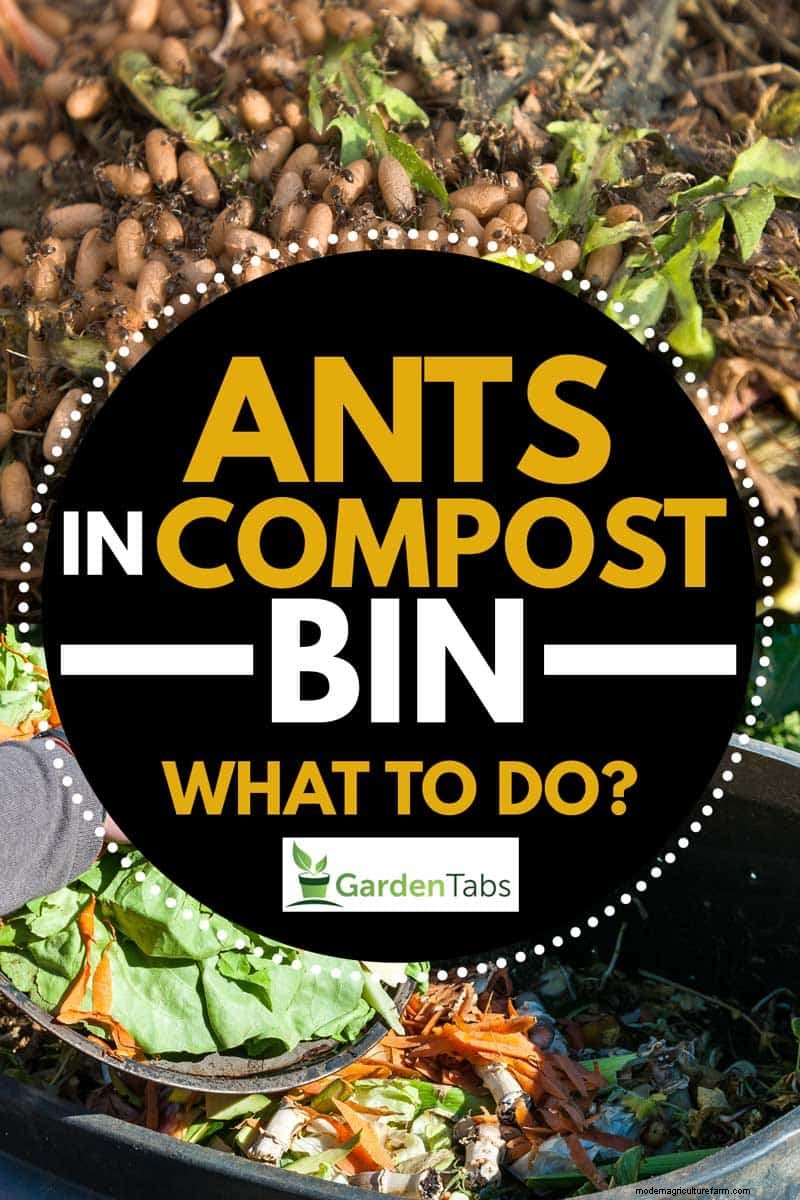 As you set up your compost pile, you might notice ants in your compost and wonder what you should do about it, if anything. Rest assured - we've done lots of research for you and collected the best information on this topic right here in this article! We know that you want to create the best, most nutrient-rich compost for your plants, and we're right here to help.
In moderation, ants can be a great addition to your compost pile. Here's why:
However, you don't want too many ants for these reasons:
To control the number of ants in your compost, you can try a few different tactics including increasing the temperature and moisture level or turning the compost more frequently.
We'll explain each of these points in more detail in the rest of the article, plus tell you exactly how to control the ant population in your compost. We're sure you have lots of questions and we've done our best to answer all of them for you right here. So, let's get started!
If you have a traditional compost pile or bin, as opposed to a worm composter, ants can be very beneficial. This is primarily because their waste helps bring fungi into the compost, which creates an environment rich in potassium and phosphorus. Both of these are nutrients that are incredibly important for the healthy life cycle of plants. Ants also help aerate the compost as they tunnel through it.
The downside of ants in your compost is that if the pile gets overrun with them, adding scraps or removing compost can become very difficult. Ants also feed on the "milk" produced by aphids and keep them in colonies. Since aphids, in turn, feed on many garden plants, you probably don't want an entire colony of them in your garden carefully tended by a group of ants.
In short, ants can be great for your compost, but only in limited amounts and only in compost that doesn't use worms. We'll explain how to maintain a healthy number of ants later in this article.
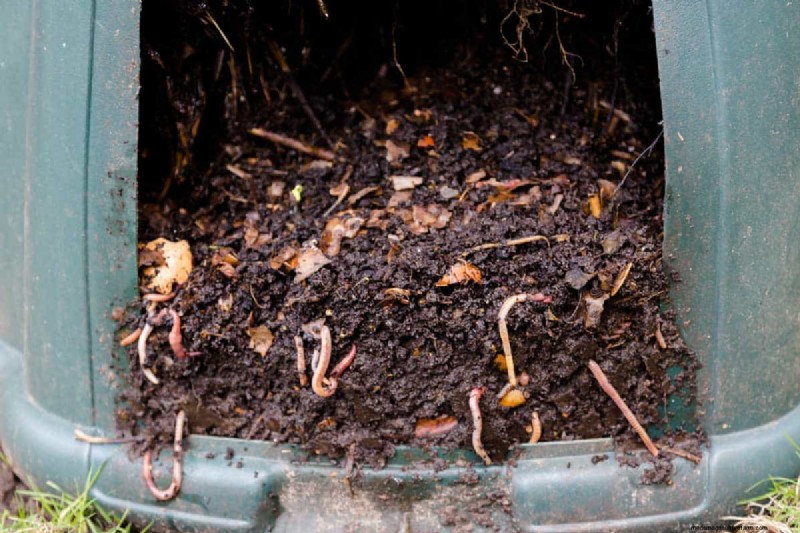
Most of the time, ants don't directly kill the worms you have intentionally living in your compost. Instead, they contribute to the worms' decline by eating too much of their food. They also sometimes kill the small young worms and take the eggs back to their homes to eat. Although many ants mostly eat plants, army, carpenter, and fire ants are the species most likely to be carnivorous.
In general, it's best to keep ants out of the compost if you use worms. Worms are such a great ally in composting that it's important to make sure they're safe and well-fed. You can read our article Can I Put Worms in My Compost Tumbler? for lots of helpful information about composting with worms.
If you've noticed too many ants in your compost pile, you're probably looking for ways to control them. Here are a few of the best methods:
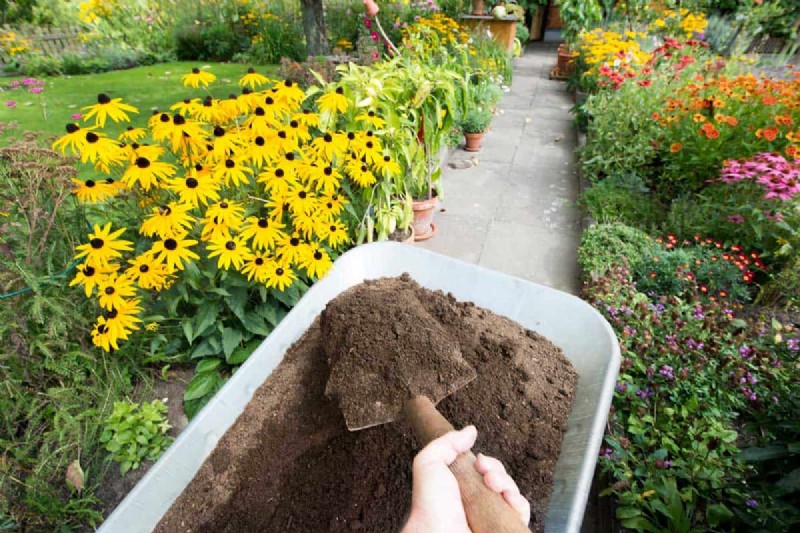
As with compost, ants can be very beneficial to a garden, but only in small amounts. They aerate the soil by tunneling and some even protect colonies of caterpillars for their "milk", which can lead to more butterflies. A lesser-known fact is that they also help disperse the seeds of flowering plants, aiding in their fertilization process. Ants also protect plants - peonies are a special favorite - from insects that eat their leaves, by eating or otherwise disturbing these pests.
However, too many or the wrong type of ant can also cause problems. Fire ants have a painful bite, which makes them unpleasant to have around, and red imported fire ants are an invasive species from South America that can wreak serious havoc on North American ecosystems. Finally, ants use and protect aphids, which are harmful to the health of plants.
The answer to this question depends on the type of insect. While some insects can cause issues with your compost, others can actually be beneficial. We'll break it all down for you right here:
The bugs mentioned below provide aeration as they tunnel through the pile, which improves the flow of oxygen - a necessary component of creating compost. Finally, they help increase the number of good bacteria and fungus, which also helps aid in the breakdown of scrap material.
Just keep in mind that you'll want to monitor the number of slugs and sowbugs since they can cause issues in other parts of your garden. You can learn more about controlling grubs or maggots in your compost by checking out our article Grubs or Maggots in Compost - What to Do?
All of the following bugs help your compost by eating and excreting your scraps, which speeds up the composting process.
Although none of the following bugs are directly harmful to your compost, they can cause issues in other parts of your garden, spread disease, eat smaller and more helpful bugs, or make it difficult for you to use your compost heap. At best, none of them are helpful in the decomposition process.


