
Welcome to Modern Agriculture!

If you live in an area with sandy soil, you might have found that you struggle to grow many varieties of plants. Sandy soil lacks vital nutrients necessary for plants to retain and use. There is an upside to sandy soil — it doesn't take too much to improve the quality of the soil to grow; the main component to a successful garden is compost. So how much compost do you add to sandy soil? We have completed the necessary research to give you the best advice regarding gardening in a region with sandy soil.
You will want to add three to four inches of compost to sandy soil. It is safe to leave the compost on top, but it is ideal to combine the sandy soil with the compost through tilling. By combining the compost with the sand, you get a good combination of nutrient-dense soil with proper drainage.
Since sandy soil lacks organic components that help plants thrive, there are some simple steps to make your garden flourish. In the following, we have provided more detail about improving your sandy soil and transforming it into an environment perfect for planting.
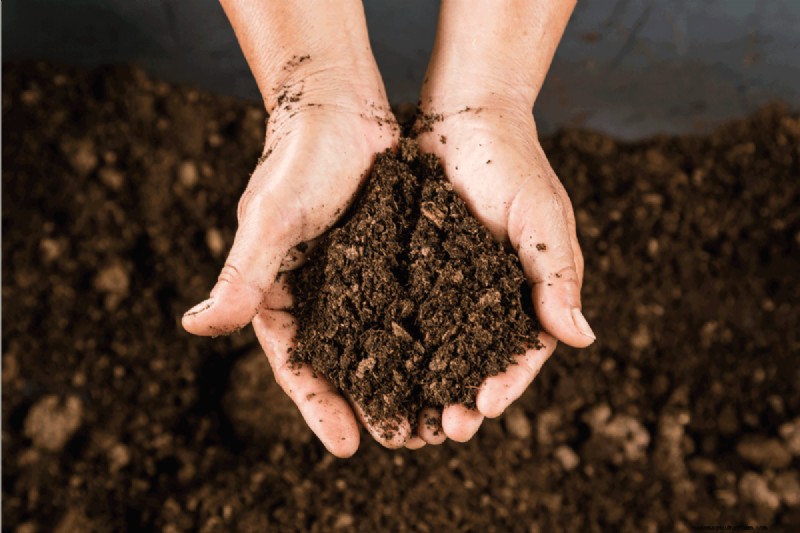
To turn sandy soil into good dirt, you must amend the soil. This process is defined by adding compost and other organic materials to poor soil. Amending the soil is necessary to create a growing-friendly garden. Due to the porousness of sandy soil, it is essential to water less often but for longer periods. Use a slow-release fertilizer to further supplement additional nutrients.
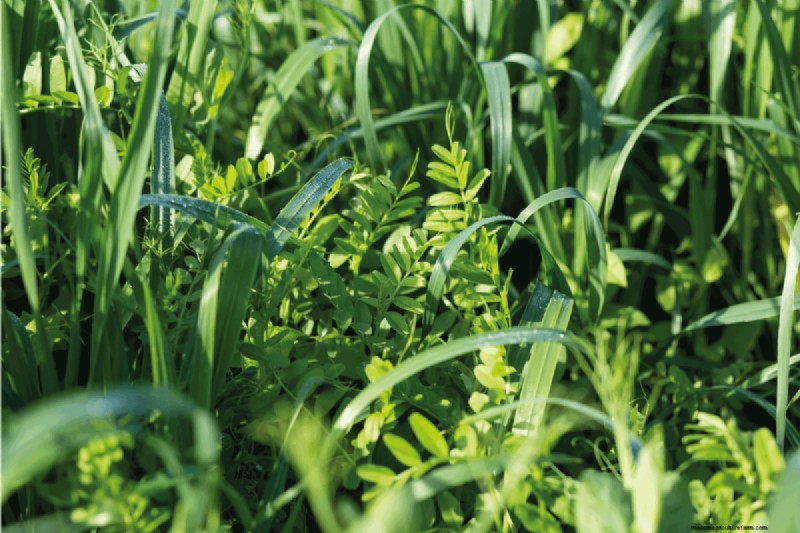
Another way to improve the soil is by growing a cover crop. You plant this on top of your garden with the purpose of working it back into the soil. Ideal summer cover crops are cowpeas, pearl millet, and buckwheat; winter crops include hairy vetch, mustard, and crimson clover. Right before these plants flower, till them back into the sandy soil, ultimately having a similar effect to mulch.
Below we show how vetch is used with the oat crop to improve the soil.
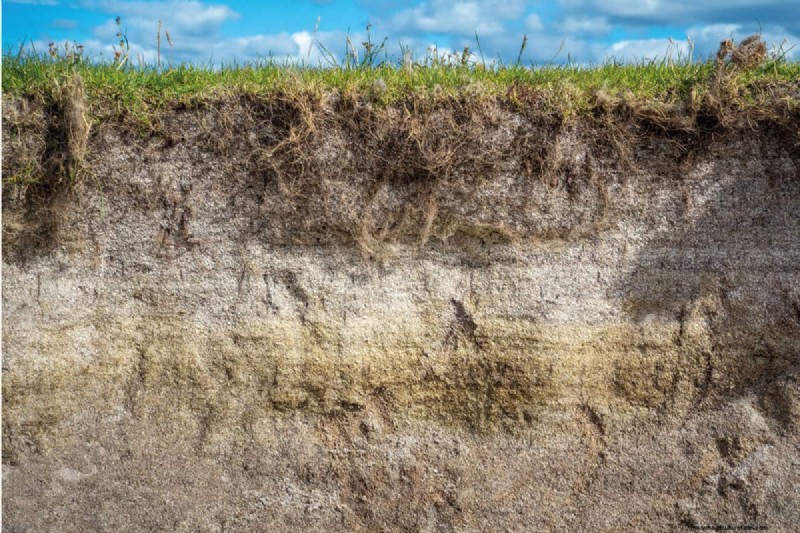
No matter what, be sure always to amend sandy soil with compost; however, there are many plants that like sandy soil. Because sandy soil has large particulates that allow for comparably more air and porosity between these particulates as opposed to dense clay soil, some plants prefer sandier soils.
Particularly, root vegetables like carrots, beets, and potatoes do well in sandier soil because it allows their roots to grow easily, and they do not like overwatering. Herbs, garlic and onions, melons, tomatoes, and peppers all do fine in sandier soils.
Sand is not as bad as it is made out to be. It is really easy to work with and just needs a few additions to help make plants more viable. Prepare your sandy soil for planting with the following simple steps:
You can make your own compost or purchase compost from your local gardening center or online.
If you'd like to start your own compost pile, check out our blog, 6 Best Compost Starters For Your Tumbler.
Grass seed can't latch onto the sandy soil alone, so like planting, compost is necessary. The only difference is to place four to five inches of compost on the soil's surface instead of working it in. As with most planting, you will only want to plant in the spring or fall when it is not too cold or hot.
For more information and other options for growing grass, check out our blog, 9 Types Of Sod Grass That May Be A Good Fit For Your Lawn.
Mulch helps to retain water but must not be used alone. Compost must be used in combination because sandy soil has two main problems — water and nutrient retention.
As a result, mulch used on the garden once the compost has been worked into the ground will improve water preservation and keep weeds down. It is necessary for establishing plants.
There are other options for retaining water and nutrients for your plants. These options include garden vermiculite, coconut coir, and peat moss. Check out your local garden center for the best choice for your region.
In conclusion, sandy soil has a false bad rap. In reality, it is easy to improve upon to create a beautiful garden or lawn. The biggest takeaway here is to add compost to sandy soil. This simple trick will enhance the soil with organic nutrients and help plants retain water. Happy gardening!


