
Welcome to Modern Agriculture!

Brush hogging is a method of removing thick vegetation such as woody plants, saplings, overgrown grasses, and the like. It is an efficient land clearing method, but leaves behind a mess of shredded debris. How could you clean up after brush hogging? After taking the time to research from different sources, we discovered the best ways to clean up after brush hogging.
You can clean up brush hogging either manually or using machinery by:
That might be a bit difficult or maybe involve a lot of patience, but they are easy ways to get it done. Whether you are new to brush hogging or not, keep reading to learn relevant tips that can help you.
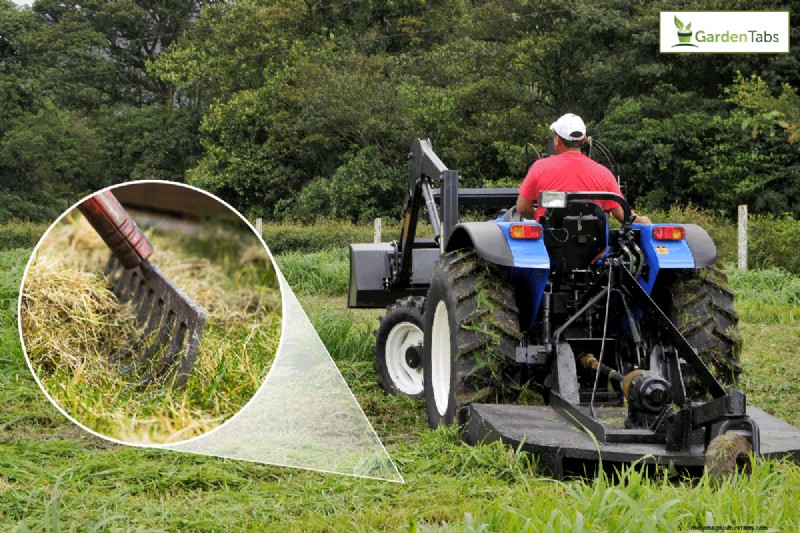
Brush hogging, also known as "Bush hogging" (referring to an equipment brand name), is the clearing of woody plants, small trees, unruly or invasive brush, and overgrown grasses from land. It involves invasive trimming or rough cutting, mostly to prepare for gardening, cultivating, and construction. A brush hog can also be used to seasonally maintain hayfields and grazing pastures.
A tractor tows the brush hog machine, a heavy-duty rotary mower. It could also be referred to as a "topper" or "slasher," but these terms are location-specific and not typically heard in the US. It has blades that are built on hinges. Most people think brush hogs are similar to lawnmowers, but they are different because a lawn mower's blades are rigidly attached to the drive.
Unlike other versions of land clearing, brush hogging does not involve removing whole roots. If you still want to rid the landscape of the rooted plants, you'll need to dig a bit deeper using a rototiller or bulldozer.
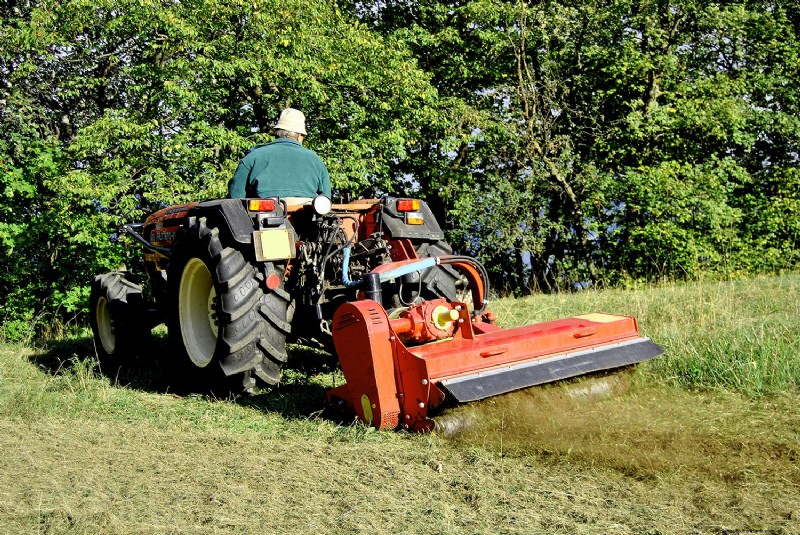
Your clean-up method largely depends on:
If you are working with an extensive land area, you'll likely want to use machine power to expediently clear the debris left by the brush hog. Gathering debris with a landscape rake affixed to your tractor and/or shoveling away the piles with a front loader are excellent options.
You might also benefit from hiring a yard waste disposal company as these professionals have the equipment for heavy lifting and removal of large quantities of natural waste.
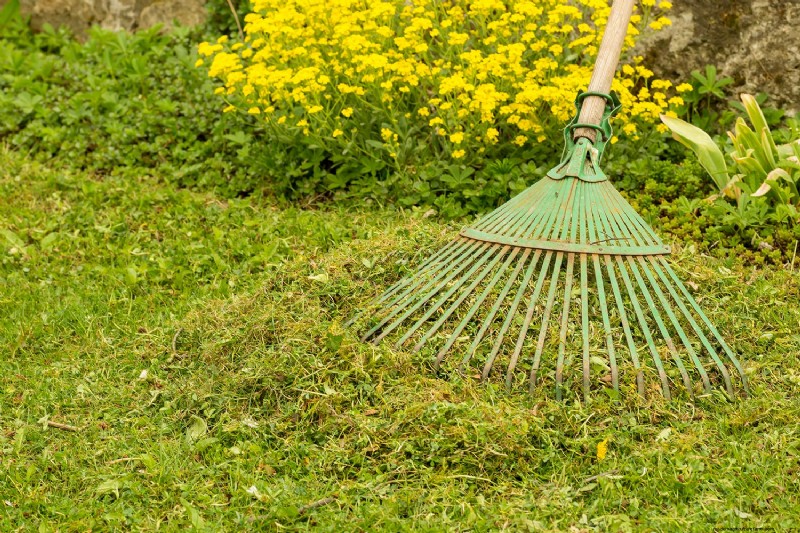
For smaller or residential areas, you can consider hand-hauling to clear the debris away. This is the most labor-intensive method, but it can get the job done with the simple use of a rake or shovel and a wheelbarrow or tarp.
Yard waste, or debris left behind by a brush hog, can break down naturally. So it is not generally recommended to simply toss it into the trash where it might consume valuable landfill space while not giving back any nutrition to the soil. If you're looking for methods to dispose of large quantities of grass clippings, cut saplings, and the like after brush hogging, try these methods:
Before you begin, take a look at some simple tips to help you get the best result:
Take care of yourself and your equipment. Monitor the tractor's gauges to prevent overheating and keep alert for any unusual sounds. Cover yourself with a hat, long sleeves, or even an awning to shield the sun while you drive.
You should also ensure that other people, especially children, and pets or livestock are not in the vicinity while you brush hog as they could be injured by flying debris or fell brush.
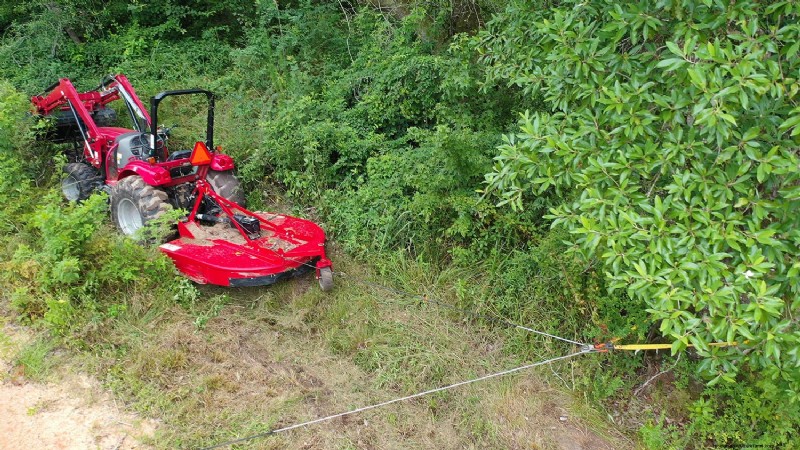
The power take-off or PTO shaft transfers power from your tractor to the attached brush hog. It should be the correct size for your tractor's horsepower (HP). You'll want to operate the tractor at a suggested engine RPM rating between 1200 and 1600 RPM (approximately 300-400 PTO RPM) for productive mowing.
Some users suggest lower RPMs result in extended blade life for the brush hog. Yet others proclaim slower results in tearing the vegetation rather than making a clean cut.
However, you should always consult the manufacturer's recommendation for the brand/model brush hog you are using. Trial and error might occur to get your equipment adjusted just right for the tough stuff you'll be cutting.
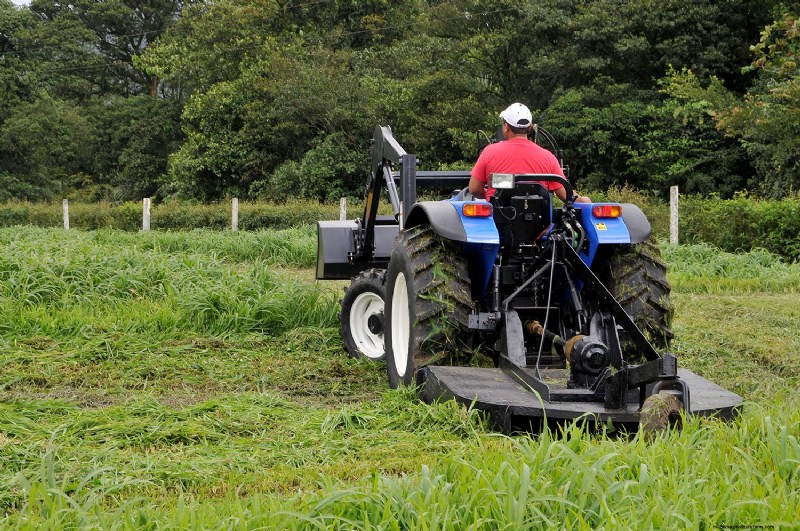
If the brush hog blade is sharp and undamaged, it can slice through 1 1/2" to 3" 'round young trees at a maximum of 3" tall. The blade's ability depends on the wood type, as hardwood saplings are more difficult to cut through than softwood saplings. Cutting brush thicker than 2" can put a strain on the equipment, however, and risks damaging the blade or machinery.
Whether the trees are "woody" or "green" will also affect the brush hog's cutting ability, as users attest, and how thick the vegetation is. Some test the growth based on their experience and roll the brush hog over the saplings to see if they will bend; most will typically cut bendable trees with ease.
Cutting ability will ultimately depend on the type of vegetation but also on the size of the brush hog. Several users have experienced smooth cutting up to 2" and even at 3" thickness using a 48" brush hog.
Just like other machinery blades, you should expect the sharpness of your brush hog blades to dull over time. It would get blunt due to hitting hard surfaces. Yes, it's a good idea to sharpen the brush hog blades if you experience a clogged mower bed or uncut stalks being pulled thru. Sharpening prevents damage to the gearbox, should vegetation get caught.
Sharpen the blades just as you prefer, be it with a bench grinder, angle grinder, or hiring a professional to do the job. Follow the manufacturer's instructions to disassemble and reassemble the blades. Ensure they are tightened sufficiently after reassembly for proper function and safety.
A brush hog and a bush hog are one and the same. "Bush hog" refers to a specific brand, specializing in a variety of rotary mowing equipment.

If you think you need an actual tractor before trying brush hogging, then you're wrong. You can also brush hog using a riding lawnmower, an all-terrain vehicle (AVT), a utility terrain vehicle (UTV), or even a Skid Steer with a brush cutter attachment.
Brush hogging does make a mess, but the benefits of cleared land and weed prevention outweigh the time and effort it takes to complete the task. Tidy up the mowed area by raking the larger debris and then running the brush hog over again for even smaller pieces that will rapidly deteriorate.
If you've read up to this point, you should check out other interesting articles about gardening:
How and When to Prune a Holly Bush
17 Best Privacy Bushes and Shrubs

![How To Keep Hydroponic Water Clean [Step By Step Guide]](https://modernagriculturefarm.com/article/uploadfiles/202211/2022111618402020_S.jpg)
![When To Apply Brush Killer [And How To]?](https://modernagriculturefarm.com/article/uploadfiles/202211/2022111710161113_S.png)