
Welcome to Modern Agriculture!

Spacing between garden beds is a big decision - you want to make sure you have enough room to work, but you also don't want your garden to take up too much space. So, how much space should you leave between your beds? Fortunately, we have done research on how to properly add space between garden beds.
Adding spaces between garden beds depends on what you're growing and how much space you need. Here are a few things to consider when deciding on the perfect spacing for your garden:
Keep reading to get more ideas on the right space between your garden beds. Other than that, find out the things to consider before deciding on the gap measurement for your garden.
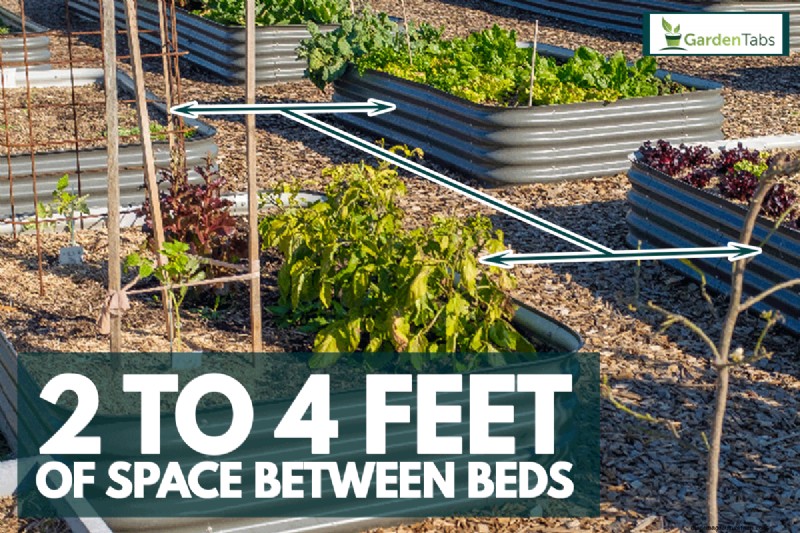
A general guideline is to leave 2 to 4 feet of space between beds. This will give you enough room to comfortably walk between them, as well as provide ample space for plants to grow. Of course, the final decision will depend on the size and layout of your garden.
If you have a large area to work with, you may want to consider wider beds. Alternatively, if you're converting an existing lawn into a garden, you may need to adjust the spacing depending on the size of your existing beds.
Yet still, the right distance between garden beds is whatever works best for you and your garden.
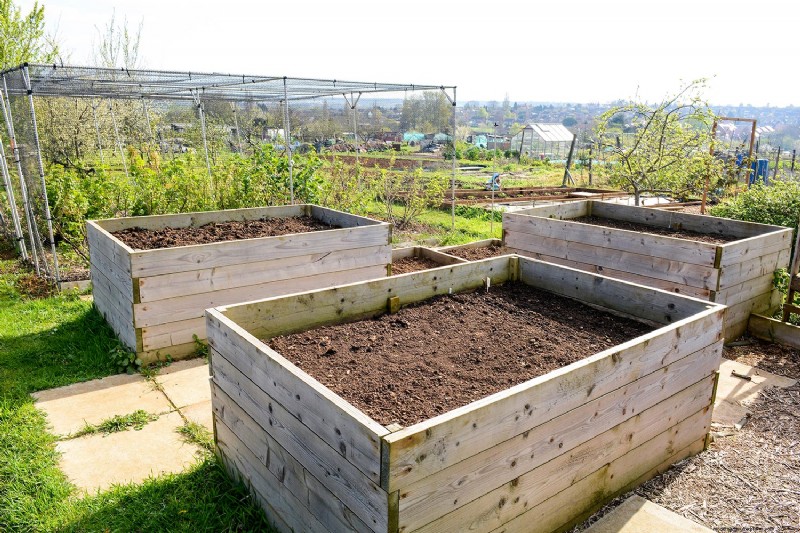
When it comes to creating a staggered garden bed layout, there are a few things to keep in mind.
First, consider the amount of space you have available. This will determine the number and type of plants you can include in your beds. If you have a small space, you'll need to choose plants that don't require a lot of room to grow.
Once you've taken these factors into account, you'll be well on your way to creating beautiful, productive garden beds. You'll want to make sure you have enough room to comfortably walk between the beds.
Think about the types of plants you want to grow. Some plants require more room than others, so you'll need to factor that into your layout.
Once you've decided on the overall look you're going for, it's time to choose the individual plants. Do you want a mix of annuals and perennials? Or do you prefer a more restrained palette of evergreens?
When selecting plants, pay attention to their height, shape, and color. You'll also want to consider how much sun or shade the plants will need, as well as their watering needs.
One thing to consider when creating space in garden beds is the type of soil you have. Different types of plants require different types of soil, and not all soils are created equal. For example, clay soils are dense and can be difficult to work with, while sandy soils are loose and dry out quickly.
Knowing the type of soil you have will help you choose plants that are well-suited to your garden and make it easier to create a healthy, thriving space.
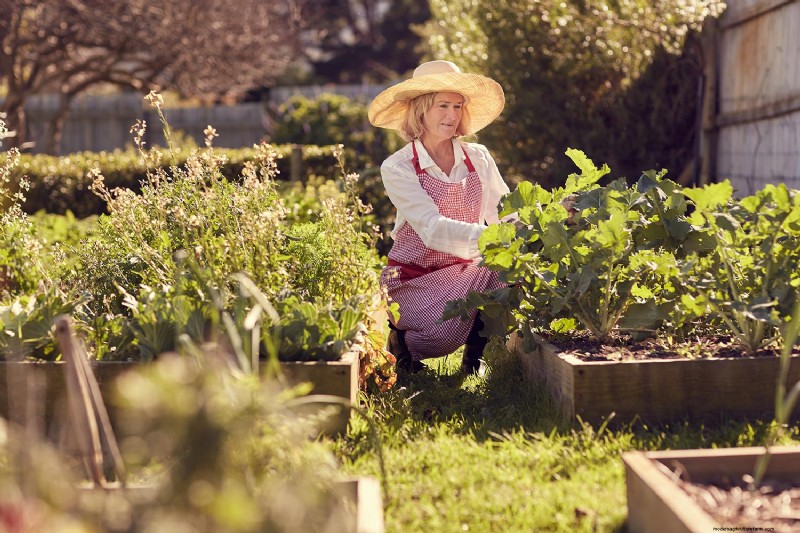
Consider the amount of sunlight each bed will receive. This will help you determine which plants will do best in which location. Besides that, this will guide you to choose plants that are suited to the light conditions in your garden.
By taking these factors into account, you can create a staggered garden bed layout that looks great and functions well.
One great tip for dividing up a garden space is to use garden edging. Garden edging can be made from a variety of materials, including stone, wood, or metal. It provides a clean, finished look to your garden and can also help to keep weeds and grass from encroaching on your flower beds.
Another tip for dividing up a garden space is to use containers. This is a great option if you have limited space or if you want to create a modular garden that can be easily rearranged. Containers come in a wide range of sizes and can be made from many different materials, including plastic, clay, or fabric.
Finally, another great way to divide up a garden space is to use raised beds. Raised beds are an excellent way to improve drainage and prevent soil compaction. They also make it easier to reach your plants without having to bend over.
Regardless of which method you choose, dividing up your garden space will help you to create a more organized and attractive garden.
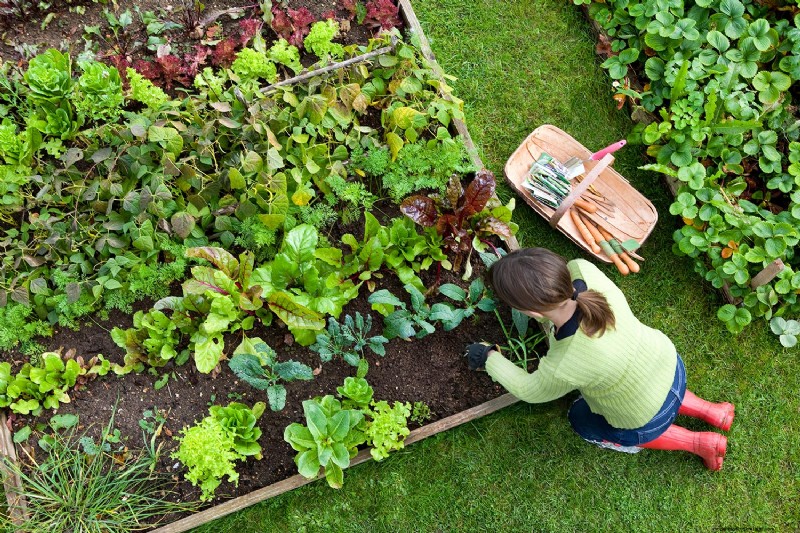
There are a number of crops that can be grown in close quarters, providing a bountiful harvest even in limited space.
With a little creativity and planning, it's possible to grow a wide variety of crops in even the most limited spaces.
When it comes to planting, there are a few general rules that gardeners should follow.
One of the most important is to give each plant enough space to grow. Crowding can lead to competition for resources, and plants may become stunted or produce fewer flowers and fruits.
There are a few species that are particularly susceptible to crowdings, such as tomatoes, peppers, and eggplants. With these plants, it's best to give them some extra room to spread out.
In addition, it's important to consider the mature size of a plant when deciding how close to plant it to other species. For example, fast-growing annuals should be spaced further apart than slow-growing perennials.
By following these guidelines, you can ensure that your plants have the best chance to thrive.
One option is to create a staggered garden bed layout. This type of layout can be beneficial because it allows for more space in between the beds, making it easier to walk and work in the garden.
In addition, a staggering layout can help to increase airflow, which can help to prevent fungal diseases from developing. To create a staggered garden bed layout, simply alternate the location of each bed so that they are offset from one another. This will create an attractive and functional garden space.
When it comes to creating a staggered garden bed layout, the options are endless.
Whichever design you choose, the key is to make sure that each plant has enough space to grow and that the beds are spaced out evenly.
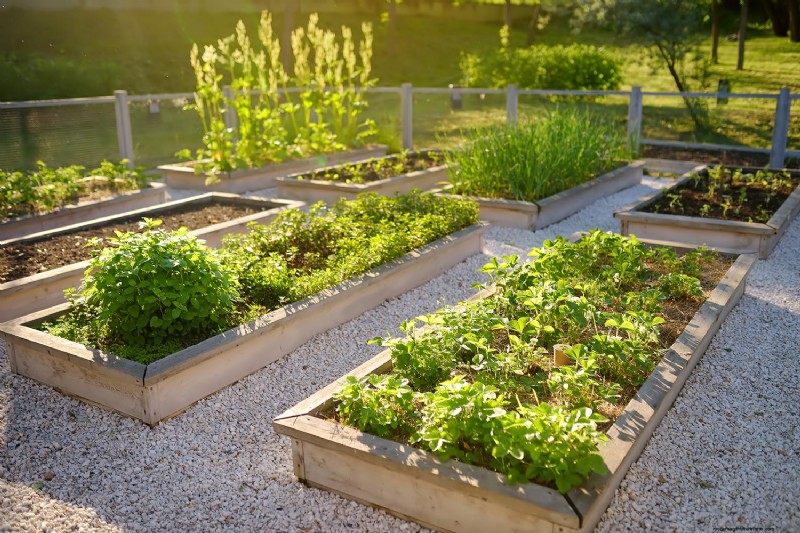
Adding a border between your garden beds can help to give your garden a neat and tidy appearance. It can also help to keep grass and weeds from invading your flower beds and can provide a barrier to protect your plants from being trampled.
There are a variety of materials that you can use to create a border between your garden beds.
Whatever material you choose, be sure to select one that will complement the overall appearance of your garden.
Gardening is a great way to get some exercise and enjoy the outdoors, but it can also be a lot of work.
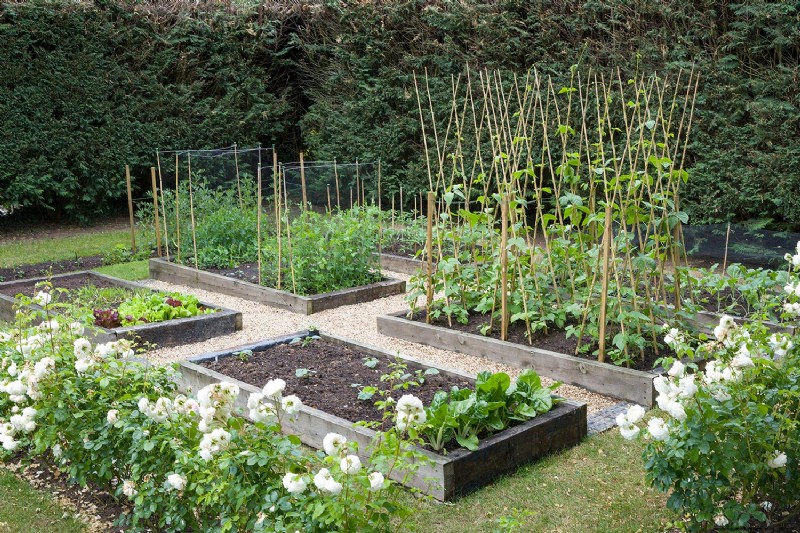
One way to make the gardening process a bit easier is to leave a space between garden beds. This allows you to move around easily without having to step over plants, and it also gives you more room to store gardening tools and supplies.
In addition, leaving a space between garden beds can help to reduce competition for nutrients and water, making it easier for plants to thrive.
So if you're looking for ways to make your gardening experience more enjoyable, consider leaving a little extra space between your garden beds.
If you have a small garden and are short on space, you can get away with planting beds closer together. But if you have a larger yard and want to create an inviting outdoor space, give yourself plenty of room to work in. It's also a good thing to reach out to an expert to know the proper space for your garden.
To get more tips on gardening at home, here are some posts you can review:
How To Build A Retaining Wall In Sandy Soil
How Far Apart Should Retaining Wall Posts Be?
8 Awesome No-Dig Garden Edging Ideas You Should Check Out


