
Welcome to Modern Agriculture!

Most homeowners have experienced a sinking lawn at some point. Perhaps you were walking across your yard and suddenly felt like you were walking on a trampoline. Or maybe you noticed that certain areas of your lawn are constantly wet, even long after it has rained. Fortunately, we have compiled a list on how to solve the issue of sinking lawns.
The lawn becomes dense and spongy, and it’s difficult for grass roots to take hold. It can be caused by a variety of factors, including heavy foot traffic, vehicular traffic, and even rainfall. The good news is that there are a few simple steps you can take to relieve compacted soil:
In this blog post, we'll discuss the causes of lawn sinks and offer some solutions on how to fix them. Keep reading to learn the basic tips to keep your lawn sturdy and stable.
A lawn that sinks is a sign of a problem with the soil. The soil may be too loose, which can be caused by factors such as poor drainage or compaction. Alternatively, the soil may not have enough organic matter, which can make it unable to hold water and cause it to drain too quickly. If you think your lawn may be sinking, there are a few ways to tell.
If you notice any of these signs, it's important to take action to improve the condition of your soil. Otherwise, your lawn will continue to sink and become damaged.
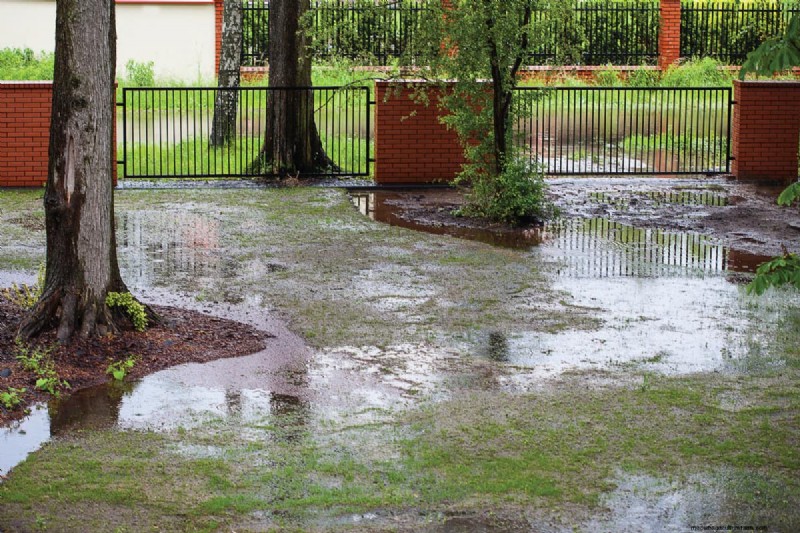
Have you ever noticed that your lawn seems to sink when you walk on it? There are actually a few reasons why this happens.
While there are a few reasons this happens, there are also some ways to prevent it. Check out the following tips on how to solve and prevent this issue.
Let's face it, a lawn that sinks when you walk on it is not only unsightly, but it can also be dangerous. If you have a lawn that is prone to sinking, there are a few things you can do to fix the problem.
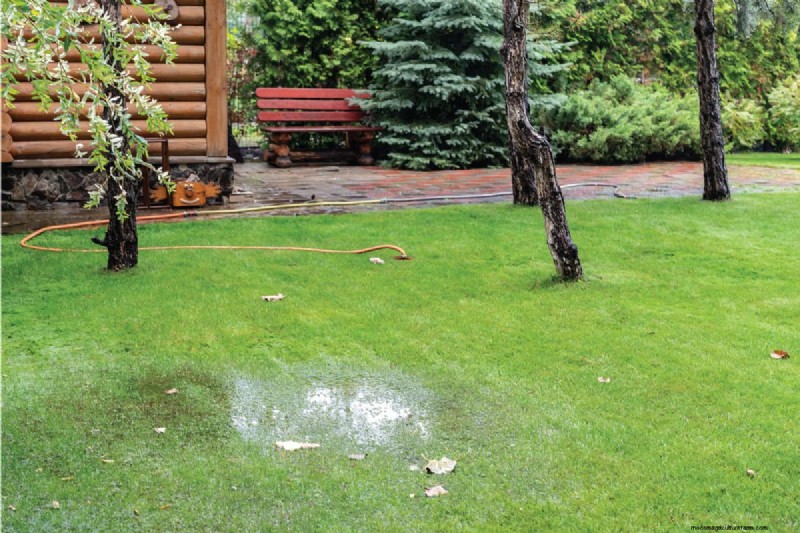
If water is pooling near your house or in low-lying areas of your yard, that could be the culprit. You may need to install drains or re-grade the land to ensure that water flows away from your home.
If you have clay soil, that can contribute to sinking. Amending the soil with organic matter can help improve drainage and prevent further settling.
Waterlogged soil around your lawn can easily lead to the sinking of your lawn. This is because the waterlogged soil becomes compacted, preventing oxygen from reaching the grass roots. As a result, the grass begins to die, and the soil starts to settle.
To prevent this from happening, ensure that the area around your lawn is well-drained. This may involve installing drainage tiles or re-grading the land to ensure that water flows away from your home.
One way to fix a compacted lawn is to add topsoil over the surface. This will provide a loose layer of soil that roots can easily penetrate, allowing the grass to take root and thrive.
In addition, topsoil can also help to improve drainage, preventing water from pooling on the surface and causing the grass to drown.
Aeration is making small holes in the soil, which allows air and water to reach the roots of the grass. Over time, compacted soil can cause the grass to suffocate, leading to a lackluster lawn.
Luckily, aerating your lawn is a relatively simple process that can be done with a hand aerator or a gas-powered aerator. This will help to ensure that oxygen and nutrients can reach the roots of your grass.
Nitrogen is an essential nutrient for grass, and it helps to promote strong root growth. A fertilized lawn will be better able to hold its shape when you walk on it, and it will also be less likely to develop bare patches.
In addition, a healthy lawn is simply more pleasant to look at and walk on. This will help to encourage vigorous growth and prevent the grass from thinning out.
One important aspect of lawn care is ensuring that it properly trimmed the grass. If the grass is too long, it can be more susceptible to damage from foot traffic. Conversely, if the grass is cut too short, it can be more prone to drought stress and weed growth.
The ideal height for most grasses is 2-3 inches. By mowing at this height, you can help ensure a healthy lawn that can withstand heavy traffic.
When the ground is too dry, it compacts more easily, causing footprints to stay visible for longer. The solution is simple: water your lawn deeply and evenly.
Deep watering encourages grass roots to grow deep into the soil, giving the plant a stronger anchor. Even watering helps prevent dry spots, which can lead to compaction. This will help to promote deep root growth which will make your lawn less likely to sink.
Overseeding simply means planting new grass seed on top of existing turf. This helps to thicken the lawn, filling in any bare patches and creating a more uniform appearance. It also helps to improve the overall health of the lawn by increasing its disease and drought resistance.
Best of all, overseeding is a relatively inexpensive and easy way to keep your lawn looking its best. This will help to fill in any bare spots and make your lawn thicker and more resilient.
Read more about overseeding here: What’s The Best Time To Aerate And Overseed A Lawn?
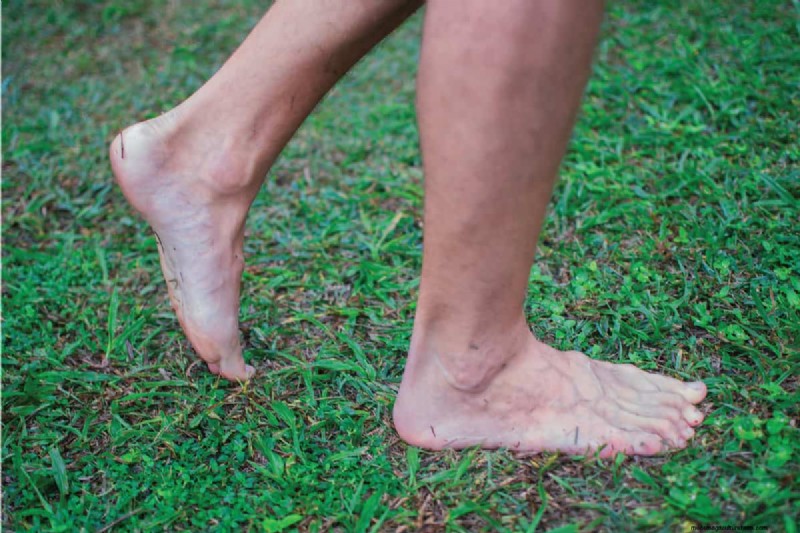
If you have ever walked across a lawn and felt it sink beneath your feet, you know how frustrating it can be. There are a few things that you can do to help prevent your lawn from sinking.
By following these simple tips, you can help keep your lawn looking its best.
Lawn sinking when you stepped on it can be alarming, depending on the cause.
If the turf is spongy and feels unstable, that's often a sign of compaction, which can be caused by too much foot traffic or heavy equipment such as mowers and vehicles.
The soil may also settle unevenly, creating low spots that collect water and become breeding grounds for diseases. In some cases, the damage may be irreparable and you'll need to start anew.
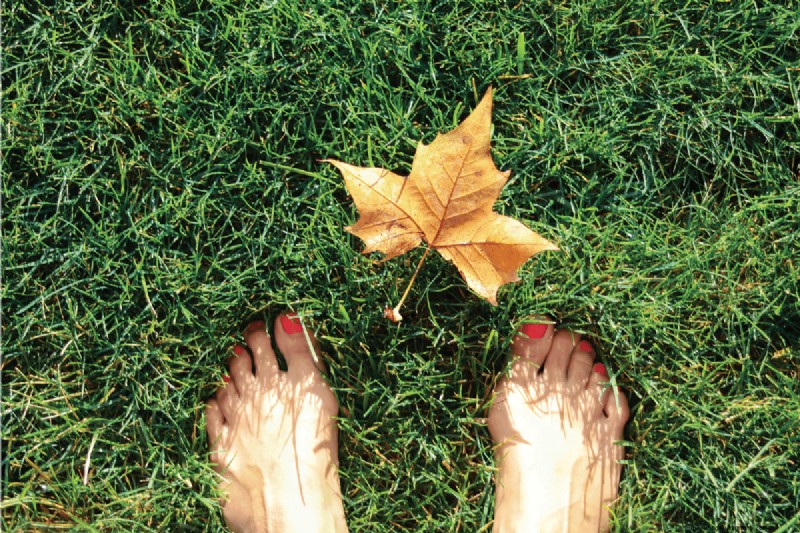
The lawn sinks when people walk on it. It is important to have a plan in place so that you can maintain your lawn and keep it looking great. If you are having trouble with your lawn, don't hesitate to reach out to experts and professionals in the field.
To learn more about proper management of your lawn, see our posts below:
How To Clean Up After Dethatching
How Long Can Grass Seed Go Without Water?


