
Welcome to Modern Agriculture!

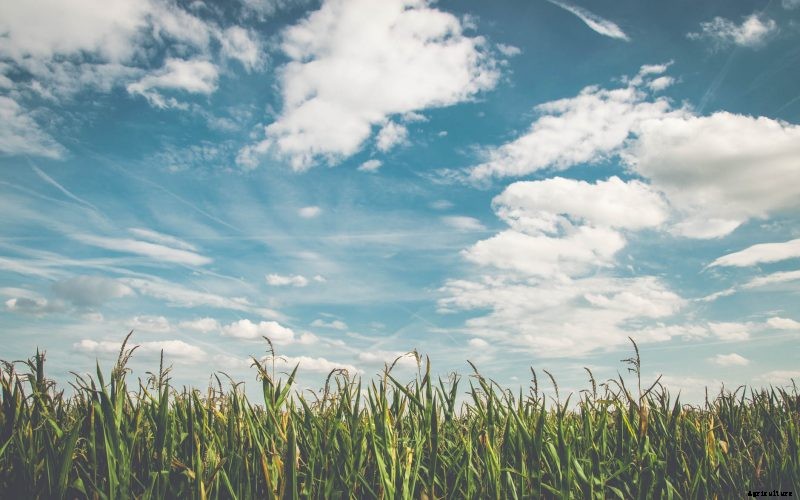
Soil Fertility is the most important part of the soil to be maintained if we are to continue planting crops. Maintaining a healthy soil is a major challenge farmers have been facing for thousands of years. Green manure, also known as “fertility building”, aims to help us with this dilemma of protecting soil fertility.
Green manure is a technique employed in agriculture to raise soil fertility. It is done by leaving uprooted or sown crops parts, allowing them to wither onto the field and serve as mulch and soil fertilizers. Plants that are used in green manure are usually cover crops like grasses or legumes.
Despite having the word “manure” in it, Green Manure has no association with animal waste. It allows plants and crops to decompose on the field in order to increase the organic content of the soil and replenish nutrients that the soil may have lost during cultivation.
Green manure crops are grown alongside the main crops; preventing soil erosion, maintaining fertility and allowing the soil to rest (kinda like crop rotation).
Interconnection of natural processes through the use of green manure on soils triggers multiple positive effects and ability to carry out long-term cultivation. Most of the advantages concerning green manure stem from their ability to revitalize nutrients into the soil and boost its fertility. However, green manure benefits don’t stop there only. They have unexpected benefits for the ecosystem as well which we’ll be discussing ahead.
The use of green manure increases the levels of important nutrients required for soil growth. The use of leguminous crops such as vetch, alfalfa, and clover helps in nitrogen fixation from the air and adding it into soil. Nitrogen promotes healthy growth of crops. This was green manure increases the organic content of the soil.
Some green manure crops such as lupin, oilradish, and buckwheat enrich the soil with phosphorous which is a key nutrient essential for healthy growth of plants. Other elements such as iron, calcium, potassium, and other trace minerals can also be incorporated into the soil by use of green manure.
Green manure significantly improves soil structure. Once organic matter is incorporated into the soil, it binds soil particles together and helps to create soil aggregates. These large particles, once created, enable formation of pores allowing for proper soil aeration, nutrient distribution, and water retention.
Plants being grown on such soils have a better root system and have better efficiency in nutrient acquisition. High level of organic matter provides constant soil fertility as it maintains and improves biological and physical properties of the soil.
Green manure is often referred to as ‘cover crops’ as they are mainly planted to cover the soil during winters to prevent frost or when the temperature is significantly hot and we need to stop excessive evaporation.
Soils are covered in order to prevent them from being exposed to harsh elements. The roots hold the soil particles in place and provide a shield for the top soil from becoming eroded due to rain or wind.
Similarly, leaching of nutrients from the soil into the environment is minimized by green manure. The green manure crops draw the nutrients into their body and prevent them from leaching out into the environment.
Once the crops of green manure die and are buried into the soil, they start to decompose and the nutrients inside them are released gradually into the soil just for the next crop season to utilize them.
If the soils are left uncovered, the layer of top soil will be eroded with wind and water run-off and the soil will become deprived of valuable nutrients.
Green manure crops naturally have the ability to suppress weed growth, hence preferred by farmers. Green manure does this by disrupting the growth patterns and cycles of weed plants. It takes up and locks away the valuable nutrients and water needed by weeds.
A way to control the number of pests on farmland is harbor natural predators against those pests. Green manure serves as a home for many predatory insects during the winter, such as ground and rove beetles.
These species are known predators of various pests and caterpillars. Even during the summer green manure crops helps to attract natural predators. Examples include blue flowers of Phacelia that attracts hoverflies that eat up aphids (most common and resistant pest).
The flower nectar and pollen of many planted green manure crops also helps to supply abundant amount of nutrition to many pollinators.
Soil microorganisms are important in maintaining a good soil structure. Their activity is essential in creating soil aggregates, enhancement of soil porosity and mixing in the organic matter.
One of the major advantages of green manure is increasing microorganism numbers and encourages high biodiversity. The roots of green manure crops help to provide essential nutrients to soil microbes. Once the crops are tilled into the soil, further decomposition of nutrients into soil stimulates further microbial activity into the soil.
Green manure also facilitates healthy populations of symbiotic fungi called mycorrhiza. These fungi play an important role in crop nutrient intake, resistance, and growth. Their presence, like soil microbes, benefits soil structure.
In some instances, green manure is used to disrupt lifecycles of various pests and diseases. Rye sown in fall is effective in limiting the population of major pests infesting potatoes and common vegetables. Other examples include varieties of mustard that kills pests and diseases.
The effectiveness of green manure in preventing pests and diseases on farmland depends upon proper management of the crops. This can be done by careful selection of crop species combined with assessment of particular field and pest history.
This allows less usage of pesticides, insecticides and other synthetic chemicals that may be a source of pollution.
I’ve told you most of the advantages of green manure, but now it’s time for a few disadvantages you just need to know.
Sometimes excessive use of green manure may cause over-fixation of nitrogen and phosphorus into the land making it toxic and further leading to nutrient pollution. This is usually the case if farmers use legume crops as green manure, as they are the major providers of nitrogen in the soil due to their nitrogen fixing ability.
Green manure crops may prove to be too costly for the farmers; it may end up meaning that they will plant less cultivation crops for the sake of planting green manure crops. This in the long run can prove to become costly for farmers. The costs of planting green manure shouldn’t exceed potential soil and nutrient benefits.
Farmers won’t be able to plant their marketable crop during the manure phase as sometimes they may choose to increase land fertility rather than plant crops. This is a risky approach and can lead to more losses than return to the farm.
For many farmers, the manure phase can be a time to make up for losses in the previous season which means they won’t be able to follow the rotation properly.
The green manure crop may sometimes compete with the crops that will be the primary source of income. Although this isn’t the purpose of the green manure, it can be detrimental to the yield of the crop if not planted planned properly.
There are generally two main types of green manure crops:
Non- Leguminous crops mainly serve to act as green manure cover crops and enrich the soil with organic material. Examples of Non-leguminous crops include;
Leguminous crops have the ability to fix nitrogen into the soil, as they contain nitrogen fixing bacteria in them. Examples of Leguminous crops include;
The challenges of carrying out intensive farming practices, especially in relation to climate change, extreme weather patterns, soil degradation and erosion along with land contamination due to synthetic chemicals caused farmers to change their approach to farming techniques. Hence, farmers have started implementing green manure into their practice. Green manure proves to be a manageable and economical method of securing long-term productivity from the farmed lands.
It provides important organic and nutrients back to the soil, bring back life and productivity in the soil. Green manure practices use legume crops which contain nitrogen-fixing bacteria in their roots, allowing for nitrogen fixation into the soil. This means synthetic fertilizers will not be required by the farmer, helping him to save up on costs.
Soil erosion is avoided with improved stability of the top-soil. This helps to improve the overall soil structure by providing porosity and aeration in the soil.
The amount of weeds competing for same nutrients from the soil is reduced. Additionally, the lifecycles of pests and diseases are interrupted allowing for better productivity. This reduces the farmer’s costs of tilling or pesticides. Furthermore, there will be no contamination of the crops from pesticides which may contain harmful chemicals.


