
Welcome to Modern Agriculture!

Are you considering a new business venture and wondering how to start a farm?
It’s an ambitious goal. And you’re not alone in your thinking. In fact, a staggering 90% of all US farms fall under the small farm business category.
Ready to get your hands dirty? If the answer is yes, start exploring our How to Start a Farm guide, which will help you make your small farm dreams a reality.
There are various types of farms that aspiring entrepreneurs can establish. While each type may have its unique characteristics, several essential steps are common to most new farming ventures. Here are the key tips that aspiring farmers should be aware of. We will guide you through exactly how to start a farm.
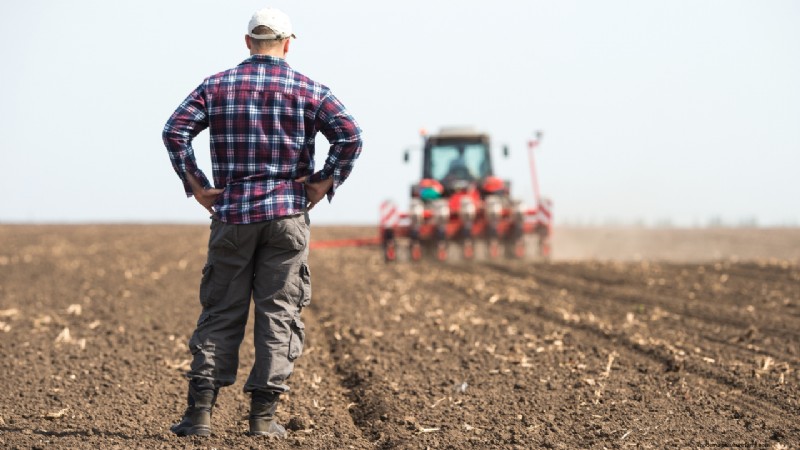
Choosing the right farming niche is a critical step for farmers just starting out, as it sets the foundation for their agricultural journey.
Begin by assessing your interests, skills, and resources, such as land, water, and capital.
Research the market demand, focusing on local food preferences and trends in your area to identify potential sales opportunities. For your target market, niche markets can often command higher prices but may also require more specialized knowledge or marketing efforts.
Evaluate how the environmental and economic sustainability of the niche corresponds with your values and objectives.
Starting to get experience in your chosen field is equally important for any aspiring farmer. Start small to manage risks and learn the ins and outs of your niche. A good way to start getting experience is through apprenticeships or working directly with large-scale producers or under-experienced farmers and ranchers in your chosen field.
Practical experience is invaluable, so consider internships, volunteer opportunities, or working on a farm that specializes in your area of interest.
Make sure you prioritize networking and collaborating with other farmers and industry professionals face-to-face and via social media or mailing lists. This will provide insights and expert advice and help you stay connected to the farming community.
Educational resources like agricultural courses, workshops, and online forums can enhance your understanding. Keep in mind that farming is a lifelong learning journey, and being adaptable is essential for managing the challenges and changes in the agricultural landscape.
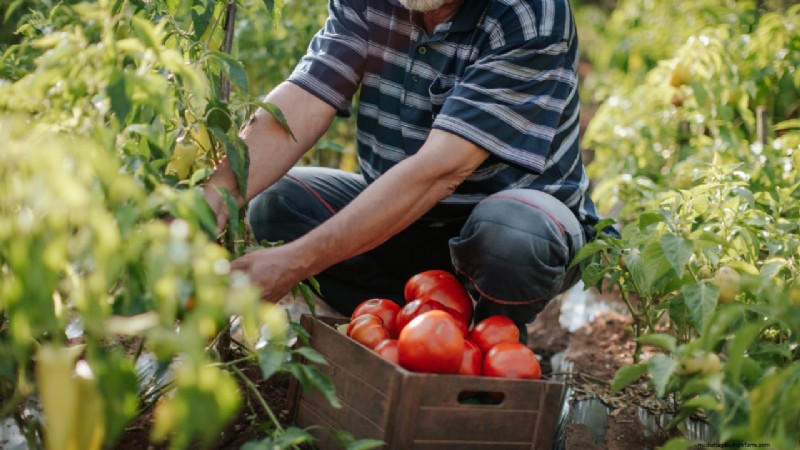
Consider a few key things when looking for the perfect spot for starting a farming business. First, the soil is super important; it needs to be rich and ready to grow your crops. You’ll want a place with just the right climate, too. The area’s conservation needs are equally important.
Additionally, start your market research before you begin farming. Look at how close you are to farmers’ markets, where you can sell your farm goodies like fruit, livestock, and dairy farm products. Being too far away could make getting your products to customers tough and expensive. And don’t forget about water! Your farm will need plenty of it to keep everything green and growing.
So, take your time to check out the land, test the soil, and maybe even chat with some nearby farmers to get more insights into the surrounding area. Make sure you also look at zoning laws and property tax implications.
For those interested in farming with livestock, the USDA has specific guidelines for the amount of space required for certain farm animals – mostly hoofed animals and poultry. So make sure there’s enough space to meet those requirements while allowing room for your farm to grow over time.
Creating a farm business plan is akin to crafting a roadmap for your farming journey. It provides clarity on your destination and the steps needed to reach it. Here’s what to include:
This plan isn’t just a one-time thing; it’s something you’ll come back to and tweak as your farm grows and changes. It’s your farm’s story, with numbers and goals to aim for.

Picking the right business structure is a big deal for any startup farm. It shapes everything from how you pay taxes to how much paperwork you have to deal with. Here’s how to consider your business structure before starting a farming business:
Think about what makes sense for your farm’s size, your goals, and how much personal risk you’re willing to take. It’s a good idea to chat with a financial advisor or lawyer to help you make the best choice.
Getting the cash to start or grow your farm business through loans, government grants, or private investment options is a big step in starting a farming business. You’ve got a few options to consider. Traditional bank loans are one route, but they often require collateral or a track record.
Government programs, especially those geared towards agriculture, can be a great help, offering loans with better terms for new farmers or specific projects like conservation.
Don’t overlook grants, which are like free money for specific farming activities or research. Many programs and services offer grants to people starting farming businesses.
Another path is reaching out to investors or even trying crowdfunding, where lots of people chip in a little bit to support your dream.
Remember, each option has its pros and cons, so it’s important to think about what makes the most sense for your farm’s needs and your financial situation.
When you dive into the details of how to start farming, getting the right insurance can safeguard your hard work and investment from unexpected events. Here’s what you should think about:
Choosing the right mix of insurance means looking at your farm’s specific needs and risks. It’s worth chatting with an insurance agent who knows the ins and outs of farming to tailor coverage that fits just right.
Starting a farming business, you’ll need the right tools, seeds, and maybe even animals to get things rolling. For equipment, look for deals on both new and used items; sometimes, local farm auctions or online marketplaces can be gold mines for good finds.
When it comes to seeds, choose reputable suppliers who offer high-quality, climate-appropriate varieties.
If your vision includes livestock, research breeders, or farms with a strong reputation for healthy, well-cared-for animals.
Don’t forget that networking with other farmers can lead you to insider tips on where to get the best deals and products. Building relationships with suppliers and fellow farmers can also provide valuable support as your farm grows.
Kicking off the growing process on your new farm is an exciting moment. Begin by prepping your land, ensuring the soil is fertile and ready to prepare it for planting. You can do this by testing it and adding any needed nutrients.
Next, carefully select your seeds or young plants, considering what thrives in your local climate and soil type.
Planting should follow the natural rhythms of the seasons, with attention to optimal planting times for each crop. Research and plan this before starting a farming business. As your plants start to grow, keep a close eye on them, watering as needed and keeping weeds and pests at bay. Then, patiently wait for your crops to grow so you can reap the rewards of your first harvest.
Consider hiring employees for your farm, especially a farmhand if you’re just starting out.
Selling your crops for the first time is a thrilling step in your farming journey. It’s all about finding the right places where your fresh produce will shine and attract buyers. Here are some effective ways to sell your crops:
Remember, successful selling starts with quality products and building strong relationships with your buyers. Keep them informed about what’s growing and ready for sale, and always listen to their needs and feedback.
Marketing your small farm business is all about telling your farm’s unique story and connecting with people who love fresh, local food.
Start by creating a catchy name and logo that captures the essence of your farm. Use social media platforms like Instagram and Facebook to share beautiful photos of your crops, updates from the farm, and special events.
Don’t underestimate the power of word-of-mouth; happy customers will spread the word faster than you think. Consider setting up a website where people can learn more about your farm, what you grow, and how to buy your products. Make sure you learn about search engine optimization and make sure your website has things like https.
Participating in local farmers’ markets and community events is also a great way to get your name out there and meet your customers face-to-face. Remember, the goal is to build a community around your farm that supports and values the hard work you put into growing healthy, sustainable food.
The term “small farm” often evokes images of modest plots of land teeming with crops and livestock. However, the official designation of a small farm goes beyond mere acreage to consider financial metrics. Specifically, a farm is classified as “small” based on its Gross Cash Farm Income (GCFI), not the size of its land. If a farm’s GCFI is below $350,000, it falls into the small farm category.
This criterion is crucial for understanding and categorizing agriculture’s vast and varied landscape. It ensures that support, resources, and policies are tailored to meet small farm operators’ unique needs and challenges, who play a pivotal role in the agricultural industry.
This classification underscores the economic dimensions of farming operations, highlighting the importance of financial performance in defining the scale and scope of a farm’s activities.
Although 90% of all farm businesses are defined as small, their numbers have gradually declined since the 1980s. According to the United States Department of Agriculture statistics, there are about 2 million small farms in the US, with an average size of 450 acres.
But it’s important to know that although their numbers have declined, their output has tripled. That’s because of technological improvements in many aspects of farm work. Small farmers contribute about 20% towards the US agricultural products (crops) output.
Want to know how your state fares? The USDA has information specific to each state and is a great resource to learn the best states to start a farm.
Beginning farmers in all types of farm product businesses share certain characteristics. Like other farmers, they enjoy outdoor work. They are self-starters, self-sufficient, and not adverse to working seven days a week.
Many farmers, including teens interested in agribusiness, who started their own operations grew up in a farm environment, though many others did not. Many want a change in lifestyle.
Here are a number of farm ideas to spark your interest:
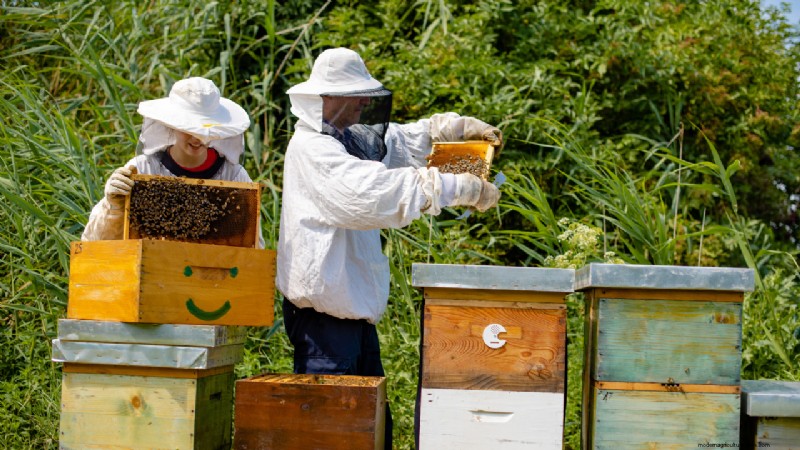
Venturing into the world of starting a farming business can be both exciting and daunting, especially when considering the financial implications. The costs associated with starting a farm can vary significantly based on a number of factors. Here’s a breakdown:
It’s crucial to recognize the value of diversified income streams. The majority of successful small farms often rely on a mix of farm income and “off-farm” income. For many beginner farmers, maintaining a regular job can be a strategic move, providing additional financial support during the initial stages of their farming venture. This can help mitigate risks and ensure stability as the farm grows and becomes more established.
There are a number of reasons why small farms can sometimes fail:
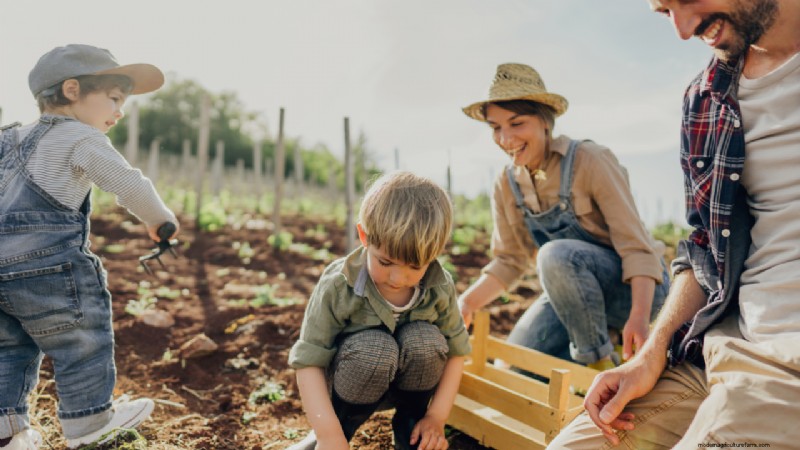
The hardest choice may be the type of venture to start. It won’t be easy, but making a living from natural resources and hands-on work on your own farm can be very rewarding.
Image: Envato Elements
More in: Farming Business, How to Start