Welcome to Modern Agriculture!

 Depositphotos
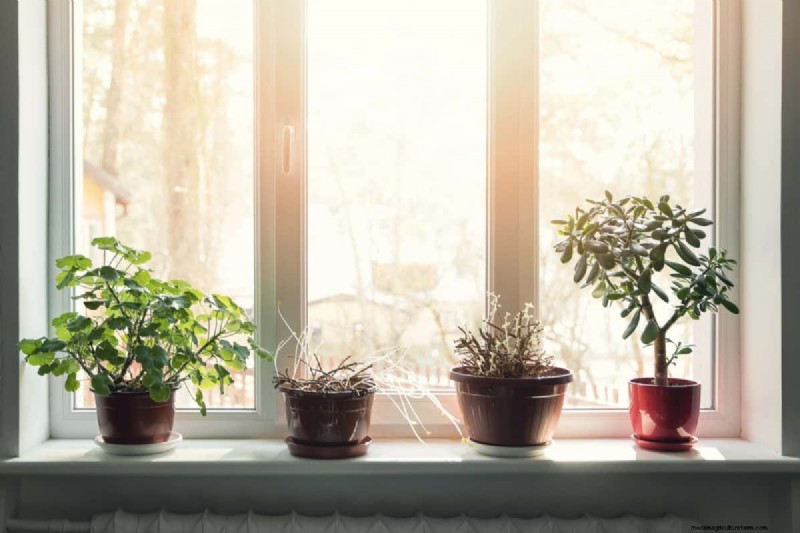
Every plant has a way of telling you what it needs—if you know how to listen. Instead of guessing your plant’s lighting needs, watch how it grows. Plants show signs through their shape, leaf color, and even how they lean. Once you know what to look for, you can give your plant the perfect light to help it thrive. This guide will help you read those clues and make simple changes.
 Depositphotos
Start by taking a good look at your plant each day. Is it standing upright or leaning toward a light source? Are the leaves bright and evenly spaced? These simple signs can give you helpful clues. Your plant’s behavior says a lot about what kind of light it wants or if it’s struggling in its current spot.
 Depositphotos
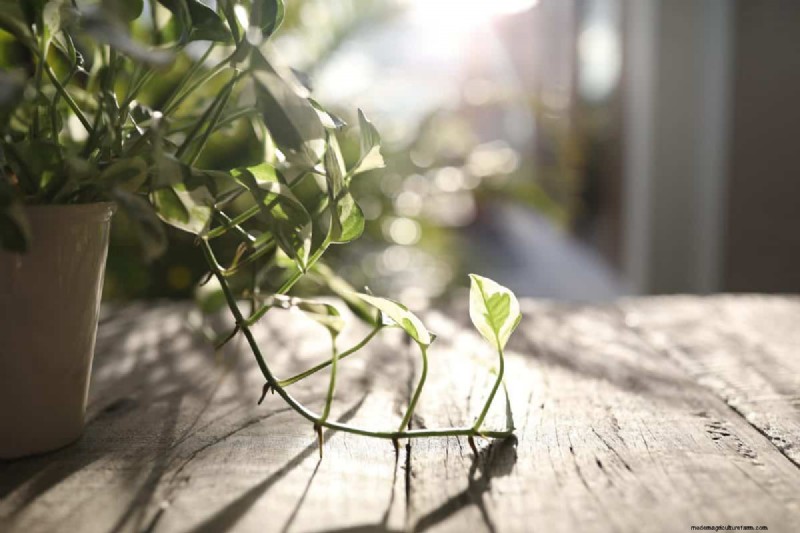
Leaning stems often mean your plant wants more light. When a plant grows toward a window or lamp, it follows the strongest light source. This response is called phototropism. It’s your plant’s natural way of showing that it’s not getting enough light where it is, so consider moving it to a brighter place.
We'll email it to you so you can read it later!
By saving, you agree to receive occasional emails. Unsubscribe anytime.
 Depositphotos
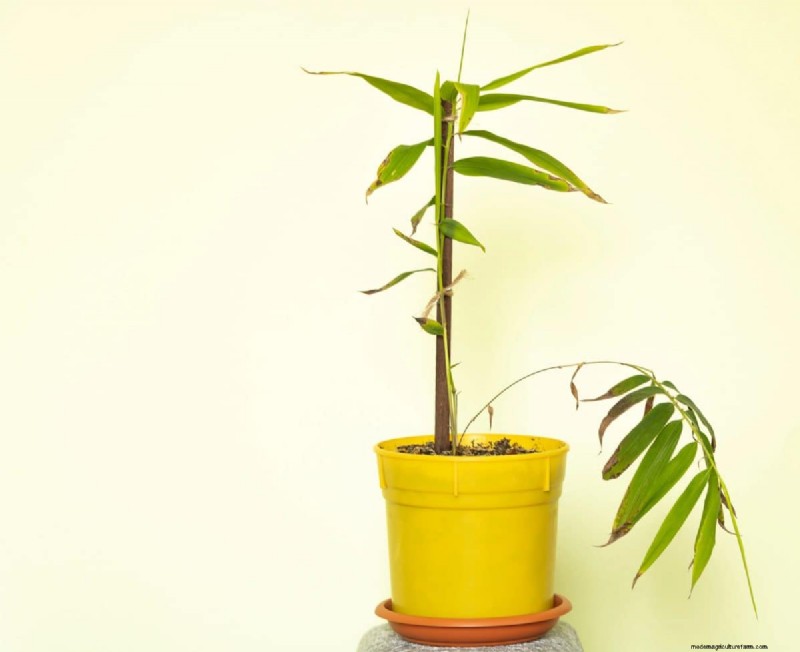
“Leggy” means long, thin stems with few leaves. This often happens when a plant stretches for more light. If leaves are far apart, that’s a clue it needs brighter conditions. You may also see weak or floppy stems. Try moving the plant to a brighter location and see if the growth becomes fuller and healthier.
 Depositphotos
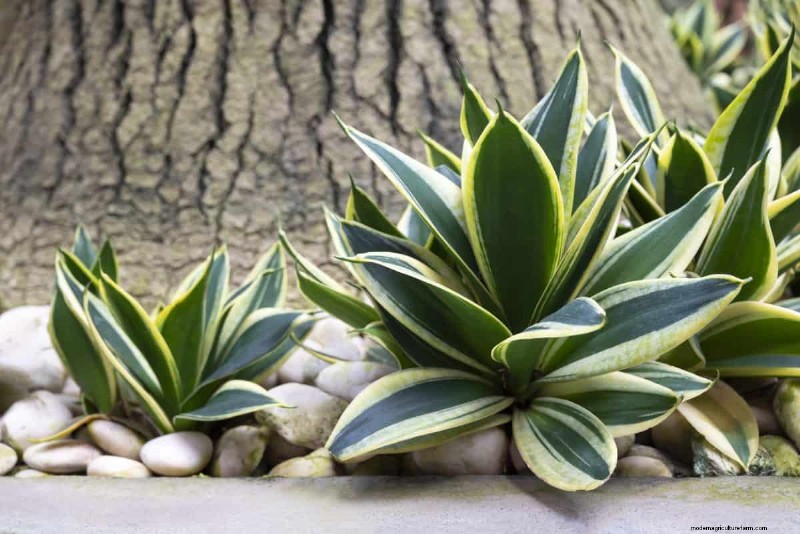
Plants that grow compact and full are usually happy with their light. Leaves grow close together, and the plant has a balanced, tidy shape. This kind of healthy growth tells you the lighting is just right. If your plant looks bushy and sturdy, you probably don’t need to change its spot.
 Depositphotos
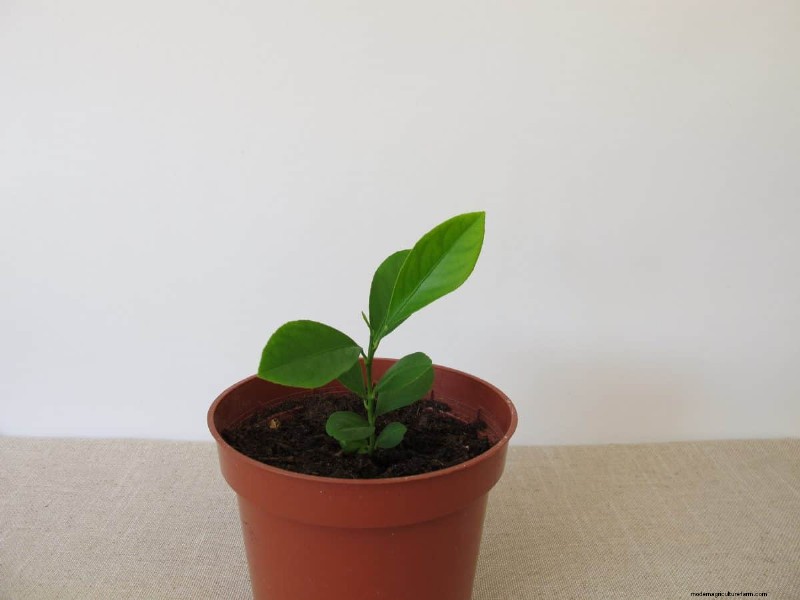
When your plant stops putting out new leaves or shoots, it may be reacting to low light. Growth that once seemed steady might slow down or stop completely. This pause in activity can be your plant’s quiet way of saying it needs a better-lit spot to keep developing properly and stay healthy over time.
 Depositphotos
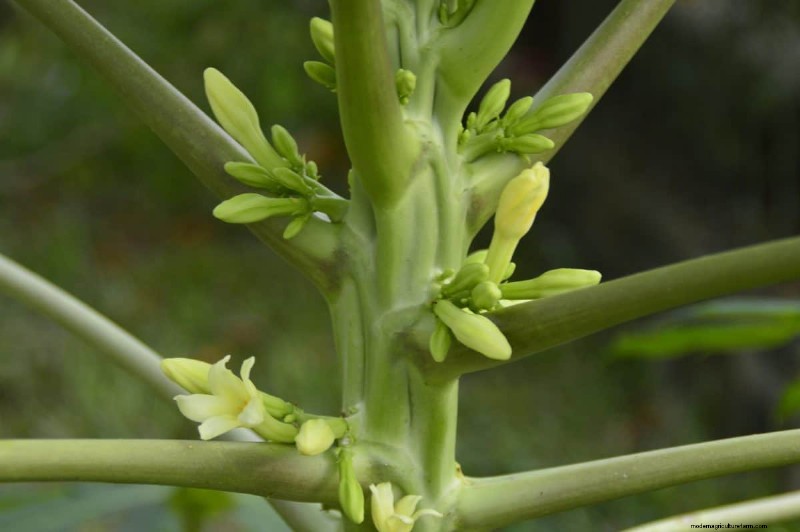
Watch how your plant grows new leaves or shoots. If they appear smaller than usual or take a long time to show up, the plant might need more light. New growth should be steady and strong. When a plant doesn’t get enough light, it doesn’t have the energy to grow new leaves properly or quickly.
 Depositphotos
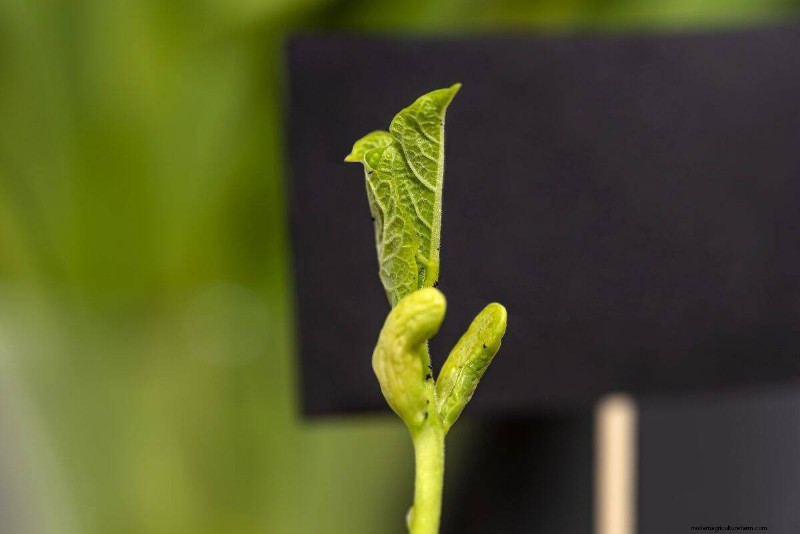
If stems or leaves start curling, twisting, or growing in odd shapes, it might be due to light problems. Uneven lighting can confuse the plant, leading to strange patterns in its growth. These signs of irregular development can help you understand whether your plant’s light source is strong enough or reaches all sides.
 Depositphotos
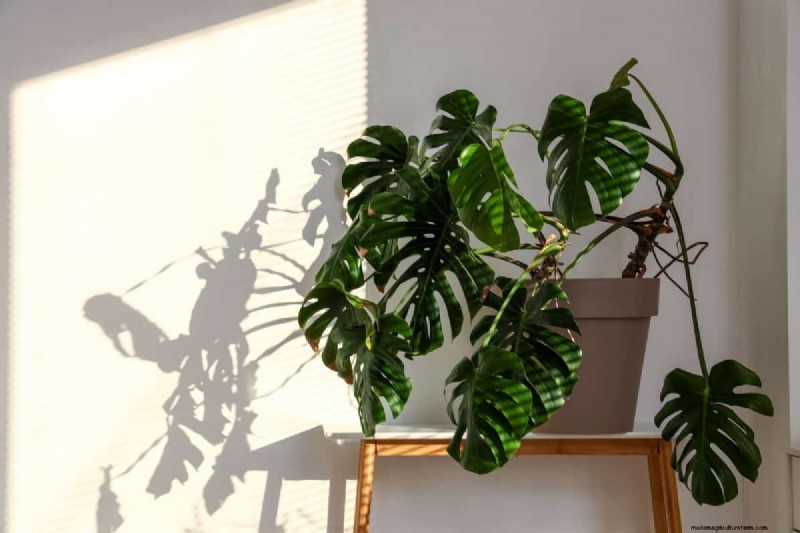
Take note of which way your plant grows. One side may lean toward the light if it looks longer or fuller. Plants growing straight and evenly on all sides are usually in a good spot. If you notice uneven growth, rotate the plant weekly so all sides get equal light exposure.
 Depositphotos
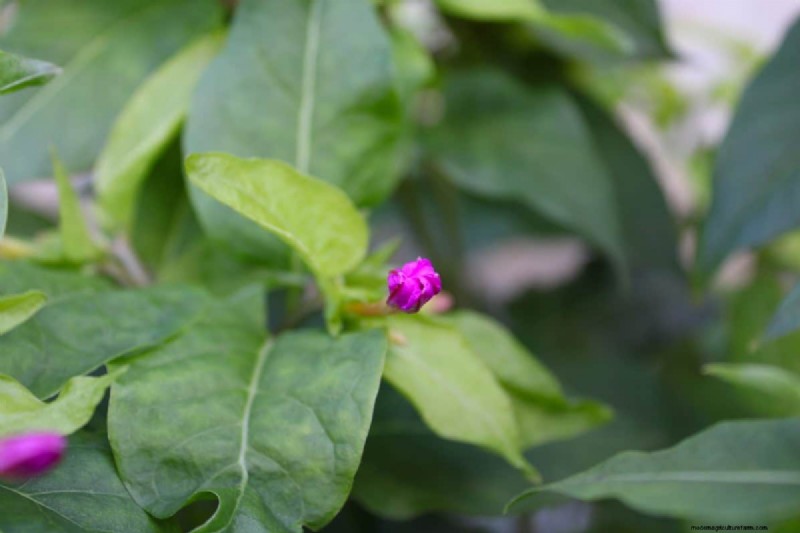
If your plant is known for blooming but isn’t producing flowers, check the light. Many flowering plants need bright, indirect sunlight to bloom. Fewer or missing flowers might mean it’s not getting enough light to support that growth. Try shifting it to a brighter area and give it a few weeks to respond.
 Depositphotos
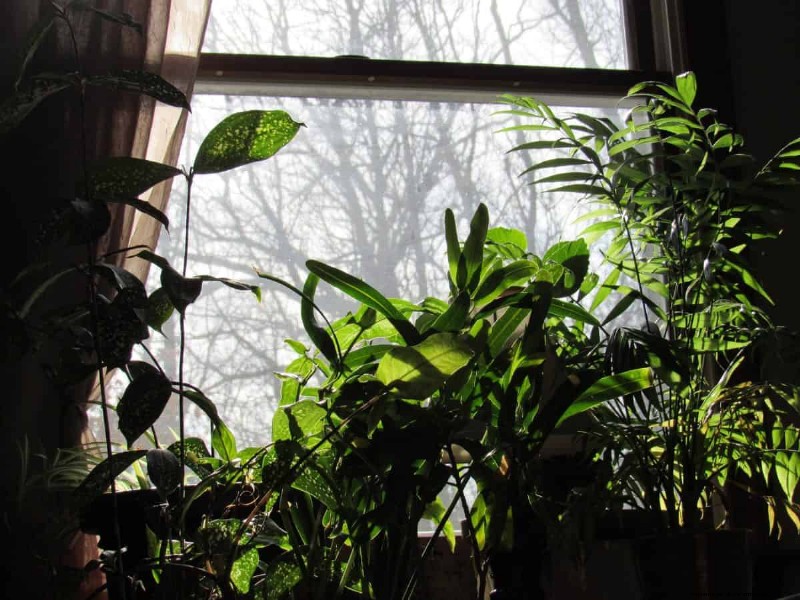
Light changes throughout the year. A sunny window in summer may not be as bright in winter. Your plant’s needs can shift with the seasons. Watch how it reacts during different times of the year. You may need to adjust its position slightly to keep up with the changing daylight.
 Depositphotos
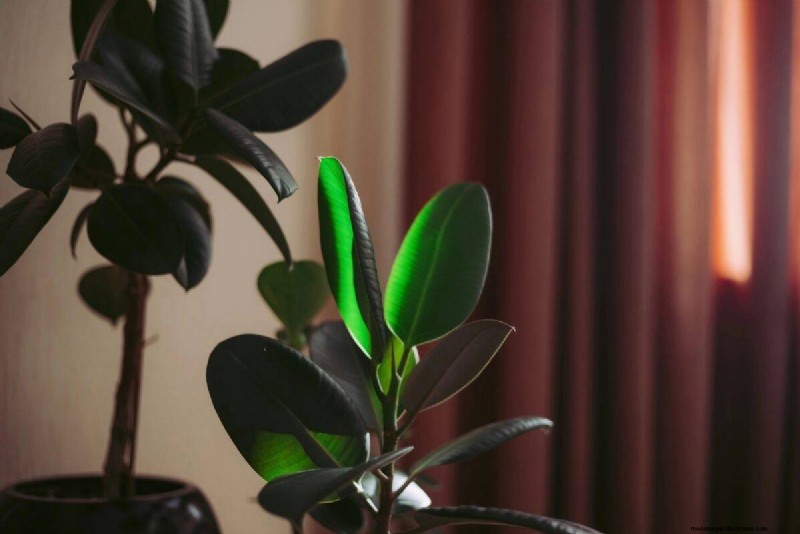
Observe how your plant behaves during different times of the day. Some plants may show movement or growth patterns based on where the sun is. You might see leaves or flowers shifting or even closing. These patterns can tell you how well your plant responds to the available light throughout the day.
 Depositphotos
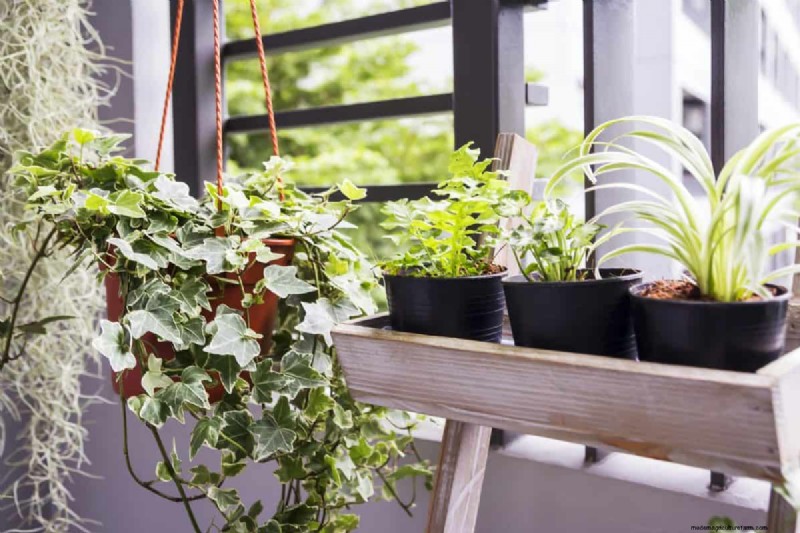
Sometimes, you have to experiment to find what works. Try moving your plant to a brighter or dimmer spot and give it time to adjust. Keep track of changes in its color, shape, or growth rate. Over a few weeks, you’ll see whether your plant likes its new spot better.
 Depositphotos
When it comes to light, your plant already has the answers. You have to look closely and notice the small changes. Whether leaning, fading, blooming, or stretching, your plant is trying to tell you something. Pay attention to sun patterns and adjust the plant’s environment bit by bit. With time and care, you’ll find the perfect spot—and your plant will thank you with healthy growth and a vibrant life.